













Evening Herbal Teas: Blends, Flavors and How to Brew Them
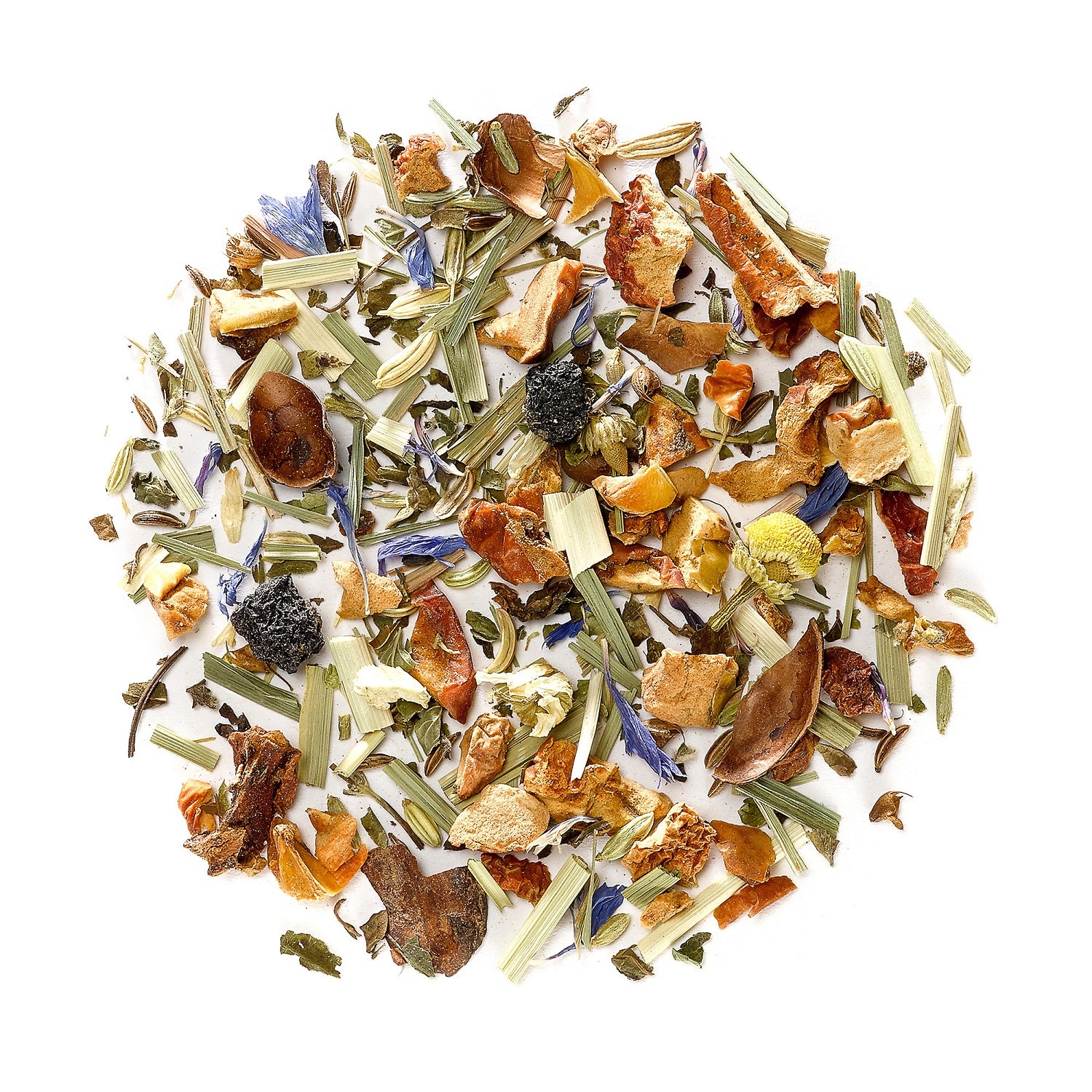
Evening herbal tea is a caffeine-free infusion brewed from herbs like chamomile, passionflower, lemon balm, valerian, and lavender, usually drunk in the last hour or two before bed. In my fifteen years of sourcing and selling these herbs, I have seen how much the choice of blend and the way it is brewed shape the cup, and several of them have been drunk as evening infusions in Europe for centuries. Chamomile remains the one most people start with.
Watching someone wrap their hands around a warm cup at the end of the day is something you never stop noticing. This post covers the herbs most often used in evening teas, how to build a genuine routine around them, simple blends you can make at home, and what to avoid.

Top Herbs for Your Evening Tea
The herbs most often used in evening tea are chamomile, passionflower, lemon balm, valerian, and lavender. Each has a distinct flavour, which means they can be used alone or layered together depending on what you want in the cup on a given evening.

Chamomile
Chamomile is the reference point for evening tea. It contains apigenin, a flavonoid found in the flower heads. Chamomile flower has been drunk as an evening infusion across Europe for centuries.
The flavour is gentle and slightly honey-like, with a dry, almost apple-like finish. I find fresh batches are often more pronounced and slightly harsh; chamomile that has been stored well for six months to a year becomes softer and more mellow, easier to drink in the evening when you do not want intensity.
Passionflower
Passionflower (Passiflora incarnata) is less well-known but worth understanding. For tea, the dried aerial parts are used: leaves, stems and flowers, cut together. The plant is native to the south-eastern United States, where it grows as a climbing vine. Its intricate, fringed flower is where the name comes from: Spanish missionaries in the Americas read the Passion of Christ into its structure.
In Europe it has long been used in evening herbal blends. In the cup it has a mild, slightly grassy flavour with a faint floral undertone. It pairs well with chamomile, where it adds depth without dominating.
Lemon Balm
Lemon balm (Melissa officinalis) is a member of the mint family with a long history in European kitchen gardens and herbal teas. Its lemon scent comes from aromatic compounds in the leaves, such as citral and citronellal. The flavour is light and citrusy, genuinely pleasant to drink without sweetening.
It works particularly well in blends because it brightens the flavour profile. We stock dried lemon balm leaves that hold their volatile oils well when kept away from light and humidity.
Valerian Root
Valerian root (Valeriana officinalis) has the strongest flavour in this group, and is the one to use most sparingly. The root contains valerenic acid and related iridoids, along with the volatile oils behind its distinctive smell. It has a pungent, earthy flavour that many people find challenging on its own; blending it with chamomile and a small amount of lavender masks the intensity considerably.
Lavender
Lavender's character comes primarily from its aromatic compounds, particularly linalool and linalyl acetate, which carry its floral scent into the cup. It works best as a minor component in a blend, around 10-15% of the total, because the flavour is intensely floral and can become soapy at higher concentrations. Brewing temperature matters here: keep it below 90C to preserve the more delicate aromatic notes.
Building an Evening Tea Routine
An evening tea is easiest to enjoy when it is a regular part of your evening, not just something you drink occasionally.

The simplest approach is brewing at the same time each evening, ideally 45 to 60 minutes before bed. Consistency matters because the routine becomes a habit: the act of preparation itself marks the end of the day. The ritual of heating water, measuring herbs, and waiting for the steep adds about five minutes of pause before you even drink anything.
Preparation should be intentional rather than automatic. Bring water to 90-95C for chamomile and passionflower, not boiling, which can turn chamomile bitter and degrade some volatile compounds. Use 2-3 grams of dried herb per 250 ml, and steep for 5-7 minutes covered. Covering the cup during steeping preserves the aromatic compounds that evaporate quickly in open air, and these carry much of the flavour and aroma of the cup.
Pairing the tea with a quiet activity makes the evening routine easier to keep. Reading a physical book, light journaling, or simply sitting without a device all pair well with a cup. The point is to give the cup your attention rather than a screen. This does not need to be elaborate; it is about setting aside a few unhurried minutes at the end of the day.
For the blend suggestions in the next section, I find that preparing a loose-leaf mix in a small jar on Sunday evening and using it through the week makes the routine easier to maintain. The convenience removes the decision friction on evenings when you are already tired.
DIY Evening Tea Blends
You do not need a pre-blended commercial product to make a good evening tea. A few dried herbs combined at home give you more control over flavour and intensity.

Base blend: chamomile and lavender. This is the most approachable starting point. Use chamomile as the base, around 70% of the blend by weight, and lavender as the aromatic accent (10-15%). The chamomile provides the flavour foundation; the lavender adds a floral lift without overwhelming.
Steep 2.5g per 250 ml at 90C for 5-6 minutes. This blend suits people new to herbal evening teas and those who prefer a mild, pleasant flavour above everything else.
Adding lemon balm for a citrus note. Replace 20% of the chamomile with dried lemon balm leaves. The result is lighter and fresher in flavour, with a gentle citrus note that makes the blend easier to drink without honey or other sweetening.
Lemon balm also rounds out the floral notes, making this blend a good choice for people who find chamomile alone too flat. Proportions: chamomile 60%, lemon balm 25%, lavender 15%.
Passionflower for additional depth. When you want more than standard chamomile, adding passionflower brings depth to the flavour. Passionflower has a slightly grassy, mild taste that blends well with the other herbs without introducing any bitterness.
A working ratio: chamomile 50%, passionflower 30%, lemon balm 15%, lavender 5%. This is a fuller, more layered evening blend; use it when you want a more complex cup than chamomile on its own.
A note on valerian in home blends. Valerian root can be added to any of the above at around 10-15% of the blend weight, but be aware that the earthy, slightly musty flavour is strong enough to define the entire cup at higher concentrations. If you want a deeper, earthier cup, try adding a small amount of valerian rather than simply using more chamomile. Several herbs at moderate levels give a more balanced flavour than a high concentration of any single herb.
Store any home blend in a glass jar with a tight lid, away from heat and light. Properly stored, dried herbs hold their flavour and aroma for 12-18 months.
What to Avoid in Your Evening Routine
Not all teas are suitable for an evening routine. Several popular options are better kept for earlier in the day.
Any caffeinated tea after 2pm is the primary issue. Caffeine has a half-life of roughly 5-7 hours in most adults, meaning a cup of black tea at 3pm still has half its caffeine load at 8-10pm. Green tea, white tea, oolong, and black tea all contain meaningful amounts of caffeine. The exact level depends on cultivar, leaf age, and brew time, but even a light green tea typically delivers 20-40mg per cup, enough to delay sleep onset for people who are sensitive.
Green tea in particular is worth flagging because many people assume it is a gentle evening option. Green tea contains L-theanine, an amino acid, alongside caffeine, and that caffeine will interfere with sleep in the evening. The right time for green tea is morning or early afternoon, not as part of an evening tea routine.
Yerba mate and guayusa deliver caffeine at levels comparable to coffee (50-80mg per cup or higher) and should not be consumed in the afternoon or evening at all if sleep quality is a priority. These are morning drinks.
Peppermint and spearmint are caffeine-free and genuinely refreshing in flavour, but they can cause reflux or gastric discomfort in some people when consumed lying down, which makes them a less reliable bedtime choice. They are better enjoyed earlier in the day, and replaced with chamomile or lemon balm as bedtime approaches. Our spearmint comes from Tunisia and Morocco and is one of the most popular herbs we stock, but I always suggest people save it for earlier in the day.
Even herbal evening blends sometimes include ingredients worth checking. Certain herbs like ashwagandha or rhodiola can have stimulating effects in some individuals. If you are building an evening tea routine, stick to the familiar evening herbs: chamomile, passionflower, lemon balm, valerian, and lavender.
Final Thoughts
An evening tea routine comes down to choosing the right herbs and brewing them consistently. Chamomile, passionflower, lemon balm, valerian, and lavender each have a long history as evening infusions in European tea drinking. That long tradition is why they appear in so many evening blends today.
The simplest starting point is a chamomile-based blend, brewed 45-60 minutes before bed, as part of a consistent evening routine. If you want more depth, building in passionflower or lemon balm is the natural next step.
Valley of Tea stocks chamomile, passionflower, lemon balm, and lavender as loose dried herbs, sourced for flavour quality and freshness, not just availability. Start with the chamomile if you are new to this, or build your own blend from the ratios above.
Schreiben Sie einen Kommentar
Kommentare werden vor der Veröffentlichung genehmigt.
Vollständigen Artikel anzeigen
The Complete Guide to Drinking Tea
What tea is, how the main types differ in the cup, and how to brew each one properly. Water temperature, steeping times, storage and how to get more than one cup from your leaves.
Vollständigen Artikel anzeigen

Schwarztee: Sorten, Herstellung, Zubereitung
Schwarztee ist vollständig oxidierter Tee aus der Camellia sinensis. Vergleiche Assam, Darjeeling, Keemun, Ceylon und Dian Hong. Erfahre mehr über Herstellung, Zubereitung und Koffeingehalt.
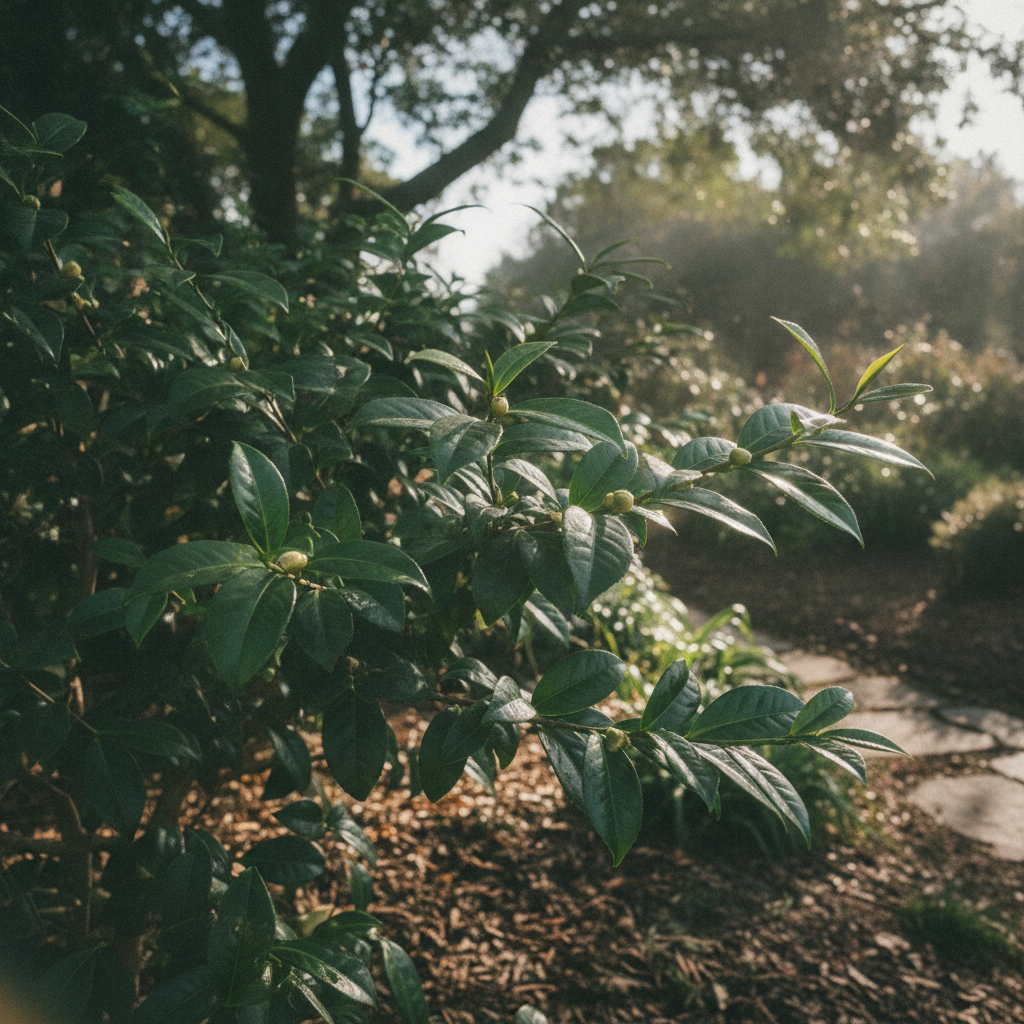

How To Grow Black Tea
Learn how to grow black tea at home: soil, climate, and the five processing steps from fresh leaf to a finished cup of black tea.

Weisheit ist der Weg zu besserem Tee.
Unsere kostenlose Brühanleitung: das richtige Wasser, die richtige Temperatur und die passende Ziehzeit für jeden Tee, den wir führen. Neue Ernten erfahren Sie zuerst.
Kein Spam. Jederzeit abbestellbar.
Sehen Sie in Ihr Postfach.
Die Anleitung ist unterwegs.