













Lapsang Souchong: Jahrhunderte der Handwerkskunst
Wenige Tees tragen so viel Geschichte in jedem Schluck wie Lapsang Souchong. Er ist der ursprüngliche Schwarztee, der Tee, mit dem alles begann. Bevor es Earl Grey gab, bevor es English Breakfast gab, bevor irgendeine der Mischungen existierte, die heute Supermarktregale füllen, gab es diesen rauchigen, kiefernduftenden Tee aus einem abgelegenen Winkel Südchinas.
Die Geschichte hinter Lapsang Souchong beginnt in den Wuyi-Bergen der Provinz Fujian, wo Bauern unter Druck ein Verfahren erfanden, das den globalen Teehandel für immer verändern sollte.

Ein Tee, geboren aus der Not
Die am weitesten verbreitete Entstehungsgeschichte verortet die Erfindung von Lapsang Souchong in der späten Ming-Dynastie, irgendwann Mitte des 17. Jahrhunderts. Soldaten, die durch die Wuyi-Berge zogen, besetzten eine Teefabrik und verzögerten die Produktion. Als die Bauern zu ihren Blättern zurückkehren konnten, hatten diese bereits weit stärker oxidiert, als es für die Grüntees üblich war, die sie normalerweise herstellten.
Diese mündliche Überlieferung ist fest in der regionalen Teegeschichte Fujians verankert — ob sie wörtlich zutrifft oder nicht, beschreibt sie treffend, wie Not zur Erfindung wird.
Vor einer ruinierten Ernte stehend, mussten die Bauern die Blätter schnell trocknen. Sie entzündeten Feuer aus lokalem Kiefernholz und hielten den Tee über den Rauch. Das Ergebnis war etwas, das niemand zuvor geschmeckt hatte: ein vollständig oxidierter Tee mit kräftigem, rauchigem Charakter.
Statt einer missratenen Charge wurde er zu einem begehrten Produkt. Händler kauften ihn. Handelsreisende brachten ihn in die Hafenstädte. Innerhalb weniger Jahrzehnte hatte er Europa erreicht.
Traditionelle und moderne Herstellung
In seiner Heimat ist authentischer Lapsang Souchong als Zhengshan Xiaozhong bekannt. „Zhengshan" bedeutet „richtiger Berg" — eine Bezeichnung, die die echte Produktion auf das Gebiet des Dorfes Tongmu in den Wuyi-Bergen beschränkt. Ein weiterer chinesischer Schwarztee mit eigenem Charakter ist der Keemun aus der Provinz Anhui.

Die traditionelle Verarbeitung umfasst das Welken der Blätter über Kiefernholzfeuern, dann das Rollen und Oxidieren, bevor eine abschließende Räucherung über glimmenden Kiefernwurzeln und -ästen folgt. Der Rauch durchdringt die Blätter langsam und baut Geschmacksschichten auf, ohne den Tee selbst zu überlagern.
Moderne Versionen variieren stark. Manche Produzenten verwenden eine leichtere Räucherung für ein subtileres Ergebnis. Andere verzichten ganz auf den Kiefernrauch und setzen auf die natürliche Süße und das Malzige des oxidierten Blattes. Bei der Auswahl für Valley of Tea ist für mich der Prozess immer gleich: sehen, riechen, aufbrühen, mehrere Aufgüsse trinken — erst danach schaue ich auf Herkunft und Verarbeitung. Wenn der Tee nicht für sich selbst spricht, zählt der Rest nicht. Für unseren Lapsang war das entscheidende Kriterium, dass der Rauch sauber bleibt und die Wuyi-Tiefe darunter nicht verdeckt.
Wie Lapsang Souchong schmeckt
Die bestimmende Note ist Rauch. In einem gut gemachten Lapsang ist dieser Rauch sauber und harzig, er trägt den Duft von Kiefernwäldern und nicht von einem Aschenbecher. Dahinter offenbart der Tee eine natürliche Süße, die an getrocknete Longanfrucht oder dunkles Karamell erinnert — dieselbe mineralische Tiefe, die ich auch in anderen Tees aus den Wuyi-Bergen finde, hier aber mit der Wärme von Rauch und Oxidation verwoben.
Manche Varianten zeigen Anklänge von getrocknetem Steinobst, Leder oder einem sanften Gewürz. Der Körper ist mittel bis voll, mit geringer Adstringenz. Zum Aufbrühen empfehle ich kochendes Wasser — 95 bis 100 Grad — und eine Ziehzeit von drei bis vier Minuten. Beim zweiten Aufguss zeigt unser Lapsang oft sogar mehr Süße als beim ersten. Sorgfältig aufgegossen, zeigt unser Lapsang Souchong genau diese Balance zwischen Kraft und Feinheit.
Wie Lapsang die westliche Teekultur prägte
Die Geschichte von Lapsang Souchong ist untrennbar mit der Geschichte des Tees im Westen verbunden. Als niederländische und portugiesische Händler im frühen 17. Jahrhundert erstmals chinesischen Tee nach Europa brachten, war Schwarztee das, was die langen Seereisen überstand. Grüntees verdarben oft während der Monate auf See. Vollständig oxidierte Tees hielten sich.
Lapsang Souchong gehörte zu den ersten Schwarztees, die England und die Niederlande erreichten. Seine Haltbarkeit und sein kräftiger Geschmack machten ihn zu praktischer Frachtware. Die europäische Vorliebe für Schwarztee, die bis heute anhält, geht zu einem wesentlichen Teil auf diese frühen Lieferungen aus Fujian zurück — auch wenn spätere Einflüsse wie indischer Assam und Ceylon die Entwicklung weiter prägten.
Kombinationen mit Speisen
Das rauchige Profil von Lapsang macht ihn zu einem starken Partner für herzhafte Gerichte. Gegrilltes und geräuchertes Fleisch ist eine natürliche Ergänzung, da der Tee die Röstaromen und das Fett aufgreift und ergänzt. Hart gereifte Käse, insbesondere Gouda oder Cheddar, passen hervorragend dazu.
Auf der süßen Seite funktioniert dunkle Schokolade mit hohem Kakaoanteil gut. Die Bitterkeit der Schokolade und der harzige Rauch finden eine gemeinsame Ebene — eine Kombination, die mich immer wieder überrascht, weil sie logisch klingt, im Glas aber noch mehr leistet als erwartet. Manche Köche verwenden aufgebrühten Lapsang auch als Zutat und verarbeiten ihn in Marinaden, Saucen und sogar Gebäck.
Lapsang Souchong ist kein Tee, der versucht, es allen recht zu machen. Er ist markant, mit einem Geschmack, der starke Reaktionen hervorruft. Aber für diejenigen, die ihn schätzen, bieten wenige Tees so viel Charakter und Geschichte in einer einzigen Tasse. Entdecke unseren Lapsang Souchong, um diese Tradition selbst zu erleben.
Schreiben Sie einen Kommentar
Kommentare werden vor der Veröffentlichung genehmigt.
Vollständigen Artikel anzeigen
The Complete Guide to Drinking Tea
What tea is, how the main types differ in the cup, and how to brew each one properly. Water temperature, steeping times, storage and how to get more than one cup from your leaves.
Vollständigen Artikel anzeigen
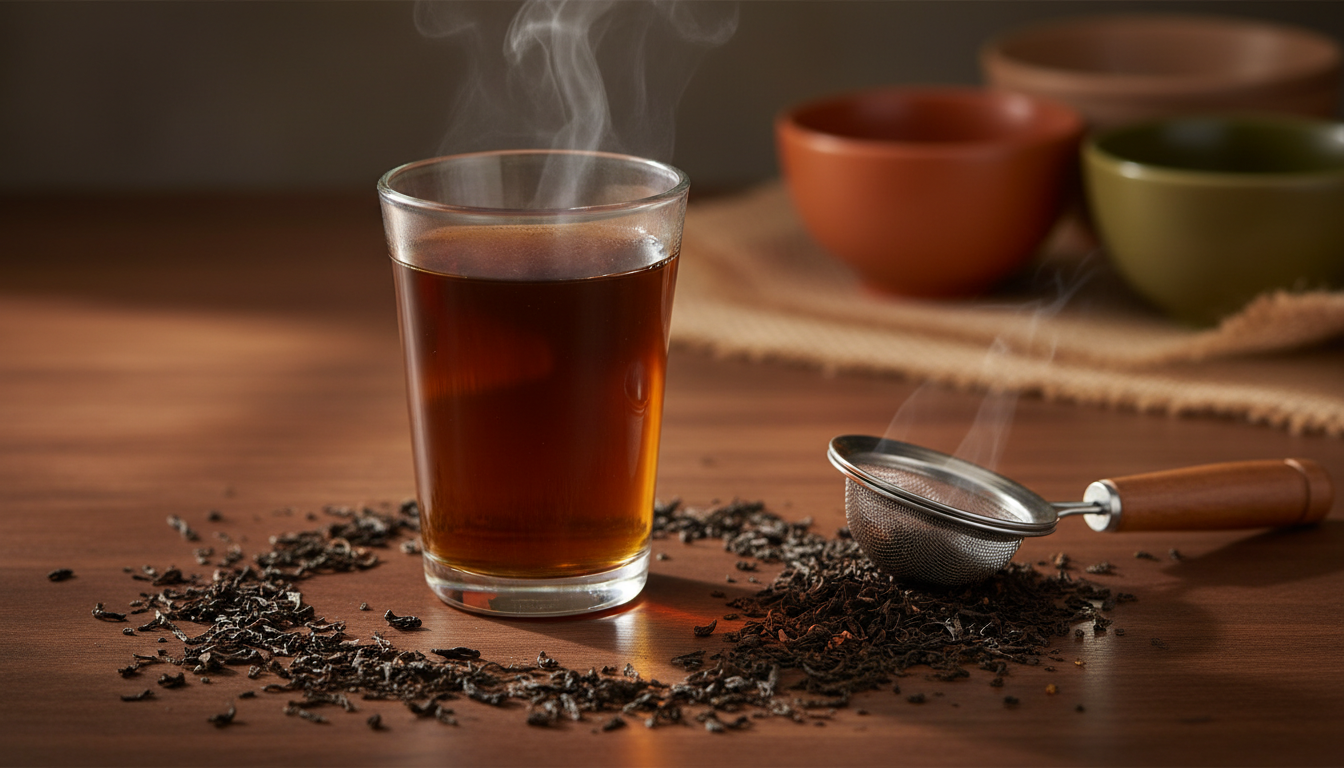

Schwarztee: Sorten, Herstellung, Zubereitung
Schwarztee ist vollständig oxidierter Tee aus der Camellia sinensis. Vergleiche Assam, Darjeeling, Keemun, Ceylon und Dian Hong. Erfahre mehr über Herstellung, Zubereitung und Koffeingehalt.
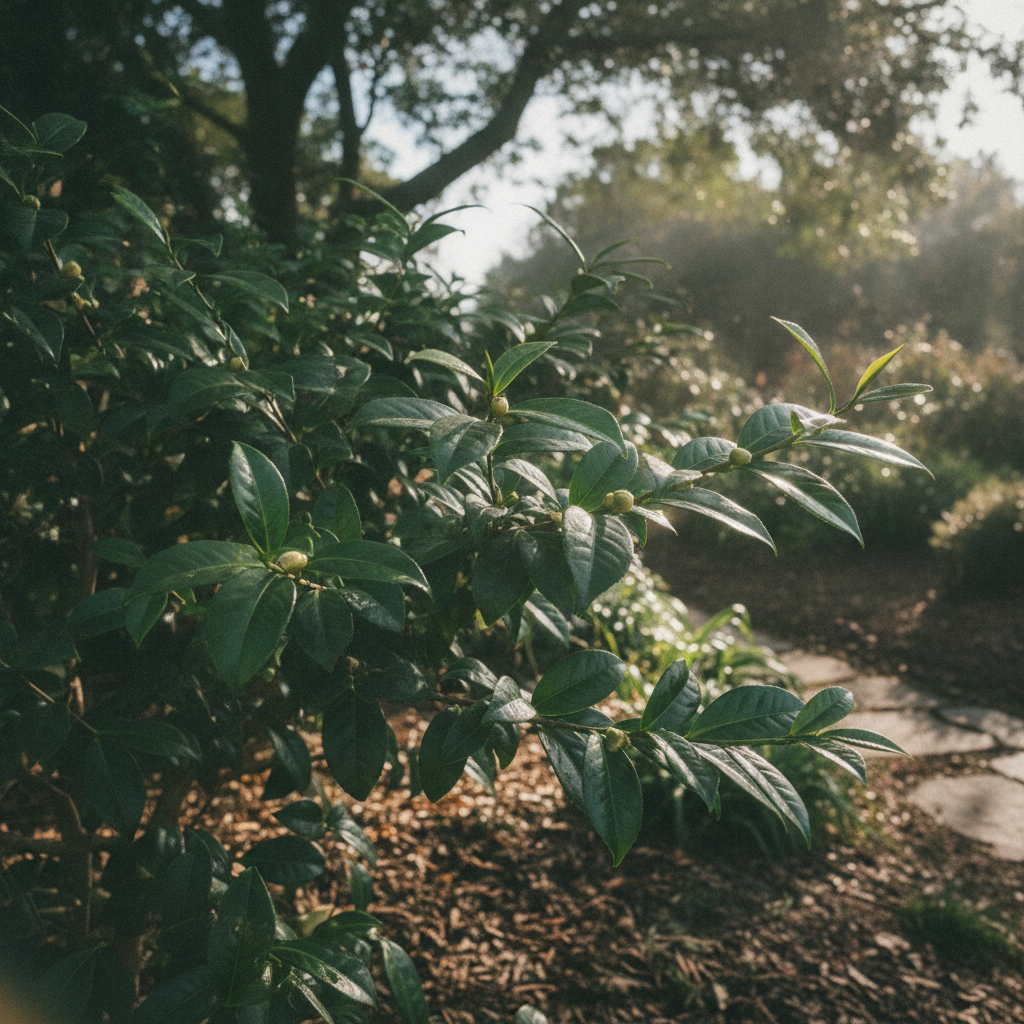

How To Grow Black Tea
Learn how to grow black tea at home: soil, climate, and the five processing steps from fresh leaf to a finished cup of black tea.

Weisheit ist der Weg zu besserem Tee.
Unsere kostenlose Brühanleitung: das richtige Wasser, die richtige Temperatur und die passende Ziehzeit für jeden Tee, den wir führen. Neue Ernten erfahren Sie zuerst.
Kein Spam. Jederzeit abbestellbar.
Sehen Sie in Ihr Postfach.
Die Anleitung ist unterwegs.