













What Is Valley of Tea Hojicha Tea?
Most Japanese green teas are defined by what producers try to preserve: colour, freshness, amino acids. Hojicha takes the opposite approach. It starts with green tea leaves and then deliberately roasts them at high temperature, transforming them into something entirely different — a tea that is brown, nutty, low in caffeine, and unlike anything else in the Japanese tea canon.
At Valley of Tea, we source our hojicha directly from Japan. We have worked with Japanese producers long enough to know that hojicha quality varies enormously, and that the best examples bear no resemblance to the dusty, generic versions that fill most supermarket shelves. This guide covers what hojicha actually is, how it is made, what it tastes like, and how to get the most out of it.

What Is Hojicha
Hojicha is a roasted Japanese green tea. The name itself tells you exactly what it is: "hoji" means roast, "cha" means tea. It was first produced in Kyoto in the 1920s when a tea merchant began roasting leftover bancha (late-harvest green tea) leaves over charcoal to extend their shelf life. The result tasted good enough to become its own category. Kyoto remains the region most closely associated with hojicha — it is where the style was refined, and where you still find some of the most well-regarded producers.
What makes hojicha unusual within Japanese tea is that it defies the typical emphasis on green colour and fresh, vegetal flavours. Where Sencha and Gyokuro aim for vivid green liquors and grassy sweetness, hojicha produces a reddish-brown brew with a warm, toasted character. It occupies a completely different space on the flavour spectrum.
Hojicha can be made from various base materials. The most common are bancha leaves, but producers also roast Sencha, kukicha (stem tea), or even the large leaves and stems trimmed during the production of higher-grade teas. The choice of base material matters — it determines the body, sweetness, and complexity of the finished hojicha. Our hojicha is made from Sencha or bancha leaves, roasted to a medium level — enough to develop the characteristic warmth without tipping into ashy territory.
In Japan, hojicha is an everyday tea. It is served in restaurants after meals, given to children, and drunk throughout the day including the evening because of its low caffeine content. It does not carry the prestige of Gyokuro or first-flush Sencha, but that modesty is part of its appeal. Hojicha is approachable, versatile, and difficult to brew badly.

How Hojicha Is Made
The roasting process is what separates hojicha from every other Japanese tea. After the base tea has been produced through the standard steaming, rolling, and drying process, it goes through a high-temperature roast that fundamentally alters its chemical composition and flavour.
Traditional hojicha roasting uses a porcelain pot called a "houroku" over charcoal, heated to approximately 200°C. The tea master monitors the leaves by sight, smell, and sound — the leaves crackle and pop as moisture escapes, and the colour shifts from green to golden brown. The entire roasting step takes only a few minutes. Timing is everything. Under-roasting produces a tea that tastes grassy and unfinished. Over-roasting creates something ashy and hollow.
Modern production uses rotating drum roasters that can process larger volumes with more consistent results. The temperature range remains roughly the same: 180°C to 230°C depending on the producer and the desired roast level. Some producers do a lighter roast to preserve more of the original tea character. Others push it darker for a more pronounced toasty flavour.
During roasting, several things happen at the molecular level. The Maillard reaction — the same reaction that browns bread, coffee, and roasted meat — generates the characteristic nutty, caramel-like aroma compounds. At the same time, caffeine sublimes (turns directly from solid to gas) and escapes the leaf, which is why hojicha ends up with significantly less caffeine than unroasted green teas. The catechins that cause astringency in green tea also break down, which is why hojicha tastes smoother and less bitter than Sencha.

The roasting also destroys chlorophyll, which is why hojicha leaves are brown rather than green, and why the brewed liquor is reddish-brown instead of the pale green or gold associated with other Japanese teas.
What Hojicha Tastes Like
Hojicha tastes warm. That is the most accurate single-word description. Where Sencha is bright and sharp, hojicha is mellow and enveloping.
The dominant flavour notes are toasted grain, roasted nuts, and caramel. Depending on the base tea and the roast level, you may also find notes of cocoa, toasted rice, dried wood, or brown sugar. There is very little astringency and almost no bitterness — the roasting has eliminated the compounds responsible for both.
A medium roast, which is where most quality hojicha sits, gives you the full caramel warmth without the flatness that comes from pushing the roast too far. I find this is the level that keeps the character of the base tea legible while still delivering that distinctive toasty sweetness.

The body is light to medium. Hojicha does not coat the mouth the way a rich oolong or aged pu-erh does, but it has more presence than a typical light green tea. There is a pleasant dryness on the finish, clean and uncomplicated.
One of the most striking things about hojicha is its aroma. When you open a packet of good hojicha, the smell is immediate and inviting — roasted and warm, with something that reminds many people of fresh coffee or toasted barley. The aroma during brewing fills the room. Even people who do not typically enjoy green tea tend to find hojicha's scent appealing.
Hojicha made from stems (kukicha-based hojicha, sometimes called "kuki hojicha") tends to be lighter and sweeter than leaf-based versions. It has a cleaner, more delicate profile. Leaf-based hojicha from bancha has more depth and a stronger roasted character. Neither is superior — they are simply different expressions.
Hojicha vs Other Japanese Green Teas
If your frame of reference for Japanese tea is Sencha or matcha, hojicha will surprise you. Here is how it compares.

Hojicha vs Sencha
Sencha is steamed, rolled, and dried — never roasted. It tastes fresh, vegetal, sometimes grassy or marine. Hojicha has none of those characteristics. The roasting transforms the flavour profile completely. Sencha demands careful brewing with precise temperature control. Hojicha is far more forgiving.
Hojicha vs Matcha
Matcha is shade-grown, stone-ground into a fine powder, and consumed whole. It is intensely concentrated, rich in L-theanine, and high in caffeine. Hojicha is essentially the opposite in every dimension: roasted instead of shaded, brewed and strained rather than consumed as powder, and very low in caffeine. Matcha is a focused, energising experience. Hojicha is relaxed and calming.
Hojicha vs Genmaicha
Genmaicha is green tea blended with roasted rice, which gives it a toasty, popcorn-like quality. Hojicha gets a similar warmth, but from roasting the tea leaf itself rather than from a rice addition. Hojicha is smoother, while genmaicha retains more of the underlying green tea astringency.
Hojicha vs Gyokuro
Gyokuro is Japan's most prized green tea — shade-grown for three weeks before harvest, intensely umami, and brewed at very low temperatures. Hojicha and Gyokuro occupy opposite ends of the Japanese tea spectrum. Gyokuro is about maximal complexity and refinement. Hojicha is about comfort and simplicity.

The point is not that hojicha is better or worse than these teas. It serves a different purpose. It is the tea you reach for when you want something warm and uncomplicated, especially later in the day when caffeine is a concern.
How to Brew Hojicha
Hojicha is one of the most forgiving teas to brew. It tolerates a wide range of temperatures and steep times without becoming bitter. That said, good technique still improves the result.
Water Temperature
90°C to 100°C. Unlike Sencha, which requires water well below boiling, hojicha handles high temperatures without turning bitter. The roasting has already broken down the catechins that cause astringency in green tea, so there is no penalty for using hot water. Freshly boiled water works fine.
Leaf Quantity
4 to 5 grams per 200 ml of water. Hojicha leaves are typically larger and lighter than Sencha leaves, so you may need a slightly bigger scoop by volume. A kitchen scale removes the guesswork.

Steep Time
30 to 60 seconds. Hojicha extracts quickly because the roasting has already broken down the leaf structure. A 30-second steep gives you a lighter, more aromatic cup. Sixty seconds produces a fuller body with more roasted depth. Even at 90 seconds, hojicha rarely becomes unpleasant — it simply gets stronger.
Multiple Infusions
Hojicha gives you two to three good infusions. The second steep is often very close in quality to the first. Use the same temperature and add ten to fifteen seconds to the steep time.
Teaware
Any teapot works. A kyusu is traditional but not necessary. Hojicha is also excellent brewed directly in a mug with a simple basket infuser. Cold-brew hojicha works well too — steep 8 to 10 grams per litre of cold water in the refrigerator for six to eight hours. The cold-brewed version is lighter but retains the toasty sweetness.
Hojicha Latte
Hojicha lattes have become popular in cafes worldwide, and for good reason. The roasted, caramel-like flavour of hojicha pairs naturally with milk in a way that most green teas do not.

To make a hojicha latte at home, you need a concentrated hojicha brew. Use 6 to 8 grams of hojicha steeped in 100 ml of water at 95°C for 60 seconds. This gives you a strong base that will not disappear when you add milk.
Heat 150 to 200 ml of milk (dairy or oat milk both work well) and froth it if you have a frother. Pour the concentrated hojicha into a cup, add the frothed milk, and stir. You can sweeten it lightly if you like — a small amount of honey or simple syrup complements the roasted notes — but taste it without sweetener first. Good hojicha has enough natural sweetness that many people prefer it unsweetened.
The reason hojicha works so well in lattes is the same reason it works so well on its own: the roasting has removed the astringency and grassiness that make most green teas clash with milk. What remains is smooth, warm, and naturally compatible with dairy.
Some producers now make hojicha powder specifically for lattes. This is hojicha ground into a fine powder, similar in format to matcha but completely different in flavour. It dissolves directly into milk, which simplifies preparation. The quality varies — look for powder made from actual tea leaves rather than stems, and avoid products with added sugar or artificial flavouring.

Hojicha and Caffeine
Hojicha contains less caffeine than virtually any other true tea. A standard cup brewed from 4 grams of leaf contains approximately 7 to 15 mg of caffeine. For comparison, Sencha delivers 30 to 50 mg, matcha around 60 to 70 mg, and a cup of coffee 80 to 120 mg.
The low caffeine content is a direct result of the roasting process. Research on roasted Japanese green tea confirms that roasting at high temperatures reduces caffeine levels significantly, as caffeine sublimes above 178°C. The base material also plays a role — bancha leaves used for most hojicha are harvested later in the season when the caffeine content is already lower than in spring-harvest teas.
This makes hojicha a practical choice for evening drinking, for people who are sensitive to caffeine, and for children. In Japan, hojicha is commonly served to children and elderly people precisely because of its mild caffeine content and gentle flavour.
Be aware that hojicha is not caffeine-free. It still contains a small amount. If you need to avoid caffeine entirely, hojicha is not the answer. But if you are looking for a true tea that you can drink in the evening without affecting your sleep, hojicha is the best option in the Japanese tea category.

Buying Quality Hojicha
Most hojicha available outside Japan is made from the lowest-grade bancha, roasted aggressively to mask the quality of the base tea. It tastes flat, ashy, and one-dimensional. This is the hojicha equivalent of instant coffee — it technically qualifies, but it misses the point.
Good hojicha starts with good base material. Hojicha made from decent bancha or from kukicha stems will have more sweetness, more complexity, and a cleaner finish than hojicha made from leftover sweepings. Some producers make premium hojicha from first-flush Sencha leaves, which adds a layer of richness and depth not found in standard versions.
Look for hojicha that was roasted relatively recently. Like coffee, hojicha's aromatic compounds degrade over time. A freshly roasted hojicha smells alive and inviting when you open the packet. Old hojicha smells muted and stale. Buying from a source with direct relationships to Japanese producers — rather than from a distributor with unknown storage conditions — makes a meaningful difference.
Whole-leaf hojicha generally outperforms broken or powdered versions for standard brewing. The leaves should be intact enough to see their shape — if the packet contains nothing but dust and fragments, that is a sign of low-quality production.
At Valley of Tea, we source hojicha directly from producers in Japan. We know the provenance and the roast date, and we store it properly. The difference between fresh, well-sourced hojicha and the generic product that dominates the market is immediately obvious in the cup.
When we work through potential suppliers, we taste against what we already carry. The low-grade options are easy to identify — flat, one-dimensional, with an ashy aftertaste that signals an over-roasted base. What we stock is the opposite: a medium-roast hojicha from Sencha or bancha that smells alive when you open the bag and has real depth in the cup.
Conclusion
Hojicha stands apart in the Japanese tea world. It has no interest in being bright, green, or delicate. It is warm, toasted, and unpretentious — a tea that works in the morning, after dinner, and everywhere in between.
Its low caffeine content makes it one of the few true teas you can drink late in the day without consequences. Its forgiving brewing parameters mean you do not need a thermometer or a timer to make a good cup. And its naturally smooth, nutty flavour pairs with milk as easily as it stands on its own.
If your experience of Japanese tea has been limited to Sencha and matcha, hojicha is worth exploring. It will not replace those teas — it occupies different territory entirely. But it will almost certainly earn a permanent place in your rotation.
Schreiben Sie einen Kommentar
Kommentare werden vor der Veröffentlichung genehmigt.
Vollständigen Artikel anzeigen
The Complete Guide to Drinking Tea
What tea is, how the main types differ in the cup, and how to brew each one properly. Water temperature, steeping times, storage and how to get more than one cup from your leaves.
Vollständigen Artikel anzeigen

Schwarztee: Sorten, Herstellung, Zubereitung
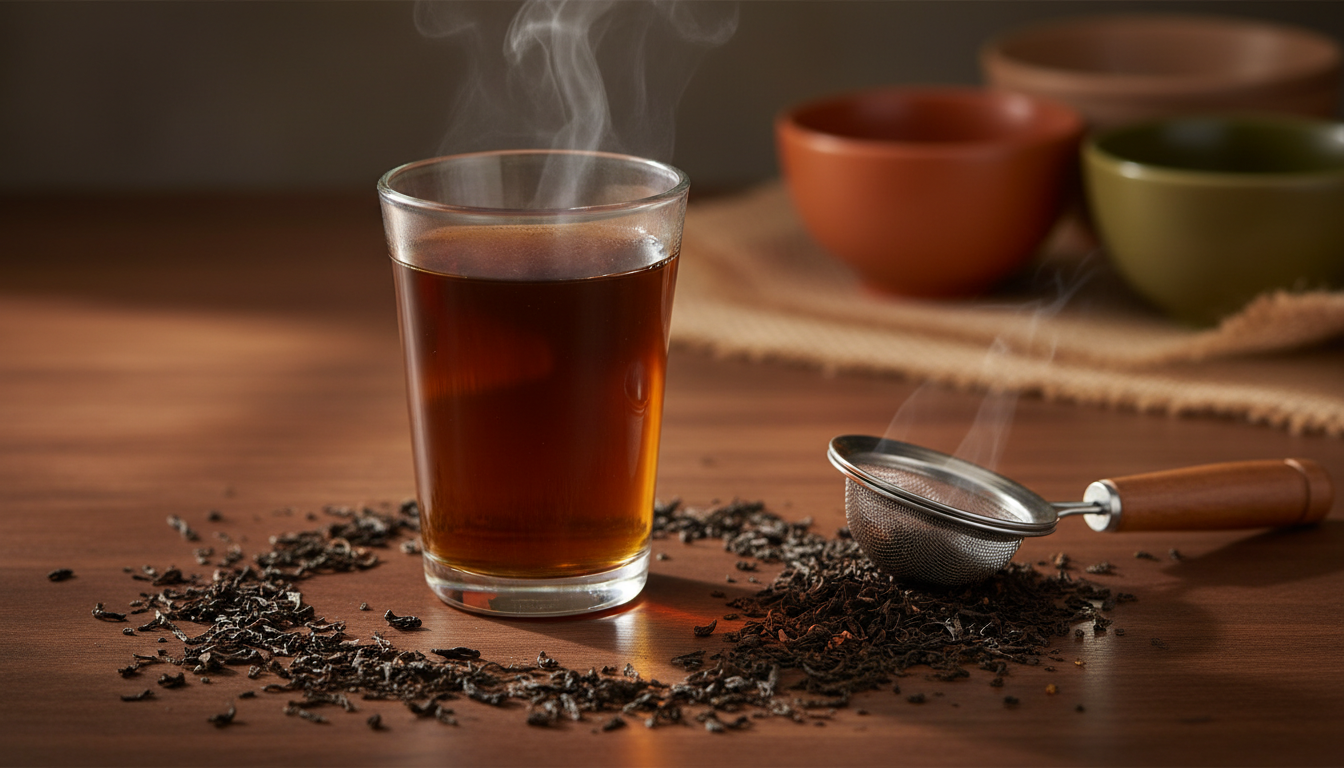
Black tea is fully oxidized Camellia sinensis. Compare Assam, Darjeeling, Keemun, and Ceylon varieties. Learn processing, brewing, and caffeine levels.
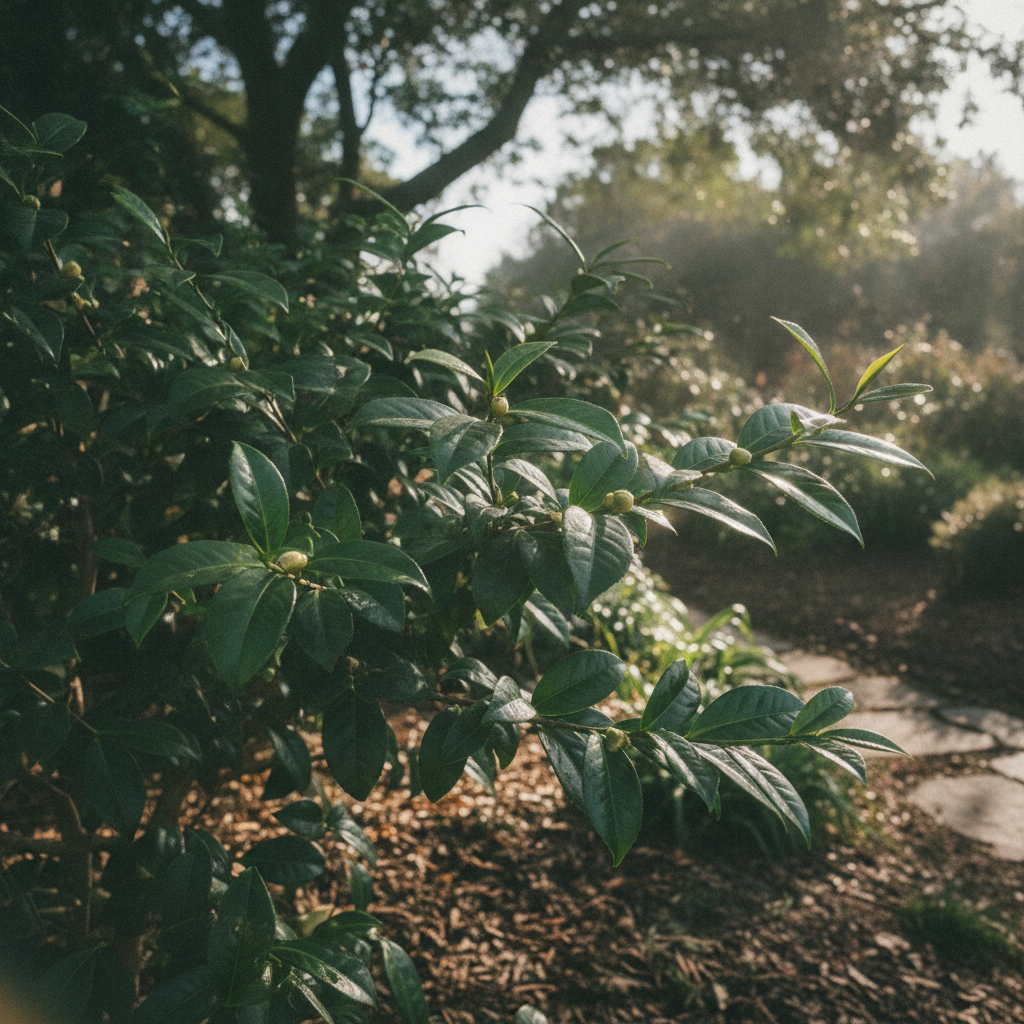

How To Grow Black Tea
Learn how to grow black tea at home: soil, climate, and the five processing steps from fresh leaf to a finished cup of black tea.

Weisheit ist der Weg zu besserem Tee.
Unsere kostenlose Brühanleitung: das richtige Wasser, die richtige Temperatur und die passende Ziehzeit für jeden Tee, den wir führen. Neue Ernten erfahren Sie zuerst.
Kein Spam. Jederzeit abbestellbar.
Sehen Sie in Ihr Postfach.
Die Anleitung ist unterwegs.