












How To Make Eucalyptus Tea
Eucalyptus tea has a sharp, camphor-like menthol flavour that clears the sinuses before the first sip hits your throat. It is one of the few teas where the aroma does as much work as the liquid itself. Brewed correctly, it is clean, slightly sweet, and intensely refreshing. Brewed carelessly, it tastes like a medicine cabinet.
At Valley of Tea, we have been sourcing and tasting teas for over fifteen years. This guide draws on that experience.

This guide covers the basic hot brew, two flavour-pairing variations, a steam inhalation method, and the mistakes that ruin most cups of eucalyptus tea. Specific measurements, temperatures, and times throughout.
What You Need
Eucalyptus tea requires very little equipment, but the quality of the leaves matters more than with most herbal teas.
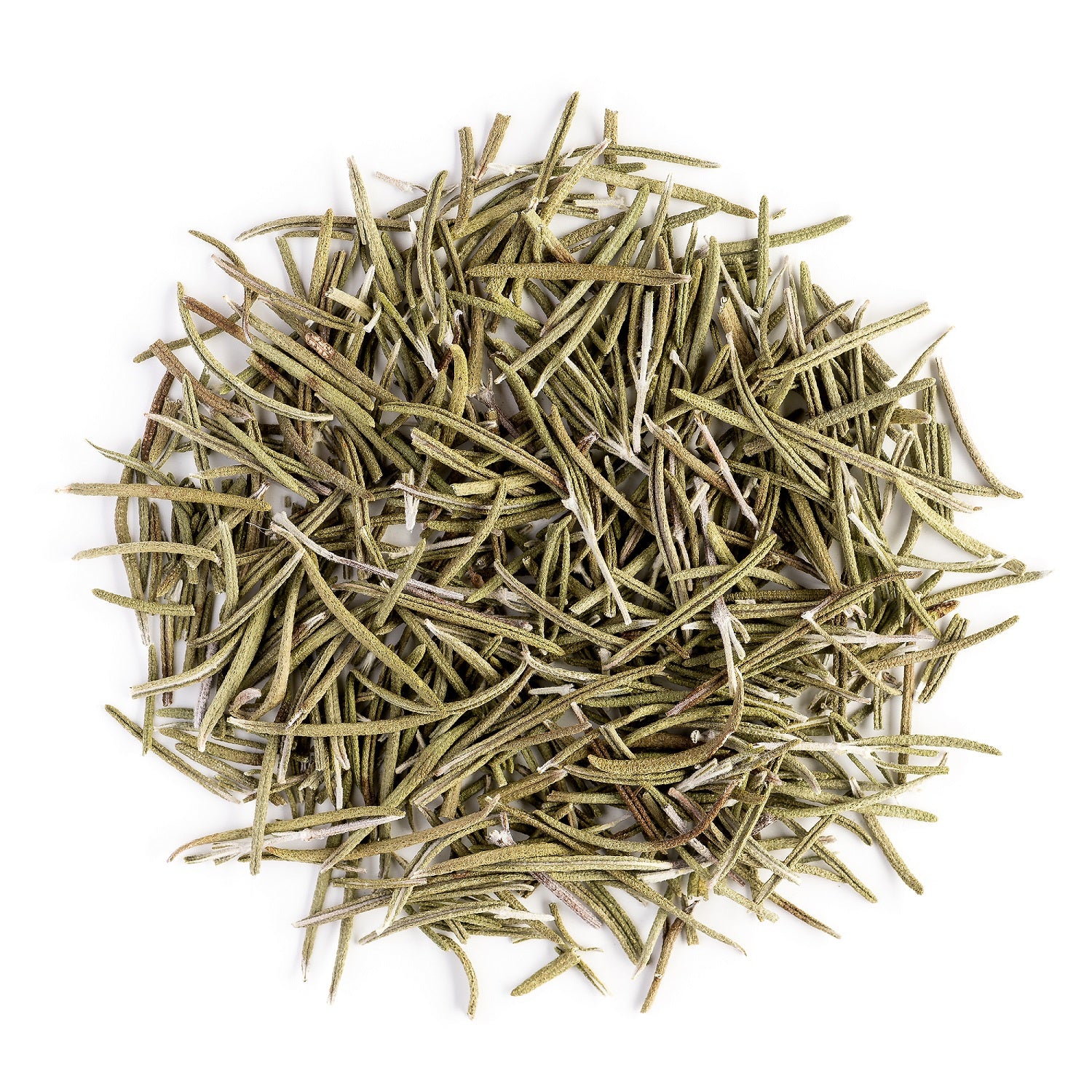
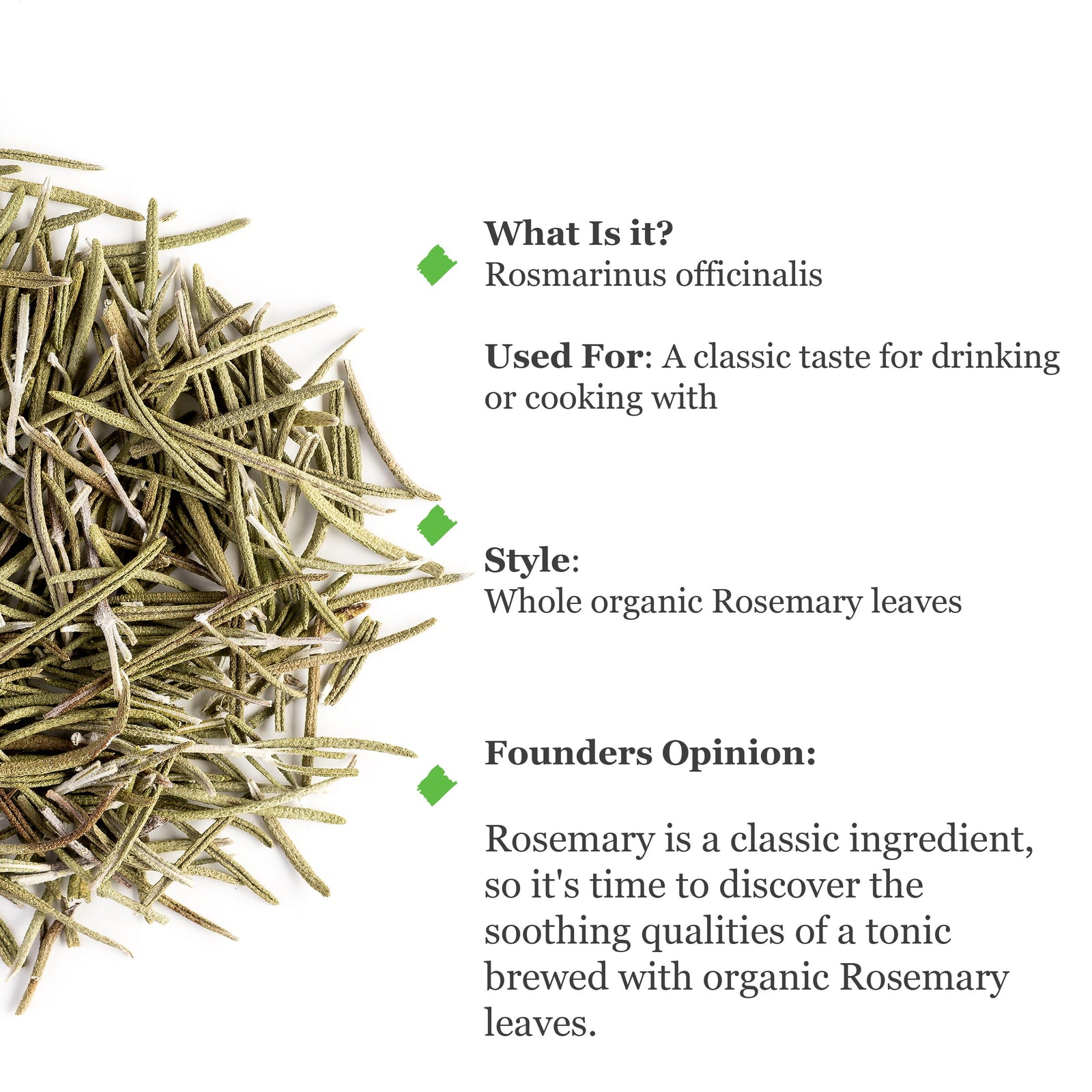
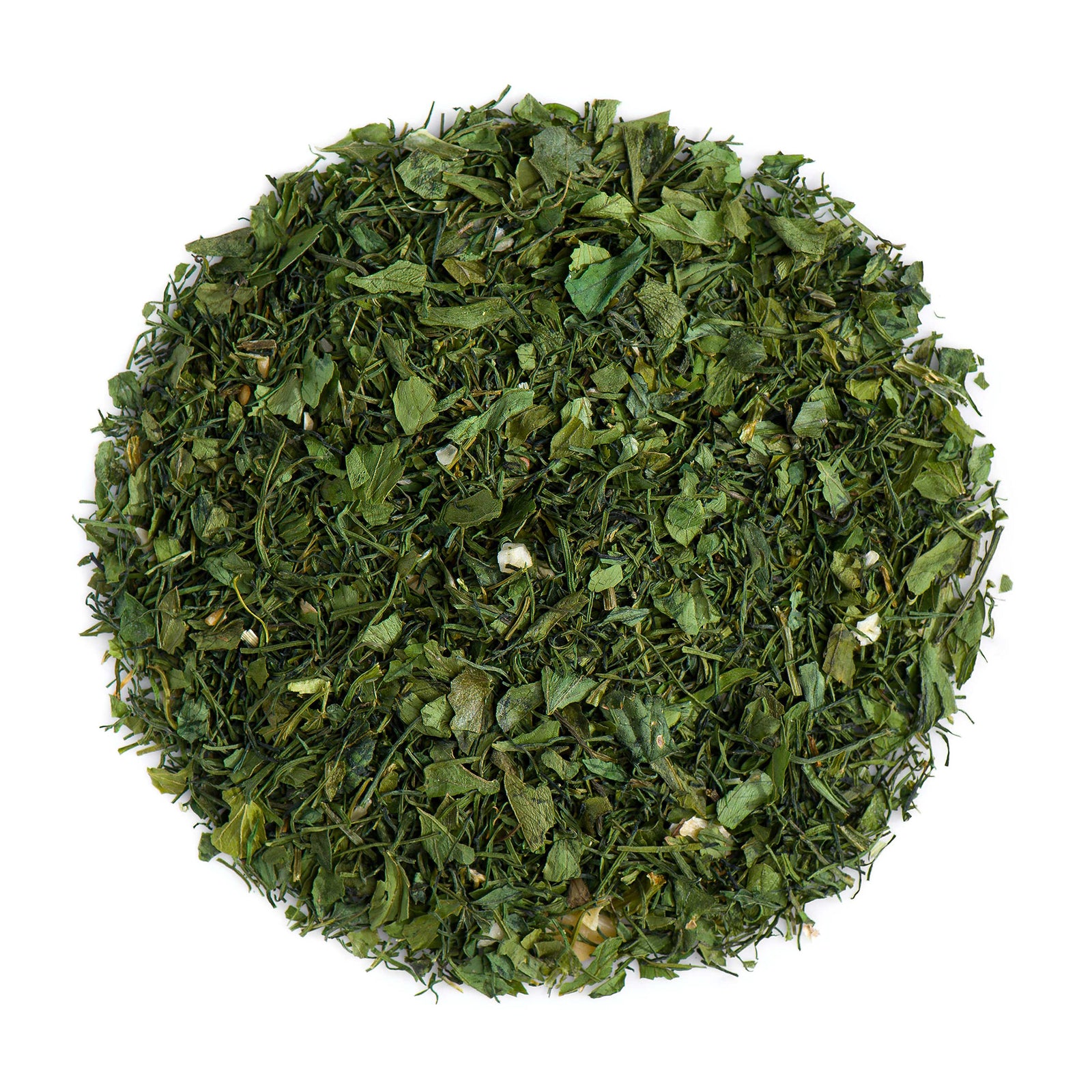
Dried eucalyptus leaves: This is the only ingredient that can go wrong before you even start brewing. Use food-grade dried eucalyptus leaves from a reputable supplier. The species you want is Eucalyptus globulus, sometimes labelled as Blue Gum eucalyptus. This is the species with the highest concentration of eucalyptol (1,8-cineole), the compound responsible for that distinctive cooling, clearing sensation. Research published in Drug Research confirms that 1,8-cineole has well-documented anti-inflammatory properties in the airways.
Other eucalyptus species exist, but Eucalyptus globulus is the standard for culinary and tea use. We source ours from Portugal, which produces excellent quality dried eucalyptus leaf — the aroma is immediate and strong, the way it should be.
Water: Filtered or spring water. Eucalyptus tea is delicate enough that heavily chlorinated tap water will interfere with the flavour. If your water tastes clean on its own, it will work fine.

A kettle: You need water at a full rolling boil — 100 degrees Celsius. Eucalyptus leaves are tough and woody. They need aggressive heat to release their essential oils properly. Unlike green tea or white tea, there is no risk of scalding here. Full boil, every time.
A teapot or infuser with a lid: The lid is important. Eucalyptus releases volatile aromatic compounds during steeping, and those compounds are a significant part of the experience. Brewing without a lid lets the best part of the tea escape as steam. A teapot with a lid, a covered mug, or even a small plate placed over an open cup all work.
A timer: Steeping time matters. Under-steeped eucalyptus tea tastes like slightly flavoured hot water. Over-steeped eucalyptus tea becomes bitter and overwhelmingly medicinal.
Safety Note
Not all eucalyptus is safe to consume. This is worth stating clearly because eucalyptus is widely sold as a decorative plant, in essential oil form, and as dried bundles for showers and crafts — none of which are food-grade.
Use only dried eucalyptus leaves explicitly sold for culinary or tea use. The packaging should specify Eucalyptus globulus and should state that the product is food-grade or suitable for consumption.

Do not brew tea from eucalyptus essential oil — concentrated eucalyptus oil is toxic when ingested, even in small amounts. Do not use decorative eucalyptus from a florist or craft store. These are often treated with preservatives and dyes.
If you are pregnant, breastfeeding, or taking medication, consult your doctor before drinking eucalyptus tea. Eucalyptol can interact with certain medications, particularly those processed by the liver. A systematic review of the genus Eucalyptus covering 103 studies confirms broad therapeutic potential alongside these important safety considerations.
For most healthy adults, one to two cups of properly brewed eucalyptus tea per day is considered safe and well within traditional usage norms.
Basic Hot Eucalyptus Tea
This is the foundation. A clean, straightforward brew that highlights the eucalyptus flavour without anything competing with it.
-
Boil your water. Bring fresh water to a full rolling boil at 100 degrees Celsius. Do not let it cool before pouring. Eucalyptus leaves need the full heat.

Measure the leaves. Add 1 to 2 teaspoons of dried eucalyptus leaves per 250 ml of water. Start with 1 teaspoon if this is your first time — eucalyptus is potent and you can always increase the amount on your next brew. Two teaspoons produces a strong, intensely aromatic cup.
Pour and cover immediately. Pour the boiling water over the leaves and put the lid on right away. Those first seconds of contact release the most volatile aromatic compounds. Trapping them under the lid keeps them in the tea instead of in the air.
Steep for 5 to 7 minutes. This is a longer steep than most teas, and the leaves need it. At 5 minutes you get a lighter, more aromatic cup. At 7 minutes the body fills out and the eucalyptol flavour becomes more pronounced. Do not go beyond 8 minutes — the bitterness that develops past that point does not add anything useful.
Strain and serve. Remove the leaves or pour through a strainer. The tea should be a pale golden-green colour with a strong eucalyptus aroma. Drink it while it is hot — the aromatic compounds fade as the tea cools, and a cold cup of eucalyptus tea is not particularly pleasant.
This basic brew is excellent on its own. The flavour is clean and the menthol-like cooling effect lingers in the throat for several minutes after drinking. If you find it too intense, reduce the leaf quantity rather than the steeping time.

Eucalyptus-Mint Blend
Mint is the most natural pairing for eucalyptus. Both contain menthol-related compounds, and together they amplify the cooling, clearing effect without either one overpowering the other. It is a classic combination — one we stock and recommend without hesitation.
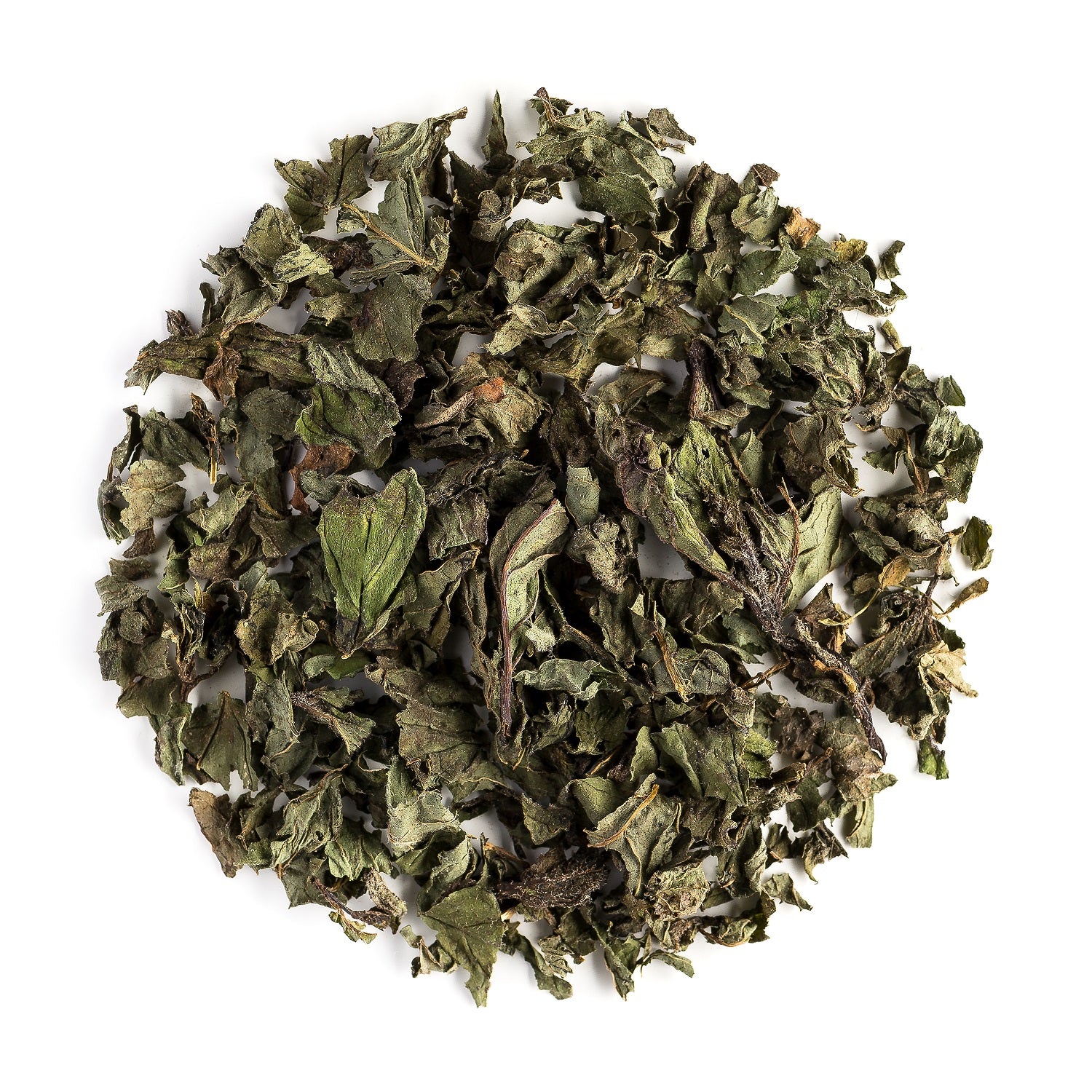
Measure the blend. Use 1 teaspoon of dried eucalyptus leaves and 1 teaspoon of dried peppermint leaves per 250 ml of water. Peppermint works better here than spearmint — its sharper menthol profile matches the eucalyptus. Spearmint is sweeter and muddies the flavour.
Brew as above. Full boil, pour, cover, and steep for 5 to 7 minutes. The mint will release its flavour faster than the eucalyptus, but the shared steeping time works well for the blend.
Strain and serve. The result is a double-menthol effect that is particularly effective when you have a cold or congestion. It is also simply a good-tasting tea on a winter evening.
For an iced version, brew the blend at double strength (2 teaspoons of each per 250 ml), steep for the full 7 minutes, strain, and pour over ice. The mint holds up to cooling better than the eucalyptus alone.

Eucalyptus-Honey-Lemon
This is the variation most people reach for when they are fighting a cold, and for good reason. The honey coats the throat, the lemon adds brightness and vitamin C, and the eucalyptus does its clearing work underneath.
Brew a basic eucalyptus tea. Follow the method above with 1 to 2 teaspoons of leaves per 250 ml of water, steeped for 5 to 7 minutes.
Add honey after steeping. Stir in 1 to 2 teaspoons of honey once the tea is brewed and strained. Add the honey to the cup, not the teapot — you want to control the sweetness per serving. Raw honey is preferred if you have it, but any honey works. The key is to add it after brewing, not during. Boiling water destroys some of the beneficial enzymes in raw honey.
Add lemon. Squeeze half a lemon into the cup, or add 1 to 2 tablespoons of fresh lemon juice. Drop the squeezed lemon half into the cup if you want a stronger citrus flavour. The acidity of the lemon brightens the entire cup and prevents the honey from making it cloying.
-
Stir and drink hot. This blend does not improve as it cools. Drink it while the steam is still rising and the eucalyptus aroma is at full strength.

Steam Inhalation While Brewing

One of the underused advantages of making eucalyptus tea is the steam itself. When you pour boiling water over eucalyptus leaves, the rising steam carries eucalyptol directly into your nasal passages and airways. You can make this intentional.
After pouring the water over the leaves, lean over the open teapot or cup at a comfortable distance — roughly 20 to 30 centimetres from the surface. Drape a towel over your head and the vessel to create a loose tent that traps the steam. Breathe slowly and deeply through your nose for 2 to 3 minutes.
Then cover the vessel and let the tea finish steeping for the remaining time. You get the inhalation benefit and a properly brewed cup of tea from the same batch of leaves.
This is particularly useful during cold and flu season. The eucalyptol in the steam acts as a natural decongestant, helping to loosen mucus and open the airways. Research published in Viruses (2022) confirms that eucalyptus essential oil compounds have demonstrated antiviral and antimicrobial activity. It is not a substitute for medical treatment, but as a complementary measure it is hard to beat.
Common Mistakes

Using essential oil instead of dried leaves
This is dangerous, not just a flavour problem. Eucalyptus essential oil is highly concentrated and toxic when ingested. Never add drops of essential oil to hot water and drink it.

Brewing without a lid
The aromatic compounds that make eucalyptus tea distinctive are volatile. Without a lid, they escape as steam and you are left with a flat, mildly bitter liquid that barely tastes like eucalyptus.
Steeping too long
Anything beyond 8 minutes pulls excessive tannins and bitter compounds from the leaves. The tea becomes astringent and unpleasantly medicinal. Set a timer.
Using too much leaf
More than 2 teaspoons per cup produces a brew that is overwhelming rather than refreshing. Eucalyptus is not a tea you make stronger by adding more leaves — the intensity curve flattens quickly and the bitterness curve does not.
Letting it cool before drinking
Eucalyptus tea is a hot beverage. The aromatic experience, the throat-coating effect, and the sinus-clearing benefit all depend on temperature. A lukewarm cup of eucalyptus tea delivers maybe a third of what a hot cup does.
Using non-food-grade leaves
Decorative eucalyptus, eucalyptus bundles sold for shower use, and florist eucalyptus are not safe for consumption. Buy from a food or tea supplier, and confirm the species is Eucalyptus globulus.
Quick Reference
| Parameter | Value |
|---|---|
| Leaf quantity | 1–2 tsp per 250 ml |
| Water temperature | 100 degrees Celsius (full boil) |
| Steeping time | 5–7 minutes |
| Lid required | Yes — always cover while steeping |
| Species | Eucalyptus globulus (Blue Gum) |
| Daily limit | 1–2 cups for most adults |
| Mint blend ratio | 1 tsp eucalyptus + 1 tsp peppermint |
| Honey | 1–2 tsp, added after brewing |
| Lemon | Juice of half a lemon per cup |
Eucalyptus tea is one of the most functional teas you can brew at home. It clears congestion, soothes the throat, and has a flavour profile unlike anything else in the herbal tea world. The method is simple — boiling water, dried leaves, a lid, and a timer. Get those four things right and the tea does the rest.
Schreiben Sie einen Kommentar
Kommentare werden vor der Veröffentlichung genehmigt.
Vollständigen Artikel anzeigen
The Complete Guide to Drinking Tea
What tea is, how the main types differ in the cup, and how to brew each one properly. Water temperature, steeping times, storage and how to get more than one cup from your leaves.
Vollständigen Artikel anzeigen

Schwarztee: Sorten, Herstellung, Zubereitung
Black tea is fully oxidized Camellia sinensis. Compare Assam, Darjeeling, Keemun, and Ceylon varieties. Learn processing, brewing, and caffeine levels.

How To Grow Black Tea
Learn how to grow black tea at home: soil, climate, and the five processing steps from fresh leaf to a finished cup of black tea.

Weisheit ist der Weg zu besserem Tee.
Unsere kostenlose Brühanleitung: das richtige Wasser, die richtige Temperatur und die passende Ziehzeit für jeden Tee, den wir führen. Neue Ernten erfahren Sie zuerst.
Kein Spam. Jederzeit abbestellbar.
Sehen Sie in Ihr Postfach.
Die Anleitung ist unterwegs.