













Spearmint Tea: 5 Refreshing Reasons to Love Its Flavor
Spearmint tea is a caffeine-free herbal infusion made from the leaves of Mentha spicata, a milder, sweeter relative of peppermint. It gets overshadowed by its more aggressive cousin, but that undersells it. Mentha spicata produces a gentler cup with a chemical profile all its own. Where peppermint hits you with menthol, spearmint leads with carvone, a compound that gives it that characteristic mild coolness without the sharp bite.
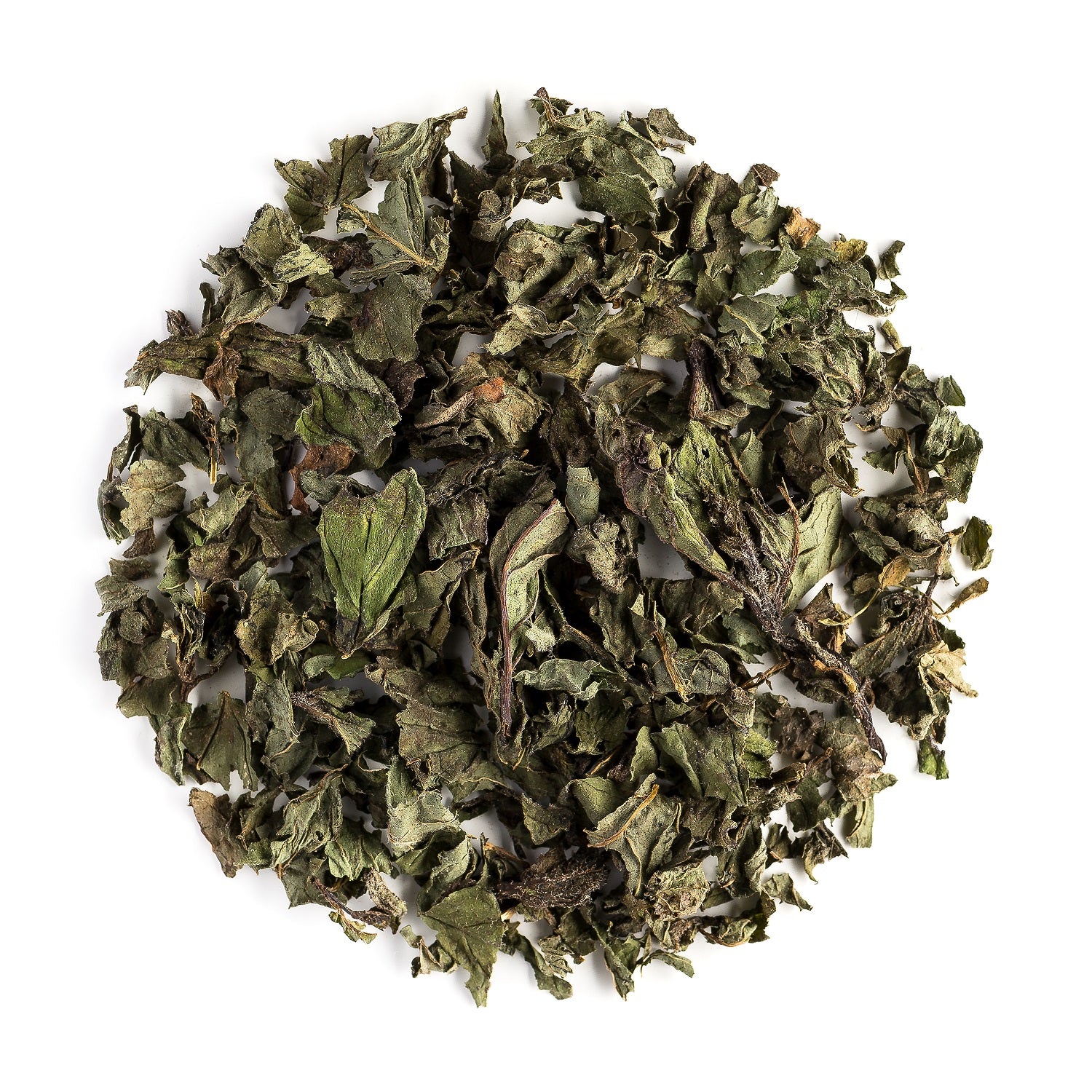
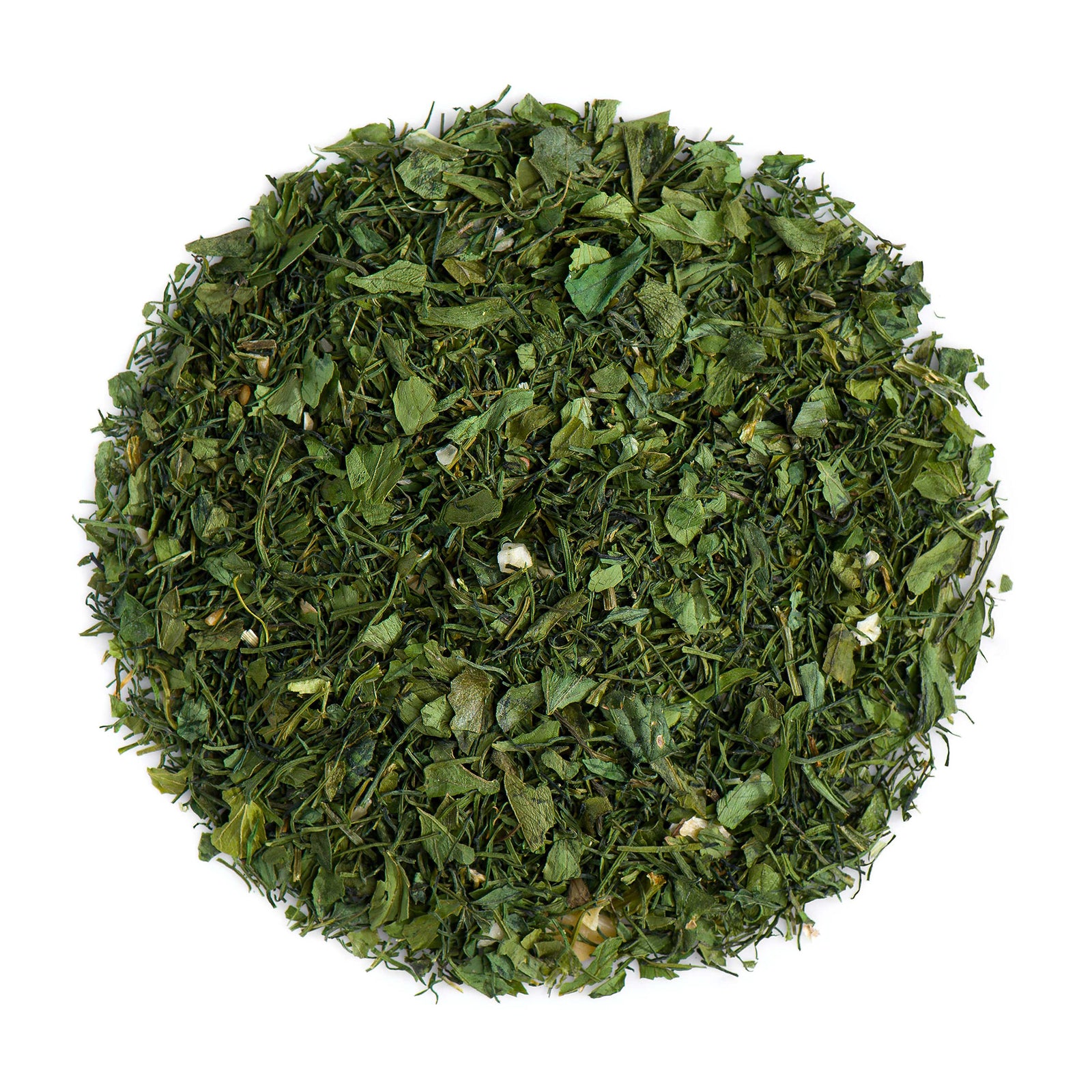
We sell certified organic whole spearmint leaves at Valley of Tea, and interest in this herb has grown steadily over the past few years. The reasons are specific: a long history as an everyday tea, a soft cooling taste that suits an after-meal cup, and a flavour profile that works both hot and iced without turning bitter or harsh. People are looking for an herbal tea with real character, not just another trend.
This post covers five practical reasons to consider spearmint tea, what sets it apart chemically from peppermint, and how to brew it properly. The focus is on what you can taste and smell in the cup.

What Is Spearmint Tea?
Spearmint tea is an herbal infusion made from the leaves of Mentha spicata, a true species of mint that is naturally caffeine-free and distinctly milder than peppermint. It is not a hybrid. Peppermint (Mentha x piperita) is actually a cross between spearmint and water mint. Spearmint is the original.
The key distinction comes down to chemistry. Spearmint's dominant volatile compound is carvone, which gives it a sweet, slightly warm coolness. Peppermint, by contrast, is loaded with menthol, the compound responsible for that intense, almost numbing chill. Carvone is gentler and does not trigger the same cooling receptor intensity that menthol does, which is why spearmint tastes smoother and more approachable.
In the cup, spearmint delivers a refreshing coolness followed by subtle sweetness with earthy undertones. There is no harshness. People who find peppermint too sharp or too strong often prefer spearmint for exactly this reason.
Because spearmint contains no caffeine, it works at any hour: morning, afternoon, or before bed. That makes it a practical everyday option rather than a niche herbal speciality.
For people who want to reduce their caffeine intake but still enjoy a flavourful hot drink, spearmint is one of the strongest options in the herbal category. It has enough character to stand on its own without blending.
We source our spearmint from Tunisia and Morocco, and the first time I tried a properly sourced whole leaf spearmint, it reminded me of a favourite candy from my childhood, but much richer and more lasting. Very cooling and gentle.
Quality in spearmint can be anything from outstanding to mediocre, which is why testing, testing, and more testing is essential in sourcing, as it is with every herb we stock.
Key Compounds in Spearmint
Carvone is the primary aroma compound in spearmint, typically making up 50-70% of its essential oil. This is the molecule that separates spearmint from peppermint in both flavour and aroma. Where peppermint's menthol content can reach 40% or more, spearmint contains only trace amounts of menthol, usually under 1%.

Beyond carvone, spearmint contains several other notable compounds. Limonene, also found in citrus peels, contributes a light, bright note to the aroma. Rosmarinic acid, a polyphenol found across the mint family, is one of the main polyphenols in spearmint.
Other polyphenols present include salvianolic acid and lithospermic acid, both part of spearmint's overall polyphenol profile. The combination of these compounds gives spearmint a more complex chemistry than its mild taste might suggest.
One thing worth noting: the rosmarinic acid content in spearmint is higher than in many other mint family herbs. This is relevant because rosmarinic acid is the polyphenol most often measured when spearmint's chemistry is analysed. It is not a trace ingredient - it is a meaningful part of what is in the leaf.
The practical takeaway: choosing between spearmint and peppermint means choosing between two fundamentally different chemical profiles, not just two flavour variations. The same goes for choosing between whole leaf and crushed or powdered spearmint. Whole leaves preserve these volatile compounds better during storage, which is why we stock only full-leaf spearmint.
Spearmint Tea in Turkish Tradition
Spearmint has a long history in Turkey, where it is a familiar kitchen herb as well as a common herbal tea. It is used fresh in salads and yoghurt dishes, dried in soups, and steeped on its own as a simple caffeine-free cup.
Many Turkish households keep a jar of dried spearmint in the kitchen for both cooking and brewing.
As for the cup itself: soft and cool, lightly sweet, and easy to drink after lunch or in the evening.
In Turkey, spearmint has been part of everyday cooking and tea drinking for generations, which is a good reason to treat it as a kitchen staple rather than a speciality herb.
Spearmint tea is a drink, not a medical treatment. If you have a medical condition, are pregnant or take medication, ask your doctor before drinking any herbal tea regularly. Enjoy spearmint for its flavour and aroma.
Making a cup at home is simple. It requires no special preparation beyond standard brewing.
Spearmint Tea After a Meal
Spearmint tea is a classic after-meal cup, and its soft, cool flavour makes a clean finish to a meal. It tastes notably gentler than peppermint, which is why people who find peppermint too sharp often reach for spearmint instead.

Here is why the distinction matters. Peppermint's high menthol content gives it an intense, almost numbing chill that some people find too much after food. Spearmint's low menthol content keeps the cup cool but soft, so it suits anyone who prefers a gentler mint.
As an after-meal tea, spearmint is a natural fit. Its soft coolness rounds off a meal without the intensity of peppermint or the bitterness of some other herbal teas. It is also pleasant enough to drink plain, which matters for daily use.
A common habit is reaching for peppermint tea as the default after-dinner mint. Peppermint suits some people, but if you find its menthol bite too strong, spearmint is worth trying. It gives you the cool mint finish without the sharpness, one of the most practical distinctions between the two herbs.
One practical note from our experience with herbal teas: always cover your cup or pot while steeping spearmint. The volatile oils that contribute to both flavour and aroma escape quickly as steam, and a simple lid keeps those compounds in the water where they belong. This applies to all herbal teas, but it is especially relevant for mint family herbs where the aromatic volatile compounds are the whole point.
Spearmint is great on warm summer days, especially when you want an easy pot to share and keep your attention on the person you are talking to. You can make a big pot that keeps on going, and everyone has their own tradition for how it is supposed to be brewed and what needs to be added. I have seen arguments over that last for hours, which is part of the charm.
Rosmarinic Acid in Spearmint Tea
Spearmint tea's polyphenol content is led by rosmarinic acid. We describe it here as part of what is in the leaf, the same way we describe carvone and limonene.
Rosmarinic acid takes its name from rosemary, where it was first identified, and it occurs across the mint family, from lemon balm to basil.
Rosmarinic acid is a water-soluble polyphenol, so a good share of it ends up in the brewed cup. It sits alongside salvianolic acid and lithospermic acid in spearmint's broader polyphenol profile.
Alongside rosmarinic acid, brewed spearmint tea carries the carvone and limonene that give it its aroma. Drinking spearmint tea is a flavour choice - it is one pleasant habit among many.
What makes spearmint easy to like is that it is pleasant to drink every day. Unlike some herbs that taste harsh or require sweetening, spearmint is something most people genuinely enjoy drinking. A tea you enjoy is a tea you keep coming back to.
How to Brew Spearmint Tea
Spearmint tea is straightforward to brew and tolerates boiling water without turning bitter, which sets it apart from green or white teas that require temperature precision. Use 100C water and you will get a full extraction of both flavour and volatile compounds.

Dried whole leaf spearmint: Use 1-2 teaspoons per cup (about 250ml). Steep for 5-7 minutes. If you want a stronger cup, add more leaf rather than extending the steep time past 7 minutes.
Fresh spearmint leaves: Use 8-10 leaves per cup. Lightly crush or tear the leaves before adding water to release the essential oils. Fresh spearmint brews slightly lighter than dried, so lean toward the higher leaf count.
In both cases, cover the vessel while steeping. This traps the volatile oils, specifically the carvone and limonene, that would otherwise escape with the steam. It is a small step that makes a measurable difference in both flavour and aroma, and it is the single most common mistake people make with herbal teas.
Iced spearmint tea: Brew at double strength (2-3 teaspoons dried leaf per cup), steep the full 7 minutes, then pour over ice. The dilution from melting ice brings it back to the right concentration. Spearmint holds up well cold, and the sweetness actually becomes more prominent when chilled.
Honey is a natural pairing with spearmint. A small amount, half a teaspoon, rounds out the flavour without masking the herb. Spearmint also blends well with green tea for a Moroccan-style mint tea blend, or with chamomile for an evening cup.
Storage: Keep dried spearmint in an airtight container away from light and heat. The volatile oils degrade over time, so use your supply within 12 months for the best flavour. If the leaves have lost their aroma when you open the container, the carvone content has likely dropped significantly, and the brew will taste flat.
Our whole leaf spearmint at Valley of Tea gives a noticeably more refined cup than cut or powdered alternatives. As we have noted about the flavour: "Greatly refreshing, and very rich. The full leaves make the palate much more refined and broad." The difference between whole leaf and crushed is the same principle that applies across all tea categories - whole leaves release their compounds more gradually and with less bitterness.
Conclusion
Spearmint tea stands on its own. It is not a milder version of peppermint - it is a different plant with a different chemical profile, led by carvone rather than menthol. That distinction gives it specific advantages: a gentler mint character, a long history as an everyday tea, and a smoother flavour that works hot or iced.
Spearmint's chemistry is well described, from carvone to rosmarinic acid. What is already clear is that this is a practical, caffeine-free herb with genuine versatility. It is an easy everyday cup to keep on hand.
If you have not tried whole leaf spearmint, start there. The difference in cup quality compared to tea bags or crushed leaf is significant. Brew covered, steep the full 5-7 minutes, and taste what this herb actually offers. Whether you want a soft after-meal mint, an iced summer tea, or simply a clean caffeine-free option, spearmint tea covers all three.
Schreiben Sie einen Kommentar
Kommentare werden vor der Veröffentlichung genehmigt.
Vollständigen Artikel anzeigen
The Complete Guide to Drinking Tea
What tea is, how the main types differ in the cup, and how to brew each one properly. Water temperature, steeping times, storage and how to get more than one cup from your leaves.
Vollständigen Artikel anzeigen

Schwarztee: Sorten, Herstellung, Zubereitung
Schwarztee ist vollständig oxidierter Tee aus der Camellia sinensis. Vergleiche Assam, Darjeeling, Keemun, Ceylon und Dian Hong. Erfahre mehr über Herstellung, Zubereitung und Koffeingehalt.
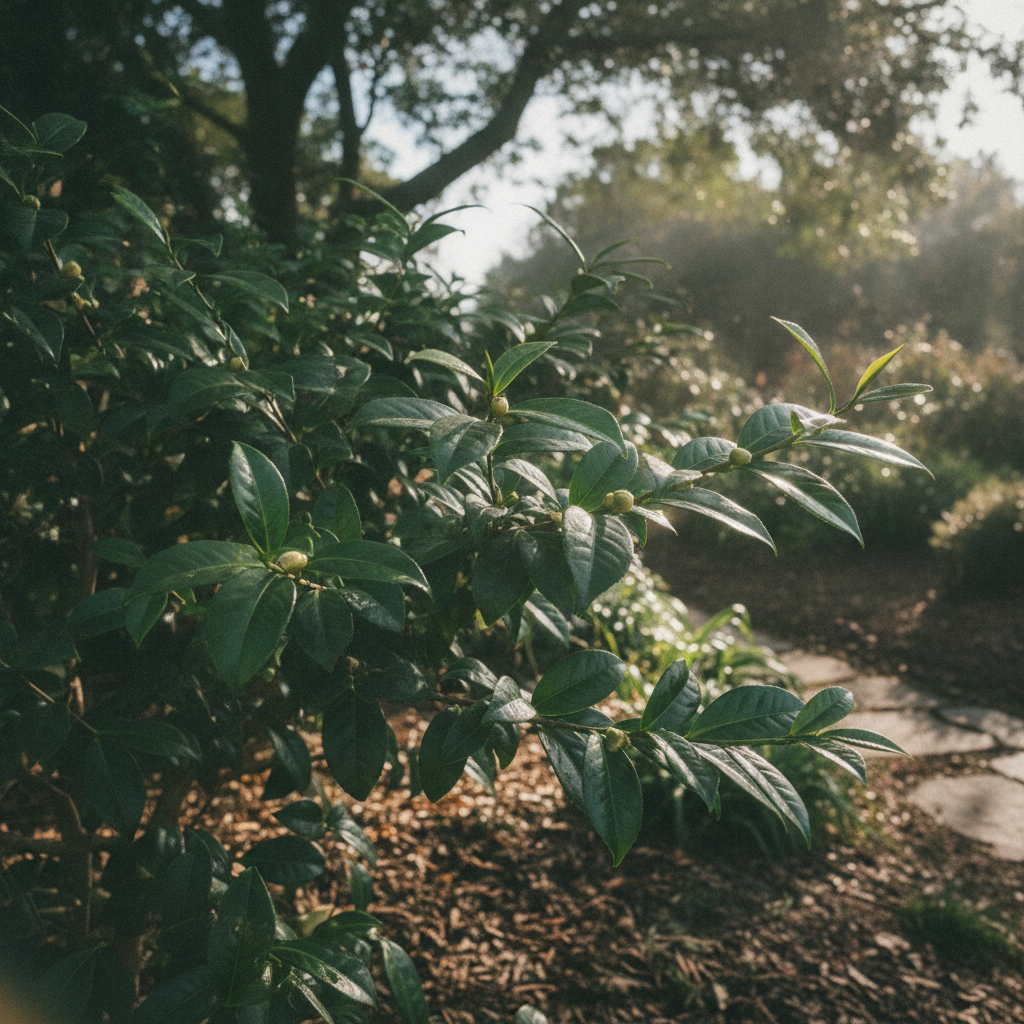

How To Grow Black Tea
Learn how to grow black tea at home: soil, climate, and the five processing steps from fresh leaf to a finished cup of black tea.

Weisheit ist der Weg zu besserem Tee.
Unsere kostenlose Brühanleitung: das richtige Wasser, die richtige Temperatur und die passende Ziehzeit für jeden Tee, den wir führen. Neue Ernten erfahren Sie zuerst.
Kein Spam. Jederzeit abbestellbar.
Sehen Sie in Ihr Postfach.
Die Anleitung ist unterwegs.