












Cold Brew Tee: Zubereitung und die besten Teesorten dafür
Kaltes Aufbrühen von Tee bedeutet, die Blätter mehrere Stunden in kaltem oder bei Raumtemperatur stehendem Wasser ziehen zu lassen, statt heißes Wasser für ein paar Minuten zu verwenden. Die langsamere Extraktion fördert Süße und Aroma, während die meisten bitteren Verbindungen, die heißes Wasser freisetzt, zurückbleiben. Das Ergebnis ist ein geschmeidiger, natürlich süßer Tee, der keinen Zucker benötigt.
Die grundlegende Methode
Geben Sie 5–8 Gramm Tee zu einem Liter kaltem oder bei Raumtemperatur stehendem Wasser. Stellen Sie das Gefäß in den Kühlschrank und lassen Sie es 6–12 Stunden ziehen — über Nacht ist ideal.
Seihen Sie morgens die Blätter ab und Sie haben kalt gebrühten Tee, trinkbereit. Er hält sich im Kühlschrank 2–3 Tage, wobei das Aroma in den ersten 24 Stunden am besten ist.
Das ist der gesamte Prozess. Kein Erhitzen, keine präzise Temperaturkontrolle, kein Auf-die-Uhr-Schauen. Die Einfachheit gehört zum Reiz.
Warum kalt gebrühter Tee anders schmeckt
Heißes Wasser löst Katechine und Tannine schnell heraus — das sind die Verbindungen, die für Bitterkeit und Adstringenz im Tee verantwortlich sind. Kaltes Wasser extrahiert sie viel langsamer, deshalb ist ein 12-stündiger Kaltaufguss oft weniger bitter als ein 3-minütiger Heißaufguss.
Was kaltes Wasser hingegen gut extrahiert, sind Aminosäuren (insbesondere L-Theanin) und natürliche Zucker. Deshalb schmeckt kalt gebrühter Tee oft süßer und geschmeidiger als derselbe Tee heiß zubereitet, selbst ohne zugesetzten Süßstoff.
Auch der Koffeingehalt ist niedriger. Cold Brew extrahiert etwa 50–70% des Koffeins, das beim heißen Aufguss gelöst wird, wodurch er eine gute Option für Menschen ist, die empfindlich auf Koffein reagieren, aber trotzdem echten Tee möchten.
Welche Tees sich am besten eignen
Grüner Tee: Eine der besten Optionen zum Kaltaufbrühen. Süße und Umami treten hervor, während Grasigkeit und Bitterkeit gering bleiben. Japanischer Sencha und chinesischer Longjing eignen sich beide hervorragend zum Kaltaufbrühen.
Weißer Tee: Heiß zubereitet eher zurückhaltend, wird weißer Tee beim Kaltaufbrühen zart süß. Silver Needle ergibt einen kristallklaren, honigartigen Kaltaufguss. White Peony verleiht etwas mehr Körper.
Oolong-Tee: Leichte, blumige Oolong-Tees wie Tie Guan Yin eignen sich hervorragend für Cold Brew. Die blumigen Noten intensivieren sich und der Körper bleibt geschmeidig. Stärker geröstete Oolongs funktionieren ebenfalls, ergeben aber ein anderes, malzigeres Ergebnis.
Schwarzer Tee: Kalt aufgebrühter schwarzer Tee ist weich und malzig, ohne den tanninartigen Biss von heiß zubereitetem Eistee. Darjeeling ergibt beim Kaltauszug etwas Leichtes und Duftendes. Kräftigere Schwarztees ergeben einen volleren, körperreicheren Cold Brew.
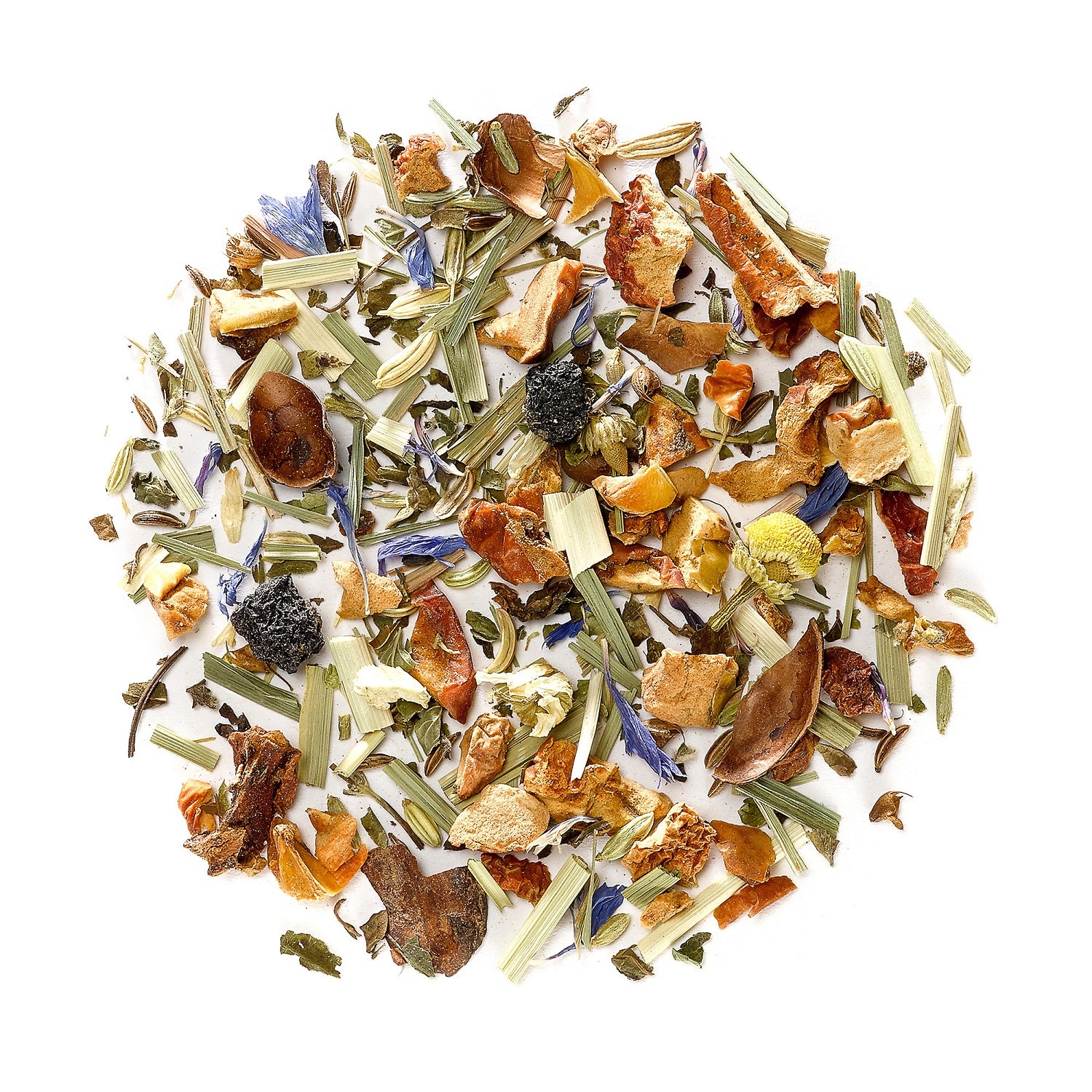
Kräutertee: Fruchtbetonte Kräutertees wie Hibiskus, Hagebutte und Beeremischungen lassen sich sehr gut kalt aufbrühen. Blütentees wie Kamille funktionieren auch gut. Wurzelbasierte Kräutertees (Ingwer, Kurkuma) benötigen heißes Wasser, um richtig zu extrahieren, und sind nicht ideal zum Kaltausziehen.
Cold Brew vs Eistee
Traditioneller Eistee wird heiß mit doppelter Stärke aufgebrüht und dann über Eis gegossen. Das ist schneller — Eistee ist in etwa 10 Minuten fertig — aber die Hitze extrahiert mehr Bitterstoffe, und das schmelzende Eis verdünnt das Aroma.
Cold Brew dauert länger, liefert aber ein saubereres, konzentrierteres Ergebnis. Keine Verdünnung, kein Umgang mit Bitterkeit, kein Ansetzen eines Konzentrats nötig. Wenn man vorausplanen kann, ist Cold Brew die bessere Methode.
Tipps für besseren Cold Brew
Verwenden Sie mehr Tee als beim Heißaufguss. Die kalte Extraktion ist weniger effizient, daher kompensieren 5–8 Gramm pro Liter (statt der üblichen 2–3 Gramm pro 200 ml) den sanfteren Prozess.
Gefiltertes Wasser ist hier wichtiger als bei heißem Tee. Kaltes Wasser überdeckt keine Fehlgeschmäcker so wie heißes Wasser. Wenn Ihr Leitungswasser nach Chlor schmeckt, verwenden Sie gefiltertes Wasser für ein sauberes Ergebnis.
Versuchen Sie, bei Zimmertemperatur 4–6 Stunden ziehen zu lassen, wenn Sie schneller Ergebnisse möchten. Die Extraktion ist schneller als bei Kühlschranktemperatur, aber immer noch sanfter als mit heißem Wasser. Stellen Sie es in den Kühlschrank, sobald die Stärke Ihren Wünschen entspricht.
Cold Brew ist eine der einfachsten Möglichkeiten, Tee zu genießen, besonders bei warmem Wetter. Sobald eine Kanne im Kühlschrank steht, ist es so praktisch wie eine Flasche zu öffnen — aber mit deutlich mehr Geschmack und ganz ohne den Zucker, auf den kommerzielle Eistees setzen.
Schreiben Sie einen Kommentar
Kommentare werden vor der Veröffentlichung genehmigt.
Vollständigen Artikel anzeigen
The Complete Guide to Drinking Tea
What tea is, how the main types differ in the cup, and how to brew each one properly. Water temperature, steeping times, storage and how to get more than one cup from your leaves.
Vollständigen Artikel anzeigen
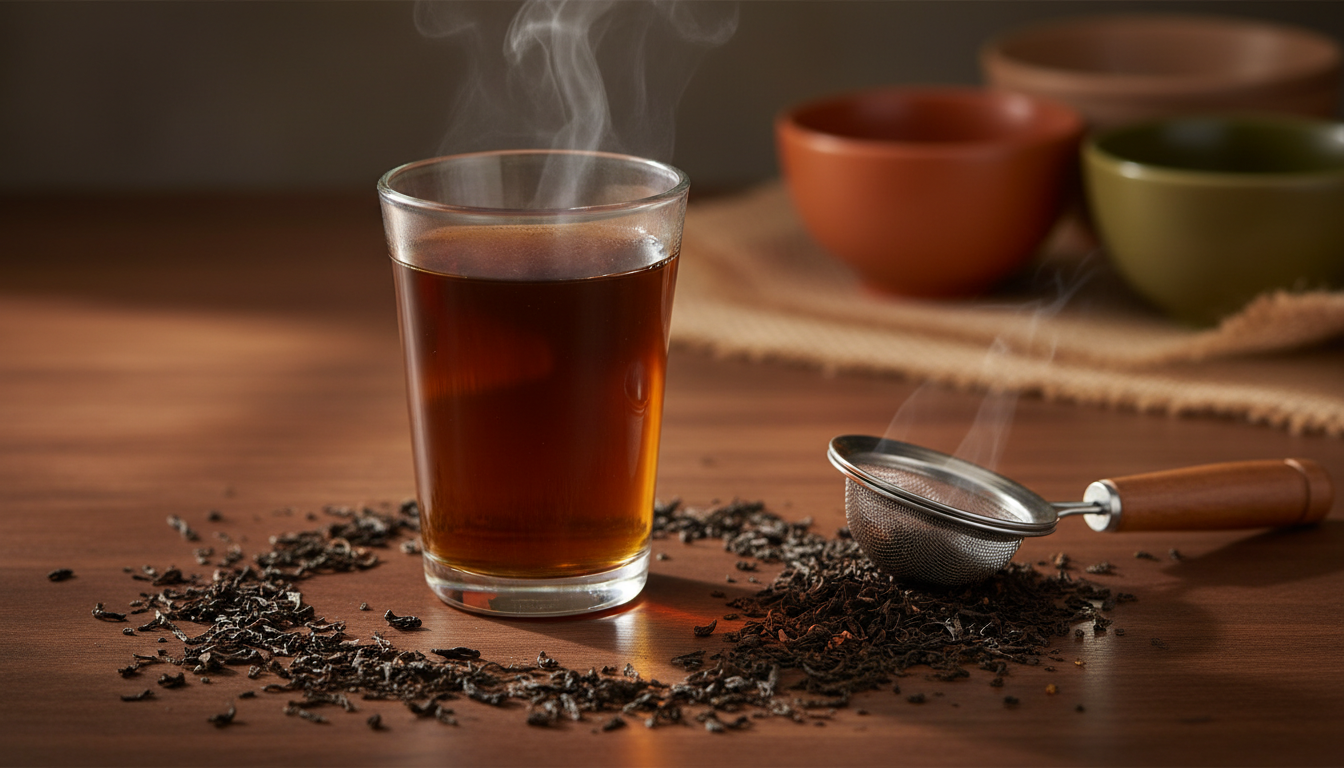

Schwarztee: Sorten, Herstellung, Zubereitung
Black tea is fully oxidized Camellia sinensis. Compare Assam, Darjeeling, Keemun, and Ceylon varieties. Learn processing, brewing, and caffeine levels.
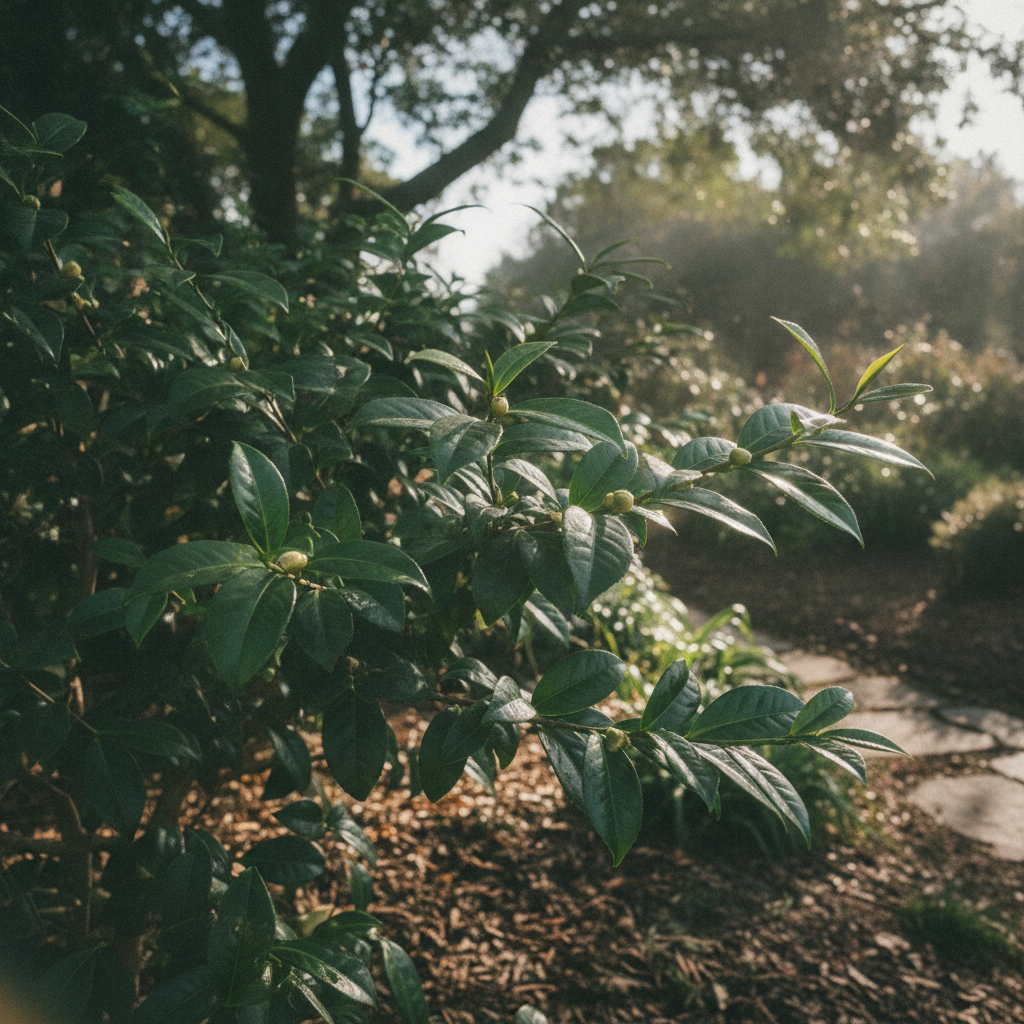

How To Grow Black Tea
Learn how to grow black tea at home: soil, climate, and the five processing steps from fresh leaf to a finished cup of black tea.

Weisheit ist der Weg zu besserem Tee.
Unsere kostenlose Brühanleitung: das richtige Wasser, die richtige Temperatur und die passende Ziehzeit für jeden Tee, den wir führen. Neue Ernten erfahren Sie zuerst.
Kein Spam. Jederzeit abbestellbar.
Sehen Sie in Ihr Postfach.
Die Anleitung ist unterwegs.