












Hibiscus Jamaica Tea
Hibiscus jamaica tea is one of the most widely consumed herbal drinks across Africa, Latin America, and the Middle East, yet most people outside those regions have never heard the name. "Jamaica" here does not refer to the island. In Mexico and Central America, jamaica (pronounced ha-MY-ka) is simply the everyday name for dried hibiscus flower - Hibiscus sabdariffa - and agua de Jamaica is the cold, sweetened drink made from it. If you have encountered a tart, deep-red iced herbal drink at a taco stand or market in Mexico, you have already had it.

What Is Hibiscus Jamaica Tea?
Hibiscus jamaica tea is made from the dried calyces of Hibiscus sabdariffa, the fleshy, deep-red structure that surrounds the seed pod after the flower drops. These are not petals in the strict botanical sense - they are the calyces, and they hold the plant's characteristic tartness, colour, and anthocyanin content. When people say "hibiscus tea" or "jamaica tea," this is the part of the plant they are brewing.

The traditional preparation is straightforward: brew the dried calyces hot, sweeten while still warm, cool completely, and serve cold over ice. The result is deeply red, tart, and refreshing. In Mexico, a squeeze of lime is almost always added. At street markets and taco stands throughout the country, agua de Jamaica is sold by the glass and consumed in volume.
Unlike many herbal drinks that require precise steeping temperatures or short windows, hibiscus is forgiving. Stronger brews simply deliver more colour and tartness. Weaker brews are lighter but still recognisable. The drink is caffeine free, and in hot climates it is drunk throughout the day.
Origin and Cultural Story of Agua de Jamaica
Hibiscus sabdariffa originates in West Africa and was brought to the Americas through the transatlantic slave trade from the 16th century onwards. It took root across the Caribbean and Central America and became deeply embedded in local food culture over generations. Today it is consumed across three separate global food traditions: as agua de Jamaica in Mexico and Central America, as bissap in Senegal and across West Africa, and as karkade in Egypt, Sudan, and parts of the Middle East.
The Mexican version - sweet, cold, lime-spiked - is the one that has spread most widely into North American awareness. But the drink is older and more global than that framing suggests. In Egypt, karkade is served hot or cold and is a standard offering at social gatherings.
I've had karkade at a supplier's home in Egypt. We had been going through samples all afternoon, and the family brought out a glass jug of hibiscus - very cold, very sweet, and deeply red. The concentration was much higher than what I had tasted in Europe. That visit was one of the reasons hibiscus went from a product we stock to a product I actually talk about with enthusiasm.
The name "Jamaica" likely arrived via the trade routes that brought the plant from West African ports into the Spanish colonial Caribbean. The word stuck in Mexico and became the standard shorthand for the dried flower in markets and households.
Traditional Agua de Jamaica Recipe
The classic agua de Jamaica recipe needs four things: dried hibiscus calyces, water, sweetener, and ice.

Method
- Bring 1 litre of water to approximately 95C
- Add 4 tablespoons (roughly 15-20g) of dried hibiscus calyces
- Simmer or steep for 10 minutes - longer steeping gives a more intense colour and stronger tartness
- Add 3-4 tablespoons of sugar or agave syrup and stir until fully dissolved while the liquid is still hot
- Cool to room temperature, then strain through a fine mesh strainer or cheesecloth
- Refrigerate until cold, then serve over ice with a lime wedge
For a stronger concentrate - suitable for diluting with sparkling water later - use the same ratio but reduce the water to 500ml. Dilute 1:1 when serving.
When I brew hibiscus for iced tea, I use around 4-5g per litre for a cold brew overnight, or 15-20g per litre simmered hot. The longer hot brew extracts significantly more colour and intensity than the cold method, so choose your method based on how strong you want the final drink. Cold brewed with a little honey is my go-to in the warmer months - it is a tarty, all-day drink that keeps well in the fridge.
Common mistakes: under-sweetening before cooling (sweetener integrates better hot), skipping the lime (it lifts the flavour considerably), and using too little hibiscus (the drink should be deeply red, not pale pink).
Taste and Serving Variations
Hibiscus jamaica tea tastes tart, vivid, and unmistakably its own. I describe it as cranberry-tart, with a full sweet-sour flavour, a ruby-red colour, and a lemon-tart, berry-rich edge, and that description holds up every time I brew it.

It does not taste like berry tea blends or generic fruit infusions. The tartness is assertive but not unpleasant, and sweetening it cold brings the profile into balance.
Variations Worth Trying
- Mint: Add 4-5 fresh mint leaves per glass. The cool mint note cuts the tartness and works especially well chilled
- Ginger: Add 2-3 thin slices of fresh ginger to the hot brew while steeping. Adds warmth and slight heat without dominating
- Cucumber: Two thin slices per glass, added cold. Subtle, refreshing, good for a less tart result
- Sparkling water: Dilute a strong concentrate 1:1 with sparkling water at serving. Good alternative to still
For a cocktail version - popular in the Caribbean - combine 60ml hibiscus concentrate with white rum, a squeeze of lime, and ice. The tartness pairs naturally with citrus-forward spirits.
The quality of the dried calyces matters noticeably in the cup. In my years sourcing from multiple origins, Sudan has been my benchmark for colour depth and clean flavour. The Nile Valley farms produce the most consistent calyces I have worked with - deep burgundy, clean tartness, no off-notes.
Egyptian hibiscus is excellent too, but the anthocyanin concentration runs slightly lower and the tartness is a touch softer. Thai and Indian hibiscus is earthy and woody - better in blends, not straight brew. I have rejected lots from reliable suppliers when the colour was washed out or the calyces were too small; colour is the fastest quality check.
Why Hibiscus Jamaica Tea Is Worth Making at Home
Hibiscus jamaica tea is one of the simplest herbal drinks to make well. The recipe has three real variables: hibiscus quantity, steeping time, and sweetener level. Adjust those to your taste once and you have a repeatable result.
The key is starting with whole dried calyces rather than powder or blended sachets. Whole calyces brew clearly, strain cleanly, and give you a transparent deep-red liquor without sediment.
We source our hibiscus as certified organic whole flowers. If you are making agua de Jamaica at home for the first time, whole calyces at 15-20g per litre of hot water for 10 minutes will put you exactly where you want to be: full colour, full tartness, and a drink that is distinctly worth making again.
Schreiben Sie einen Kommentar
Kommentare werden vor der Veröffentlichung genehmigt.
Vollständigen Artikel anzeigen
The Complete Guide to Drinking Tea
What tea is, how the main types differ in the cup, and how to brew each one properly. Water temperature, steeping times, storage and how to get more than one cup from your leaves.
Vollständigen Artikel anzeigen
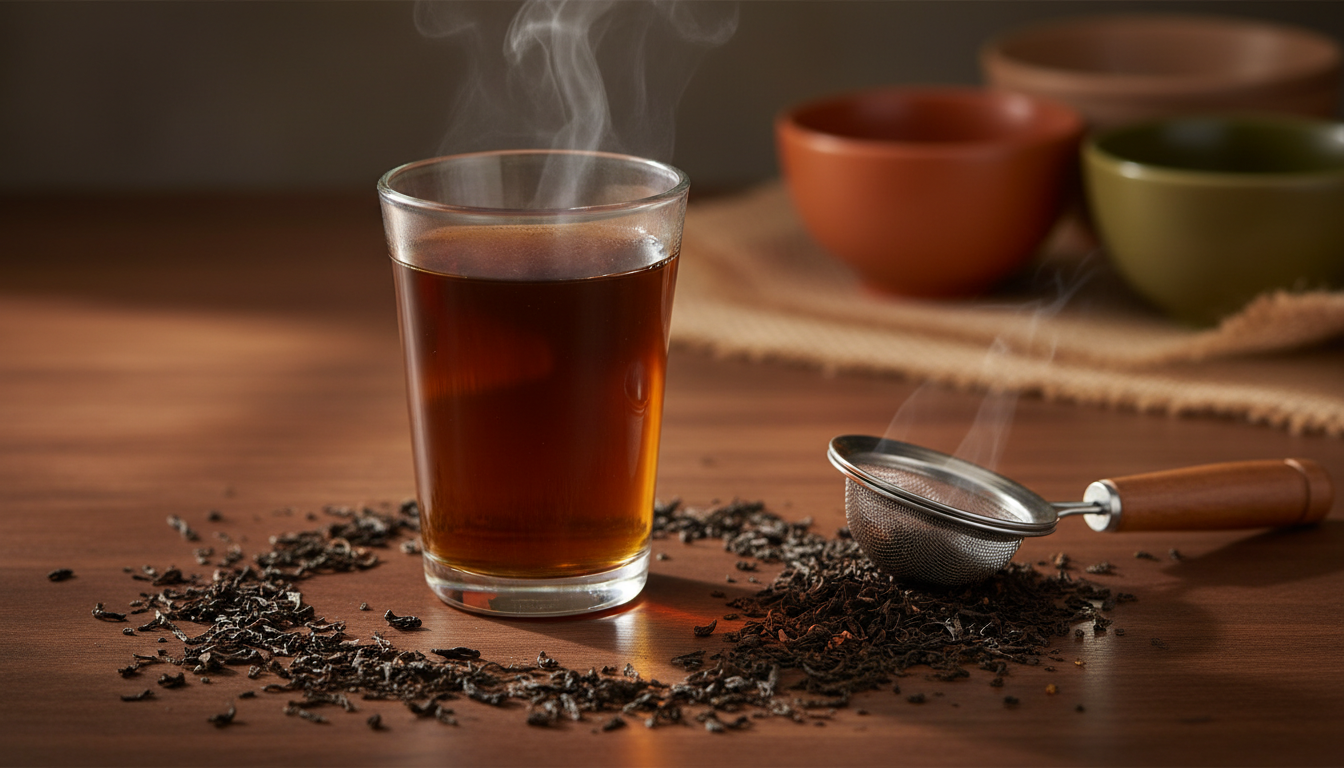

Schwarztee: Sorten, Herstellung, Zubereitung
Schwarztee ist vollständig oxidierter Tee aus der Camellia sinensis. Vergleiche Assam, Darjeeling, Keemun, Ceylon und Dian Hong. Erfahre mehr über Herstellung, Zubereitung und Koffeingehalt.
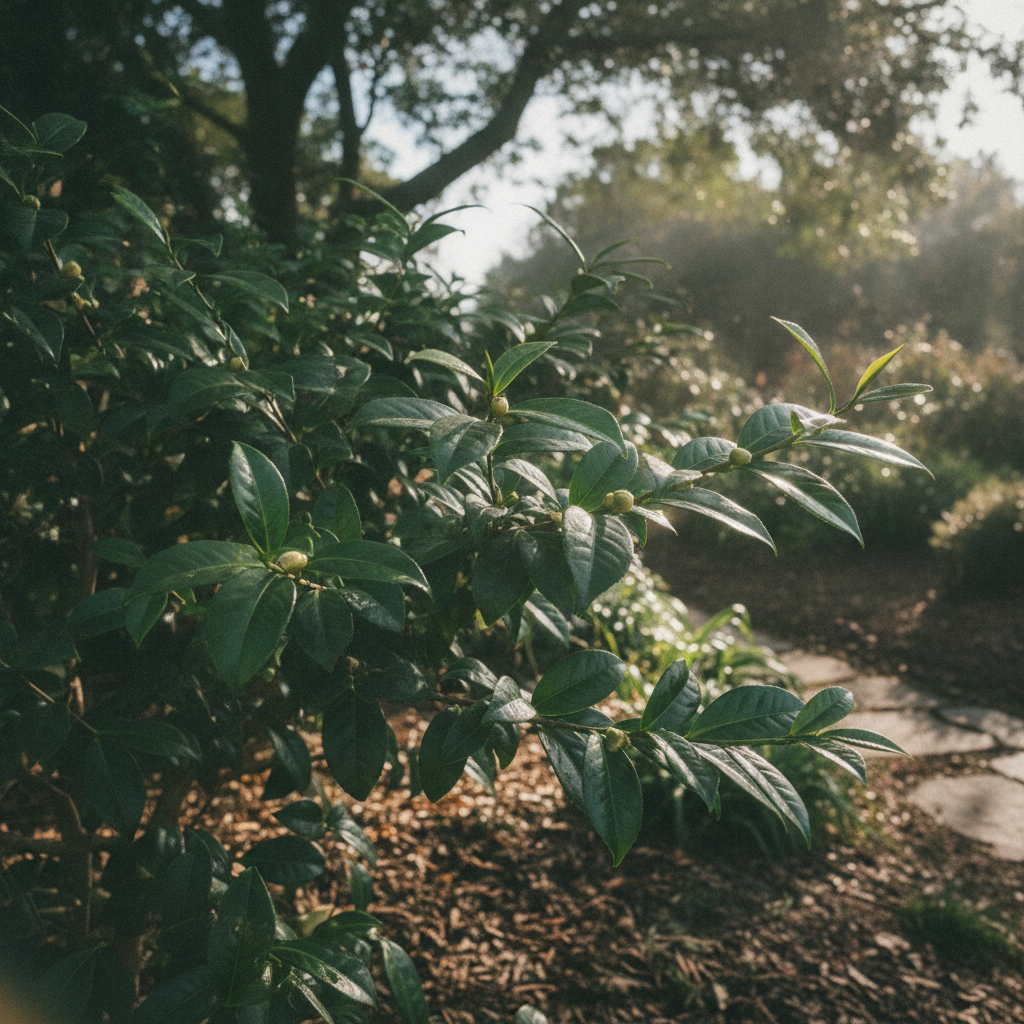

How To Grow Black Tea
Learn how to grow black tea at home: soil, climate, and the five processing steps from fresh leaf to a finished cup of black tea.

Weisheit ist der Weg zu besserem Tee.
Unsere kostenlose Brühanleitung: das richtige Wasser, die richtige Temperatur und die passende Ziehzeit für jeden Tee, den wir führen. Neue Ernten erfahren Sie zuerst.
Kein Spam. Jederzeit abbestellbar.
Sehen Sie in Ihr Postfach.
Die Anleitung ist unterwegs.