












How To Make Black Currant Tea
Black currant tea has a flavor profile that sits apart from most fruit teas. It is rich, slightly tart, and carries a deep berry depth that holds up well on its own or blended with other ingredients. Whether you are working with dried black currants, black currant leaves, or a combination of both, the brewing process is straightforward once you know the ratios and timings. This guide covers every practical method — hot, iced, blended with black tea, and a hibiscus variation — so you can make a consistently good cup without guesswork.
At Valley of Tea, we have been sourcing and tasting teas for over fifteen years. Black currant leaf has been part of the European herbal tea tradition for a long time — it is the kind of ingredient that was already in people's kitchen cupboards before specialty tea shops existed. That traditional grounding is part of why we included it in our range from the start. This guide draws on that experience.

What You Need
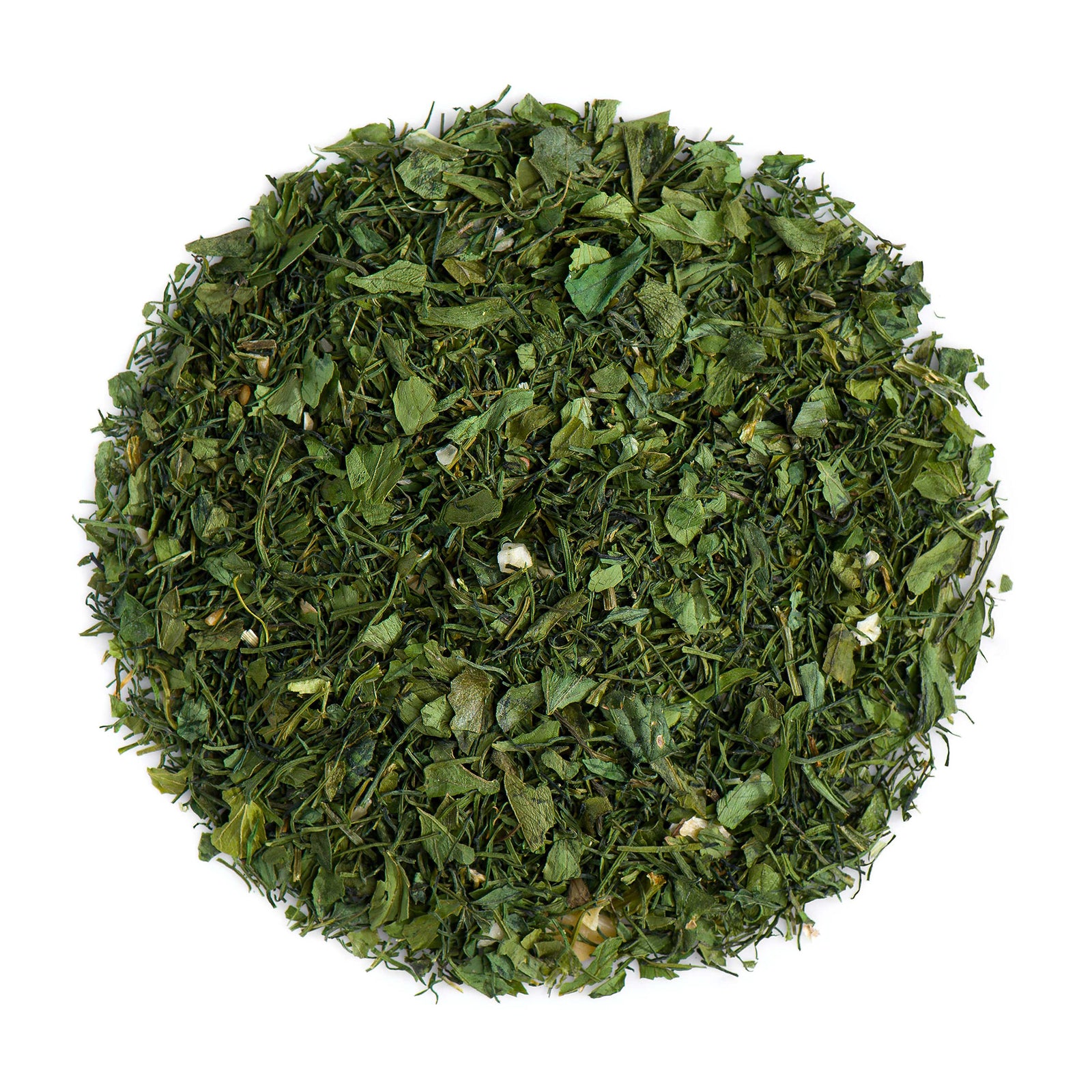
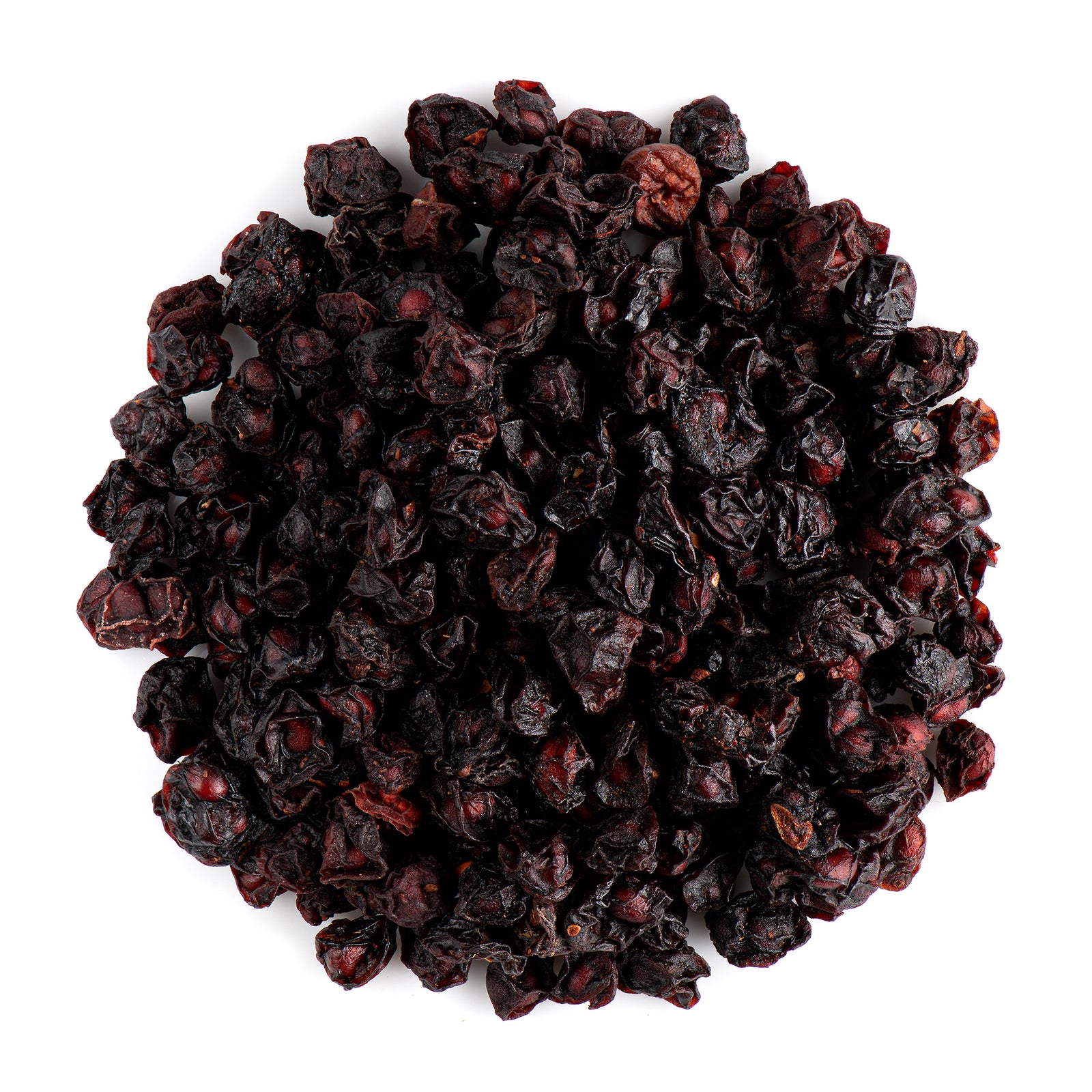
Dried black currants or black currant leaves. Whole dried black currants (the fruit) produce a sweet-tart, intensely fruity brew. Dried black currant leaves (Ribes nigrum) give a more herbaceous, subtly earthy cup with milder fruit notes. You can use either on their own or combine both for a fuller flavor. Look for currants that are dark, plump, and slightly glossy rather than dusty or shriveled to powder.
For leaves, look for whole dried leaves with a deep green to dark olive color. Black currant leaves have been used in European herbal traditions for centuries — research published in PMC's comprehensive review of Ribes nigrum confirms they contain significant flavonoid and polyphenol concentrations with antioxidant activity.
Water. Freshly drawn, filtered water makes a noticeable difference. Chlorinated tap water flattens the berry sweetness and mutes the aromatic top notes that make black currant tea distinctive.

A kettle. Any kettle works. Black currant tea takes water just off the boil, so a simple stovetop or electric kettle is all you need. A temperature-controlled model is helpful but not necessary.
A teapot, infuser, or French press. Dried currants are small and dense, so a fine mesh infuser or a French press with a tight plunger works best. If you are using leaves, any standard tea infuser will do. Avoid very coarse strainers — small currant pieces will slip through.
A scale or measuring spoon. Dried currants are dense and compact, so measuring by weight gives you more consistent results than volume. If you do not have a scale, use the teaspoon measurements below as a reliable starting point.

Basic Hot Black Currant Tea
This is the core method. It works for dried currants, dried leaves, or a combination of both.
- Bring fresh water to 95°C (just under boiling, about 200°F). If you do not have a thermometer, bring the kettle to a full boil and let it sit for 30 seconds.
- Measure 2 tablespoons of dried black currants per 250 ml (one cup) of water. If you are using black currant leaves instead, use 1 to 2 teaspoons per cup. For a combination, use 1 tablespoon of currants and 1 teaspoon of leaves.
- Place the currants or leaves in your infuser or teapot.
- Pour the hot water over the ingredients.
- Steep for 7 to 10 minutes. Black currants need more time than most fruit teas because the dried fruit is dense and releases flavor slowly. At 7 minutes you get a bright, fruity cup. At 10 minutes the flavor deepens and the tartness becomes more pronounced. You can steep up to 12 minutes without bitterness.
- Remove the infuser or strain the liquid.
- Drink as is or sweeten to taste.
The color should be a deep reddish-purple. If your brew looks pale after 7 minutes, increase the amount of currants next time rather than steeping longer — more fruit in the infuser is a better route to intensity than an extended steep.
Black Currant Blended with Black Tea
This is a classic pairing. The malty, full-bodied character of black tea gives structure to the bright fruitiness of black currant. The result is a robust cup that works well in the morning or afternoon.

- Bring fresh water to a full boil, 100°C (212°F). Black tea needs the higher temperature.
- Measure 1 teaspoon of loose leaf black tea and 1 tablespoon of dried black currants per 250 ml of water. Our Artisan Assam works particularly well here — its bold, malty profile complements the currant rather than competing with it. A lighter option like Keemun will produce a more delicate result with a subtle smokiness that is also worth trying.
- Place both the tea and the currants in your infuser.
- Pour boiling water over the blend.
- Steep for 4 to 5 minutes. This is shorter than the fruit-only method because black tea can become bitter if oversteeped. Four minutes gives you a balanced cup where neither ingredient dominates. Five minutes tilts the balance toward the tea's tannins with the fruit working as a supporting flavor.
- Remove the infuser.
- Add milk if you like — this blend takes milk well. The currant's tartness cuts through the creaminess in a way that feels intentional rather than muddled.
If you want the fruit flavor to be more forward, increase the currants to 2 tablespoons and keep the tea at 1 teaspoon. If you want a tea-forward cup with just a hint of berry, reduce the currants to 2 teaspoons.
Iced Black Currant Tea
The fastest route to a cold black currant drink. The double-strength hot method compensates for the dilution from ice, so the flavor stays full.
- Brew a double-strength hot black currant tea: use 4 tablespoons of dried black currants per 250 ml of water at 95°C.
- Steep for 10 minutes. You want maximum extraction here because the ice will dilute the concentrate significantly.
- Remove the currants.
- If you plan to sweeten, stir in your sweetener now while the liquid is still hot. It dissolves far more easily at this stage.
- Fill a tall glass to the top with ice.
- Pour the hot concentrate directly over the ice.
- Stir, taste, and adjust.
The result is a cold, deeply fruity drink with the same tartness and berry intensity as the hot version. For a lighter, more refreshing style, add a squeeze of fresh lemon juice after pouring over ice — the acidity lifts the currant flavor and makes the whole thing feel brighter.

You can also cold brew black currant tea. Combine 3 tablespoons of dried currants with 500 ml of cold filtered water in a jar, cover, and refrigerate for 12 to 18 hours. The longer steep time is necessary because cold water extracts flavor from the dense dried fruit much more slowly. Strain and serve over ice. Cold brew black currant tea is mellower and sweeter, with less tartness than the hot-brewed iced method.
Black Currant-Hibiscus Blend

This combination works because both ingredients bring tartness, but from different directions. Black currant provides deep berry acidity while hibiscus adds a brighter, more citric sourness. Together they produce a vivid, complex cup with a striking deep red-purple color.
We stock both separately at Valley of Tea, and I have tested this pairing directly — the two flavors are genuinely complementary rather than just additive. Tart plus fruity, each making the other more distinct. The anthocyanins from both ingredients combine to give the brew an exceptional color; a 2023 clinical study on blackcurrant anthocyanins highlights the bioactive properties of these compounds in blackcurrant specifically.

- Bring water to a full boil, 100°C.
- Measure 1 tablespoon of dried black currants and 1 tablespoon of dried hibiscus flowers per 250 ml of water.
- Place both ingredients in your infuser.
- Pour the boiling water over the blend.
- Steep for 7 to 8 minutes. Hibiscus extracts quickly, so the color will be intense within the first 2 minutes. Give the currants the full steeping time to catch up.
- Strain and serve.
This blend is excellent iced. Follow the double-strength method from the iced section above, using equal parts currant and hibiscus. It also works as a base for a punch — scale up the recipe, chill, and add sparkling water just before serving.
Sweetening Black Currant Tea

Black currant tea has natural sweetness from the dried fruit, but most people prefer to add a bit more. Here is how different sweeteners interact with the flavor.
Honey is the most natural pairing. A mild floral honey (clover or acacia) adds sweetness without masking the berry character. Stronger honeys like buckwheat will compete with the currant. Use 1 to 2 teaspoons per cup and stir into hot tea.

Sugar dissolves cleanly and lets the currant flavor stay in the foreground. White sugar is neutral. Brown sugar adds a slight caramel note that works well with the black tea blend but can muddy the pure fruit version.
Maple syrup adds a woody complexity that pairs well with the herbaceous quality of black currant leaves. Use sparingly — a half teaspoon per cup is usually enough.
Stevia or monk fruit work if you want sweetness without calories. Start with a small amount and increase gradually. Both can develop an aftertaste at higher concentrations that clashes with the tartness of the currant.

Avoid agave in hot black currant tea. Its neutral sweetness does not add anything interesting and its viscosity makes it slow to dissolve, leaving you with a sweet layer at the bottom of the cup.
Quick Reference
| Method | Ingredients per 250 ml | Water Temp | Steep Time |
|---|---|---|---|
| Basic hot (fruit) | 2 tbsp dried currants | 95°C / 200°F | 7–10 min |
| Basic hot (leaves) | 1–2 tsp dried leaves | 95°C / 200°F | 7–10 min |
| With black tea | 1 tsp black tea + 1 tbsp currants | 100°C / 212°F | 4–5 min |
| Iced (hot method) | 4 tbsp currants | 95°C / 200°F | 10 min, pour over ice |
| Cold brew | 3 tbsp per 500 ml | Cold | 12–18 hours |
| With hibiscus | 1 tbsp currants + 1 tbsp hibiscus | 100°C / 212°F | 7–8 min |
Store dried black currants in an airtight container away from light and heat. They keep well for up to a year. Dried leaves should be stored the same way and used within 6 to 8 months for the best flavor. Once brewed, black currant tea keeps in the refrigerator for up to 3 days — after that the flavor dulls and the tartness fades.
Looking for a black tea to blend with? Our Artisan Assam is a reliable choice for its full body and clean malt character.
Schreiben Sie einen Kommentar
Kommentare werden vor der Veröffentlichung genehmigt.
Vollständigen Artikel anzeigen
The Complete Guide to Drinking Tea
What tea is, how the main types differ in the cup, and how to brew each one properly. Water temperature, steeping times, storage and how to get more than one cup from your leaves.
Vollständigen Artikel anzeigen

Schwarztee: Sorten, Herstellung, Zubereitung
Black tea is fully oxidized Camellia sinensis. Compare Assam, Darjeeling, Keemun, and Ceylon varieties. Learn processing, brewing, and caffeine levels.

How To Grow Black Tea
Learn how to grow black tea at home: soil, climate, and the five processing steps from fresh leaf to a finished cup of black tea.

Weisheit ist der Weg zu besserem Tee.
Unsere kostenlose Brühanleitung: das richtige Wasser, die richtige Temperatur und die passende Ziehzeit für jeden Tee, den wir führen. Neue Ernten erfahren Sie zuerst.
Kein Spam. Jederzeit abbestellbar.
Sehen Sie in Ihr Postfach.
Die Anleitung ist unterwegs.