













How To Make Sencha Tea
Sencha is the most popular tea in Japan, accounting for roughly 80% of all Japanese tea production. It is also one of the easiest teas to ruin. My own first taste of tea was bitter and lacking in flavour and aroma — because my mother did not understand how to prepare such a delicate product. That memory is what started my whole path into tea.
Brew it with boiling water and you get a bitter, astringent cup that tastes nothing like what Japanese tea drinkers enjoy daily. Brew it correctly — with the right temperature, ratio, and timing — and you get a bright, umami-rich cup with natural sweetness and a clean finish.

This guide covers exactly how to make Sencha tea at home, from water temperature to re-steeping to cold brew. No vague instructions. Specific temperatures, weights, and times that actually work.
What You Need
You do not need expensive equipment to brew good Sencha. You do need a few basics.
Tea: Loose leaf Sencha, ideally from a recent harvest. Pre-bagged Sencha works in a pinch, but loose leaf gives you control over the amount and allows the leaves to expand fully. Use 4 to 5 grams per 150 to 200 ml of water. That is roughly one heaped teaspoon.
Water: Filtered or spring water. Tap water with heavy chlorine will flatten the flavour. If your tap water tastes neutral, it is fine. Do not use distilled water — it lacks the mineral content that helps extract flavour.
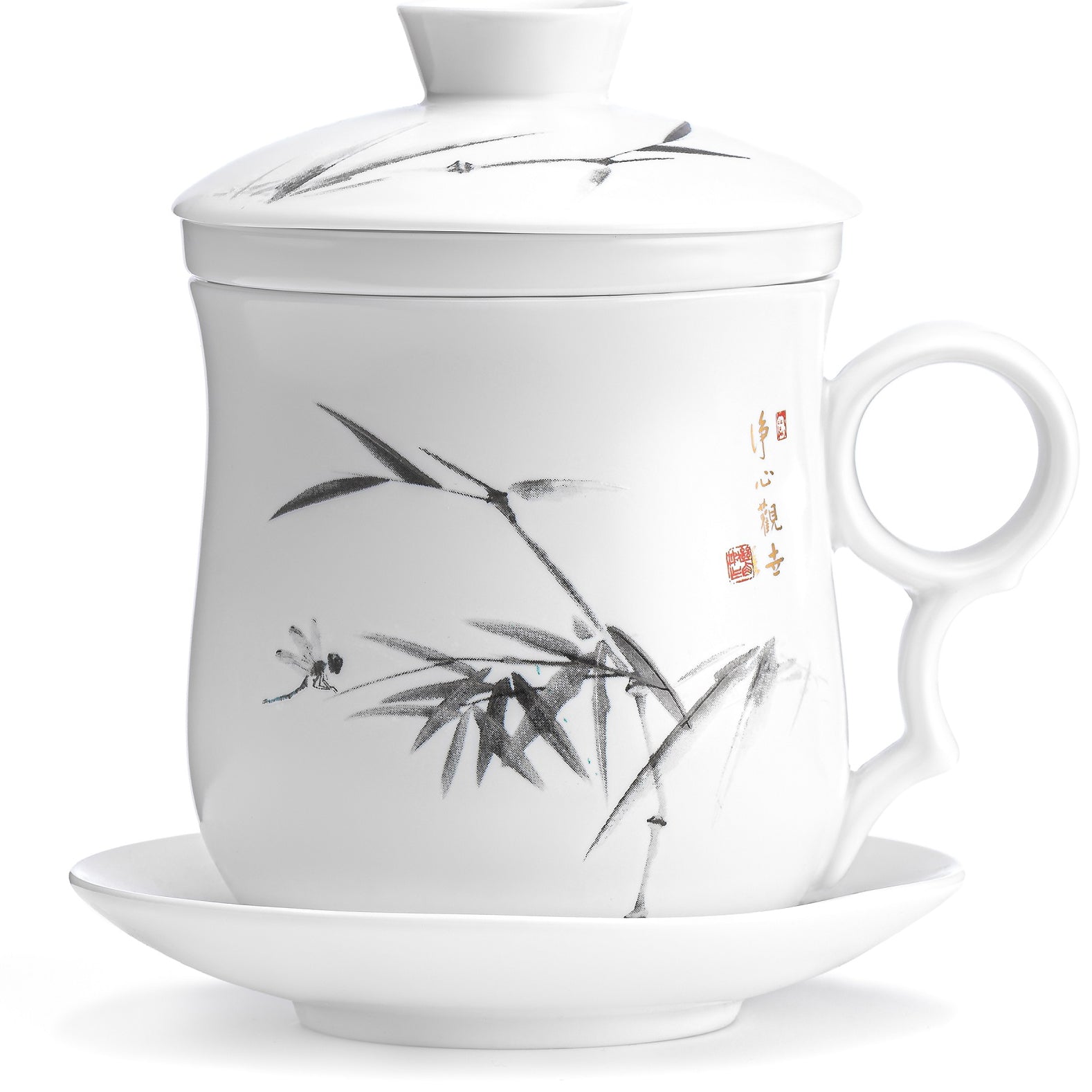
A teapot or brewing vessel: A Japanese kyusu (side-handle teapot) with a built-in mesh strainer is ideal. A small teapot with an infuser basket or even a simple mug with a strainer works. The key requirement is that you can separate the leaves from the water completely when the steep is done. Leaving the leaves sitting in the water will over-extract them.
A thermometer or temperature-controlled kettle: This is the single most useful investment for brewing Sencha. Guessing water temperature is the primary reason people brew bitter green tea.
Water Temperature: 70 to 80 Degrees Celsius

This is the most important variable in brewing Sencha. Get this right and everything else becomes forgiving.
Sencha leaves contain both amino acids (L-theanine, glutamic acid) and catechins (the compounds responsible for bitterness and astringency). Amino acids dissolve readily at lower temperatures. Catechins require higher heat to extract efficiently. By keeping the water between 70 and 80 degrees Celsius, you pull out the sweet, savoury umami compounds while limiting the bitter, astringent ones. Research published in Food Chemistry (2024) confirms that lower brewing temperatures enhance umami taste by increasing free amino acid extraction while reducing the leaching of bitterness-causing flavonols.
For Japanese greens I work at 60 to 80 degrees Celsius. The hotter the water, the faster and deeper the extraction. Too hot damages the delicate aromas; too cool gives not enough flavour. At 90 to 100 degrees Celsius, catechins flood into the brew within seconds — the result is exactly that harsh, bitter cup that makes people conclude they do not like green tea.
For higher-grade Sencha (first harvest, competition-grade): use 70 degrees Celsius. These teas are rich in amino acids and reward a gentler extraction.
For everyday Sencha (second harvest, standard-grade): use 75 to 80 degrees Celsius. A slightly higher temperature brings out more body and flavour from leaves with a different chemical balance.
If you do not have a thermometer, boil the water and let it cool for about five minutes, or pour it into a room-temperature cup first, wait 30 seconds, then pour into the teapot. Each transfer between vessels drops the temperature by roughly 5 to 10 degrees Celsius.

Step-by-Step Brewing

- Boil water and let it cool. Bring fresh water to a boil, then let it drop to 70 to 80 degrees Celsius. If using a variable-temperature kettle, set it directly.
- Measure the tea. Place 4 to 5 grams of Sencha leaves into your teapot or brewing vessel.
- Pour the water. Add 150 to 200 ml of water at the target temperature. Pour gently over the leaves.
- Steep for 60 to 90 seconds. Do not stir. Do not agitate the leaves. Let them unfurl naturally. For the first steep, 60 seconds is a safe starting point. If the result is too light for your taste, add 15 seconds next time.
- Pour out completely. Decant every last drop into your cup or a serving pitcher. Do not leave any water in the teapot with the leaves. Residual water continues extracting and makes subsequent steeps bitter.
- Drink. Sencha is best enjoyed fresh and hot, but not scalding. The lower brewing temperature means it is usually at a comfortable drinking temperature immediately.
That is the entire process. Once you have done it two or three times, it takes less than two minutes from start to cup.
Common Mistakes

Water too hot. This is by far the most common error. I have ruined cups of Sencha more times than I can count this way — steep it with water too hot and you damage the delicate aromas and end up with a bitter, astringent cup. Even 85 degrees Celsius is noticeably more bitter than 75 degrees. Use a thermometer until you develop a feel for it.
Steeping too long. Three minutes at 80 degrees Celsius will produce an unpleasantly astringent brew. Sencha is not herbal tea. It does not need five minutes. Start at 60 seconds and adjust from there.
Using too little leaf. Weak Sencha tastes watery and flat, not delicate. If you find the flavour thin, add more leaf rather than steeping longer. More leaf at the right time gives you intensity without bitterness.
Not emptying the pot. Leaving water in contact with the leaves between steeps is a guaranteed way to make the second and third steeps bitter. Pour out every drop.
Stale tea. Sencha degrades faster than most teas. Once opened, store it in an airtight container away from light and heat. Use it within four to six weeks for best results. Stale Sencha tastes flat, papery, and lacks the vibrant green aroma of fresh leaf.
Asamushi vs Fukamushi: Brewing Differences

Sencha comes in two main styles based on steaming duration, and they brew differently. Asamushi is shallow-steamed at around 20 to 40 seconds, chumushi falls in the middle at 40 to 80 seconds, and fukamushi is deep-steamed at 80 seconds or more. If you are buying Sencha for the first time, I recommend a medium-steamed Sencha — it has a classic character, refreshing with hints of fresh-cut grass, mellow and sweet, without being too intense in either direction.
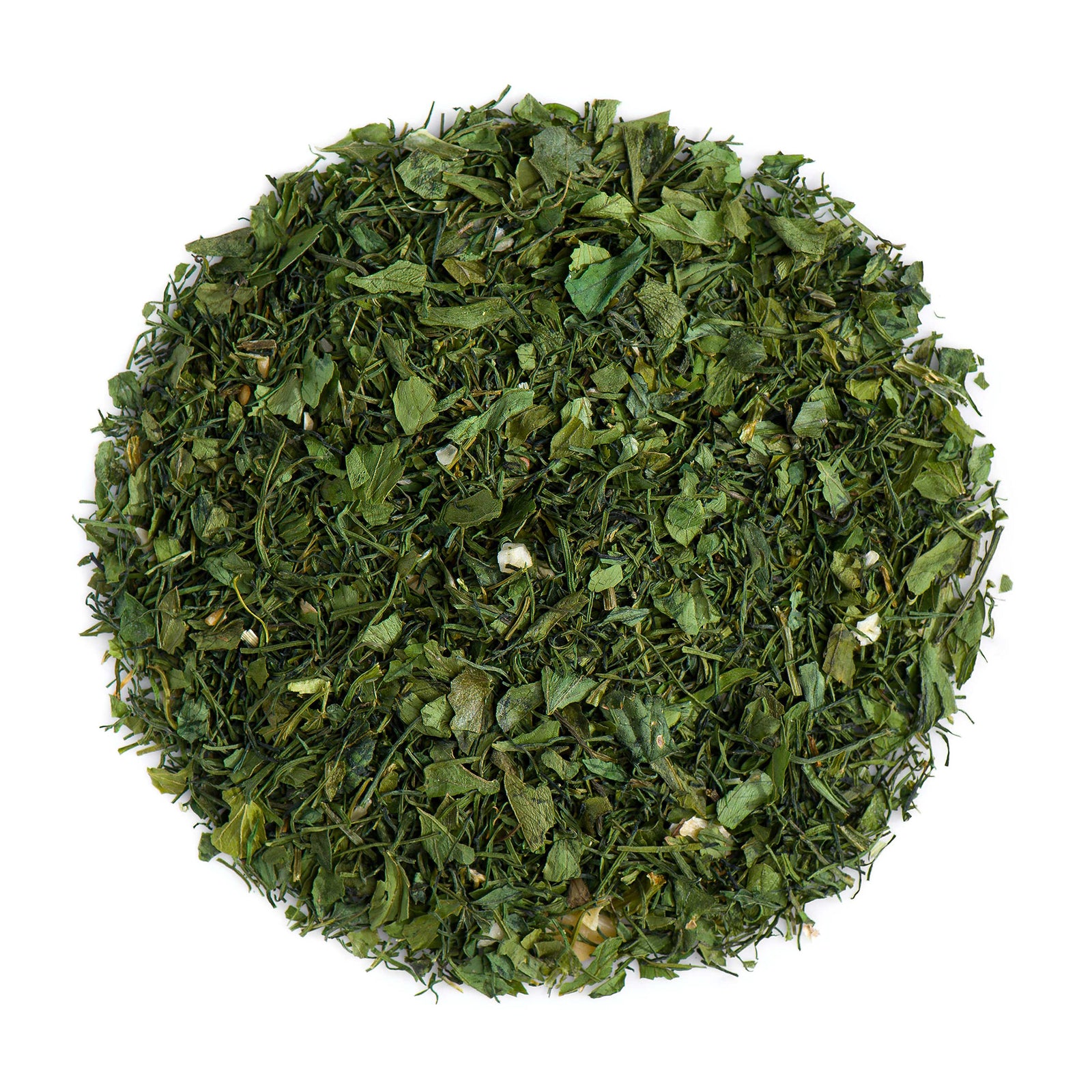
Asamushi (light-steamed) Sencha has intact, needle-shaped leaves that were steamed for 30 to 40 seconds. It brews a clear, pale yellow-green liquor with a crisp, defined flavour. Asamushi is the more traditional style and is the most sensitive to brewing parameters.
- Temperature: 70 degrees Celsius
- Steep time: 60 to 90 seconds
- The leaves unfurl slowly and release flavour gradually
Fukamushi (deep-steamed) Sencha has smaller, more broken leaf particles from 60 to 120 seconds of steaming. It brews a deep, opaque green liquor that is rounder and fuller-bodied, with less astringency.
- Temperature: 75 to 80 degrees Celsius
- Steep time: 30 to 60 seconds (shorter, because the broken leaves extract faster)
- Use a teapot with a fine mesh strainer — the smaller particles will pass through coarse filters
If you are unsure which type you have: intact needles with a clear brew means asamushi; smaller fragments with a cloudy, opaque brew means fukamushi. Adjust your timing accordingly. Fukamushi is more forgiving. Asamushi rewards precision.
The Science Behind Sencha's Flavour

Sencha is made from Camellia sinensis leaves that are steamed immediately after harvest, which locks in their bright green colour and preserves the amino acid and catechin profile. The steaming halts oxidation — unlike pan-fired Chinese green teas — so the leaf chemistry stays close to fresh.
L-theanine, the amino acid responsible for Sencha's characteristic umami and calm alertness, is highly soluble at moderate temperatures. A study on stress-relieving effects of Japanese green teas including standard and deep-steamed Sencha found that the ratio of amino acids (theanine and arginine) to caffeine and EGCG determines how balanced and calming the cup feels. Superior Sencha grades have higher amino acid content — one reason first-harvest teas taste sweeter and less astringent.

If you enjoy Sencha and want to explore the broader Japanese green tea family, our Gyokuro is shaded before harvest to amplify L-theanine to an exceptional level, producing an even more intensely umami, silky cup. Our Genmaicha blends Sencha with roasted rice for a nutty, warming alternative. For a more minimal style, Kukicha uses the stems and twigs of the tea plant — low caffeine and naturally sweet.
Re-Steeping Sencha

Good Sencha gives you two to three steeps from the same leaves. Each steep reveals a different character.
Second steep: Use slightly lower temperature than the first steep — the leaves have already opened up and are very ready to give out all their flavour, so they need less heat to extract fully. Steep for 15 to 30 seconds. The second steep is often more intense and savoury than the first.
Third steep: Increase the temperature slightly from the second steep and steep for 30 to 45 seconds. The flavour shifts toward a lighter, sweeter profile as the remaining compounds extract. Some people consider the third steep the most balanced.
Beyond three steeps: Most Sencha is spent after three infusions. If the liquor turns pale and tastes thin, the leaves have given everything they had.
The key rule for re-steeping: do not let the leaves dry out or sit for extended periods between steeps. Brew them in reasonably quick succession — within 10 to 15 minutes of each other.
Cold Brew Sencha

Cold brewing produces a completely different cup. The low temperature extracts almost no catechins, giving you a naturally sweet, smooth, and virtually zero-bitterness tea. It is excellent in warm weather.
Method: Place 8 to 10 grams of Sencha in a pitcher or bottle. Add 500 ml of cold or room-temperature water. Refrigerate for 3 to 6 hours, or overnight. Strain and serve over ice or drink straight from the fridge.
Cold brew Sencha has a vivid green colour, pronounced sweetness, and a thick, almost syrupy mouthfeel compared to hot-brewed Sencha. The umami is amplified while astringency is nearly absent.
Use slightly more leaf than you would for hot brewing. The lower extraction rate at cold temperatures means you need more leaf material to achieve a full-bodied result.
Quick Reference Table
| Parameter | Asamushi (Light-Steamed) | Fukamushi (Deep-Steamed) | Cold Brew |
|---|---|---|---|
| Leaf amount | 4-5 g | 4-5 g | 8-10 g |
| Water volume | 150-200 ml | 150-200 ml | 500 ml |
| Water temperature | 70 C | 75-80 C | Cold / room temp |
| First steep time | 60-90 sec | 30-60 sec | 3-6 hours |
| Second steep time | 15-30 sec | 10-20 sec | n/a |
| Number of steeps | 2-3 | 2-3 | 1 |
| Liquor colour | Clear, pale green | Opaque, deep green | Vivid green |
Conclusion
Brewing Sencha well comes down to three variables: temperature, time, and leaf quantity. Keep the water between 70 and 80 degrees Celsius, steep for 60 to 90 seconds on the first infusion, and use enough leaf. That is the foundation. Everything else — choosing between asamushi and fukamushi styles, dialling in re-steeps, experimenting with cold brew — builds on those basics.
The gap between poorly brewed and properly brewed Sencha is dramatic. A few degrees of water temperature and half a minute of steeping time separate a bitter disappointment from a cup that is sweet, savoury, and genuinely enjoyable. My own introduction to tea was that bitter cup — and getting it right years later is what made me understand what Sencha actually is. The effort required to get it right is minimal. The difference in the cup is not.
Schreiben Sie einen Kommentar
Kommentare werden vor der Veröffentlichung genehmigt.
Vollständigen Artikel anzeigen
The Complete Guide to Drinking Tea
What tea is, how the main types differ in the cup, and how to brew each one properly. Water temperature, steeping times, storage and how to get more than one cup from your leaves.
Vollständigen Artikel anzeigen

Schwarztee: Sorten, Herstellung, Zubereitung
Black tea is fully oxidized Camellia sinensis. Compare Assam, Darjeeling, Keemun, and Ceylon varieties. Learn processing, brewing, and caffeine levels.

How To Grow Black Tea
Learn how to grow black tea at home: soil, climate, and the five processing steps from fresh leaf to a finished cup of black tea.

Weisheit ist der Weg zu besserem Tee.
Unsere kostenlose Brühanleitung: das richtige Wasser, die richtige Temperatur und die passende Ziehzeit für jeden Tee, den wir führen. Neue Ernten erfahren Sie zuerst.
Kein Spam. Jederzeit abbestellbar.
Sehen Sie in Ihr Postfach.
Die Anleitung ist unterwegs.