












Lavender Tea: Brewing, Blending & Buying
Lavender tea is one of those herbal infusions that people either adore or misunderstand. Made from the dried flower buds of Lavandula species — most commonly Lavandula angustifolia — it produces a fragrant, floral cup that sits in a category of its own among tisanes. It is not bold like peppermint, not sweet like chamomile, and not tart like hibiscus. It is distinctly, unapologetically floral, and when brewed from quality buds, it has a sophistication that most herbal teas cannot match.
I have been sourcing and tasting herbal teas for over 15 years, and lavender is one of the herbs where quality differences are most dramatic. A good lavender tea smells like a Provençal field in July. A bad one smells like a soap drawer. The difference comes down to variety, harvest timing, and drying method — details this guide covers in full. Whether you are brewing lavender tea for the first time or looking to refine your approach, this is a practical resource built on direct experience with the ingredient.

What Is Lavender Tea
Lavender tea is an herbal infusion — a tisane — made by steeping dried lavender flower buds in hot water. Like chamomile and peppermint, it contains no Camellia sinensis leaves and is therefore not a "true tea" in the botanical sense. It is naturally caffeine-free, with zero caffeine content inherent to the plant rather than removed through processing.
The genus Lavandula belongs to the Lamiaceae family — the same family as mint, rosemary, and sage. There are roughly 47 known species, but only a handful are used for culinary and tea purposes. The plant is native to the Mediterranean basin, with its historical range spanning from the Canary Islands through southern Europe to northern and eastern Africa, and into southwest Asia and southeast India.
Lavender has been used for thousands of years, though its primary historical applications were aromatic and medicinal rather than culinary. The Romans used it to scent baths — the name derives from the Latin lavare, meaning "to wash." Medieval European herbalists included it in preparations for headaches and nervous complaints. Its use as a standalone tea is more recent in Western tradition, gaining popularity in the 20th century as herbal tea culture expanded beyond chamomile and peppermint.
The flower buds contain the aromatic compounds that define lavender tea. The two most important are linalool and linalyl acetate. Linalool provides the characteristic floral scent; linalyl acetate adds a sweeter, more herbaceous note. Research published in Molecules (2023) reviewing the bioactive components of Lavandula species confirms the ratio between these two compounds varies by species and cultivar, which directly affects how the tea tastes and smells.

Lavender Varieties for Tea
Not all lavender is suitable for tea. The species matters enormously, and using the wrong one is the most common reason people have a bad first experience with lavender tea.
Lavandula angustifolia (English Lavender)
This is the gold standard for lavender tea. Despite the common name "English lavender," it is native to the western Mediterranean and thrives in France, Spain, Italy, and Bulgaria. The name reflects its long history of cultivation in English gardens rather than its origin.
Lavandula angustifolia has the highest linalool-to-camphor ratio of any commercial lavender species. This matters because camphor is what makes lavender taste medicinal and soapy. In angustifolia, camphor content is typically below 1%, while linalool runs at 25-38% of essential oil content. The result is a clean, sweet, floral profile suitable for drinking.
Key cultivars for tea include 'Mailette' and 'Maillette' (French selections prized for essential oil sweetness), 'Hidcote' (compact English garden variety with intense colour and good flavour), and 'Folgate' (traditional English cultivar used in culinary applications). Bulgarian angustifolia, grown in the Rose Valley region around Kazanlak, is increasingly recognized as exceptional tea-grade lavender due to the region's specific altitude (500-700 metres) and soil conditions.

Lavandula x intermedia (Lavandin)
Lavandin is a hybrid between angustifolia and Lavandula latifolia (spike lavender). It produces significantly more flower material per plant than angustifolia — roughly three times the yield — which makes it cheaper to produce. This is why lavandin dominates the commercial lavender oil industry.
For tea, lavandin is inferior. Its camphor content runs 6-10%, compared to angustifolia's sub-1%. This camphor gives lavandin a sharper, more medicinal character that most people find unpleasant in a cup. If your lavender tea tastes like soap or cough medicine, you are almost certainly drinking lavandin rather than true angustifolia.
Common lavandin cultivars include 'Grosso' (the dominant commercial oil variety, accounting for about 80% of French lavender oil production) and 'Provence' (sometimes sold for culinary use but still significantly more camphorous than angustifolia).
Lavandula stoechas (Spanish Lavender)
Recognizable by its distinctive "rabbit ear" bracts at the top of the flower spike, Spanish lavender has a strong, pine-like aroma with high camphor and fenchone content. It is not used for tea. Its flavour profile is too aggressive and resinous for an infusion.

What to Look For
When buying lavender for tea, the label should specify Lavandula angustifolia or "true lavender" or "English lavender." If it simply says "lavender" without a species, treat it with caution — it may be lavandin or a blend. Culinary-grade and tea-grade designations indicate the lavender has been selected and processed for consumption rather than for sachets or potpourri, which may be treated with preservatives or fragrances unsuitable for drinking.
What Lavender Tea Tastes Like
Lavender tea has a flavour profile that is unlike any other common herbal infusion. The dominant impression is floral — intensely, unmistakably so. This is not a background note; it is the entire foreground.
The primary flavour is sweet-floral, driven by linalool. Behind this, there is a subtle herbaceous quality — slightly green, faintly minty — that comes from the broader terpene profile of the buds. Well-brewed angustifolia lavender has a hint of honey-like sweetness on the finish, with no bitterness when steeped correctly.
The body is light to medium — heavier than chamomile, lighter than green rooibos. There is virtually no astringency. The aroma is a major part of the experience; in fact, with lavender tea, the nose contributes as much to the perceived "taste" as the palate does. This is why covering the cup during steeping (to trap volatile aromatics) makes a particularly noticeable difference with lavender.

The single biggest quality marker in the cup is the absence of camphor. Good lavender tea from angustifolia buds tastes floral and slightly sweet. Mediocre lavender tea from lavandin or poorly processed material tastes medicinal — a soapy, mentholated note that overpowers the floral character. Side by side, the difference is as stark as the difference between whole-flower chamomile and tea-bag dust.
How to Brew Lavender Tea
Lavender requires a lighter touch than most herbal infusions. Where chamomile and peppermint tolerate — and often benefit from — long steep times and high temperatures, lavender becomes bitter and overly perfumed if pushed too hard.
Water Temperature
Use water at 90-95°C — just below a full boil. Fully boiling water (100°C) extracts more of the bitter compounds and volatile terpenes that can make lavender taste soapy. If you do not have a variable temperature kettle, bring water to a boil and let it sit for 30-60 seconds before pouring.
Amount
Use 1 to 2 teaspoons of dried lavender buds per 250 ml of water. By weight, this is approximately 1.5 to 3 grams. Lavender buds are small and dense compared to chamomile flowers, so a teaspoon of lavender contains more plant material by weight than a teaspoon of many other dried herbs.

Start with 1 teaspoon if you are new to lavender tea. The floral intensity can be surprising, and it is easier to add more lavender next time than to salvage an over-steeped cup.
Steep Time
Steep for 4 to 5 minutes. At 4 minutes, the floral character is present but restrained — a good starting point for those who prefer subtlety. At 5 minutes, the flavour is fuller, with more of the herbaceous undertone developing. Beyond 6 minutes, bitterness begins to creep in, and the aromatic compounds that have already escaped into the liquid start to taste "flat" as the fresher volatiles dissipate.
Cover your cup or teapot during steeping. Lavender's aromatic compounds are among the most volatile of any herbal tea ingredient. An uncovered steep loses a significant portion of the aroma — and with lavender, losing the aroma means losing much of the experience.
Iced Lavender Tea
Lavender cold-brews exceptionally well. Add 2 teaspoons of dried buds to 500 ml of cold water, refrigerate for 6 to 8 hours, and strain. Cold extraction pulls the floral sweetness without the bitter compounds that hot water can release. The result is clean, delicate, and remarkably refreshing.

For a quicker method, brew a double-strength hot infusion (2 teaspoons per 150 ml, 4 minutes) and pour over a full glass of ice. The ice dilutes the concentrate to drinking strength while chilling it instantly.
Lavender Tea Blends
Lavender's strong floral character makes it a polarizing solo ingredient — some people find it too perfumed on its own. Blending solves this by creating balance, and lavender pairs particularly well with several other teas and herbs. We sell lavender as a standalone whole flower ingredient rather than pre-made blends, which means you control the ratios. The combinations below are what I find work well in practice.
Lavender and Chamomile
This is the most natural pairing in the herbal world. German chamomile's apple-sweet, honeyed profile rounds out lavender's sharp floral notes, while lavender adds complexity and depth that chamomile on its own can lack. A blend of roughly 2 parts chamomile to 1 part lavender produces a balanced cup that is more interesting than either ingredient alone. Both are caffeine-free, making this an ideal evening blend.
Lavender Earl Grey
Earl Grey — black tea scented with bergamot oil — shares lavender's affinity for floral and citrus notes. Adding a pinch of lavender buds (about 0.5 grams per cup) to a standard Earl Grey steep creates what is sometimes marketed as "Lady Grey" or "Lavender Earl Grey." The bergamot and lavender complement each other without competing. Use a robust Assam or Ceylon base so the black tea holds its own against the aromatics.

Lavender and Green Tea
A more delicate pairing. Japanese Gyokuro or Chinese Longjing provide a vegetal, slightly sweet base that lets lavender's floral character take the lead without overwhelming. Use less lavender in this blend — 0.5 to 1 teaspoon per cup alongside your normal green tea measure — and brew at the green tea's temperature (75-80°C), which also suits lavender well. The result is light, aromatic, and nuanced.
Lavender and Mint
Peppermint's menthol cooling and lavender's floral warmth create a surprisingly harmonious blend. The mint provides immediate palate impact while the lavender adds a longer, more complex finish. Equal parts by volume works well, or lean heavier on mint if you find lavender dominant. This blend is particularly good iced.
Other Pairings
Lavender works with lemon balm (adding a citrus note that lifts the floral character), rose petals (an all-floral blend for those who enjoy that intensity), and honey (as a sweetener rather than a blend ingredient — honey is the ideal sweetener for lavender tea because it echoes the natural honey-like finish of good angustifolia).
Lavender Tea Benefits and Uses
Lavender tea is completely caffeine-free. This is an inherent property of the Lavandula plant — it does not produce caffeine at any stage of growth, and no processing step adds or creates it. This is categorically different from decaffeinated tea, which starts with a caffeinated plant (Camellia sinensis) and has the caffeine chemically or physically removed, always leaving residual amounts.

This makes lavender tea suitable for evening drinking without concern about sleep disruption from caffeine. It is also suitable for people who avoid caffeine entirely, including those who are sensitive to even the small amounts in decaffeinated products. A review in PMC on lavender and the nervous system outlines how linalool and linalyl acetate — the key aromatic compounds in Lavandula angustifolia — interact with GABA receptors, which may contribute to the relaxing quality many people associate with an evening cup.
When lavender is blended with true teas — such as in lavender Earl Grey or lavender green tea — the blend will contain caffeine from the Camellia sinensis component. A lavender Earl Grey will have the same caffeine as a standard Earl Grey (typically 40-70 mg per cup depending on leaf grade and steep time). A lavender-green tea blend will carry the green tea's caffeine (typically 25-50 mg per cup). The lavender itself contributes zero.
Growing Lavender for Tea
Growing your own lavender for tea is practical in most temperate climates, and it gives you control over variety and harvest timing — two factors that commercial buyers do not always get right.
Climate and Soil
Lavender is a Mediterranean plant that demands excellent drainage and full sun. It thrives in poor to moderately fertile, alkaline soil (pH 6.5-8.0). Rich, heavy, wet soil is the fastest way to kill lavender — root rot in waterlogged ground is the primary cause of lavender death in gardens. If your soil is clay-heavy, grow lavender in raised beds or containers with a gritty, fast-draining mix.

Lavandula angustifolia is hardy to approximately -15°C (USDA Zone 5), making it viable across most of Western and Central Europe and much of North America. It does not tolerate humid, windless conditions well — good air circulation reduces fungal problems.
Cultivars for Tea
Choose angustifolia cultivars specifically. 'Hidcote' and 'Munstead' are widely available and produce good tea-grade flowers. 'Folgate' is a traditional English culinary variety. If you can source 'Mailette' starts, these are the cultivars grown commercially in Provence for the perfume and culinary trade.
Avoid lavandin cultivars ('Grosso,' 'Provence,' 'Phenomenal') for tea — their higher camphor content makes them better suited to essential oil extraction, sachets, and garden planting.
Harvesting
Harvest when roughly half the flowers on each spike have opened. This is the point of peak essential oil concentration in the buds. If you wait until all flowers have opened, the earliest blooms will have already begun to drop their oil-rich petals, and the overall flavour will be weaker.

Cut the stems in the morning after the dew has dried but before the midday heat, when volatile oils are at their daily peak. Cut long stems — 15-20 cm below the flower head — to make bundling and drying easier.
Drying
Tie stems in small bundles (15-20 stems) and hang upside down in a warm, dry, dark location with good airflow. Direct sunlight degrades the essential oils. Drying takes 1 to 2 weeks depending on humidity. The buds are ready when they feel papery and crumble slightly when rubbed between your fingers.
Strip the dried buds from the stems and store in an airtight glass jar away from light and heat. Properly dried and stored lavender buds retain good flavour for 12 to 18 months, though the intensity gradually diminishes from the moment of harvest.
Buying Quality Lavender Tea
The lavender tea market has the same quality spectrum as any herbal tea — the difference between the best and worst products is enormous, and price alone is not a reliable guide.
Species Verification
The single most important factor. Confirm that the product is Lavandula angustifolia. This should be stated on the packaging or product listing. If it is not, contact the seller and ask. "Lavender" without qualification could be lavandin, a blend, or even Lavandula stoechas — all of which produce inferior tea.
Whole Buds vs Powder
Whole, intact dried buds produce a better cup than crushed or powdered lavender, for the same reason that whole chamomile flowers outperform dust: the essential oil glands remain intact until hot water ruptures them during steeping. Pre-crushed lavender has already lost a portion of its volatile oils to evaporation, producing a flatter, less aromatic infusion.
Whole dried buds are what we sell most of at Valley of Tea, and they are where I would start if you are buying lavender for the first time. Lavender powder has its uses — it dissolves into baked goods and smoothies without the texture of whole buds — but for tea, the whole bud is the right format.
Colour and Aroma
Quality dried lavender buds retain a deep purple to blue-grey colour. Brown or grey buds indicate age, poor drying conditions, or excessive light exposure — all of which degrade flavour. The aroma should be immediately apparent when you open the container: sweet, floral, with no musty or stale notes. If you have to bring the buds close to your nose to detect the scent, they have lost too much of their volatile oil content.
Organic and Food-Grade
Ensure the lavender is sold as food-grade or culinary-grade. Decorative lavender, potpourri lavender, and craft lavender may be treated with dyes, preservatives, or fragrances that are not safe for consumption. Organic certification provides additional assurance that no synthetic pesticides were used during cultivation — relevant because you are steeping the buds directly in drinking water. The U.S. Food and Drug Administration lists lavender as Generally Recognized as Safe (GRAS) for food use.
Origin
French (Provençal) and Bulgarian angustifolia are generally the most sought-after for tea, followed by English-grown and Australian-grown material. Each origin has a slightly different aromatic profile due to terroir — soil, altitude, climate — but the species and post-harvest handling matter more than geography alone.
Bulgarian angustifolia has developed a strong reputation in European specialty tea markets over the past decade, and the material from the Kazanlak region in particular is worth seeking out.
Conclusion
Lavender tea is a distinctive herbal infusion that rewards attention to detail. The variety must be right — Lavandula angustifolia, not lavandin or stoechas. The buds must be whole, properly dried, and stored away from light. The brewing must be gentle — 90-95°C, 4-5 minutes, covered. Get these fundamentals right and lavender tea delivers a floral complexity that few other tisanes can match.
Whether you drink it on its own, blend it with chamomile for an evening cup, or add a pinch to your Earl Grey, lavender tea is worth brewing with the same care you would give any quality tea. Start with good angustifolia buds, follow the parameters above, and let the herb speak for itself.
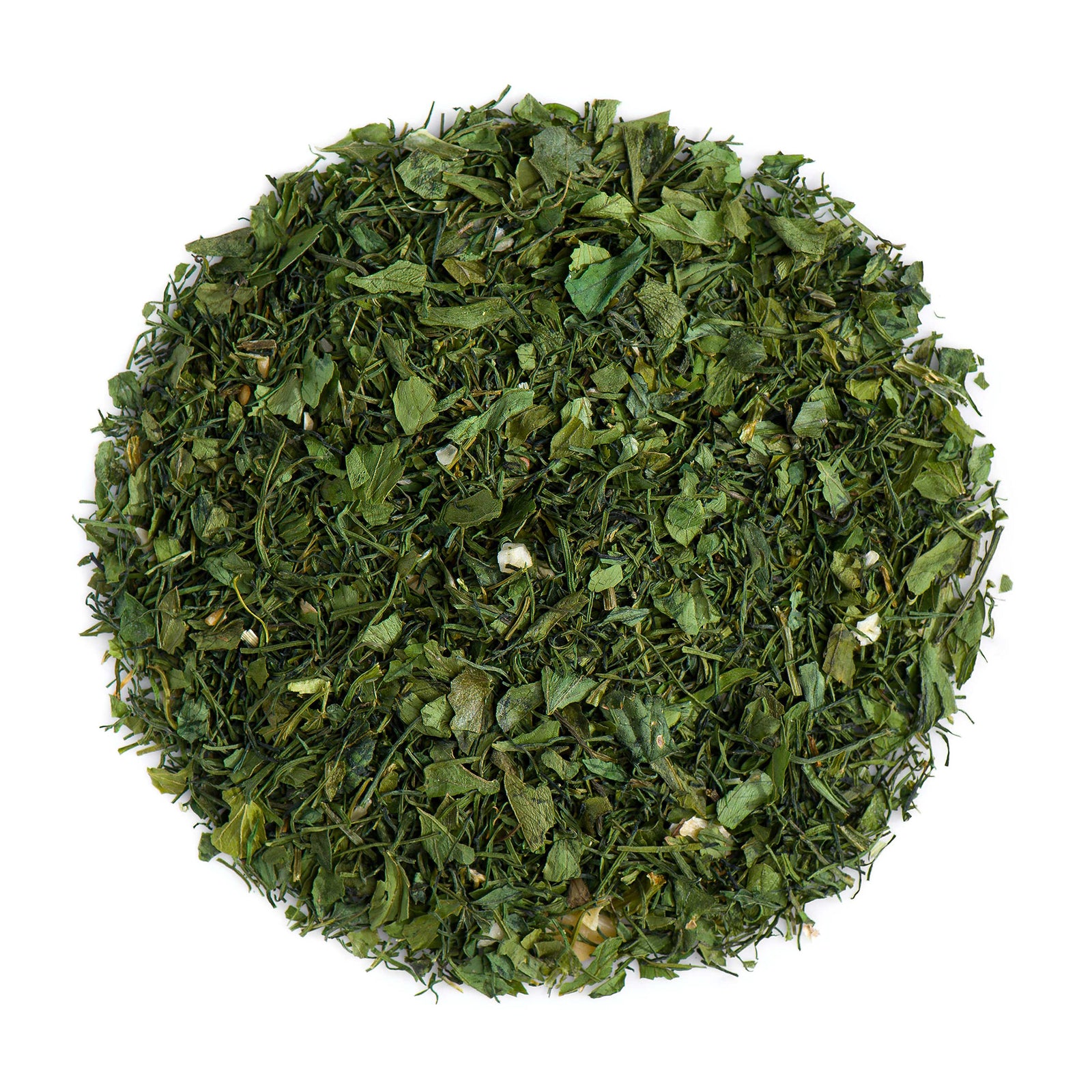
Teas Featured in This Article

Schreiben Sie einen Kommentar
Kommentare werden vor der Veröffentlichung genehmigt.
Vollständigen Artikel anzeigen
The Complete Guide to Drinking Tea
What tea is, how the main types differ in the cup, and how to brew each one properly. Water temperature, steeping times, storage and how to get more than one cup from your leaves.
Vollständigen Artikel anzeigen
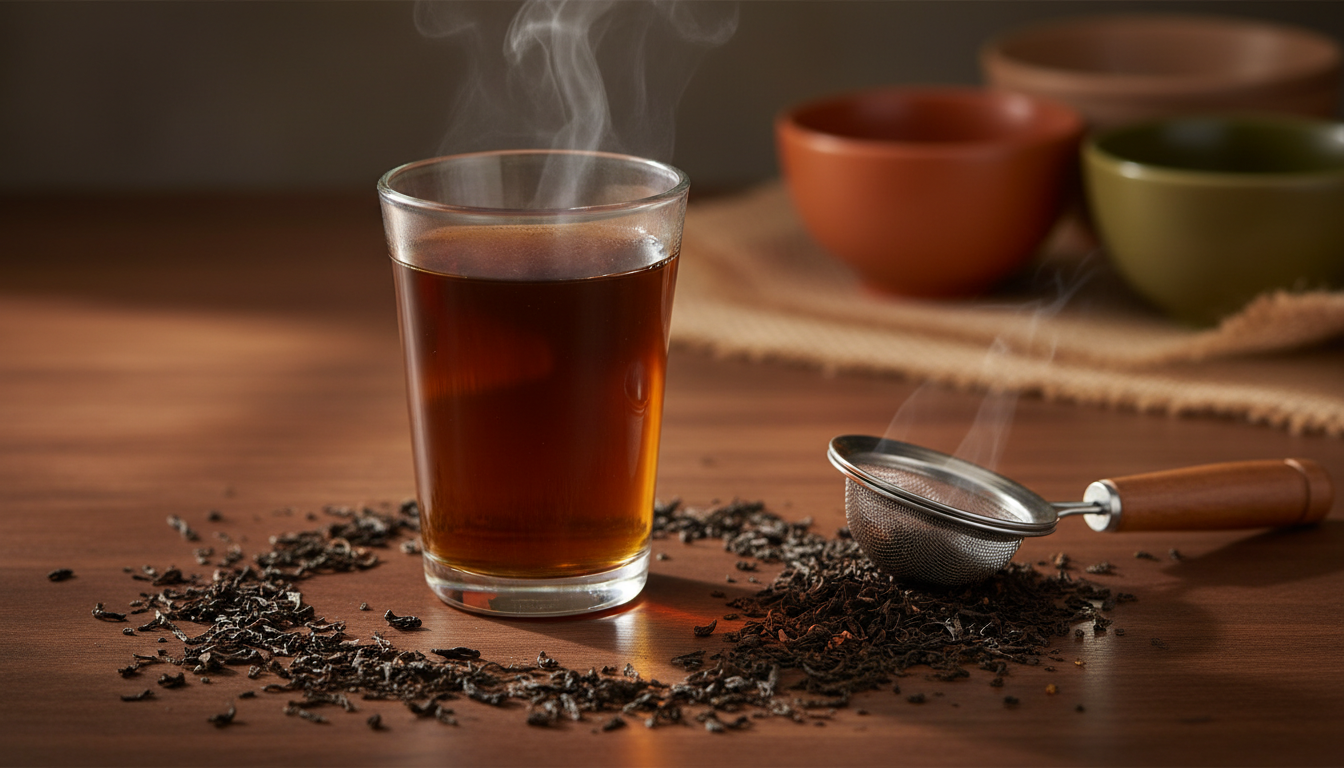

Schwarztee: Sorten, Herstellung, Zubereitung
Black tea is fully oxidized Camellia sinensis. Compare Assam, Darjeeling, Keemun, and Ceylon varieties. Learn processing, brewing, and caffeine levels.
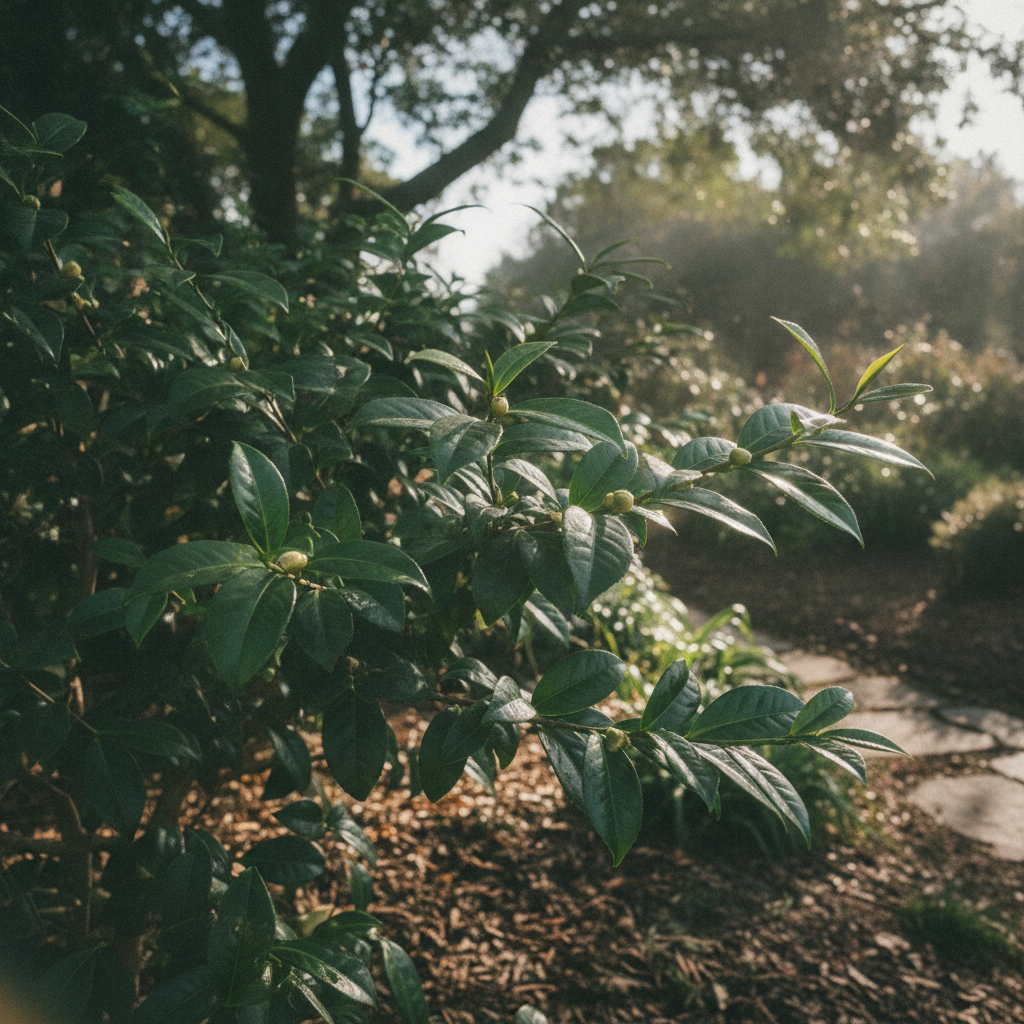

How To Grow Black Tea
Learn how to grow black tea at home: soil, climate, and the five processing steps from fresh leaf to a finished cup of black tea.

Weisheit ist der Weg zu besserem Tee.
Unsere kostenlose Brühanleitung: das richtige Wasser, die richtige Temperatur und die passende Ziehzeit für jeden Tee, den wir führen. Neue Ernten erfahren Sie zuerst.
Kein Spam. Jederzeit abbestellbar.
Sehen Sie in Ihr Postfach.
Die Anleitung ist unterwegs.