












Lemon Balm Tea for Babies: Safe?
Why Infant Safety Is a Different Standard
Giving an herbal tea to a baby is not the same as giving it to an adult or even a school-age child. The difference is physiological, not just one of caution.
Infants under six months have digestive systems that are still developing. Liver enzymes, gut flora, and renal function are all immature at this stage, which means herbal compounds are metabolised unpredictably. An amount a toddler handles without any reaction may behave very differently in a two-month-old.
There is also a nutritional displacement problem that is easy to underestimate. The World Health Organization and the American Academy of Pediatrics both recommend exclusive breastfeeding to six months. Any liquid given alongside breast milk or formula occupies stomach volume and can reduce calorie intake. Even a small amount of tea given regularly can affect weight gain in an infant who has very little nutritional reserve.
This is not theoretical: it is one of the reasons paediatricians consistently advise against herbal teas at this age, regardless of the herb involved.
The third issue is the absence of controlled trial data. Lemon balm, like most herbs, has not been tested in randomised controlled trials in infants. "No known serious risks in small amounts" and "clinically shown to be safe in infants" are not the same statement. Before giving any herbal tea to a baby under six months, speak to your paediatrician. That applies regardless of which herb you are considering.
What Is and Is Not Known for Young Children
Published data on lemon balm in young children is very limited.

There is no published research on lemon balm tea on its own in infants, and nothing that reflects a tea brewed at home.
For lemon balm used on its own in this age group, data is sparse. No serious adverse events have been reported in children given small amounts, but that reflects an absence of large trials rather than a confirmed safety record. Absence of reported harm is not the same as demonstrated safety.
Lemon balm has a long history in European gardens and kitchens, and long-standing household practice is not clinical evidence.
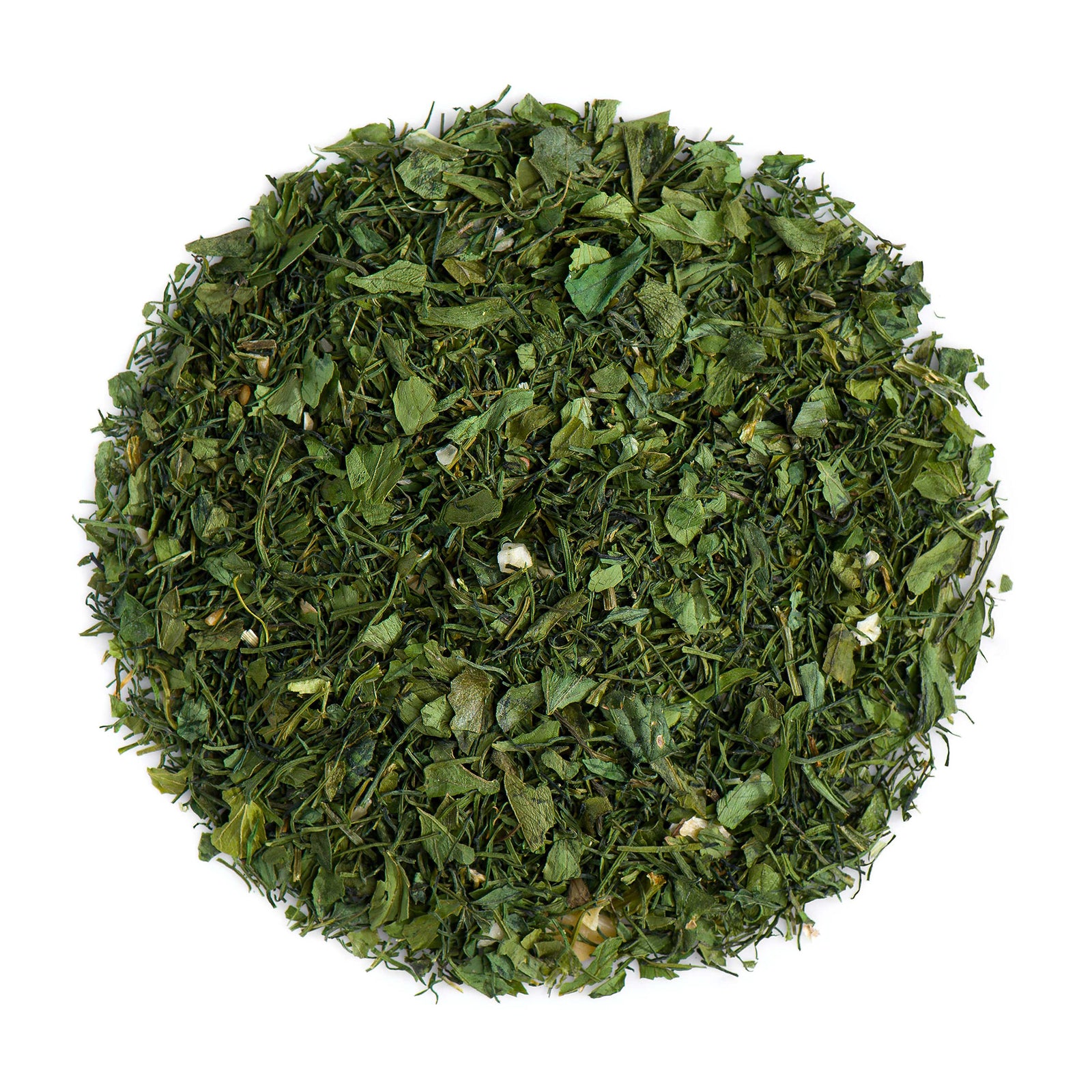
Quality is worth considering in this context. The characteristic compounds, particularly rosmarinic acid and the citral that gives lemon balm its lemon character, degrade quickly in poorly stored leaf. Fresh, well-stored leaf gives a noticeably brighter lemon aroma in the cup than old or poorly stored leaf.
We source certified organic lemon balm from Portugal and Greece, and the quality check is always the scent: it needs to be concentrated lemony goodness, sweet with a coating aroma. Anything less gets rejected. Even with good leaf, covering the cup during steeping matters — citral and citronellal are volatile and escape as steam if you leave the cup uncovered. You can find our organic lemon balm in the shop.
Customers occasionally write that they enjoy a cup of lemon balm as a family during a quiet moment together. That is the kind of use I can speak to directly. For infant-specific medical questions, I direct people to their paediatrician — that is the only responsible answer when the evidence base is this thin.

Age-Based Guidelines for Parents
These guidelines reflect current conservative practice. They are a starting framework, not a substitute for medical advice. Always confirm with your paediatrician before giving any herbal tea to a child under 12 months.
Under 6 months: Not recommended. The WHO and AAP exclusive breastfeeding recommendation applies in full at this age. Do not give any herbal tea at this age, including lemon balm tea for babies, and take any questions about your baby to your doctor or health visitor.
6 to 12 months: Use only under medical supervision. If a paediatrician agrees, the preparation should be very weak: a small amount of dried leaf steeped briefly in boiling water, then strained and cooled fully. Keep quantity to a maximum of around 60 ml (roughly a quarter cup) per occasion. Do not add honey: honey carries a botulism risk for any child under 12 months, regardless of the herbal context.
1 to 3 years: Dilution remains important even at this age. A reasonable starting point is a quarter teaspoon of dried lemon balm leaf per 250 ml of water, steeped for 5 minutes and cooled fully before serving. Limit to around half a cup per day. Avoid making this a daily habit unless discussed with a doctor.
If your child is on any medication, particularly anything affecting the nervous system or thyroid, check with your doctor before introducing lemon balm regularly. Interactions at these sensitive developmental stages are not something to guess at.
The Bottom Line
Lemon balm tea for babies under six months is not appropriate, and the nutrition guidelines from WHO and AAP make the reasoning clear. For babies between six and twelve months, the standard is medical supervision and genuine dilution, with a realistic eye on the limited evidence base. For toddlers over one year, many parents across Europe serve small and properly prepared amounts as an occasional drink.
The default position across all ages: talk to a paediatrician first. That is not a hedge. It is the only responsible starting point when the evidence is as limited as it is, and when the child involved is still in a critical period of development.

Related Articles
Schreiben Sie einen Kommentar
Kommentare werden vor der Veröffentlichung genehmigt.
Vollständigen Artikel anzeigen
The Complete Guide to Drinking Tea
What tea is, how the main types differ in the cup, and how to brew each one properly. Water temperature, steeping times, storage and how to get more than one cup from your leaves.
Vollständigen Artikel anzeigen
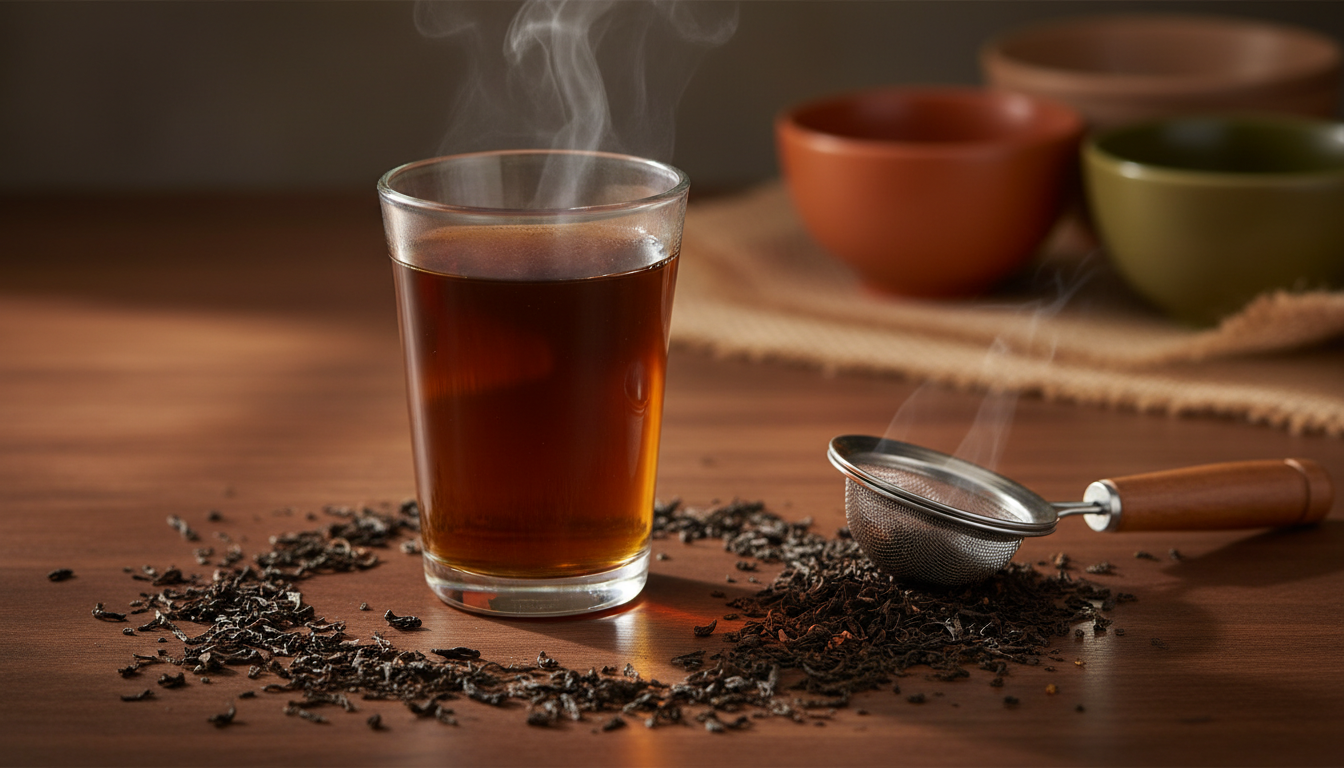

Schwarztee: Sorten, Herstellung, Zubereitung
Schwarztee ist vollständig oxidierter Tee aus der Camellia sinensis. Vergleiche Assam, Darjeeling, Keemun, Ceylon und Dian Hong. Erfahre mehr über Herstellung, Zubereitung und Koffeingehalt.
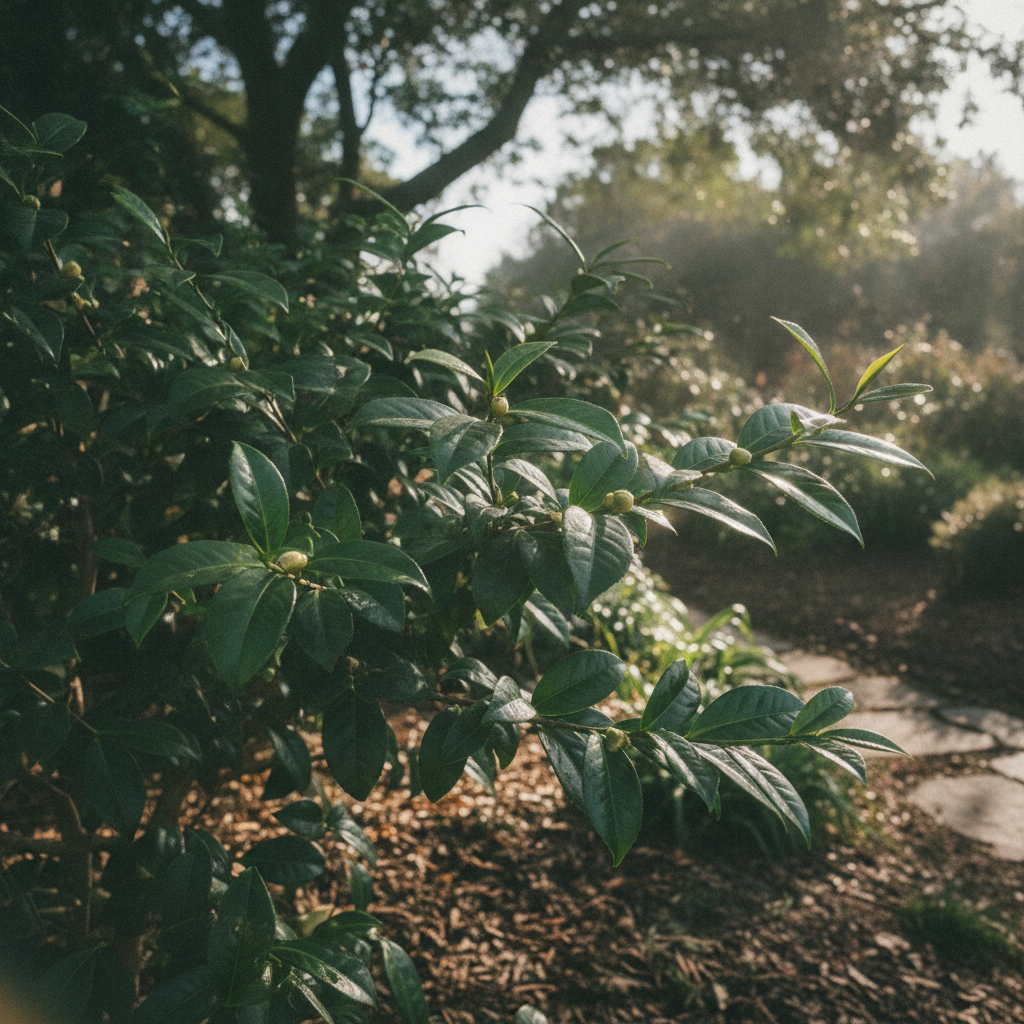

How To Grow Black Tea
Learn how to grow black tea at home: soil, climate, and the five processing steps from fresh leaf to a finished cup of black tea.

Weisheit ist der Weg zu besserem Tee.
Unsere kostenlose Brühanleitung: das richtige Wasser, die richtige Temperatur und die passende Ziehzeit für jeden Tee, den wir führen. Neue Ernten erfahren Sie zuerst.
Kein Spam. Jederzeit abbestellbar.
Sehen Sie in Ihr Postfach.
Die Anleitung ist unterwegs.