













What Is Rooibos Tea? Discover Its Caffeine-Free Charm
If you have ever wished for a cup of tea you could drink at any hour without worrying about sleep, rooibos deserves a spot on your shelf. This South African plant produces a naturally caffeine-free drink with a smooth, slightly sweet taste that stands on its own or blends well with almost anything.
Rooibos (pronounced "ROY-boss") is not technically tea. It comes from the Aspalathus linearis shrub, not the Camellia sinensis plant that gives us black, green, white, and oolong tea. But that technicality barely matters in the cup. Rooibos brews like tea, steeps like tea, and satisfies like tea. For many people, it fills the exact role that traditional tea does, minus the caffeine.

In this guide, we will walk through what makes rooibos different from other teas and tisanes, how it tastes, how to brew it properly, and who benefits most from adding it to their routine. Whether you are brand new to rooibos or looking to deepen what you already know, this is the place to start.
What Makes Rooibos Special
Rooibos grows exclusively in the Cederberg region of South Africa, a mountainous area about 200 kilometers north of Cape Town. The plant thrives in the sandy, acidic soil and hot summers of this small geographic zone. Attempts to cultivate it elsewhere have largely failed, which makes rooibos one of the few beverages tied to a single origin in the world. In 2021, the European Union granted rooibos Protected Designation of Origin (PDO) status — the first African food product to receive this recognition — confirming that only Aspalathus linearis grown in the Cederberg qualifies as genuine rooibos. A 2023 scoping review published in Nutrients (2024) Central provides an overview of the plant's composition and documented health research to date.
After harvesting, rooibos leaves and stems are cut, bruised, and left to oxidize in the open air. This process turns the green plant material into the deep reddish-brown color that gives rooibos its other common name: red bush tea. The oxidation also develops the characteristic sweetness and rounded flavor.
There is also green rooibos, which skips the oxidation step. Green rooibos has a lighter, more grassy taste and a pale golden color. It is less common than the oxidized red version but worth trying if you prefer something more delicate.
What sets rooibos apart from other herbal infusions is its body. Many caffeine-free alternatives, like chamomile or peppermint, are light and thin in the cup. Rooibos has a noticeable weight and richness to it. It feels more like drinking an actual tea than sipping flavored water, which is exactly why so many people reach for it as an evening replacement for black tea.
Rooibos Flavor Profile
The first thing most people notice about rooibos is its natural sweetness. Not sugary sweetness, but a mild, rounded quality that means many drinkers enjoy it without any sweetener at all.

Beyond that baseline sweetness, rooibos carries notes of:
- Honey and caramel — subtle warm tones that develop during oxidation
- Vanilla — a soft background note, especially in high-quality loose leaf rooibos
- Woody and nutty undertones — a gentle earthiness that keeps the flavor grounded
- A slight mineral quality — sometimes described as "dry" on the finish
Rooibos does not have the astringency or bitterness you might associate with black or green tea. You can steep it for a long time without it turning harsh. This forgiving nature makes it one of the easiest teas to brew well, even if you are not precise about timing.
The flavor of rooibos is mild enough to serve as a base for blends but distinct enough to drink on its own. It pairs naturally with vanilla, cinnamon, citrus, ginger, and chocolate. It also takes well to milk, which is how many South Africans traditionally drink it.
Caffeine-Free by Nature
This is the single biggest reason people come to rooibos: it contains zero caffeine. Not low caffeine. Not reduced caffeine. Zero.
This matters because rooibos is naturally caffeine-free at the plant level. It is not decaffeinated through a chemical process the way some black or green teas are. There is nothing removed and nothing added. The Aspalathus linearis plant simply does not produce caffeine.
For anyone avoiding caffeine, whether by choice or necessity, this distinction is meaningful. Decaffeinated teas still contain trace amounts of caffeine, and the decaffeination process can alter flavor. Rooibos sidesteps both issues entirely. A 2024 systematic review in the Journal of Tea Science Research confirms rooibos's unique phytochemical profile — including its complete absence of caffeine — and documents its antioxidant properties.

This makes rooibos suitable for drinking at any time of day, including right before bed. It also makes it a practical option for people who are sensitive to caffeine, those who are pregnant or breastfeeding (always check with your doctor on specifics), or anyone who simply wants to cut their caffeine intake without giving up a warm, satisfying drink.
Brewing Rooibos: Hot, Iced, and Latte
One of the best things about rooibos is how forgiving it is to brew. Unlike green tea, which can turn bitter if the water is too hot, or white tea, which needs careful attention, rooibos is nearly impossible to ruin.
Hot Rooibos
- Water temperature: Full boiling, 100 degrees Celsius (212 degrees Fahrenheit)
- Amount: 1 heaping teaspoon of loose leaf rooibos per cup (about 2.5 grams per 250 ml)
- Steep time: 5 to 7 minutes for a full-bodied cup; up to 10 minutes if you want maximum flavor extraction
- Resteeping: Rooibos can handle a second steep, though the flavor will be lighter. Add a minute or two to the steep time.
Use freshly boiled water and do not worry about overshooting the temperature. Rooibos handles boiling water without complaint. If you prefer a lighter cup, reduce the steep time to 3 or 4 minutes rather than reducing the amount of leaf.
Add milk if you like. A splash of whole milk or oat milk complements the natural sweetness well. Honey also works, though many people find they do not need it.
Iced Rooibos
Rooibos makes an excellent iced tea because its low tannin content means it will not turn cloudy when chilled, a common problem with black tea.
Hot brew method: Brew a concentrated batch using double the usual amount of rooibos (2 teaspoons per cup) and steep for 7 minutes. Pour directly over a full glass of ice. The ice dilutes the concentrate to proper drinking strength.

Cold brew method: Add 2 tablespoons of loose leaf rooibos to a liter of cold or room temperature water. Refrigerate for 6 to 12 hours. Strain and serve. Cold-brewed rooibos is exceptionally smooth, with even less of the woody notes and more of the natural sweetness.
Iced rooibos works well with a squeeze of lemon or orange, a sprig of fresh mint, or a small amount of honey stirred in while still warm.
Rooibos Latte
A rooibos latte (sometimes called a "red latte" in South Africa) is a genuine alternative to a coffee latte, not just a gimmick.
Brew rooibos strong: use 2 teaspoons of loose leaf in about 120 ml of boiling water, steeped for 7 to 10 minutes. This gives you a concentrated base. Froth or heat about 180 ml of milk (dairy or plant-based) and combine. The natural sweetness of rooibos means you may not need any added sugar.
Vanilla rooibos works particularly well as a latte base, as the vanilla notes amplify with the milk.
Rooibos vs Black Tea vs Herbal Tea
Understanding where rooibos fits helps explain why it has its own category in many tea collections.

| Rooibos | Black Tea | Herbal Tea (e.g., Chamomile) | |
|---|---|---|---|
| Plant | Aspalathus linearis | Camellia sinensis | Various herbs and flowers |
| Caffeine | None | 40-70 mg per cup | Usually none |
| Body | Medium to full | Full | Light to medium |
| Tannins | Low | Moderate to high | Varies |
| Bitterness risk | Very low | Moderate (if oversteeped) | Low |
| Milk compatibility | Good | Good | Usually poor |
| Steep tolerance | Very forgiving | Precise timing helps | Varies |
The key takeaway: rooibos offers the body and richness closer to black tea but with the caffeine-free benefit of herbal tea. It occupies a middle ground that neither category fully covers on its own.
If you currently drink black tea in the evening and find it keeps you up, rooibos is the most natural switch. You will not get the exact same flavor, but the drinking experience — the weight in the cup, the warmth, and the ritual — all carry over.
Who Rooibos Is For
Rooibos is not trying to replace your morning Earl Grey or your afternoon Sencha. It fills a different role, and it fills it well.
Evening Drinkers
If your day ends with a hot drink but caffeine after 3 PM ruins your sleep, rooibos is the answer. It gives you a proper cup of something satisfying without any stimulant effect. Many rooibos drinkers report that it becomes their default evening ritual within weeks.
Children
Rooibos is one of the few "teas" that is genuinely suitable for children. No caffeine, no bitterness, naturally sweet, and mild enough to drink without added sugar. In South Africa, it has been given to children for generations. Serve it warm or as iced tea, depending on what they prefer.
Caffeine-Sensitive Individuals
Some people metabolize caffeine slowly and feel its effects for hours. For these individuals, even a cup of green tea at lunch can interfere with sleep. Rooibos removes the question entirely. You can drink it freely at any time without tracking your caffeine intake.

Tea Lovers Expanding Their Range
If you already enjoy black tea, green tea, and a few herbals, rooibos adds a genuinely different flavor profile to your collection. It is not a compromise or a substitute. It is its own thing, and it rewards attention the same way any good tea does.
People Who Want Simplicity
Rooibos does not require a thermometer, a timer, or specialized equipment. Boil water, add leaves, wait, drink. If you want a satisfying hot drink without fussing over brewing parameters, rooibos delivers.
Popular Rooibos Blends
Pure, unblended rooibos is excellent on its own, but blending is where rooibos really shows its versatility. Its mild, sweet base plays well with a wide range of ingredients.
Vanilla rooibos is the most popular blend for a reason. The natural vanilla and caramel notes in rooibos amplify when actual vanilla is added, creating something that tastes almost dessert-like without any sugar.
Rooibos chai uses traditional chai spices — including cinnamon, cardamom, ginger, and cloves — with rooibos as the base instead of black tea. The result is a caffeine-free chai that works beautifully with milk.
Citrus rooibos pairs orange peel, lemon myrtle, or bergamot with the earthy sweetness of rooibos. These blends are particularly good iced.

Honeybush and rooibos combines two South African plants. Honeybush is closely related to rooibos and adds an even sweeter, more floral dimension. This blend is as smooth as it gets.
Chocolate rooibos blends cacao nibs or chocolate flavoring with rooibos for a rich, warming cup. This one works especially well as a latte.
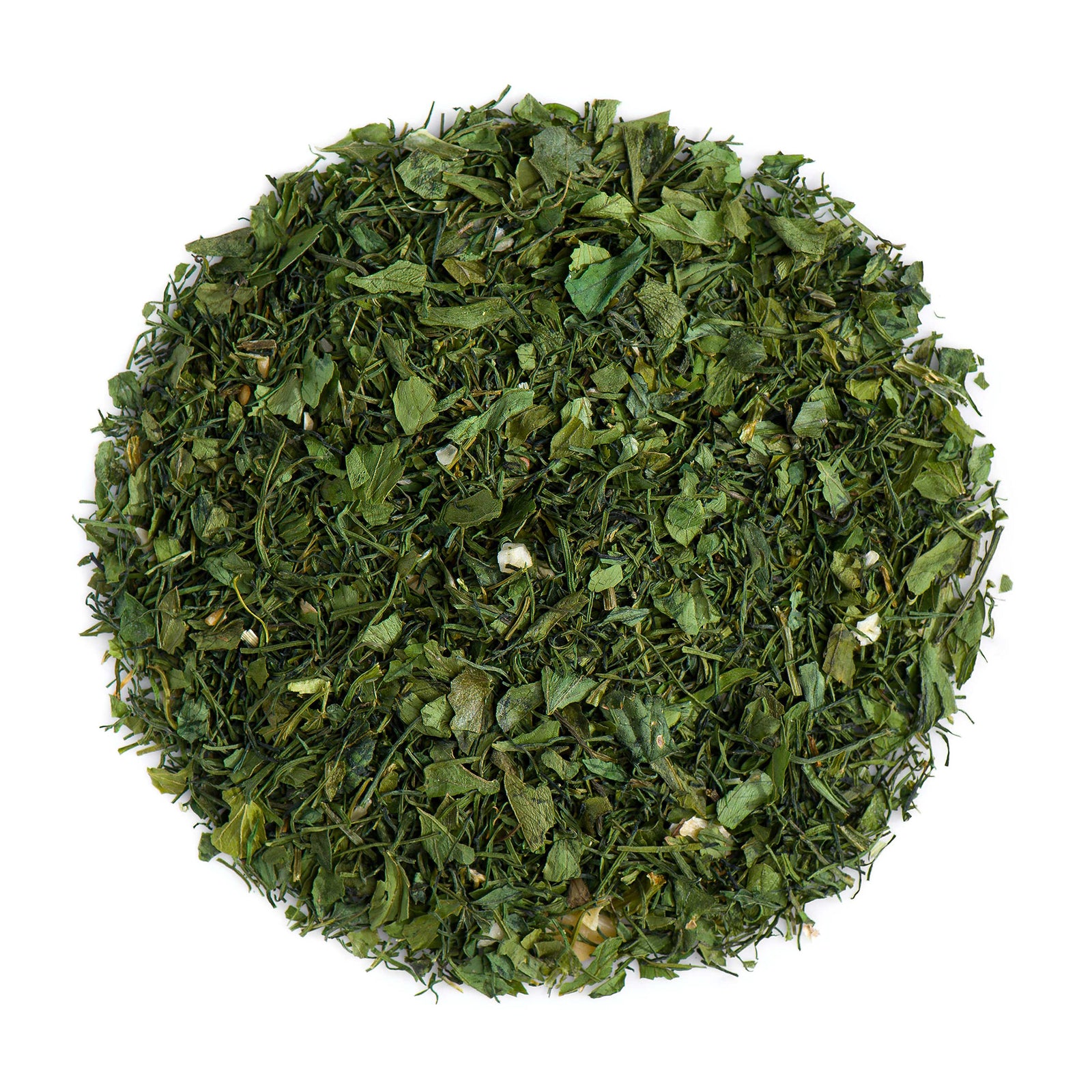
When choosing a rooibos blend, look for loose leaf rather than tea bags. Most supermarket rooibos is dust and fannings — the smallest, lowest-grade fragments left after processing. Our green rooibos is a long-needle whole leaf cut, which looks dramatically different from what you find in a grocery store bag and tastes it too. Whole-leaf rooibos produces a cleaner, more nuanced cup with the full flavor intact.
Getting Started with Rooibos
If you are trying rooibos for the first time, start with a good-quality loose leaf rooibos on its own. This gives you the baseline flavor before you explore blends.
Here is a simple approach:
- Buy loose leaf, not tea bags. Supermarket rooibos is almost always dust and fannings — the lowest-grade fragments. Loose leaf rooibos has larger pieces, more surface area doing useful work, and a flavor you will not find in a bag.
- Brew your first cup with boiling water for 5 minutes. This is the standard preparation and will give you a representative taste of what rooibos offers.
- Try it plain first, then with milk. See what you prefer. Both are legitimate ways to drink rooibos.
- Give it three or four cups. Rooibos has a unique flavor that some people take a few tries to fully appreciate. If the first cup does not blow you away, try it again before writing it off.
- Explore a blend. Once you know what plain rooibos tastes like, try vanilla rooibos or a rooibos chai to see how the base flavor works with other ingredients.
At Valley of Tea, we carry loose leaf rooibos sourced directly from South Africa. Whether you start with pure rooibos or one of our blends, you are getting the real thing.
Wrapping Up
Rooibos is one of those drinks that solves a real problem. You want something warm, flavorful, and satisfying, but you do not want caffeine. You want the ritual of making tea without worrying about bitter mistakes. You want something the whole household can drink, any time of day.
That is exactly what rooibos delivers. It is not trying to imitate black tea or replace your morning coffee. It is its own category: a naturally sweet, caffeine-free, deeply forgiving drink from a single small region of South Africa that has quietly built a global following.
Start with a good loose leaf rooibos, brew it simply, and see where it takes you. For most people, it becomes a permanent part of the rotation.
Schreiben Sie einen Kommentar
Kommentare werden vor der Veröffentlichung genehmigt.
Vollständigen Artikel anzeigen
The Complete Guide to Drinking Tea
What tea is, how the main types differ in the cup, and how to brew each one properly. Water temperature, steeping times, storage and how to get more than one cup from your leaves.
Vollständigen Artikel anzeigen

Schwarztee: Sorten, Herstellung, Zubereitung
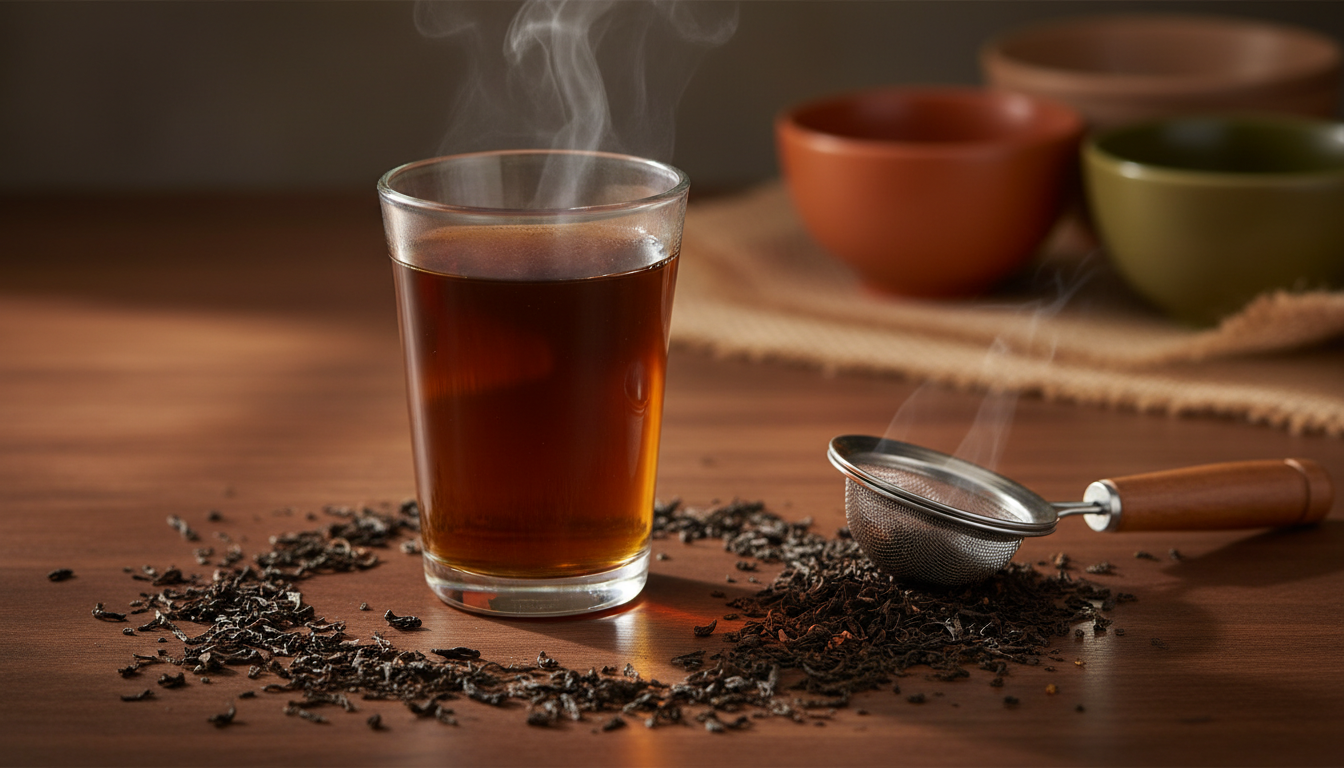
Black tea is fully oxidized Camellia sinensis. Compare Assam, Darjeeling, Keemun, and Ceylon varieties. Learn processing, brewing, and caffeine levels.
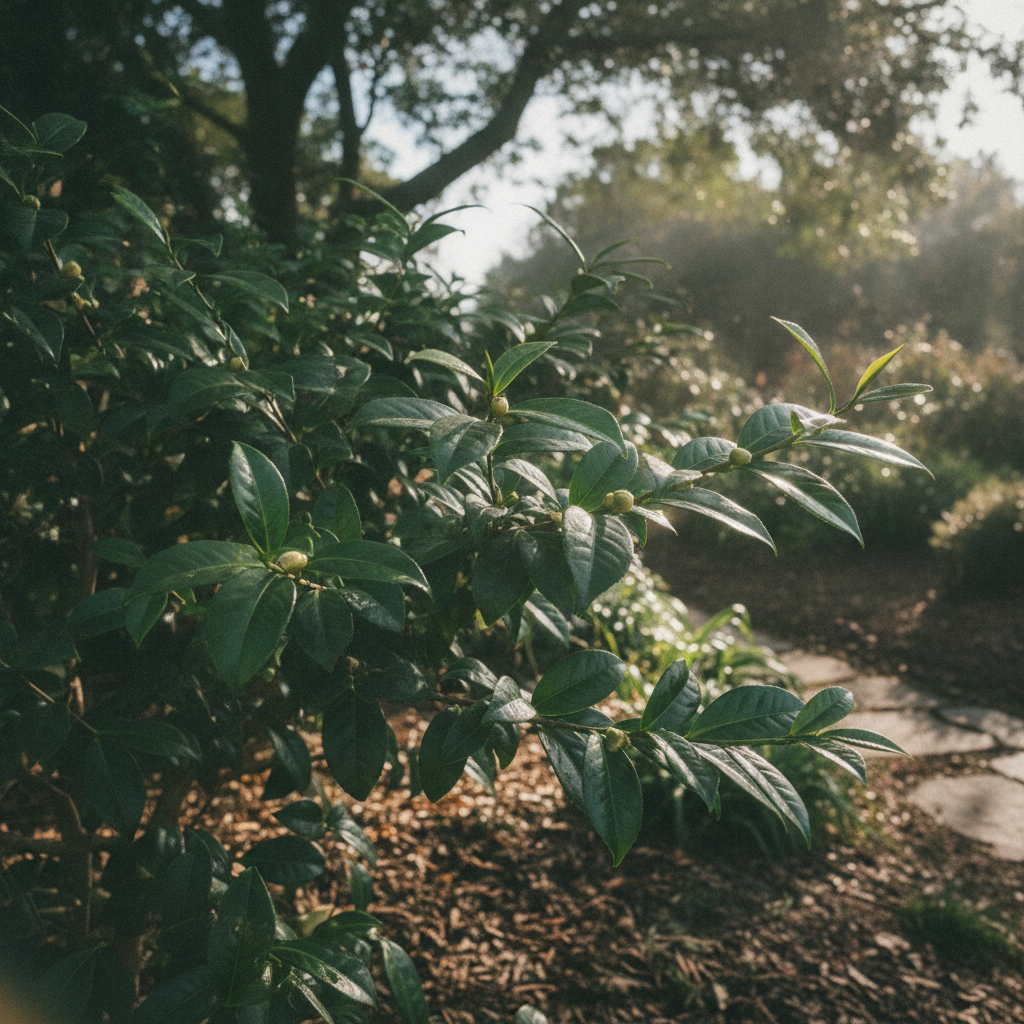

How To Grow Black Tea
Learn how to grow black tea at home: soil, climate, and the five processing steps from fresh leaf to a finished cup of black tea.

Weisheit ist der Weg zu besserem Tee.
Unsere kostenlose Brühanleitung: das richtige Wasser, die richtige Temperatur und die passende Ziehzeit für jeden Tee, den wir führen. Neue Ernten erfahren Sie zuerst.
Kein Spam. Jederzeit abbestellbar.
Sehen Sie in Ihr Postfach.
Die Anleitung ist unterwegs.