












What Is Valley of Tea Loose Leaf Tea?
Valley of Tea sells loose leaf tea. Every one of our 800+ products ships as whole or large-piece leaves, never sealed in bags, sachets, or pods. We built the entire business around this format because it produces better tea, cup after cup. This page explains what loose leaf tea actually is, why it outperforms bagged tea, and how to start brewing it at home with minimal equipment and zero guesswork.

What Is Loose Leaf Tea

Loose leaf tea is any tea sold as free leaves rather than confined inside a bag. Black, green, white, oolong, pu-erh, herbal, rooibos — every category exists in loose leaf form. The leaves can be whole (like Silver Needle white tea buds or hand-rolled Tie Guan Yin oolong pellets), partially broken (like a BOP-grade Ceylon black tea), or compressed and broken off before brewing (like aged pu-erh cakes). What they share is freedom: the leaves are not trapped in a small pouch during steeping.
Most tea bags contain fannings and dust — the smallest particles left over from the grading process. These fragments have enormous surface area relative to their mass, so they extract fast and deliver a quick, strong brew. But fast extraction means flat flavor. Everything releases at once. Loose leaf uses larger, more intact pieces that extract gradually, producing a cup with layers rather than a single note.
This is not a niche preference. Loose leaf is how tea has been produced and consumed for centuries across China, Japan, India, and Sri Lanka. The tea bag was invented in 1908 as a convenience shortcut. We respect the original format because it respects the leaf.
Why Whole Leaves Make Better Tea

The gap between loose leaf and bagged tea is not subtle. Brew the same tea in both formats side by side and the loose leaf version wins on aroma, depth, and finish every time. Three mechanisms explain why.
Leaf Integrity
Whole and large-piece leaves retain more of their volatile aromatic compounds than crushed fragments. When you open a pouch of quality loose leaf Darjeeling, the muscatel aroma is immediate and vivid. When you open a box of Darjeeling tea bags, that aroma is muted — the volatile compounds have already escaped from the shattered leaf surfaces during processing and storage. Intact leaves lock in flavor until the moment hot water releases it.
The cell structure of the leaf matters too. Whole leaves have intact cell walls that regulate how and when compounds dissolve. Broken particles have ruptured cells that dump everything into the water indiscriminately. The difference is comparable to biting into a fresh orange versus drinking orange juice from concentrate — same fruit, entirely different experience.
Controlled Extraction
Larger leaves release their chemical compounds in sequence rather than all at once. Sweet amino acids (like L-theanine) and delicate aromatics dissolve first. Body-building polyphenols follow. Astringent tannins arrive last. When you brew loose leaf correctly, you taste this progression — a light, sweet entry that builds into full body with a clean finish.
Tea bag dust skips the progression. High surface area means every compound extracts simultaneously. The result is a strong but one-dimensional cup that often tastes harsh, because the tannins hit your palate at the same time as everything else. This is why people add milk and sugar to bagged tea — they are compensating for the extraction profile, not enhancing the tea.
Re-Steeping
Quality loose leaf tea yields multiple infusions from the same leaves. This is not a gimmick — it is built into the leaf structure. Whole leaves release only a fraction of their compounds in each steep, leaving plenty for rounds two, three, and beyond. Each infusion reveals a slightly different character as deeper compounds emerge.
Typical re-steeping potential by type:
- \n- Oolong tea: 5-10 steeps (high-mountain Taiwanese oolongs can go even further)
- White tea: 3-5 steeps
- Green tea: 3-4 steeps
- Black tea: 2-3 steeps
- Pu-erh tea: 8-15 steeps
We test every tea in our catalog across multiple steeps before listing it. If it falls flat after the first infusion, it does not meet our standard.
Getting Started with Loose Leaf Tea

You need three things to start. Total investment: under 25 euros.
An infuser. A stainless steel basket infuser that sits inside your mug is the simplest, most effective tool. Choose a wide basket — not a small tea ball — so the leaves have room to expand. Tea leaves swell to three to five times their dry volume when fully saturated, and cramped leaves extract unevenly. A fine-mesh basket infuser costs 5-10 euros and lasts years. A kettle. Any kettle works to begin with. The single best upgrade later is a variable temperature kettle (25-40 euros), which lets you dial in precise water temperatures for different tea types. This matters more than most people expect — green tea brewed at 75 degrees C tastes sweet and vegetal, while the same tea hit with 100 degrees C boiling water turns bitter and astringent. Same leaves, different temperature, completely different cup. Tea. Start with something familiar. If you drink English Breakfast bags, try a loose leaf Assam — the malt and body will be recognizably similar but dramatically richer. If you drink green tea bags, try a loose leaf Sencha or Longjing (Dragonwell). The jump from bagged to loose leaf within the same tea type is the single biggest flavor upgrade most people ever experience.Valley of Tea's catalog spans over 800 products across black, green, white, oolong, pu-erh, herbal, rooibos, and spice categories. Everything is loose leaf. Browse by type, origin, or flavor profile and pick something that matches what you already enjoy.
How to Brew Loose Leaf Tea

The basic method is simple: measure the tea, heat the water to the right temperature, steep for the right time, remove the leaves. Here is the detail that makes the difference.
Dosage
Use 2-3 grams of tea per 200 ml of water. A kitchen scale is ideal, but 2-3 grams is roughly one level teaspoon for most teas. Dense rolled oolongs weigh more per spoonful; fluffy white teas weigh less. When in doubt, start with 2.5 grams and adjust next time based on taste.
Water Temperature by Tea Type
This is the single most impactful variable in your cup. Getting it wrong is the main reason people think they dislike certain teas.
| Tea Type | Temperature | Why It Matters | |---|---|---| | Green tea | 70-80 degrees C | Higher temps scorch the leaves and release bitter catechins | | White tea | 80-85 degrees C | Gentle heat preserves the delicate floral and honey notes | | Oolong tea (light) | 85-90 degrees C | Opens the rolled leaves without overwhelming the fragrance | | Oolong tea (roasted) | 90-95 degrees C | Higher heat draws out the toasted, caramel notes | | Black tea | 95-100 degrees C | Robust leaves need full heat for proper extraction | | Pu-erh tea | 95-100 degrees C | Aged leaves handle and need boiling water | | Herbal / Rooibos | 100 degrees C | No risk of bitterness; full boil extracts the most flavor |
If you do not have a variable temperature kettle, let boiling water sit for 2-3 minutes to reach roughly 80 degrees C, or 1 minute for roughly 90 degrees C. Not precise, but effective enough.
Steep Times
- \n- Green tea: 2-3 minutes
- White tea: 3-5 minutes
- Oolong tea: 3-4 minutes
- Black tea: 3-5 minutes
- Pu-erh tea: 3-5 minutes (first steep; reduce for subsequent steeps)
- Herbal and rooibos: 5-10 minutes
Remove the Leaves
This is the most important habit. Leaving the leaves sitting in water causes continuous extraction and turns any tea bitter. With a basket infuser, simply lift it out when time is up. If you brew freely in a teapot, pour all the liquid into cups or a serving pitcher so the leaves are not sitting in residual water.
Gongfu Brewing
For Chinese and Taiwanese teas — especially oolong and pu-erh — gongfu brewing is worth exploring. The method uses a higher leaf-to-water ratio and much shorter steep times:
- \n- Leaf: 5-7 grams per 100 ml
- First steep: 10-15 seconds
- Subsequent steeps: Add 5-10 seconds per round
- Total steeps: 5-15 depending on the tea
Is Loose Leaf Tea More Expensive?

On a per-cup basis, loose leaf tea is often cheaper than premium tea bags once you factor in re-steeping. Here is the math.
Loose leaf example: A tea priced at 8 euros per 100 grams, brewed at 3 grams per cup, costs 0.24 euros for the first cup. But those 3 grams yield 2-3 cups through re-steeping. Effective cost: 0.08 to 0.12 euros per cup. Premium tea bag example: A box of 20 sachets at 5 euros costs 0.25 euros per cup, with no option to re-steep. Budget tea bag example: A box of 100 basic bags at 3 euros costs 0.03 euros per cup. This is cheaper in absolute terms, but the flavor comparison is not meaningful — budget tea bags and quality loose leaf are fundamentally different products serving different purposes.The honest answer: loose leaf tea at any given price point outperforms bagged tea at the same price point. Whether the quality difference justifies the cost depends on your priorities. For most people who try both side by side, the answer is obvious within one cup.
At Valley of Tea, products start from a few euros per 100 grams. Even our premium single-origin teas, factoring in re-steeping, typically work out to well under 0.20 euros per cup.
Storing Loose Leaf Tea

Proper storage preserves flavor. Poor storage destroys it — sometimes within weeks.
Keep tea in an airtight, opaque container. A tin canister or a foil-lined resealable bag both work. Avoid clear glass jars; light degrades tea over time. Our packaging uses resealable pouches with foil lining that block both light and moisture. Once opened, either keep the pouch tightly sealed between uses or transfer to a dedicated tin. Store in a cool, dark, dry place. Away from the stove, away from the window, away from the kettle's steam. Room temperature is fine; refrigeration is unnecessary and introduces condensation risk. Keep tea away from strong odors. Tea leaves absorb surrounding smells aggressively. Storing tea next to your coffee, spice rack, or anything aromatic will taint the flavor. Give your tea its own shelf or drawer. Shelf life varies by type. Green tea is best within 6-12 months. Black tea holds for 1-2 years. Lightly oxidized oolong keeps 6-12 months; roasted oolong can last 2-5 years. Herbal teas hold for 1-2 years. Pu-erh actually improves with age — it is the only tea type where older is genuinely better.If your tea smells flat or stale when you open the container, it has lost character. Brew it anyway, but expect a muted cup. Use it as a sign to refresh your supply.
Valley of Tea's 800+ Loose Leaf Products

We carry over 800 teas, herbs, spices, and botanicals — every single one sold as loose leaf. The catalog spans:
- \n- Black tea from Assam, Darjeeling, Ceylon, Yunnan, and Fujian
- Green tea including Sencha, Longjing, Gunpowder, Bancha, and Gyokuro
- White tea from Fujian and beyond, including Silver Needle and White Peony
- Oolong tea from Taiwan and China's Fujian province — Tie Guan Yin, Da Hong Pao, Ali Shan, and more
- Pu-erh tea in both raw (sheng) and ripe (shou) styles
- Herbal teas including chamomile, peppermint, rooibos, hibiscus, lemon balm, and dozens more
- Single-origin and blended options across every category
Browse the full catalog at [valleyoftea.com](https://valleyoftea.com) and find loose leaf tea that matches your taste, your brewing style, and your budget. The switch from bags to loose leaf is the single best upgrade a tea drinker can make — and once you taste the difference, you will not go back.
Schreiben Sie einen Kommentar
Kommentare werden vor der Veröffentlichung genehmigt.
Vollständigen Artikel anzeigen
The Complete Guide to Drinking Tea
What tea is, how the main types differ in the cup, and how to brew each one properly. Water temperature, steeping times, storage and how to get more than one cup from your leaves.
Vollständigen Artikel anzeigen
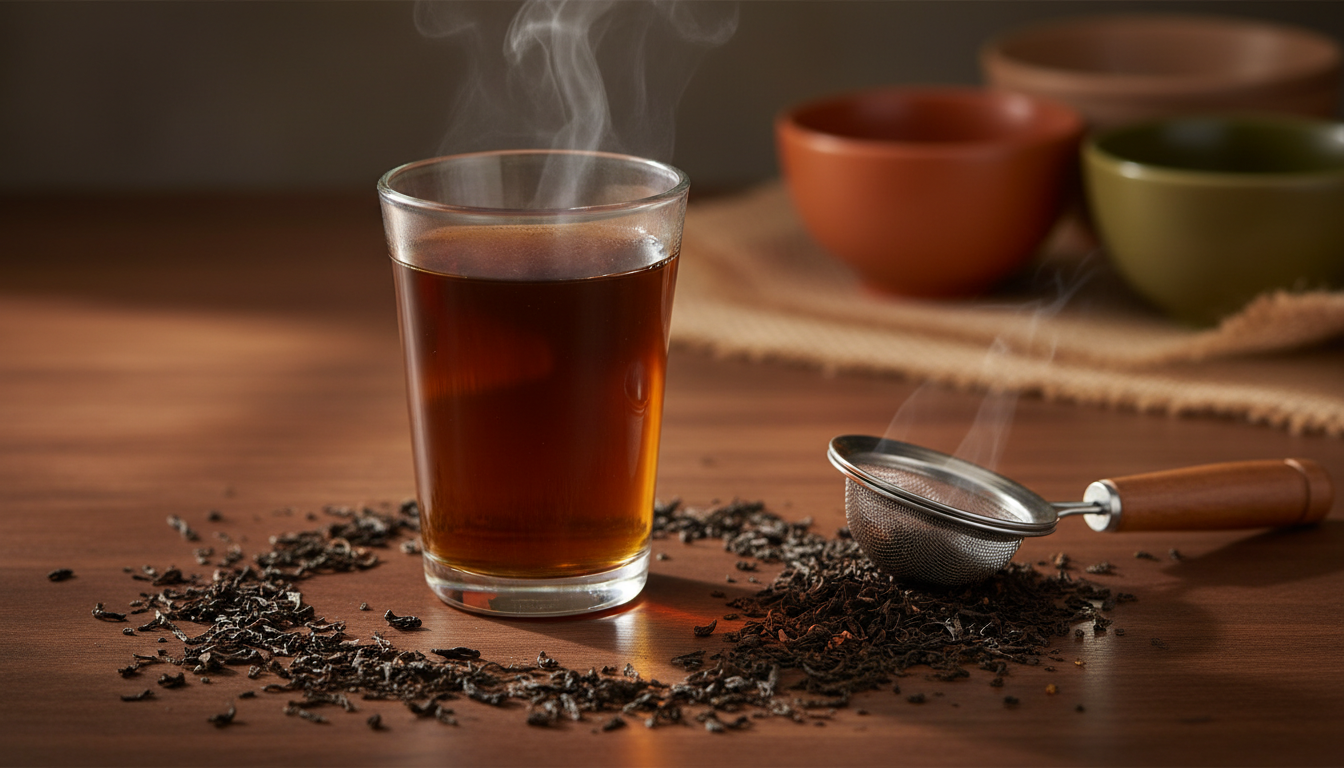

Schwarztee: Sorten, Herstellung, Zubereitung
Black tea is fully oxidized Camellia sinensis. Compare Assam, Darjeeling, Keemun, and Ceylon varieties. Learn processing, brewing, and caffeine levels.
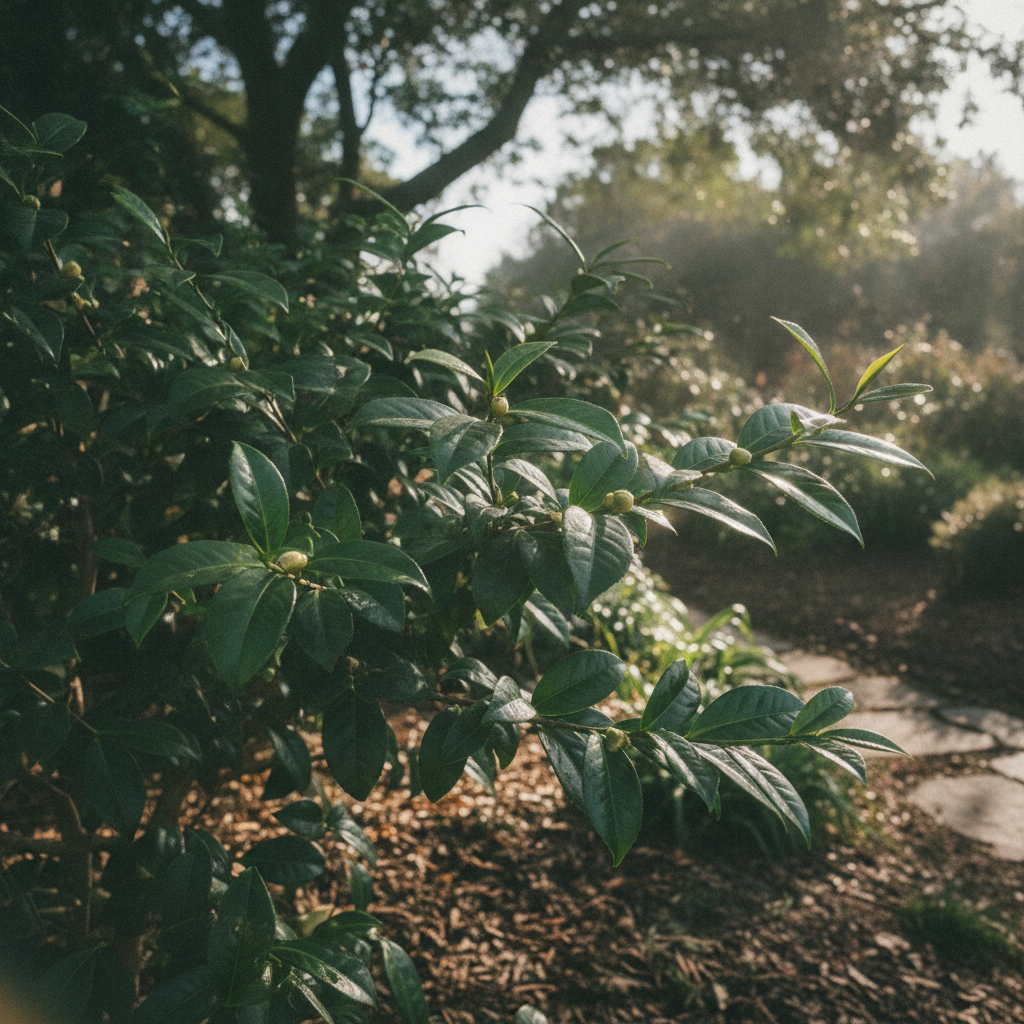

How To Grow Black Tea
Learn how to grow black tea at home: soil, climate, and the five processing steps from fresh leaf to a finished cup of black tea.

Weisheit ist der Weg zu besserem Tee.
Unsere kostenlose Brühanleitung: das richtige Wasser, die richtige Temperatur und die passende Ziehzeit für jeden Tee, den wir führen. Neue Ernten erfahren Sie zuerst.
Kein Spam. Jederzeit abbestellbar.
Sehen Sie in Ihr Postfach.
Die Anleitung ist unterwegs.