













Die Geschichte des weißen Tees
Der weiße Tee ist die am wenigsten verarbeitete aller Teesorten. Er ist zugleich die seltenste und teuerste. Doch jahrhundertelang blieb er außerhalb von Chinas Provinz Fujian fast unbekannt. Die Geschichte des weißen Tees beginnt an nebelverhangenen Berghängen, wo Teebauern eine Tradition der bewussten Zurückhaltung entwickelten.


Während Grüntee und Schwarztee die globalen Märkte dominieren, führt weißer Tee ein ruhigeres Dasein. Seine Produktion ist gering. Sein Geschmack ist zurückhaltend. Und das Handwerk dahinter hat sich über mehrere hundert Jahre bemerkenswert wenig verändert.
Ursprünge in der Provinz Fujian
Die frühesten Erwähnungen von weißem Tee stammen aus Chinas Song-Dynastie, die von 960 bis 1279 n. Chr. herrschte. Kaiser Huizong, der von 1100 bis 1126 regierte, schrieb ausführlich über Tee in seiner Abhandlung. Er beschrieb einen seltenen Tee aus den jüngsten Knospen, bedeckt mit feinem weißem Flaum, und lobte ihn als allen anderen überlegen.
Dieser Tee wurde in der Provinz Fujian im Südosten Chinas hergestellt, genauer gesagt in den Berggebieten rund um Fuding und Zhenghe. Diese Regionen liegen zwischen 600 und 1.000 Metern über dem Meeresspiegel, wo kühle Temperaturen und häufiger Nebel ideale Wachstumsbedingungen schaffen.
Während der Song-Dynastie galt weißer Tee als Tributtee, das heißt, er war dem kaiserlichen Hof vorbehalten. Das einfache Volk trank ihn nicht.
Fuding und Zhenghe: Zwei Traditionen, zwei Charaktere
Wenn von Fujian-Weißtee die Rede ist, meinen die meisten eine von zwei Regionen, und der Unterschied zwischen beiden ist größer, als die meisten Einführungen zugeben.
Fuding liegt an der Küste, mit maritimem Klima, hoher Luftfeuchtigkeit und relativ milden Wintern. Die dort vorherrschende Sorte ist Fuding Da Bai, auf Deutsch "Großes Weiß", und sie bringt Knospen hervor, die auffallend prall, dicht mit silbrigem Flaum bedeckt und durchweg aromatisch sind. Fuding-Weißtees tendieren zur zarten, blumigen Seite des Spektrums. Silver Needle aus Fuding besitzt eine klare, fast kristalline Süße mit einer leichten, vegetabilen Frische, die ihn sofort zugänglich macht. Von hier stammt der Großteil des international gehandelten Premium-Weißtees, und wer Silver Needle gekauft hat, ohne die Herkunft zu kennen, hatte fast sicher Fuding in der Tasse.
Zhenghe liegt im Landesinneren, in höherer Lage, mit einem kühleren, kontinentaleren Klima. Die Sorte Zhenghe Da Bai bringt größere, weniger dicht gepackte Blätter hervor, und die daraus entstehenden Tees haben einen merklich anderen Charakter. Wo Fuding zu Leichtigkeit und Blumigkeit neigt, geht Zhenghe in Richtung von etwas Runderem, leicht Holzigem, manchmal mit einer sanften Gewürznote beschrieben. Der Geschmack hat mehr Körper und eine tiefere, erdigere Präsenz, die manche für längere Teesitzungen als befriedigender empfinden. Zhenghe ist auf dem Exportmarkt weniger präsent, hat aber eine treue Anhängerschaft unter jenen, die Zeit mit beiden Stilen verbracht haben.
Keiner ist objektiv besser. Es sind unterschiedliche Ausdrucksformen derselben Tradition, geprägt von Geografie und Sorte. Beide nebeneinander zu probieren, ist einer der besten Wege, um zu verstehen, wie sehr Terroir bei einem so minimal verarbeiteten Tee zählt.
Warum er weißer Tee heißt

Der Name bezieht sich nicht auf die Farbe des aufgebrühten Tees, die von blassem Gelb bis hellem Bernstein reicht. Weißer Tee verdankt seinen Namen dem Aussehen der rohen Knospen selbst.

Die Sorte Da Bai bringt Knospen hervor, die mit feinem, silbrig-weißem Flaum bedeckt sind, sogenannten Trichomen. Werden diese Knospen im frühen Frühjahr geerntet, bevor sie sich vollständig öffnen, ist der weiße Flaum deutlich sichtbar. Nach dem Trocknen bleibt der Flaum erhalten und verleiht dem fertigen Tee ein silbriges, fast reifbedecktes Aussehen.
Die vier Haupttypen: von fein bis vollmundig
Weißer Tee wird in mehreren Graden hergestellt, und wer die Unterschiede zwischen ihnen versteht, bekommt ein deutlich klareres Bild davon, was er kauft und was ihn in der Tasse erwartet.
Silver Needle, auf Chinesisch Bai Hao Yin Zhen genannt, steht an der Spitze. Er wird ausschließlich aus der einzelnen ungeöffneten Knospe an der Triebspitze hergestellt, geerntet in einem engen Zeitfenster von nur wenigen Wochen im frühen Frühjahr. Die Knospe muss gepflückt werden, bevor sie sich öffnet und bevor Regen auf sie fällt, weshalb die Erntebedingungen eng mit dem Wetter verknüpft sind. Der Geschmack ist süß und honigartig, manchmal mit einer sehr leichten Gurken- oder Melonennote, und der Abgang ist klar und lang anhaltend. Es gibt keine herzhafte Kante, keine Bitterkeit, keine Rauheit. Ein gut gemachter Silver Needle gehört zu den reinsten Genüssen, wenn man ihn langsam trinkt. Unser Silver Needle stammt aus der Region Fuding, in der dieser Stil seinen Ursprung hat.
White Peony, oder Bai Mu Dan, enthält sowohl die Knospe als auch das erste eine oder zwei geöffnete Blatt darunter. Das gibt dem Tee einen etwas volleren Körper und ein komplexeres Geschmacksprofil. Wo Silver Needle ganz Zartheit ist, fügt White Peony leichte blumige Noten, einen leisen Holzton und etwas mehr Gewicht am Gaumen hinzu. Er bringt einen tieferen goldenen Farbton in der Tasse hervor und hält mehreren Aufgüssen besser stand. Für den täglichen Genuss ist dies oft die praktischere Wahl, mit mehr Geschmack pro Gramm und nachsichtigerer Zubereitung.
Gong Mei wird aus einer Knospe mit reiferen Blättern hergestellt, später in der Saison geerntet. Der Tee hat eine merklich wärmere, bernsteinfarbenere Tasse und einen volleren, runderen Geschmack mit etwas Honigsüße und milder Erdigkeit. Ihm fehlt die Finesse von Silver Needle oder White Peony, doch er hat seinen eigenen Charakter und reift besonders gut.
Shou Mei stammt aus der spätesten Ernte, mit größeren geöffneten Blättern und minimalem Knospenanteil. Er ergibt eine kräftige, bernstein- bis orangefarbene Tasse und einen Geschmack, der am weitesten von zart entfernt ist innerhalb der Weißtee-Familie, mit mehr Körper, einer leichten fruchtigen Note und manchmal einer milden, herzhaften Tiefe. Junger Shou Mei kann etwas ruppig wirken, doch nach ein paar Jahren Reifung verwandelt er sich in etwas wirklich Interessantes. Viele Sammler von gereiftem Weißtee bevorzugen Shou Mei sogar als Basis für lange Reifung, weil seine Dichte und Struktur ihm über die Zeit mehr Substanz zum Arbeiten geben.
Minimale Verarbeitung: schwieriger, als es klingt

Die Geschichte des weißen Tees ist vor allem eine Geschichte dessen, was mit dem Blatt nicht getan wird. Nach der Ernte werden die Knospen und Blätter einfach in natürlicher Luft und Sonnenlicht welken gelassen und anschließend getrocknet. Es gibt kein Rollen, kein Formen, kein Erhitzen in der Pfanne und keine gezielte Oxidation.
Das klingt einfach. Ist es aber nicht.
Bei der Herstellung von Grüntee und Oolong stehen dem Verarbeiter auf jeder Stufe aktive Eingriffsmöglichkeiten zur Verfügung: Hitzeeinwirkung, um die Oxidation zu stoppen, Rollen, um das Blatt zu formen, kontrolliertes Rösten, um Geschmack zu entwickeln. Geht etwas schief, gibt es oft Wege, es zu korrigieren. Bei weißem Tee gibt es fast keine Korrekturmöglichkeiten. Das Blatt kommt hinein, die Umgebung übernimmt die Arbeit, und am Ende erhält man entweder etwas Außergewöhnliches oder eben nicht.
Die Welkphase erfordert ständige Aufmerksamkeit für Temperatur und Luftfeuchtigkeit. Ist es zu heiß, oxidieren und verdunkeln die Blätter zu schnell. Ist es zu kühl oder feucht, bildet sich Schimmel. Erfahrene Hersteller beobachten den Prozess genau, manchmal über 48 bis 72 Stunden, passen die Luftzirkulation an und bewegen die Trockengestelle zwischen Innen- und Außenbereich, während sich das Wetter ändert. Traditionelles Welken im Freien auf Bambusgestellen wird in Fuding und Zhenghe noch immer praktiziert, und erfahrene Hersteller können Himmel, Wind und Blätter gemeinsam lesen, um zu wissen, wann sie eingreifen müssen.
Was es besonders anspruchsvoll macht, ist die vollständige Abhängigkeit vom Wetter. Eine Reihe bewölkter, feuchter Tage während der Erntespitze kann eine ganze Charge zerstören. Das Frühlingswetter in Fujian ist unberechenbar, und der beste Silver Needle kann nur an klaren Morgen geerntet werden, wenn die Blätter trocken sind. Regen ruiniert ihn sofort. Das ist einer der Gründe, warum erstklassiger Silver Needle aus einem guten Erntejahr unter guten Bedingungen den Preis rechtfertigt, den er hat. Das Produkt weniger perfekter Wochen, ohne jede Möglichkeit einzugreifen, wenn diese Wochen ausbleiben.
Warum weißer Tee mehr kostet

Mehrere Faktoren machen weißen Tee zur teuersten Teekategorie. Das Erntefenster ist kurz und dauert in der Regel nur wenige Wochen im Jahr. Nur die jüngsten Knospen kommen für Spitzengrade wie Silver Needle infrage, und jede Knospe muss einzeln von Hand gepflückt werden. Für ein einziges Kilogramm fertigen Silver Needle sind über 10.000 einzelne Knospen nötig.
Die Produktionsmenge ist von Natur aus begrenzt. Fujians Anbaugebiete für weißen Tee sind nicht groß, und die Sorte Da Bai liefert vergleichsweise geringe Erträge. In Verbindung mit der steigenden weltweiten Nachfrage halten diese Einschränkungen die Preise hoch.
Gereifter weißer Tee: die dritte Dimension
Bis vor etwa fünfzehn Jahren begegnete man gereiftem weißem Tee fast nur zufällig, in vergessenen Dosen, die im hinteren Teil eines Fujian-Händlerladens standen. Heute ist er zu einer bewussten und wachsenden eigenen Kategorie geworden, und das aus gutem Grund.
Das chinesische Sprichwort zu gereiftem weißem Tee lohnt sich zu kennen: ein Jahr Tee, drei Jahre Medizin, sieben Jahre Schatz. Ob man den im mittleren Teil enthaltenen Gesundheitsversprechen zustimmt oder nicht, der beschriebene Geschmacksbogen trifft zu. Frischer weißer Tee ist zart, blumig und klar. Nach drei Jahren verschiebt sich etwas. Die frischen grünen Kopfnoten verblassen, und was entsteht, ist wärmer, runder und komplexer, mit Honig, getrockneter Aprikose und manchmal einer leichten holzigen Tiefe. Nach sieben Jahren und darüber hinaus, besonders bei Presslingen aus Gong Mei oder Shou Mei, entsteht etwas, das einen Charakter entwickelt, der an gereiften Pu-Erh erinnert, mit erdiger Wärme, geschmeidigem Körper und einem langen, herzhaften Abgang.
Gereifter weißer Tee muss sorgfältig gelagert werden, um sich gut zu entwickeln. Er braucht niedrige Luftfeuchtigkeit, Abstand zu starken Gerüchen und etwas Luftzirkulation. Gepresste Kuchen reifen gleichmäßiger als loses Blatt, weil die verdichtete Form den Prozess verlangsamt und die Umwandlung ausgleicht. Manche Sammler kaufen bewusst fünf Kilogramm eines guten Erntejahrs und öffnen jedes Jahr einen Teil, um den Fortschritt zu verfolgen.
Diese Kategorie verdient Aufmerksamkeit. Die besten gereiften weißen Tees, besonders gut gelagerter Silver Needle aus Fuding aus starken Erntejahren, werden zu Preisen verkauft, die mit gereiftem Pu-Erh vergleichbar sind. Der Unterschied besteht darin, dass sie im Verhältnis zu ihrer Qualität noch immer deutlich unterbewertet sind. Wer neugierig ist, sollte mit einem drei bis fünf Jahre alten White Peony oder Gong Mei beginnen, bevor er in etwas Teureres investiert. Die Veränderung des Charakters von frisch zu gereift ist sofort spürbar und zeigt schnell, ob einen das anspricht.
Weißer Tee jenseits von Fujian
Fujians Vorherrschaft in der Kategorie weißer Tee ist real, doch die Verarbeitungsmethode hat sich verbreitet, und einige der Ergebnisse sind wirklich interessant.
Yunnan Moonlight White, oder Yue Guang Bai, ist wohl die meistdiskutierte Alternative. Er wird aus großblättrigen Yunnan-Sorten hergestellt, denselben Pflanzen, die auch für Pu-Erh verwendet werden, jedoch im Stil des weißen Tees verarbeitet. Die Blattstruktur unterscheidet sich vollständig von Fuding Da Bai, und der daraus entstehende Tee sieht auffällig aus, mit dunklen Blättern und weiß-silbrigen Knospen im selben Material. In der Tasse ist er vollmundiger und kräftiger als Fujian-Weißtee, mit Steinobstnoten, einer leichten Erdigkeit und deutlich mehr Körper. Er zeigt vom ersten Tag an Geschmacksprofile, die an gereiften weißen Tee erinnern, im Vergleich zu frischem Fujian-Weißtee. Interessant ist er vor allem dafür, was er darüber zeigt, wie sehr die Sorte die Tasse beeinflusst, selbst wenn die Verarbeitung gleich bleibt.
Darjeeling-Weißtee gibt es, doch hier ist etwas Skepsis angebracht. Das meiste, was als Darjeeling-Weiß verkauft wird, ist eine erste Pflückung (First Flush), minimal verarbeitet, aber nicht durch echtes Welken im Stil des weißen Tees. Das Ergebnis kann angenehm und deutlich Darjeeling-typisch sein, mit Muskatellernote und blumiger Frische, doch es hat ebenso viel mit dem Terroir wie mit dem Verarbeitungsstil zu tun. Einen Versuch wert, wenn man auf ein bestimmtes Gut-Angebot stößt, als eigene Kategorie aber weniger lohnend zu suchen.
Nepal, Sri Lanka und Kenia produzieren allesamt kleine Mengen an weißem Tee, und die Qualität schwankt enorm. Die ehrliche Antwort ist, dass keines davon Fujian im Spitzensegment erreicht hat, teils weil die Sorten andere sind, teils weil sich die über Jahrhunderte in Fuding und Zhenghe gewachsene Tradition und das stillschweigende Wissen nicht automatisch übertragen lassen. Nepal hat allerdings, insbesondere aus hochgelegenen Gärten, tatsächlich einige durchaus gute weiße Tees hervorgebracht, und die Preise liegen deutlich unter vergleichbarem Material aus Fujian.
Guten weißen Tee kaufen: worauf zu achten ist
Bei Silver Needle im Speziellen verrät die visuelle Prüfung schon viel, bevor überhaupt aufgebrüht wird. Guter Silver Needle sollte durchgehend nur aus Knospen bestehen, ohne beigemischte geöffnete Blätter. Jede Knospe sollte prall statt dünn sein, deutlich sichtbar mit weißem Flaum bedeckt und einheitlich in der Größe. Sieht man viele dünne, spillerige Knospen oder geöffnete Blätter im Material, liegt der Grad niedriger, als er dargestellt wird.
Der Geruch vor dem Aufbrühen ist ein weiterer nützlicher Hinweis. Trockener Silver Needle aus einer guten Ernte sollte klar und leicht süß riechen, mit einer sehr feinen blumigen oder grasigen Note. Riecht er fade, staubig oder weist er irgendeine Fehlnote auf, war entweder die Lagerung nicht gut oder das Ausgangsmaterial war niedriger in der Qualität als behauptet. Bei frischem weißem Tee sollte es überhaupt keine Muffigkeit geben.
Die Farbe des Aufgusses sollte im ersten Ziehvorgang blassgelb bis hellgold sein, fast durchsichtig. Kommt er sofort orange oder bernsteinfarben heraus, verwendet man entweder zu viel Blattmaterial, zu heißes Wasser, oder der Tee hat bereits etwas Alter. Weißer Tee wird bei niedrigeren Temperaturen als die meisten anderen Sorten aufgebrüht, etwa bei 75 bis 80 Grad Celsius, und verzeiht mehrere Aufgüsse. Der dritte oder vierte Aufguss hat oft eine besonders gute Balance aus Süße und Tiefe.
Der Preis ist ein vernünftiger Anhaltspunkt für die Qualität von Silver Needle, allerdings nur bis zu einem gewissen Punkt. Oberhalb einer bestimmten Schwelle zahlt man ebenso für Geschichte und Herkunftsprestige wie für die Qualität in der Tasse. Für den alltäglichen Silver Needle ist mittelpreisiges Material aus Fuding von einer verlässlichen Quelle preislich kaum zu schlagen. Am wichtigsten ist es, bei jemandem zu kaufen, der Herkunft, Erntejahr und Sorte nennen kann. Sind diese Angaben nicht verfügbar, lohnt sich der Aufpreis für diesen Tee wahrscheinlich nicht.
Die Geschichte des weißen Tees ist eine Geschichte von Zurückhaltung und Präzision. Von seinen Ursprüngen als Tributgabe der Song-Dynastie, die Kaisern vorbehalten war, bis zu seinem heutigen Status als gefragte Spezialität auf zwei Kontinenten hat weißer Tee seinen Charakter bewahrt, indem er sich der Industrialisierung widersetzte, die andere Teekategorien verändert hat.
Die Blätter werden behutsam behandelt. Die Verarbeitung ist minimal. Und das Ergebnis ist ein Tee, der der lebenden Pflanze näherkommt als vielleicht jeder andere.
Verwandte Artikel
- Chinesischer Tee-Guide: Oolong, Pu-Erh, Schwarz und Weiß
- Dragon-Well-Tee-Guide: 5 Tipps für einen milden Grüntee-Aufguss
- Lapsang-Souchong-Tee-Guide: 5 rauchige Zubereitungstechniken
Schreiben Sie einen Kommentar
Kommentare werden vor der Veröffentlichung genehmigt.
Vollständigen Artikel anzeigen
The Complete Guide to Drinking Tea
What tea is, how the main types differ in the cup, and how to brew each one properly. Water temperature, steeping times, storage and how to get more than one cup from your leaves.
Vollständigen Artikel anzeigen
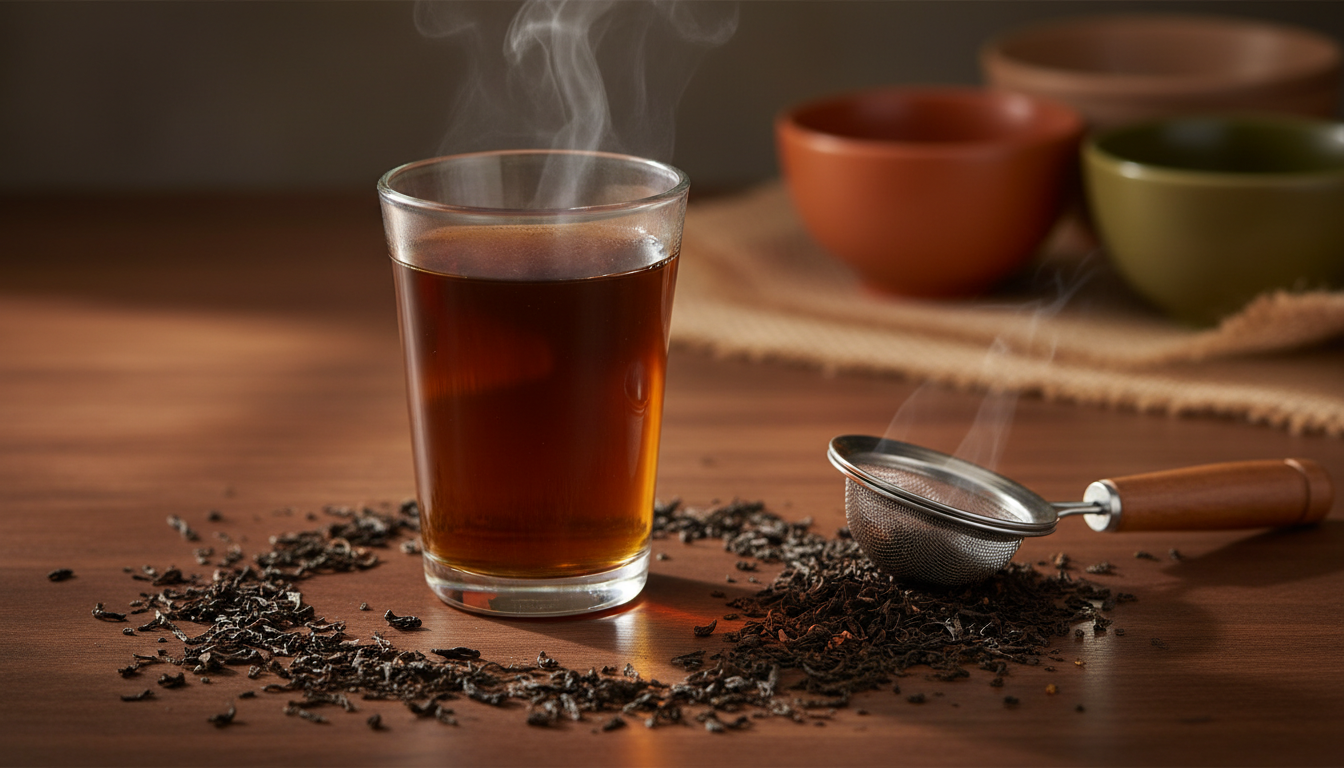

Schwarztee: Sorten, Herstellung, Zubereitung
Black tea is fully oxidized Camellia sinensis. Compare Assam, Darjeeling, Keemun, and Ceylon varieties. Learn processing, brewing, and caffeine levels.
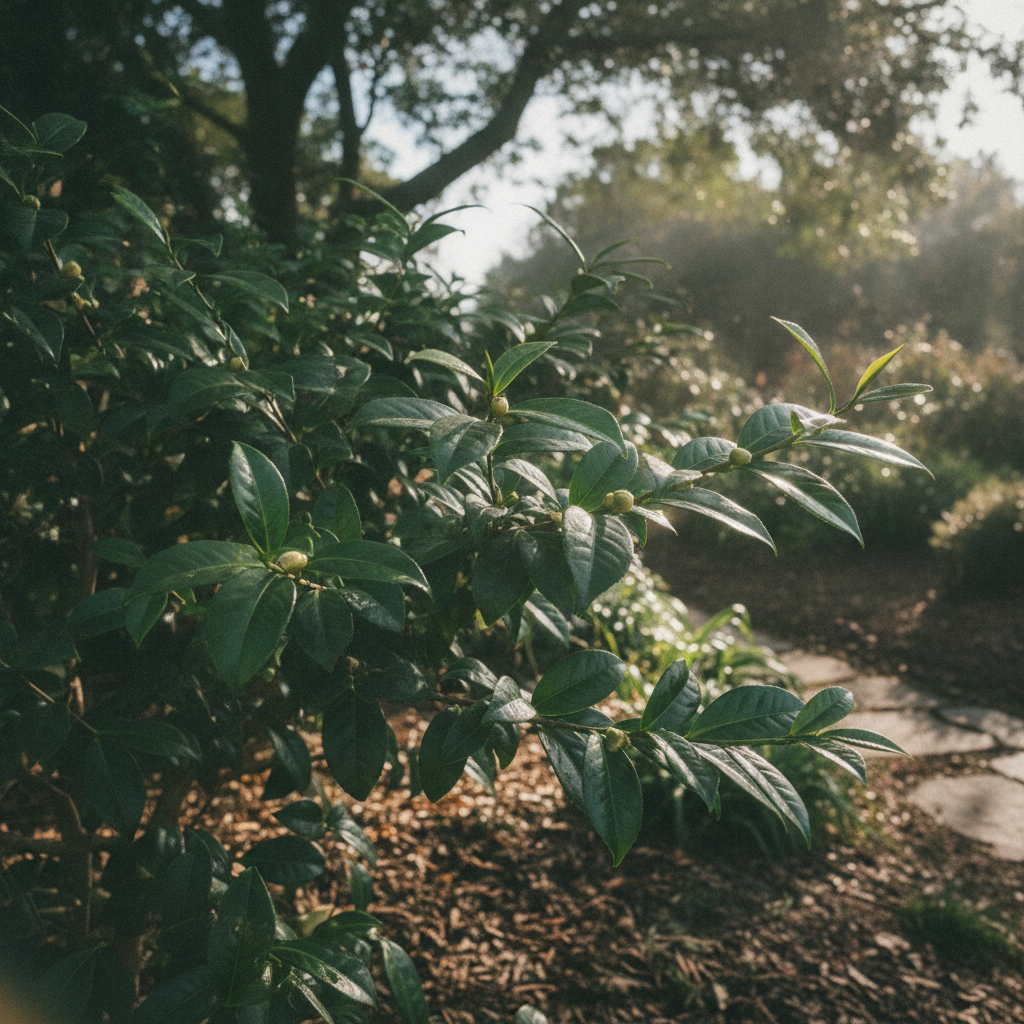

How To Grow Black Tea
Learn how to grow black tea at home: soil, climate, and the five processing steps from fresh leaf to a finished cup of black tea.

Weisheit ist der Weg zu besserem Tee.
Unsere kostenlose Brühanleitung: das richtige Wasser, die richtige Temperatur und die passende Ziehzeit für jeden Tee, den wir führen. Neue Ernten erfahren Sie zuerst.
Kein Spam. Jederzeit abbestellbar.
Sehen Sie in Ihr Postfach.
Die Anleitung ist unterwegs.