













Glass Pitcher Iced Tea
A glass pitcher is the right vessel for iced tea. You see the colour as it develops and catch cloudiness before it reaches the glass. You also serve directly from the same container you brewed in.

Two methods work well: cold brew for a smooth, low-effort result, and flash chill when you want more body and intensity. I use both depending on what I'm making and how much time I have. Knowing which one suits your tea and occasion makes every batch better.
Cold Brew Iced Tea in a Glass Pitcher
Cold brew iced tea is made by steeping loose leaf tea in room-temperature or cold water for 6-8 hours in the refrigerator. Use 1.5g of tea per 100ml of water, which works out to 15g for a 1-litre pitcher. No heat required, no bitterness, no monitoring.

The reason cold brew works so well is chemistry. Tannins extract much more slowly at low temperatures, so even a black tea brewed overnight will taste softer and rounder than the same tea brewed hot. Green and white teas benefit especially from this method: without heat, you get the floral and grassy top notes without the astringency that comes when the water is even slightly too hot.
For a 1-litre glass pitcher, the process is:
- Add 15g of loose leaf tea to the infuser basket or a fine mesh bag.
- Fill the pitcher with cold or room-temperature water.
- Place in the refrigerator for 6-8 hours, or overnight.
- Remove the leaves, serve over ice.
You don't need sugar. Cold brew tea naturally tastes softer and slightly sweeter than hot-brewed tea because less tannin has dissolved. Even a full-bodied black tea like Assam brewed cold will not need sweetening for most palates. If you want fruit or herbs in the cold brew, add them in the last 2 hours of steeping so they infuse without dominating.
Flash Chill Method for Stronger Iced Tea
Flash chill iced tea is brewed double strength and poured immediately over ice. Brew at 2g of tea per 100ml of hot water using the correct temperature for your tea type, then pour the hot concentrate over a pitcher half-filled with ice. The rapid chill locks in flavour and aroma.

The formula is simple: 250ml of double-strength hot tea poured over 250g of ice yields 500ml of iced tea at full concentration. Scale to your pitcher size.
Flash chill produces a more intense, layered result than cold brew. The hot extraction pulls more of the aromatic compounds that cold water never fully reaches, and the rapid temperature drop prevents the slow oxidation that clouds tea left to cool at room temperature. Cloud is the main risk here: if you let hot tea cool gradually rather than chilling it fast, tannins and caffeine can bind and form a white-grey haze. The rapid ice pour prevents this.
Temperature by tea type for the hot concentrate:
| Tea Type | Brewing Temperature | Steep Time |
|---|---|---|
| Green tea | 70-80°C | 2-3 min |
| White tea | 75-85°C | 3-4 min |
| Oolong | 85-95°C | 3-4 min |
| Black tea | 95-100°C | 3 min |
| Herbal / hibiscus | 100°C | 5-8 min |
One common mistake: brewing the double-strength concentrate at too low a temperature because the tea is eventually going cold anyway. Temperature still matters for extraction quality. Under-extracted green tea tastes flat even when iced.
Best Teas for Iced Tea in a Glass Pitcher
Three teas that perform consistently well as glass pitcher iced tea are jasmine green, Ceylon black, and hibiscus. Each produces a visually distinct result and covers a different flavour profile: floral and pale gold, brisk and amber, or tart and deep ruby.
Jasmine green cold-brewed in a glass pitcher is something I return to every summer. The low temperature extraction keeps the jasmine scent delicate and high rather than heavy and perfumed. Brew at 1.5g per 100ml for 6-8 hours. The result is a pale gold, aromatic drink that needs nothing added.
Ceylon black is the classic iced tea base. It has a natural brightness and slight citrus edge that holds up well when diluted over ice. Flash chill works better than cold brew here: the hot extraction gets more of that brisk, lively character. Ceylon is also one of the more forgiving teas for beginners because over-steeping adds body rather than making it undrinkable.
Hibiscus produces the most visually dramatic result in a glass pitcher. Deep ruby, almost opaque when brewed strong, it turns lighter as ice dilutes it. I cold-brew hibiscus at around 4-5g per litre overnight.
The acidity is assertive, and the flavour sits somewhere between cranberry and dried berry, with no caffeine needed to make it refreshing. For a large batch to serve to guests, hibiscus in a clear glass pitcher is hard to beat on appearance alone.
Flavour Add-Ins for Pitcher Iced Tea
The most practical add-ins for pitcher iced tea are fresh fruit, fresh herbs, and simple syrup. Add fruit and herbs late in the cold brew cycle (final 2 hours) to infuse without overpowering the tea base. Use simple syrup rather than granulated sugar, which doesn't dissolve in cold liquid.

Fresh fruit options that work well: sliced peach or nectarine with jasmine green, strawberry with hibiscus, lemon or orange slices with Ceylon black. Citrus peel gives a stronger, more bitter note than sliced fruit, so use it sparingly. Add fruit to a cold brew pitcher 2 hours before you plan to serve, not at the start. Longer contact makes the fruit flavour dominant and can introduce off-notes as the fruit softens and breaks down.
Fresh herbs to consider: mint muddled lightly before adding, which releases the oils without tearing the leaves into fragments. Basil (particularly Thai basil) works surprisingly well with hibiscus. Lemongrass pairs with both jasmine green and white teas. Bruise the stalk and add it at the start of the cold brew cycle since the essential oils from woody herbs extract slowly.
Simple syrup (1:1 sugar dissolved in hot water, cooled) blends instantly into cold tea. Honey syrup (1:1 honey and warm water) also works and adds its own character. Neither requires refrigerating the pitcher before adding.
Make a small batch, keep it in a jar in the refrigerator, and adjust sweetness at the glass rather than in the pitcher. That way, people with different preferences can all serve themselves from the same pitcher.
Serving and Storage Tips
Iced tea brewed in a glass pitcher keeps up to 3 days in the refrigerator; it is best within 48 hours. Remove tea leaves immediately after brewing ends. Use frozen tea cubes rather than water ice to avoid dilution.
Remove the leaves. Over-extraction is the main reason home-brewed iced tea goes bitter or astringent as it sits. As soon as the cold brew is done or the flash-chilled batch is complete, pull the infuser out. The tea will continue extracting as long as leaves are in contact with water, even cold water, just more slowly.
Storage time. Most teas hold well for up to 3 days refrigerated, but flavour is best within the first 48 hours. After that, the flavour flattens and some teas (particularly greens) start to taste stale. If you make a large batch for a gathering and won't finish it the same day, plan to serve within 48 hours for best results. Hibiscus holds slightly longer because the acid acts as a mild preservative.
Tea ice cubes. Brew a small extra batch of the same tea, let it cool, pour into an ice cube tray, and freeze. Use these instead of water ice when serving. The tea stays at full concentration as the cubes melt rather than becoming watery. This is particularly worth doing for hibiscus, where the colour contrast is most noticeable when diluted.
Glass pitcher maintenance. Rinse with cold water after each use; avoid soap if the glass has had hibiscus in it recently, as the acid removes any residual tannin film. If staining builds up, a soak with cold water and a teaspoon of citric acid removes it without affecting the glass.
Getting Started
Cold brew for ease, flash chill for depth. If you are new to glass pitcher iced tea, start with jasmine green cold brewed overnight: 15g of leaves, 1 litre of cold water, 8 hours in the refrigerator. Remove the leaves in the morning, add ice, pour.
It takes under two minutes of active work and produces something significantly better than anything from a teabag or powder. Once you have that baseline, the flash chill method and add-in combinations are straightforward variations on the same process. The glass pitcher is not decoration. It is information: colour, clarity, concentration, all visible before you pour a drop.
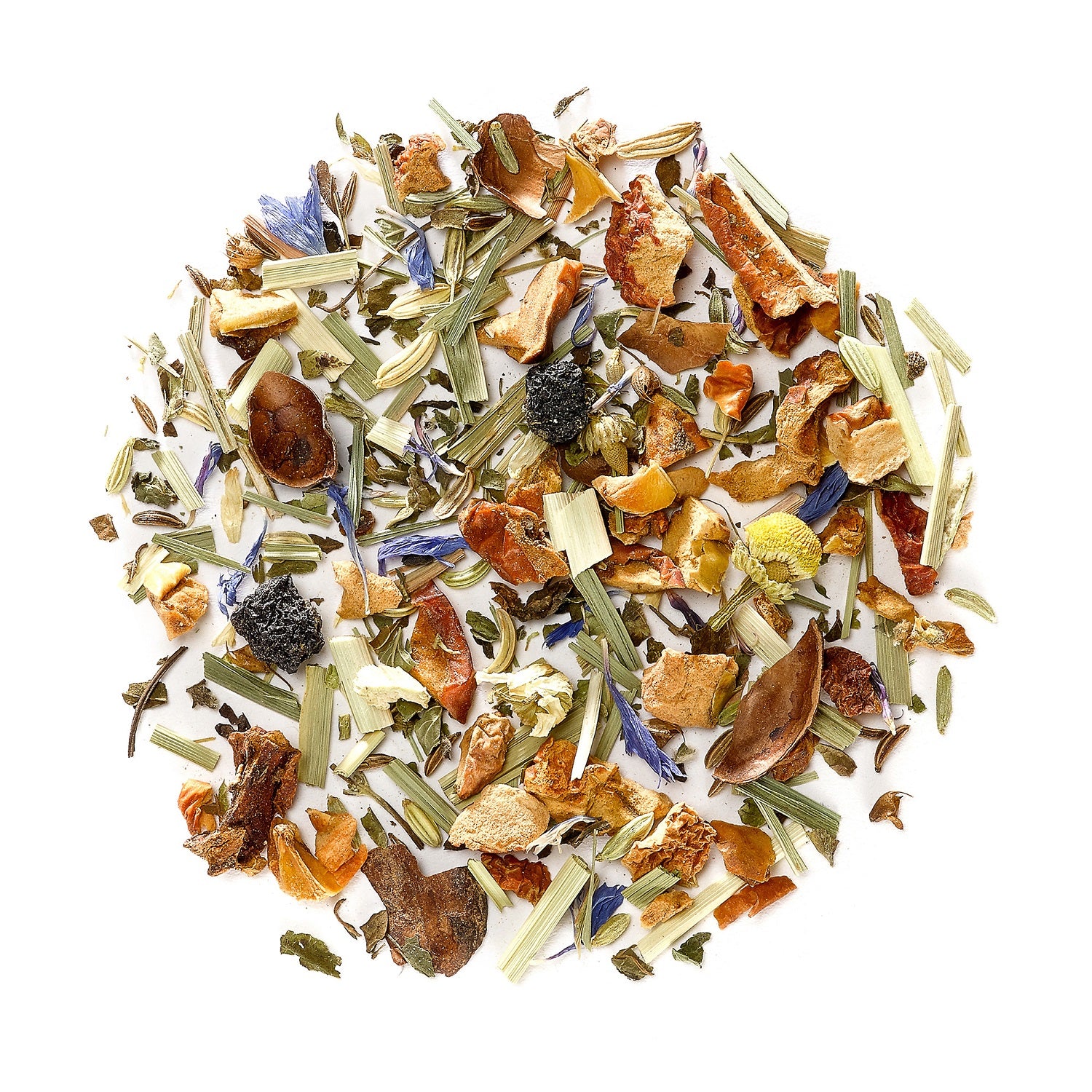
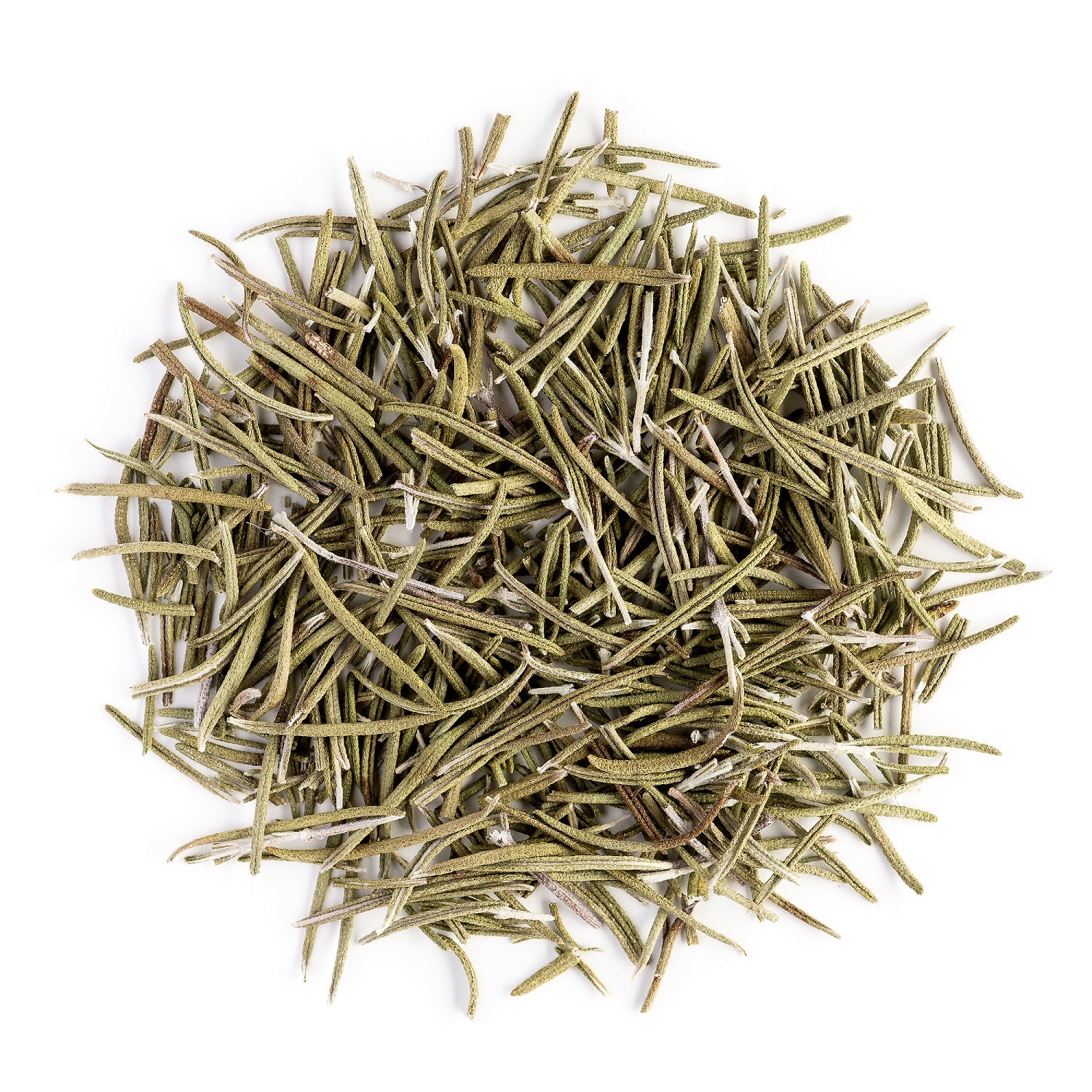
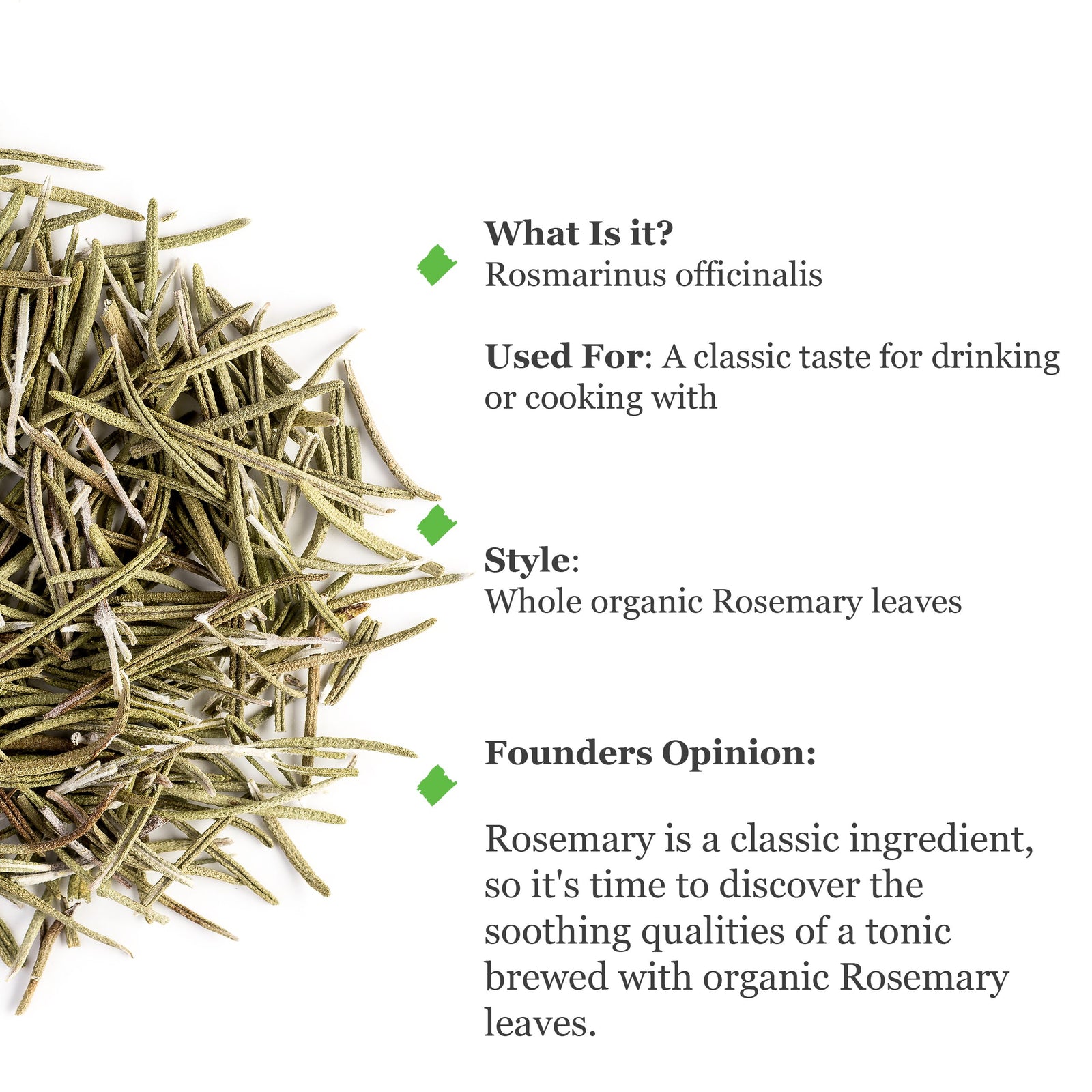
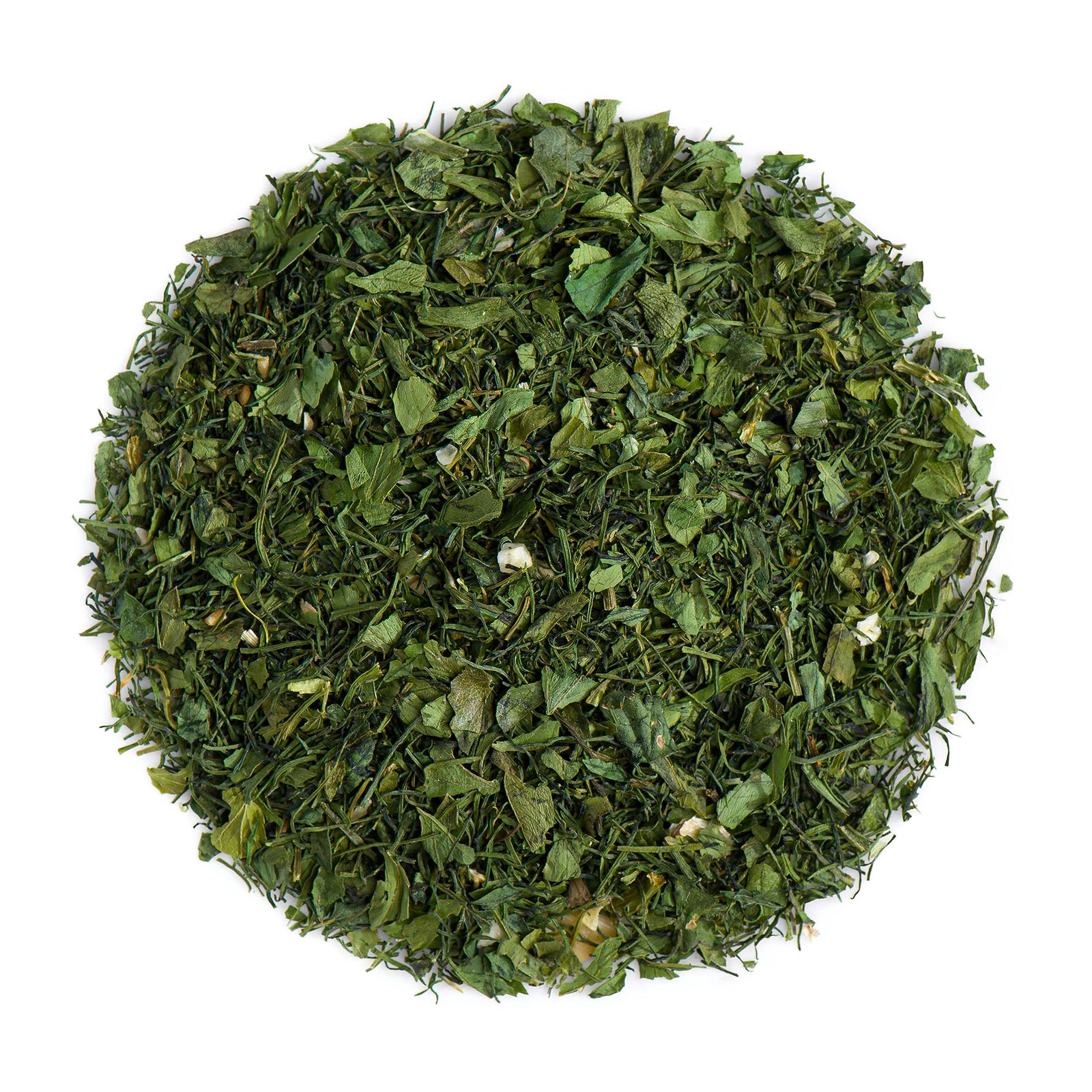
Teas Featured in This Article


Leave a comment
Comments will be approved before showing up.
Also in Valley of Tea Blog | Tea Guides, Origins & Brewing Tips
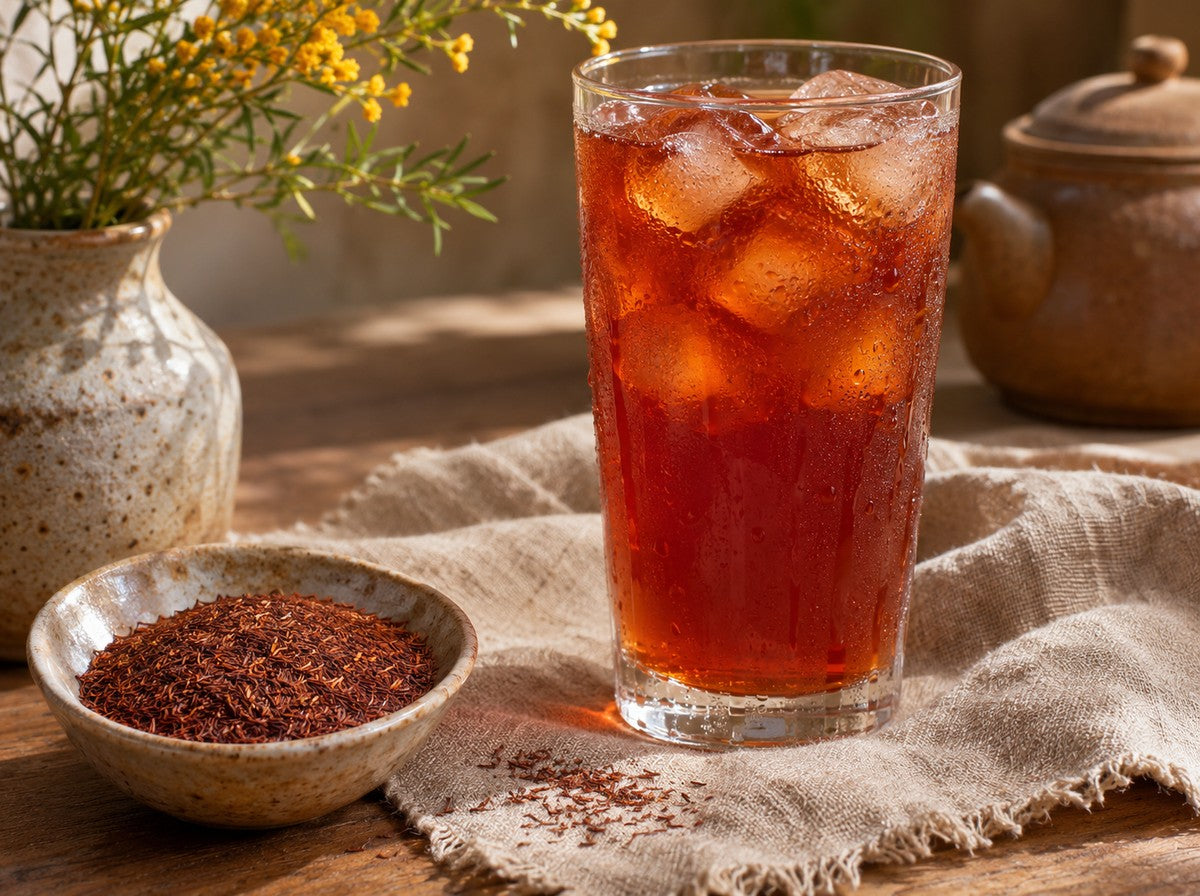

Rooibos Iced Tea: Caffeine-Free Refresher
Learn to make rooibos iced tea two ways: hot-brewed over ice in 15 minutes, or a smoother overnight cold brew, plus flavour additions and storage tips.

Spice Cabinet Organization: A Practical System That Works
Learn how to organize your spice cabinet with a practical system that keeps every jar findable and fresh. Temperature, layout, and audit tips included.

Maca or Ashwagandha for Your Daily Routine
Choosing between maca or ashwagandha? Learn how each root tastes, when to use them, and the best ways to prepare each in tea or drinks.

Wisdom is the path to better tea.
Get our free brewing guide: the right water, heat and timing for every tea we sell. You will also hear it first when new harvests arrive.
No spam. Unsubscribe any time.
Check your inbox.
The guide is on its way.