













Lemon Lift Tea: What It Is and How to Brew It
Lemon lift tea is a black tea blend flavored with lemon peel, citrus oil, and often a warm spice note, best known through Bigelow's trademarked Lemon Lift® line. The name has become something of a catch-all: shoppers search "lemon lift tea" expecting a bright, citrus-forward black tea, but what actually lands in the cup depends entirely on the ingredient list behind it. Some versions use whole dried lemon peel and lemongrass (Cymbopogon citratus); others lean on natural flavoring sprayed over low-grade black tea dust.

I've tasted both ends of that range, and the gap in cup quality is bigger than most shoppers expect. This post covers what's actually in a lemon lift blend, how loose-leaf and bagged versions differ, and how to brew one so the citrus stays bright instead of turning bitter.
What Is Lemon Lift Tea?
Lemon lift tea is a black tea, typically Ceylon or a blended orthodox black tea, flavored with lemon peel, lemongrass, or lemon oil, and sometimes a warm spice like clove or cinnamon for depth. Bigelow trademarked the "Lemon Lift" name specifically, but the term now gets used loosely for any citrus-forward black tea blend with a similar profile.
The base tea sets the backbone. Ceylon black tea brings a brisk, citrusy edge on its own, which is part of why it pairs so naturally with lemon; Assam brings more malt and body, which can stand up to a stronger citrus dose without disappearing. On top of that base, brands add the citrus component one of three ways: whole or cut dried lemon peel, dried lemongrass, or lemon oil blended directly into the leaf. Bigelow's own ingredient list for its Lemon Lift blend reads black tea, natural lemon flavor (carried in soy lecithin), spice, and lemon peel: a mix of real botanical and manufactured flavoring rather than peel alone.
The spice note is usually where blends diverge most. A touch of clove or cinnamon gives what marketing copy calls a "lift": essentially a warming contrast to the citrus sourness. Done well, it reads as a zesty lemon rind aroma with a hint of spice; done cheaply, the spice can mask a thin or overly acidic base tea.
Loose Leaf vs Bagged Lemon Lift Tea
Bagged lemon lift tea is usually made from fannings and dust, the smallest tea particle grades, which release tannins fast and can turn bitter within minutes of steeping. Loose-leaf versions keep larger pieces of lemon peel and whole or broken-leaf black tea, which release citrus oils more gradually and produce a smoother, less astringent cup.
Particle size is the whole story here. Fannings and dust have far more surface area exposed to hot water than whole leaf, so they extract quickly, which is exactly why most tea bags are built from them: fast, consistent steeps for a foil pouch you can dunk and forget. The tradeoff is that tannins and bitterness extract just as fast as flavor, and once a bagged lemon tea passes its steep time by even a minute, it tends to flatten out and turn harsh. In my experience, the single biggest quality signal in a lemon lift blend is not the citrus at all: it's the grade of the base tea underneath it.
Loose-leaf blends behave differently. Larger lemon peel pieces hold their essential oils longer and release them steadily rather than all at once, and a whole-leaf black tea base unfurls more slowly, giving a rounder, less astringent cup even at a longer steep. The aroma difference is noticeable before you even taste it: loose-leaf lemon blends tend to smell like fresh lemon rind, while heavily processed bagged versions often smell more like generic "lemon flavor." Packaging tricks, like wrapping each bag in an individual foil pouch to lock in freshness, can slow staling but can't change what particle grade is inside.
How to Brew Lemon Lift Tea for the Best Flavor
Brew lemon lift tea with water just off the boil, around 95-100C, and steep loose-leaf versions for 3-4 minutes. Add honey or sugar after straining rather than during the steep, since stirring sweetener into hot leaves can knock aromatic citrus oils out of the cup before you get to drink it.
Tea bags built from fannings extract faster, so 2-3 minutes is usually enough; pushing a bag to the full 4 minutes tends to pull excess tannins and turn the cup bitter rather than adding flavor. For loose-leaf, I find 1 level teaspoon (roughly 2-3g) per 200ml cup gives a balanced citrus-to-tannin ratio without needing to oversteep to get flavor.
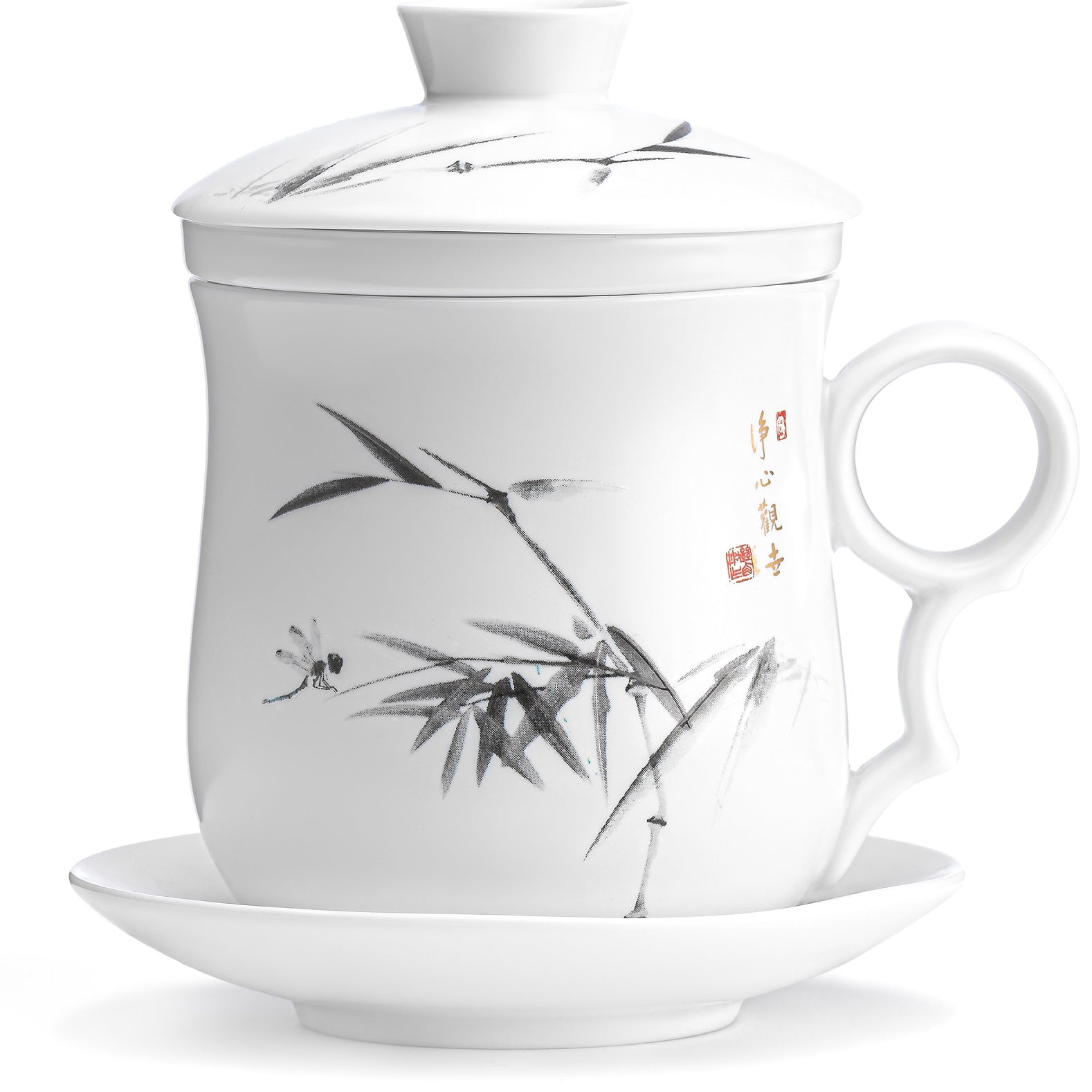
The teapot matters more than people assume. Heat retention needs to stay consistent through the whole infusion: thicker ceramic or cast iron pots hold heat well but need preheating first, or the water temperature drops too fast for a full extraction. Whatever you brew in should also strain the leaves cleanly and handle well, with a steady pour and no water pooling between infusions. Loose-leaf lemon lift blends can usually go a second steep, shortened to 1-2 minutes, since the larger leaf and peel pieces still have flavor left; a spent tea bag generally can't offer the same, since the fine particles exhaust in the first pass.
How to Source Quality Lemon Tea Blends
Look for a named tea origin, such as Ceylon or Assam, rather than a generic "black tea" listing, and check that the ingredient list shows dried lemon peel or lemongrass rather than just "natural flavor." Those two details tell you more about the final cup than any marketing language on the front of the box.
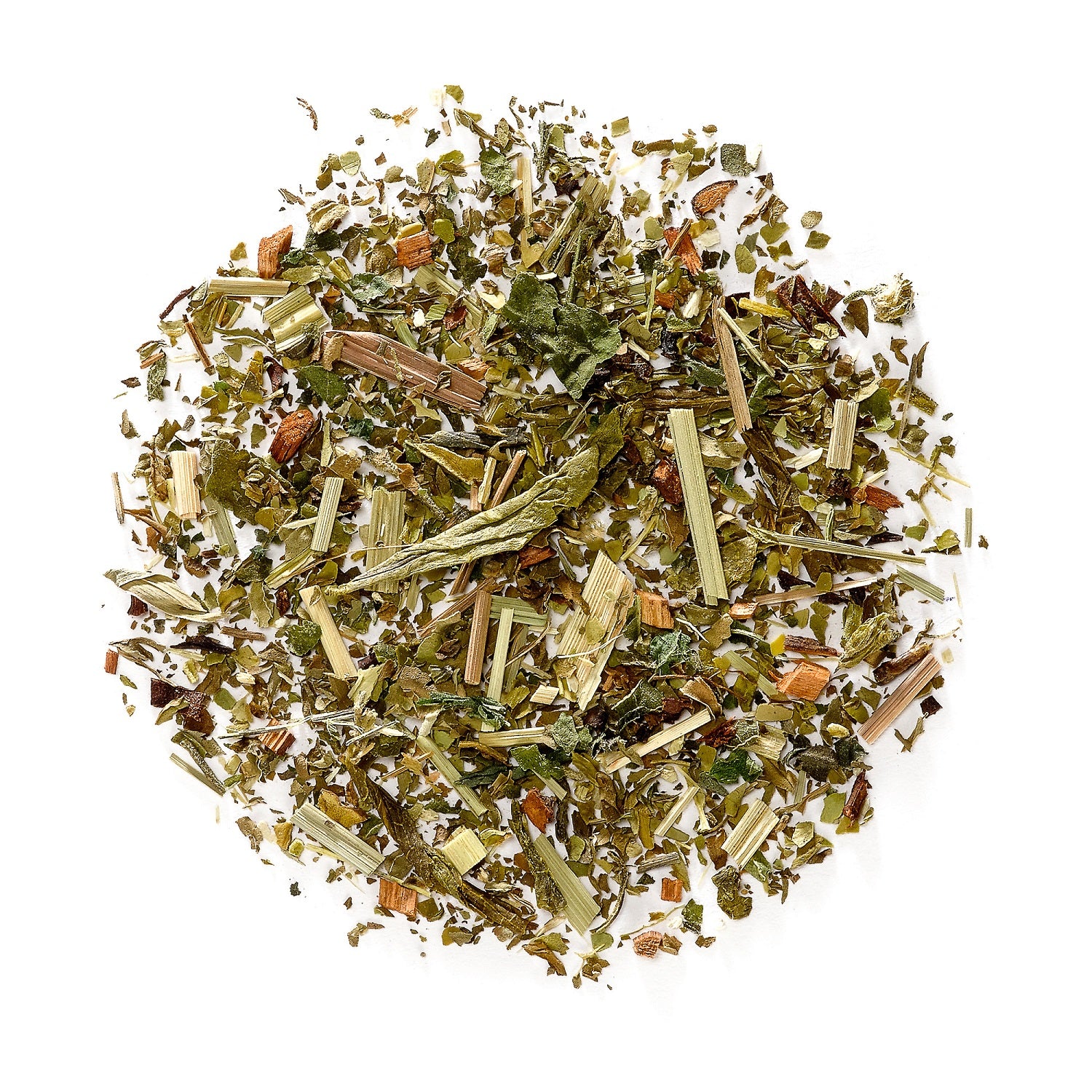
A generic "black tea" listing usually signals a commodity blend built for cost rather than character, while a named origin at least tells you what flavor profile to expect before you even open the bag. On the citrus side, "natural flavor" carried in an oil or lecithin base is cheaper and more shelf-stable than real dried peel, but it rarely has the same depth or aroma. We source single-origin Ceylon and Assam black teas specifically because they pair naturally with lemon peel and lemongrass, rather than starting from a flavored commodity base and trying to mask it. We apply the same standard when we vet other citrus-forward botanicals: the test is a concentrated, genuine lemony scent, and we don't accept anything less.
Conclusion
Lemon lift tea is only as good as its base tea and its citrus source. A loose-leaf blend built on real Ceylon or Assam black tea with genuine dried lemon peel or lemongrass will consistently outperform a bagged commodity blend leaning on natural flavoring, both in aroma and in how the cup holds up past the first minute. If you've only had the bagged version, the easiest upgrade is switching to loose-leaf: you get more control over strength, a second steep, and a citrus flavor that reads as real lemon rather than lemon flavoring. That's the difference worth chasing the next time you reach for lemon lift tea.
Teas Featured in This Article

Leave a comment
Comments will be approved before showing up.
Also in Valley of Tea Blog | Tea Guides, Origins & Brewing Tips


Rooibos Iced Tea: Caffeine-Free Refresher
Learn to make rooibos iced tea two ways: hot-brewed over ice in 15 minutes, or a smoother overnight cold brew, plus flavour additions and storage tips.


Spice Cabinet Organization: A Practical System That Works
Learn how to organize your spice cabinet with a practical system that keeps every jar findable and fresh. Temperature, layout, and audit tips included.

Maca or Ashwagandha for Your Daily Routine
Choosing between maca or ashwagandha? Learn how each root tastes, when to use them, and the best ways to prepare each in tea or drinks.

Wisdom is the path to better tea.
Get our free brewing guide: the right water, heat and timing for every tea we sell. You will also hear it first when new harvests arrive.
No spam. Unsubscribe any time.
Check your inbox.
The guide is on its way.