












Tea Herbal Tea
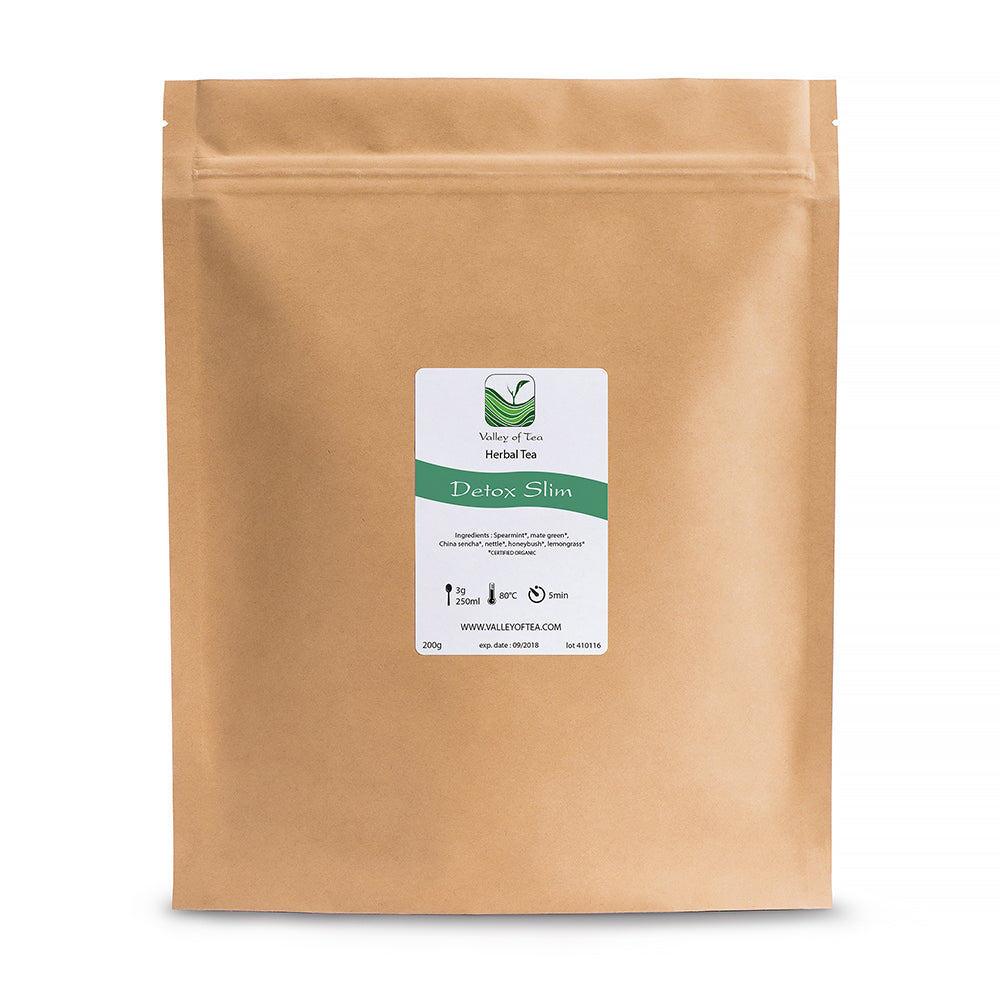
The words "tea" and "herbal tea" get used interchangeably every day, but they describe fundamentally different things. True tea comes from one plant, Camellia sinensis. Herbal "teas" - properly called tisanes - come from everything else: roots, flowers, bark, fruit, and leaves from thousands of other plant species.

That distinction is not a marketing technicality. It determines whether your cup contains caffeine, L-theanine, and the other compounds tea is known for, or whether it contains none of those things. Knowing the difference helps you buy better and drink more intentionally.
What Is True Tea? Everything from One Plant
True tea comes exclusively from Camellia sinensis, a shrub native to Southwest China and parts of India and Southeast Asia. Every green tea, white tea, oolong, black tea, and pu-erh you have ever drunk came from this single species.

What makes each type different is not the plant but the processing. Green tea is steamed or pan-fired quickly after harvest to stop oxidation, preserving its fresh, grassy character. White tea is simply withered and dried with minimal handling - the least processed of all types.
Oolongs sit between green and black: partially oxidised, ranging from light and floral to dark and roasted depending on the degree. Black tea undergoes full oxidation: withered, rolled, fully oxidised, then fired. Pu-erh is a category apart - post-fermentation by microbial activity that can continue for years in storage, producing an earthy, warming depth unlike any other tea.
All of these contain caffeine, typically 20-70mg per 250ml cup depending on the grade, leaf style, and steep time. They also all contain L-theanine, an amino acid found almost exclusively in the tea plant. L-theanine provides an umami savoriness and smooth mouthfeel.
The same species, radically different results. A first-flush Darjeeling at 2,000 metres in the Himalayan foothills has a very typical muscatel aroma from the high minerality. A Yunnan shou pu-erh is earthy and warming. Both are Camellia sinensis, but the experience in the cup has almost nothing in common.
What Is Herbal Tea? The Tisane Family
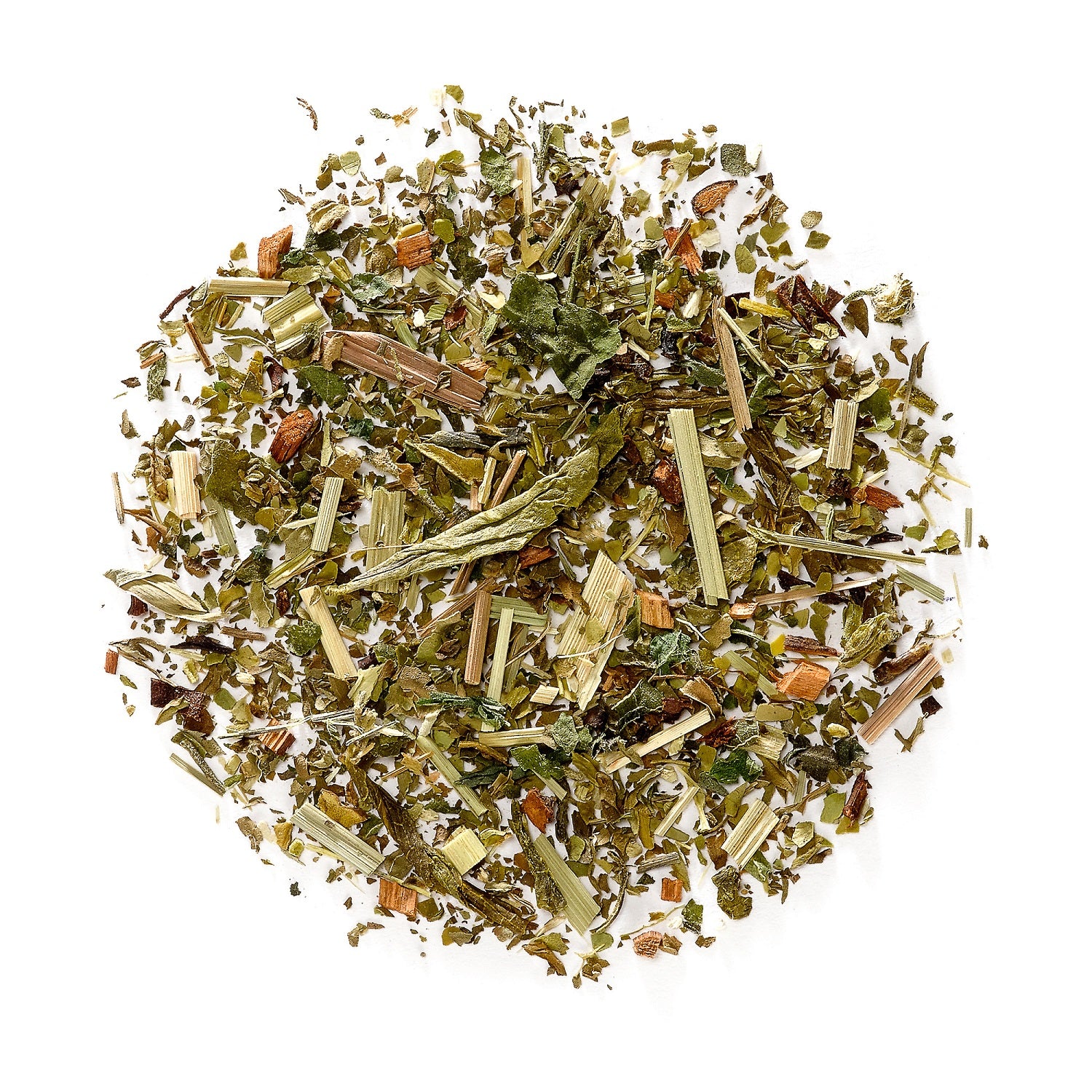
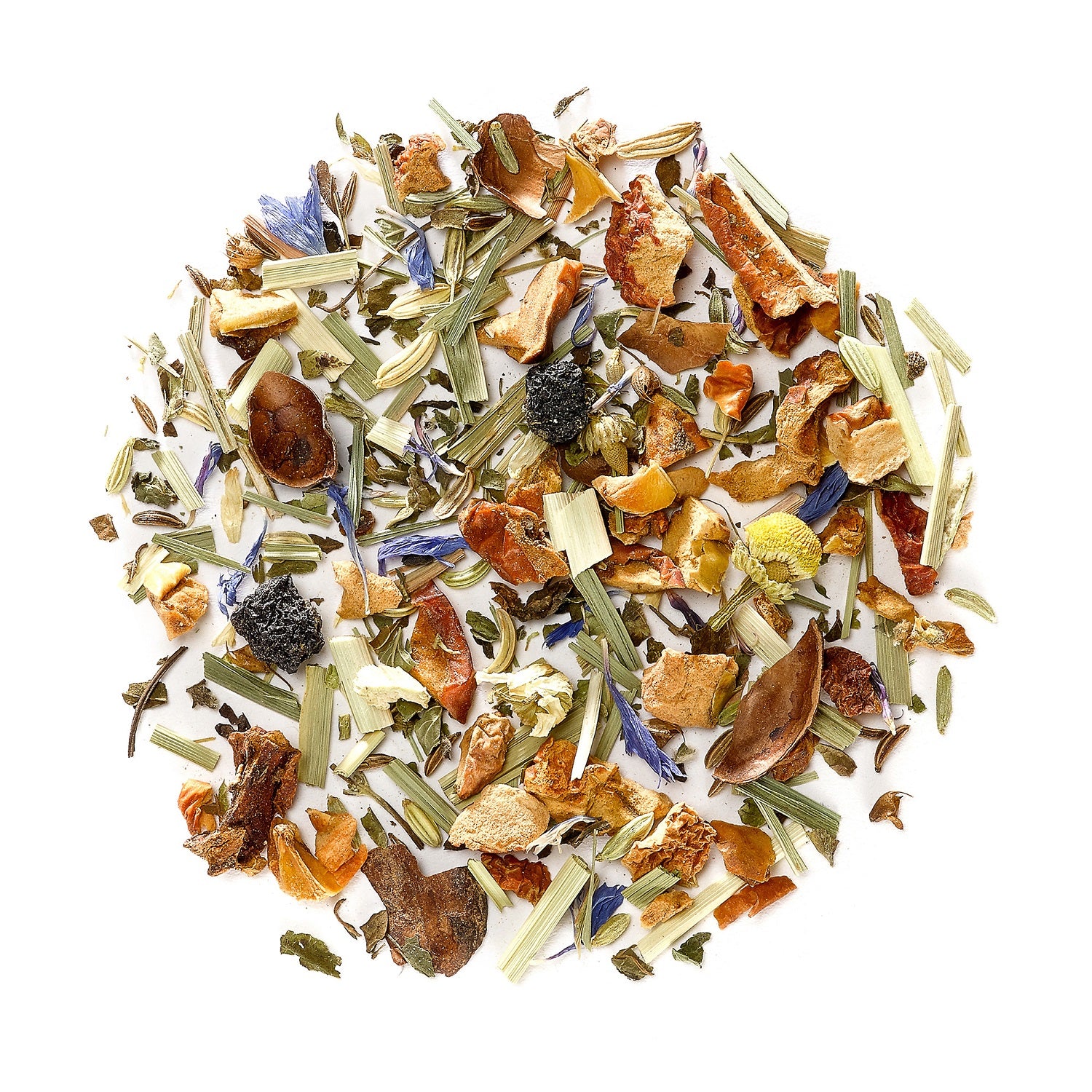
Herbal tea is not tea in the botanical sense. The correct term is tisane: an infusion made from any plant material that is not Camellia sinensis. This includes dried flowers (chamomile, hibiscus, lavender), leaves (peppermint, spearmint, lemon balm, nettle), roots (ginger, valerian, licorice), bark (cinnamon), and dried fruit (rosehip, elderberry).

The tisane family is enormous. Thousands of plant species are used globally for herbal infusions across different cultures and traditions. The flavour profiles vary accordingly: chamomile is soft and apple-like, hibiscus is sharply tart, peppermint is cooling and menthol-forward, rooibos is earthy and lightly sweet, turmeric-ginger is warm and spicy.
The defining characteristic of pure tisanes is the absence of caffeine. Chamomile has none. Hibiscus has none. Rooibos has none.
The exception is when a manufacturer blends herbal ingredients with actual tea leaves. Many commercial chai blends and some other herbal-style blends contain green or black tea as a base and therefore do carry caffeine. Read the ingredient list if caffeine is a concern.
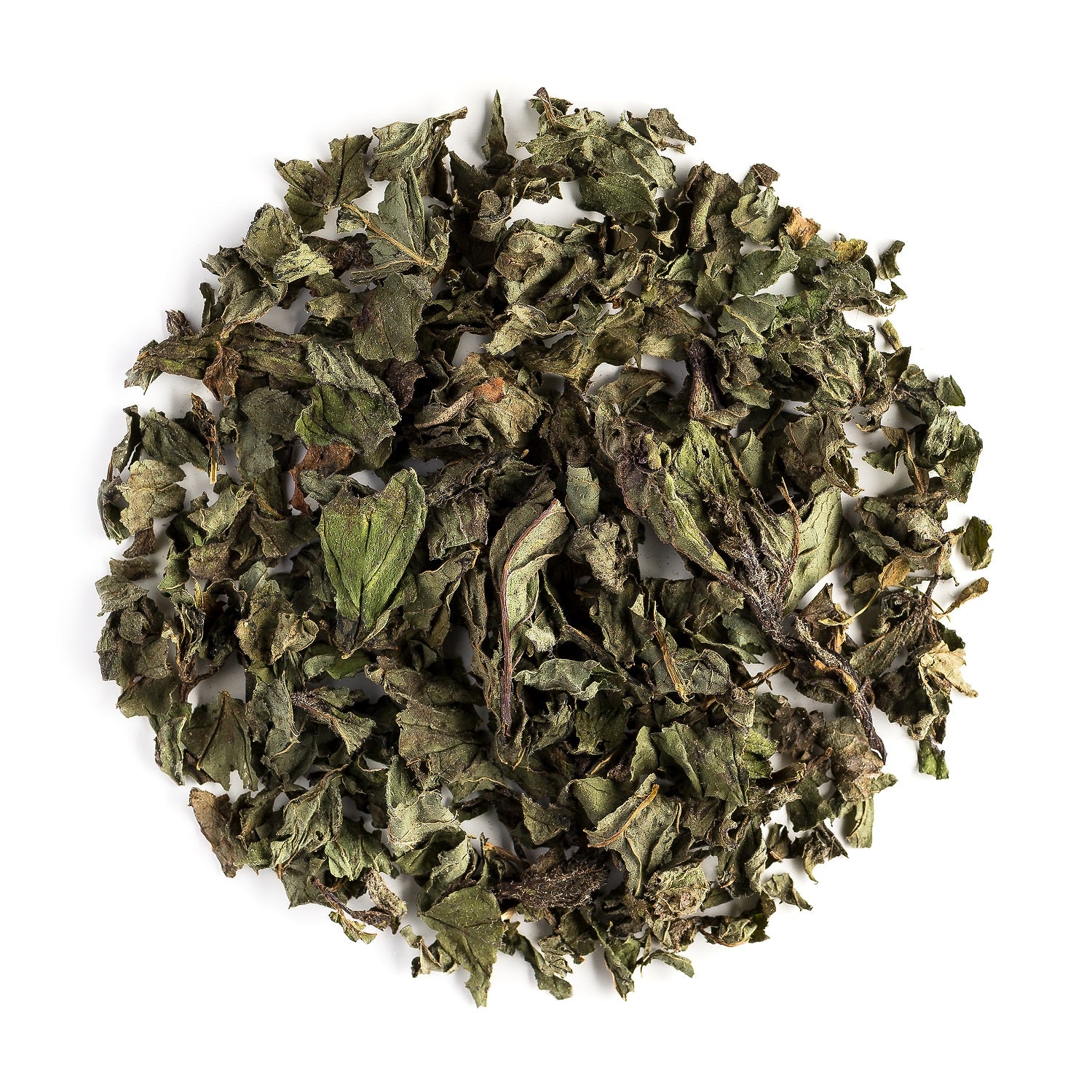
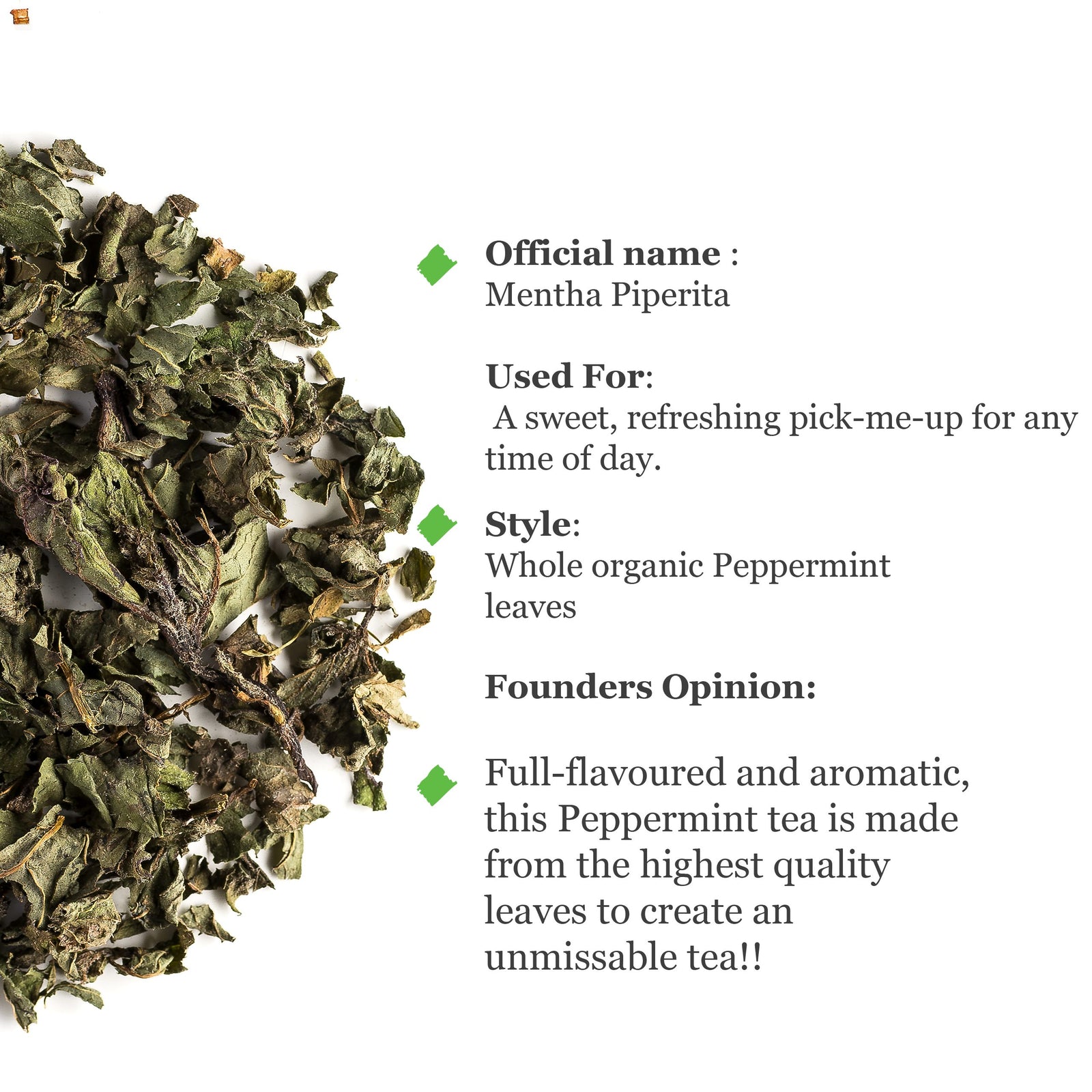
Our peppermint comes from Morocco. Moroccan peppermint is intensely menthol-forward in a way that Eastern European or Egyptian types are not. Quality varies enormously within a single herb category, which is why we test every batch before it goes into the range.
True Tea vs Herbal Tea: Side-by-Side Comparison
The two categories differ across several practical variables that matter when you are choosing what to buy or drink.

Caffeine: True tea contains 20-70mg per cup, always. Tisanes contain 0mg unless blended with tea leaves. If you are caffeine-sensitive, a pure tisane is the safe choice. Check blended products carefully.
L-theanine: Found almost exclusively in Camellia sinensis. This amino acid adds umami savoriness and a smooth mouthfeel to the flavour. Tisanes have no equivalent compound.
Range: Camellia sinensis gives five main styles from one plant. Herbal teas vary far more widely: chamomile, peppermint, and hibiscus are familiar almost everywhere, while many other tisanes remain regional favourites.
Brewing parameters: True teas are more sensitive to water temperature. Greens and whites brew best at 70-80C. Blacks and pu-erhs handle 95-100C.
Most herbal tisanes are more forgiving: 90-100C works well for roots, flowers, and dried fruit. Getting the temperature right matters more for green tea than for chamomile.
Flavour complexity: True tea builds complexity through terroir, harvest timing, cultivar, and processing. Herbal teas build complexity primarily through blending: cinnamon, ginger, and cardamom together work differently than any of them individually.
When to Choose Tea vs Herbal Tea
The choice is mostly about timing and what you want from the cup.
Morning: True tea is the usual choice, since it contains caffeine. I have matcha before longer exercise sessions rather than coffee because I like how it tastes.
A quality first-flush Darjeeling is another good morning cup.
Evening: Herbal. I reach for chamomile almost every evening. There is something about it - its soft, apple-like flavour suits a quiet moment at the end of the day. In winter I sometimes switch to rooibos instead: it feels more warming and substantial when the temperature drops.
Hot weather: Spearmint or hibiscus, cold-brewed. In summer I cold-brew hibiscus almost daily. It is my go-to over water when it is warm. Spearmint is excellent for this too - cooling, refreshing, and you can make a big pot that keeps going all afternoon.
With meals: Either works, with one practical note. True tea, particularly black and green, contains tannins that bind non-haeme iron when consumed close to meals. Anyone managing low iron levels or anaemia should check with their doctor.
Tisanes generally do not have this effect to the same degree, though high-tannin varieties like rooibos are worth checking. The simple fix: drink your true tea between meals rather than with them.
The Takeaway
The difference between tea and herbal tea is botanical, not cosmetic. True tea - green, white, oolong, black, pu-erh - all come from Camellia sinensis and bring caffeine, L-theanine, and a processing tradition built over centuries. Tisanes cover everything else: thousands of plants, no caffeine by default, and a character that depends entirely on which species is in the blend.
Both have a place in a well-stocked kitchen. If you are deciding where to start, choose one quality true tea and one quality tisane. Learn how each tastes before expanding. That is a better foundation than buying broadly and not knowing what you are tasting.


Leave a comment
Comments will be approved before showing up.
Also in Valley of Tea Blog | Tea Guides, Origins & Brewing Tips

Rooibos Iced Tea: Caffeine-Free Refresher
Learn to make rooibos iced tea two ways: hot-brewed over ice in 15 minutes, or a smoother overnight cold brew, plus flavour additions and storage tips.

Spice Cabinet Organization: A Practical System That Works
Learn how to organize your spice cabinet with a practical system that keeps every jar findable and fresh. Temperature, layout, and audit tips included.

Maca or Ashwagandha for Your Daily Routine
Choosing between maca or ashwagandha? Learn how each root tastes, when to use them, and the best ways to prepare each in tea or drinks.

Wisdom is the path to better tea.
Get our free brewing guide: the right water, heat and timing for every tea we sell. You will also hear it first when new harvests arrive.
No spam. Unsubscribe any time.
Check your inbox.
The guide is on its way.