













Lavender Tea for Relaxation: A Brewing Guide
1. Build an Evening Ritual Around It
The simplest way to use lavender tea for calm is to make it the anchor of a deliberate evening routine. Not because the tea contains a magic compound, but because routine itself signals your body and mind that the day is winding down.
Pick a consistent time. Many lavender tea drinkers choose the 30 to 60 minutes before they want to be in bed. The preparation becomes a sequence: boil water, measure buds, pour, wait, drink. Each step is a small act of attention that pulls you out of whatever occupied your mind during the day.

The key is consistency. A cup of lavender tea at 9 PM every night becomes a trigger over time. Your brain starts associating the scent and the warmth with the transition from activity to rest. This is basic behavioural conditioning, not pharmacology. It works with any calming activity, but lavender tea is particularly effective as the anchor because the aroma is so distinctive and immediate.
You smell it the moment hot water touches the buds.
There is no right way to structure this. Some people pair it with reading. Others sit in silence. The only rule is that the routine should not involve screens, since the point is to create distance from stimulation. The tea gives your hands something to hold and your senses something gentle to focus on.
2. Blend It with Chamomile for a Calming Combination
Lavender on its own can be intense. Its floral character dominates the cup in a way that some people find overwhelming, especially if they are new to it. Chamomile solves this. The two herbs have been blended together in European herbal traditions for generations, and the combination works because their flavour profiles complement rather than compete.
Chamomile brings a soft, apple-sweet, honeyed base. Lavender brings floral depth and aromatic complexity. A blend of roughly two parts chamomile to one part lavender produces a cup that is more balanced than either ingredient alone. The chamomile mellows the lavender's perfume-like intensity, while the lavender lifts chamomile out of its sometimes one-dimensional sweetness.

Both herbs are naturally caffeine-free, which makes the blend practical for late-evening drinking without any concern about sleep disruption. This is not a decaffeinated product where trace caffeine remains. Neither Lavandula nor Matricaria chamomilla produces caffeine at any point in their lifecycle.
The blend is also forgiving to brew. Chamomile tolerates longer steep times and higher temperatures than lavender does on its own. In a blend, the chamomile acts as a buffer. If you overshoot the steep time by a minute, the result is still pleasant rather than bitter.
For those who find pure lavender tea too strong but want its aromatic quality in their evening cup, this blend is the most practical starting point. Measure your chamomile first, add lavender second, and adjust the ratio over several sessions until you find your balance.
3. Replace Your After-Dinner Caffeine with Lavender Tea
Many people drink coffee or black tea after dinner out of habit rather than need. By 7 or 8 PM, the caffeine is working against you. Research published in Journal of Clinical Sleep Medicine found that caffeine consumed even 6 hours before bedtime significantly reduces total sleep time — a finding that underscores how far into the evening your afternoon or early-evening coffee reaches. Read the study at PMC.
Lavender tea is a direct, zero-caffeine replacement that occupies the same physical space in your routine. You still have a warm cup. You still have flavour and aroma. You still have the ritual of preparation. What you do not have is a stimulant competing with your body's natural wind-down process.

The switch does not need to be abrupt. Some lavender tea drinkers describe a transition period where they alternated between their usual caffeinated drink and lavender tea on different evenings, gradually shifting the balance. Others simply made the switch and noticed within a few days that their evenings felt different.
This is straightforward cause and effect. Remove caffeine from your evening, and you remove a chemical barrier to relaxation. The lavender tea is not doing the calming. The absence of caffeine is. But the lavender gives you something worth drinking in its place, which is why the switch sticks. Drinking plain hot water achieves the same caffeine elimination, but nobody maintains that habit because it offers nothing to the senses.
4. Use the Aromatherapy That Comes Free with Every Cup
Lavender's aromatic compounds — primarily linalool and linalyl acetate — are among the most volatile of any herb used for tea. This means they escape into the air the moment hot water meets the buds. Before you take a single sip, you are already inhaling them.
This is not incidental. A 2023 systematic review published in Frontiers in Behavioral Neuroscience found consistent evidence that inhaling lavender's volatile compounds reduces self-reported and physiological markers of anxiety. Read the full systematic review at PMC. Lavender tea drinkers describe the steeping phase as the most calming part of the experience — and the research supports why.
To maximize this effect, cover your cup or teapot during steeping. This traps the volatile compounds in the liquid and in the air space above it. When you remove the lid to take your first sip, you get a concentrated burst of aroma that an uncovered cup would have already lost to the room.

Some people take this a step further. They hold the cup below their nose and breathe in the steam before drinking. Others steep the lavender in a wide-mouthed bowl rather than a narrow cup, specifically to increase the surface area and the aromatic release. Neither approach is eccentric. Both are documented in traditional lavender tea preparation across Mediterranean cultures.
Lavender tea offers a two-channel experience: taste and scent. Most herbal teas are primarily about flavour. With lavender, the aroma carries at least half the experience. Ignoring it by gulping the tea quickly or leaving the cup uncovered during steeping is like listening to music with one earphone. You get something, but you miss the full effect.
5. Practice Mindful Preparation
The final approach treats the entire brewing process as a deliberate exercise in attention. This is less about lavender specifically and more about what lavender tea's preparation demands.
Brewing lavender well requires precision. The water should be 90 to 95 degrees Celsius, not a full boil. The amount matters — one to two teaspoons of dried buds per 250 millilitres. The steep time is 4 to 5 minutes, not more. Overshoot any of these parameters and the tea turns bitter or soapy.
This forced attentiveness is the point. You cannot brew lavender tea well on autopilot. You have to watch the kettle, measure the buds, time the steep, and remove the infuser at the right moment. Each step requires you to be present with what you are doing rather than running through tomorrow's problems in your head.

Tea traditions across cultures have understood this for centuries. The Japanese tea ceremony is the most famous example, but every culture that takes tea seriously has its own version of deliberate, attentive preparation. Lavender tea lends itself to this approach because the margin for error is narrower than with most herbal infusions. Chamomile forgives inattention. Peppermint is nearly impossible to ruin. Lavender rewards care and punishes carelessness.
The calming effect here comes from the act of focused attention itself. Psychologists call it a state of flow, or more simply, mindfulness. The tea is the vehicle, not the medicine. But lavender makes a particularly good vehicle because its preparation genuinely requires your full attention.
What Lavender Tea Tastes Like
If you have never tried lavender tea, expect something unlike any other herbal infusion. The dominant note is floral — not as a background hint, but as the entire character of the cup. This is not subtle. It is distinctly, unapologetically lavender.
Behind the floral intensity, there is a light herbaceous quality. Faintly green, slightly minty, with a hint of honey-like sweetness on the finish. The body is light to medium, heavier than chamomile but lighter than rooibos. There is no astringency and no bitterness when brewed correctly.
The quality marker is the absence of camphor. Good lavender tea made from Lavandula angustifolia buds tastes floral and clean. Mediocre lavender tea, usually made from lavandin hybrids (Lavandula × intermedia), tastes like soap or cough medicine — largely because lavandin contains 6–10% camphor compared to under 1% in true angustifolia. See the comparative GC-MS analysis in ACS Omega. The species of lavender used is the single largest factor in whether you enjoy the cup or pour it down the sink.

We source our lavender from both Provence and Bulgaria, and both are Lavandula angustifolia. The flavour is quite similar between the two origins — the Provence lavender reads more intensely on colour and aroma, while the Bulgarian is a touch more restrained. Once you have tasted good angustifolia, the difference from a lavandin hybrid is immediately obvious.
Aroma accounts for a significant part of the perceived taste. With lavender more than almost any other tea ingredient, what you smell shapes what you taste. This is why covering the cup during steeping makes a measurable difference. Trap the volatile aromatics and the tea tastes richer and more complex.
How to Brew Lavender Tea
Lavender requires a lighter touch than most herbal teas. Where chamomile and peppermint tolerate long steeps and rolling boils, lavender becomes bitter and overly perfumed if pushed too hard.
Water temperature: 90 to 95 degrees Celsius. Just below a full boil. If you do not have a variable temperature kettle, bring water to a boil and let it sit for 30 to 60 seconds before pouring.
Amount: 1 to 2 teaspoons of dried lavender buds per 250 ml of water. Approximately 1.5 to 3 grams by weight. Start with 1 teaspoon if you are new to lavender tea. The floral intensity can surprise.

Steep time: 4 to 5 minutes. At 4 minutes, the floral character is restrained and clean. At 5, fuller with more herbaceous undertone. Beyond 6 minutes, bitterness develops and the aroma flattens.
Cover your cup. This is not optional with lavender. The aromatic compounds are extremely volatile. An uncovered steep loses a significant portion of the scent and, by extension, the flavour.
Iced lavender tea: Add 2 teaspoons of buds to 500 ml of cold water, refrigerate for 6 to 8 hours, and strain. Cold extraction pulls the floral sweetness without the bitter compounds. The result is clean, delicate, and refreshing.
Best Pairings for Lavender Tea
Lavender's strong floral character means it pairs best with ingredients that complement rather than compete.
Chamomile is the most natural partner. Two parts chamomile to one part lavender produces a balanced, mellow cup that is more interesting than either alone. Both caffeine-free, both suited to evening drinking. Try our German Chamomile as the base.

Earl Grey shares lavender's affinity for floral and citrus notes. A pinch of lavender buds — roughly half a gram — added to your usual Earl Grey steep creates a fragrant, layered cup. The bergamot and lavender complement each other without clashing.
Green tea provides a vegetal, slightly sweet base that lets lavender lead. Use less lavender in this blend and brew at the green tea's temperature, 75 to 80 degrees Celsius, which suits lavender well.
Honey is the ideal sweetener. It echoes the natural honey-like finish of good angustifolia lavender rather than masking it. Refined sugar works but adds nothing. Honey adds harmony.
Lemon balm lifts lavender's floral heaviness with a clean citrus note. Equal parts by volume. This blend is particularly good as an afternoon tea when you want something calming but not soporific.
Wrapping Up
Lavender tea fits into a calming routine not because of any single property, but because the entire experience — the scent, the flavour, the preparation — naturally slows you down. Build an evening ritual around it. Blend it with chamomile if you find it too intense. Swap it for your after-dinner caffeine. Breathe in the steam before you drink. Pay attention while you brew.
None of these are health claims. They are practical approaches that lavender tea drinkers have used for centuries and continue to describe today. The tea gives you a reason to pause, and the pause is where the calm comes from.
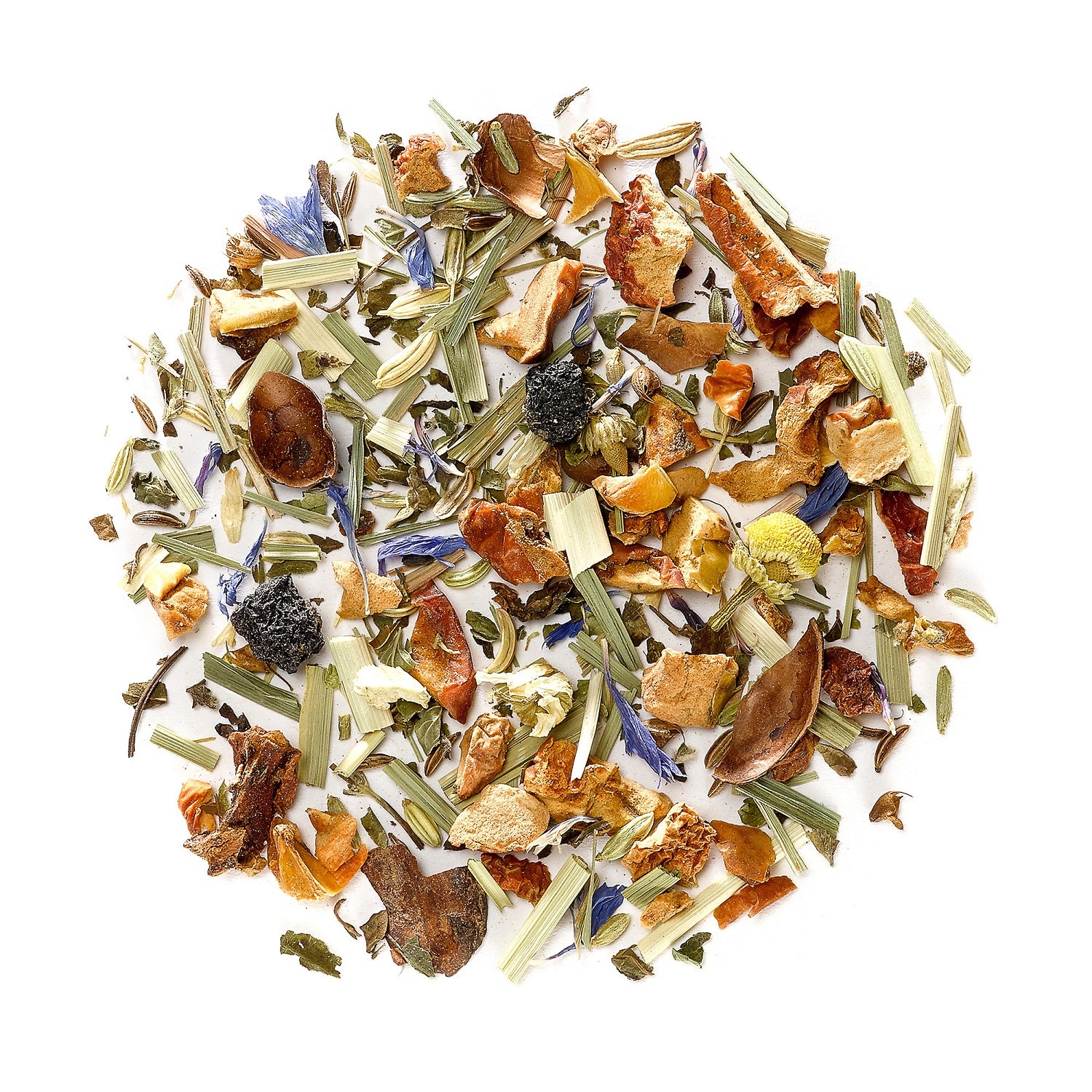
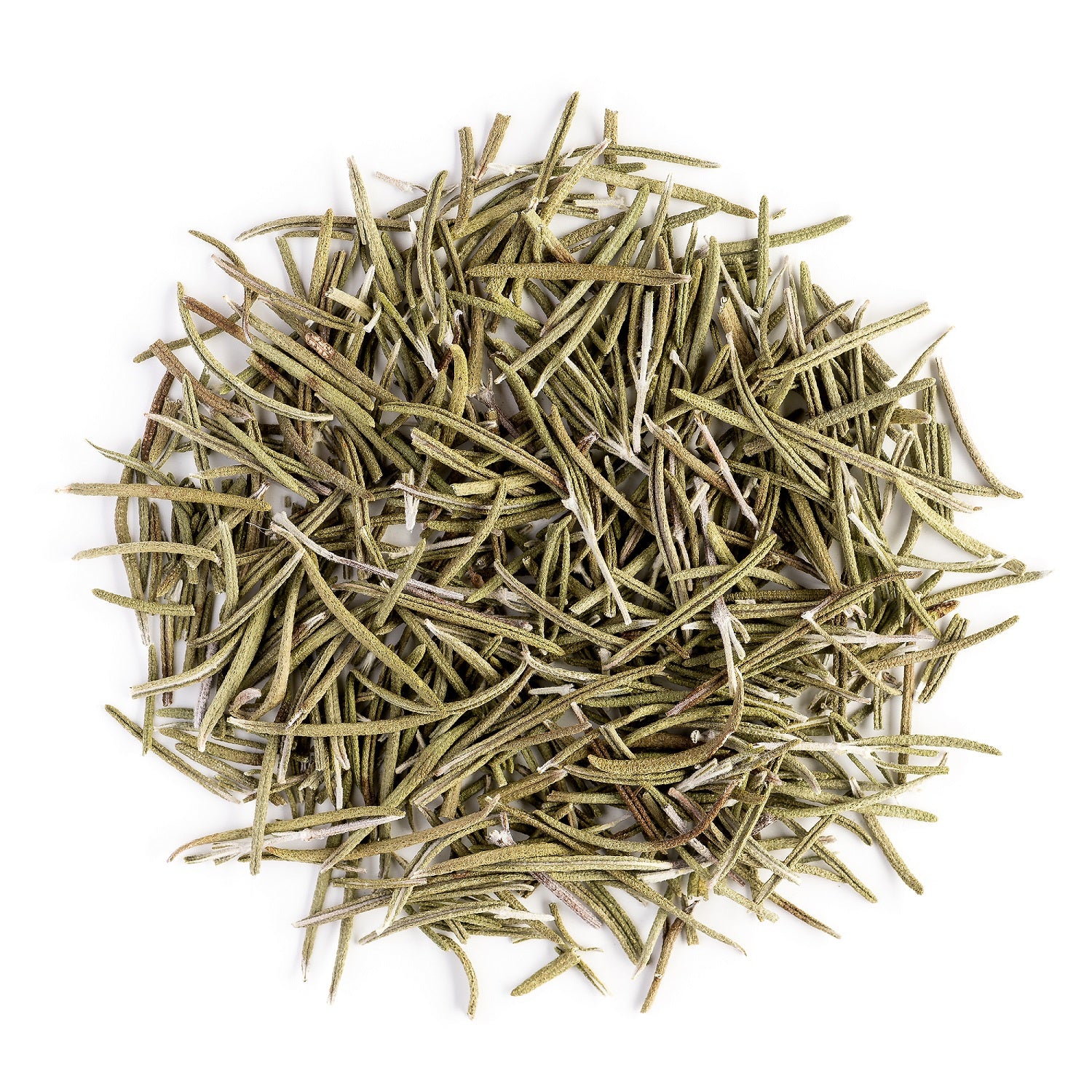
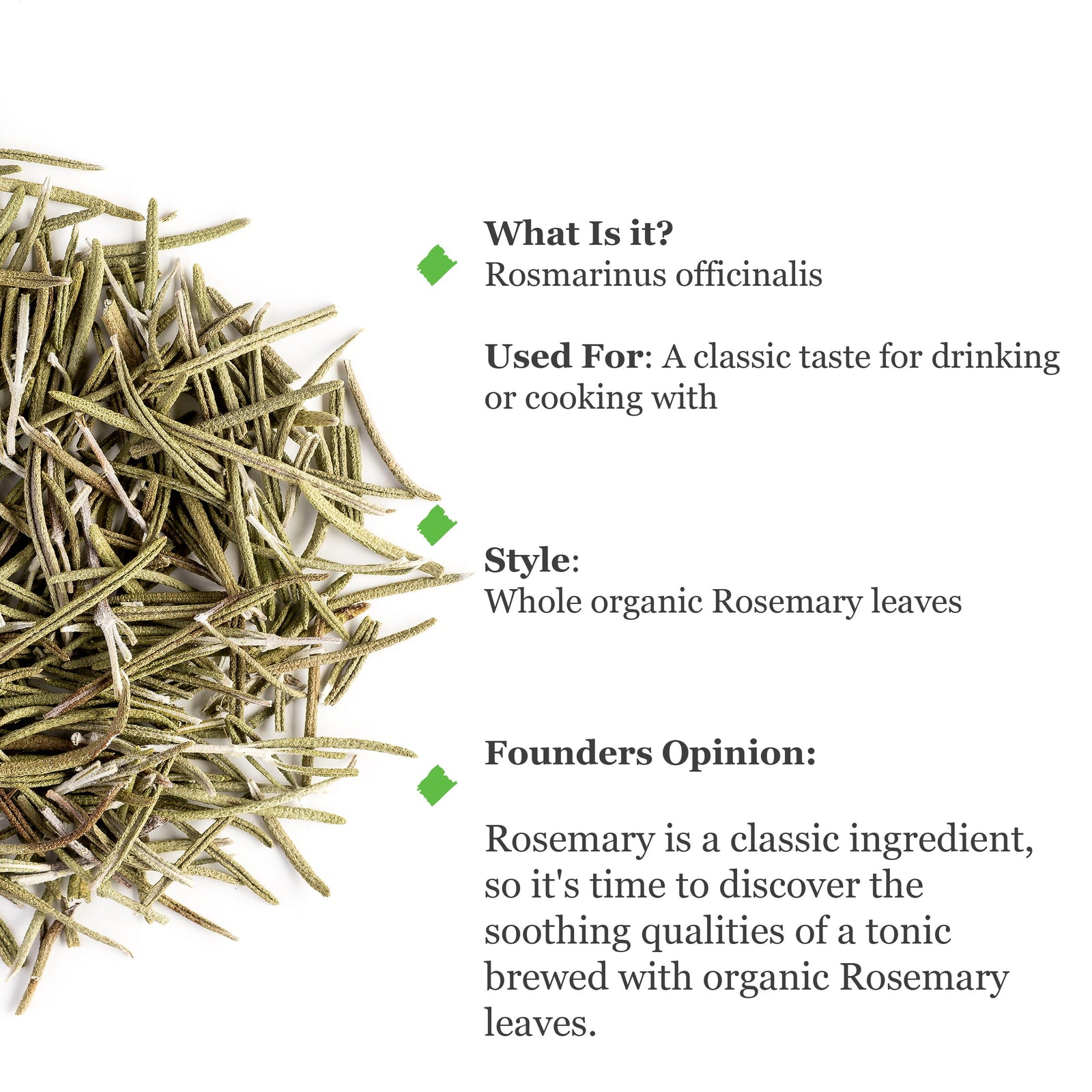
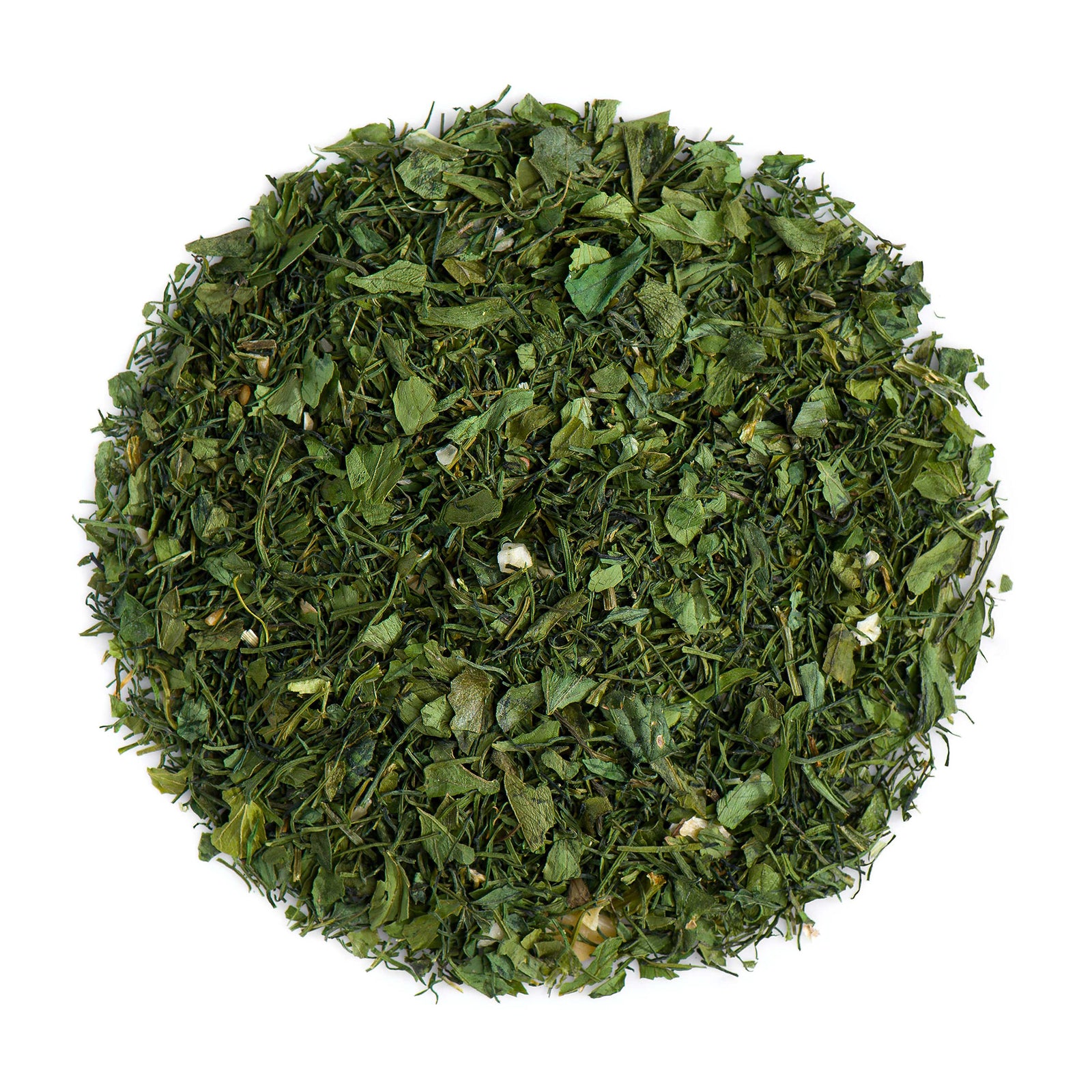
Teas Featured in This Article

Leave a comment
Comments will be approved before showing up.
Also in Valley of Tea Blog | Tea Guides, Origins & Brewing Tips
The Complete Guide to Drinking Tea
What tea is, how the main types differ in the cup, and how to brew each one properly. Water temperature, steeping times, storage and how to get more than one cup from your leaves.
Read More

Black Tea: Types, Processing, and How to Brew It
Black tea is fully oxidized Camellia sinensis. Compare Assam, Darjeeling, Keemun, and Ceylon varieties. Learn processing, brewing, and caffeine levels.
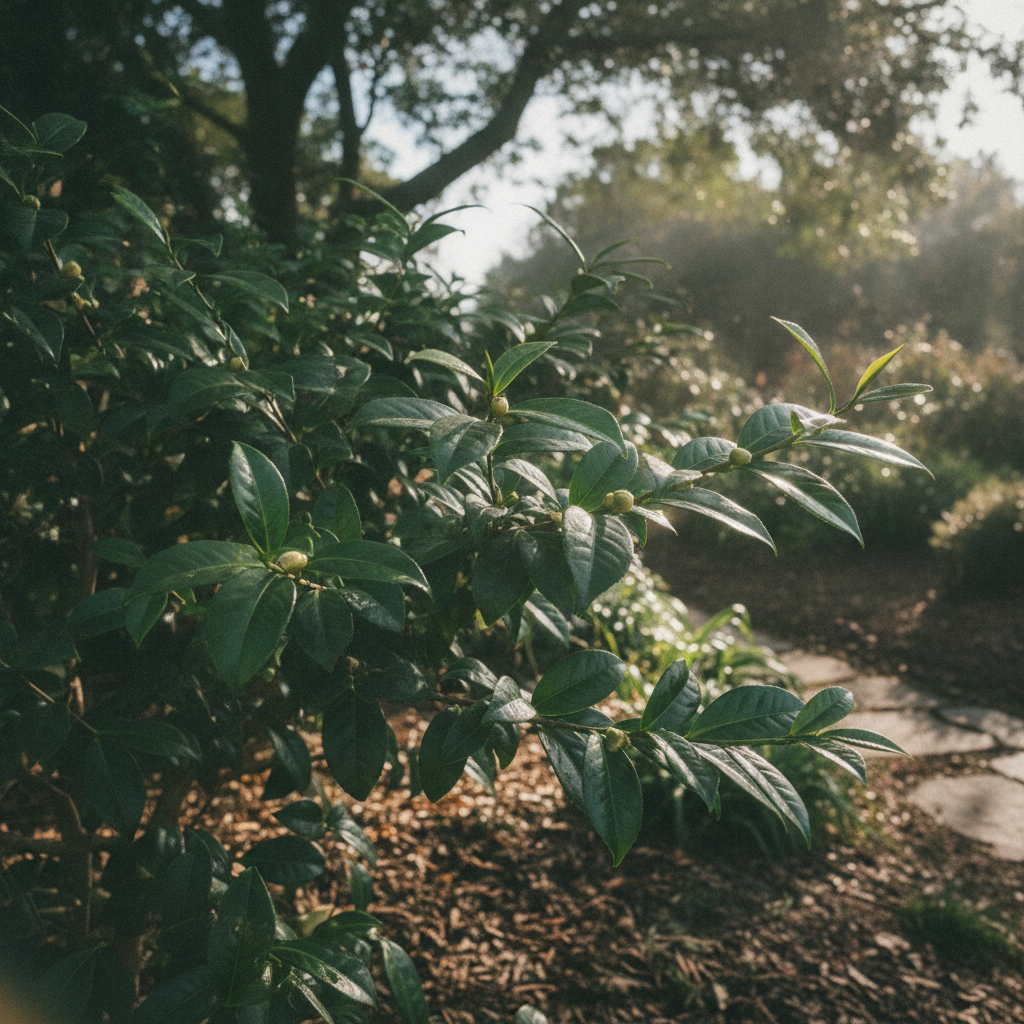

How To Grow Black Tea
Learn how to grow black tea at home: soil, climate, and the five processing steps from fresh leaf to a finished cup of black tea.

Wisdom is the path to better tea.
Get our free brewing guide: the right water, heat and timing for every tea we sell. You will also hear it first when new harvests arrive.
No spam. Unsubscribe any time.
Check your inbox.
The guide is on its way.