












Stinging Nettle Tea and How to Brew It
Stinging nettle (Urtica dioica) has been used in European herbal tradition for centuries, long before it reached the tea shelf. People reach for stinging nettle tea today for its grassy flavour and its place in European garden and hedgerow tradition. We carry stinging nettle because customers ask for it consistently, and the questions they ask are good ones. This post gives you a straight answer on what the tea actually tastes like, what is in the leaf, how to brew it properly, who should be careful with it, and what to look for when buying.

What Does Stinging Nettle Tea Taste Like?
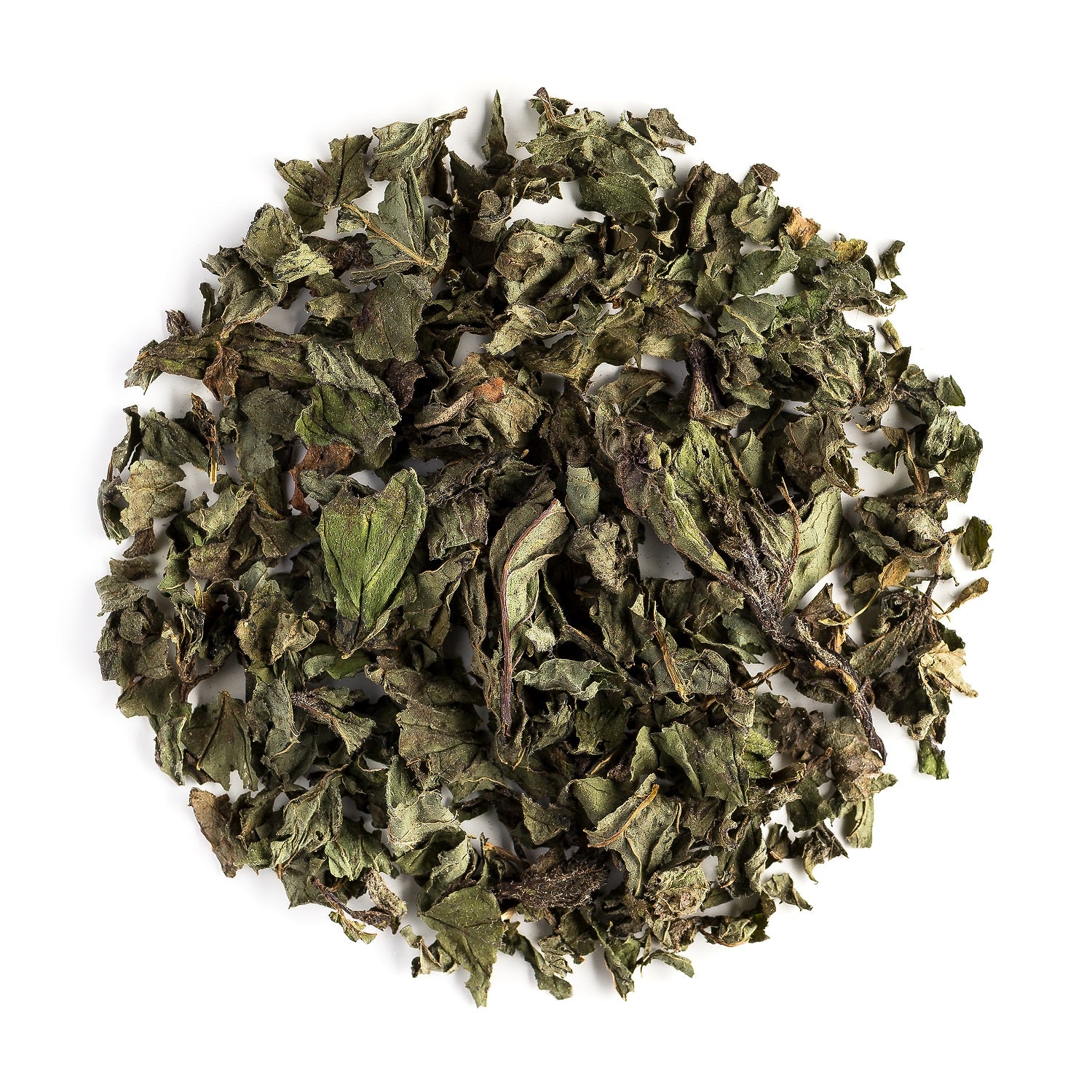
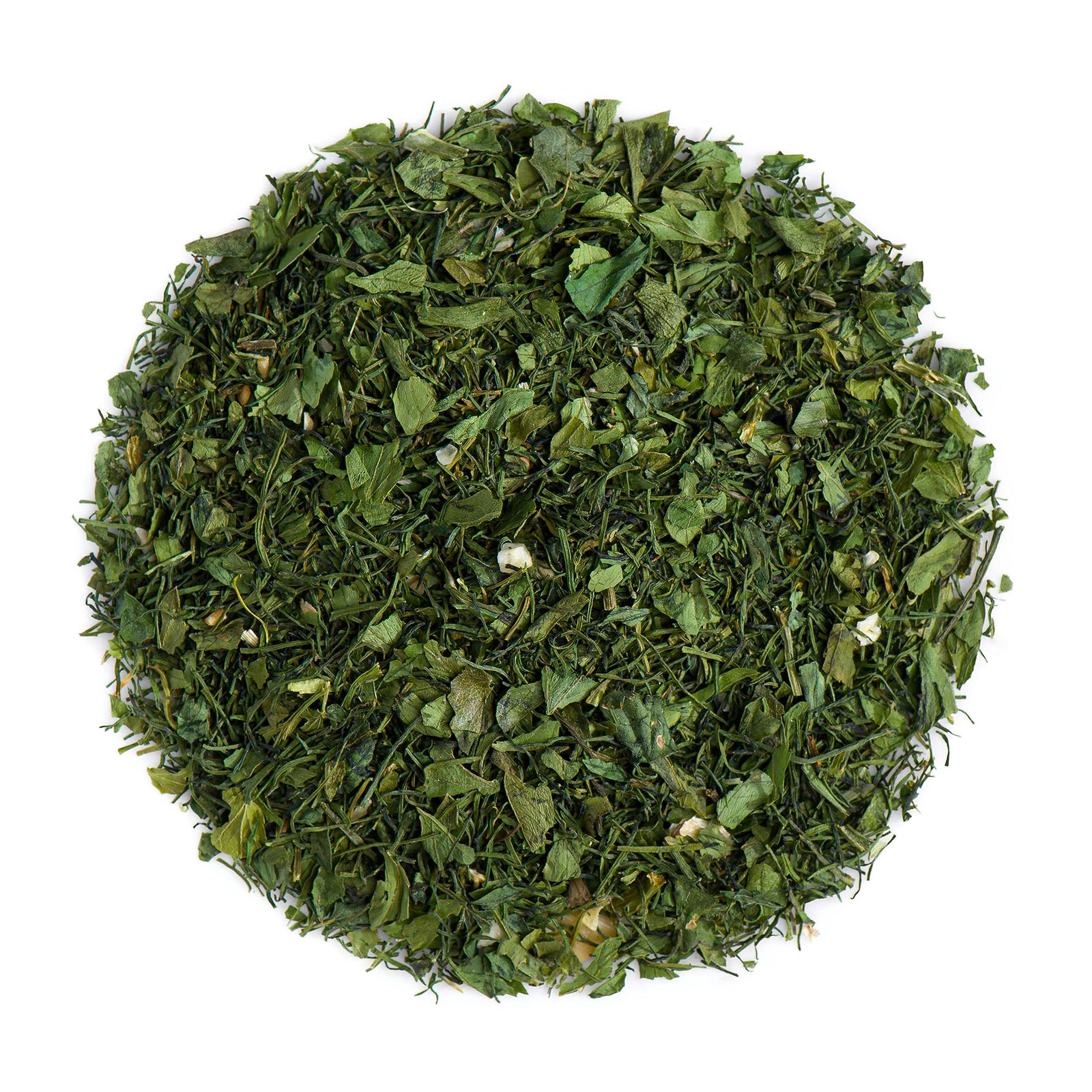
Stinging nettle tea tastes grassy and lightly vegetal, with a mild sweetness that sits closer to spinach water than to green tea. It is lighter-bodied than most herbal teas and carries none of the bitterness you get from chamomile over-steeped or from strong peppermint. The flavour profile is subtle enough that it surprises people who expect something harsh given the plant's reputation.

The colour depends on steep time. At four to five minutes you get a pale yellow-green. Push it to seven minutes and the cup turns a medium olive tone. Longer than that and you start to pick up a mild astringency that the shorter steep avoids entirely.
I find it pairs well with honey and a squeeze of lemon. The lemon lifts the vegetal note and makes the cup feel brighter without masking what the nettle actually tastes like. If you dislike grassy herbal teas in general, nettle tea probably will not convert you. If you tolerate spinach and mild greens, you will find it easy to drink.
Compared to other mineral-rich herbal teas like horsetail or oat straw, nettle is among the more approachable. The tart-spinach descriptor that comes up consistently across EU-standard suppliers is accurate: herbal and slightly tart, not harsh or sharp.
What Is in a Cup of Stinging Nettle Tea?
A cup of stinging nettle tea is mostly hot water carrying the plant's flavour and a modest amount of its minerals. The sections below describe what is in the leaf and how much of it reaches the cup.
Quercetin
Nettle leaf contains quercetin, a flavonoid also found in onions and apples. The concentration of quercetin in a standard cup is substantially lower than in freeze-dried capsule products - brewed tea provides only a fraction of that amount, and cannot replicate extract-equivalent concentrations.
Iron Content
Dried nettle leaf contains non-haem iron, the plant form that is less bioavailable than the haem iron in meat. The exact amount in a brewed cup is modest, and nettle tea does not substitute for dietary iron sources.
Place in European Tradition
Nettle has long been gathered in spring across Europe and the Middle East and brewed as a simple leaf infusion. When customers ask me about it, I tell them what I tell anyone asking about hibiscus: individual response to any herb varies, and a cup of tea is not a substitute for medical advice.
Plant Compounds
Stinging nettle leaf contains polyphenols and traces of vitamin C, as many plant infusions do, including green tea and hibiscus. The amounts in a brewed cup vary with the leaf, the dose and the steep time.
Our approach is deliberate: we describe the plant, its flavour and how to prepare it, and we leave health claims out. What we can say is that stinging nettle has a long track record as a garden and hedgerow herb in Europe.
How to Make Stinging Nettle Tea at Home
Stinging nettle tea brews simply. Use 1 to 2 teaspoons of dried nettle leaf per 250 ml of water at 90°C. Steep for five to seven minutes. Anything under five minutes produces a thin, pale cup; over seven minutes introduces astringency that most people find unpleasant.

Using Fresh Nettle
If you are working with fresh leaves gathered from the garden or hedgerow, blanch them first. Pour boiling water over the leaves in a colander, let them drain, then add them to your teapot and steep for three to four minutes. Blanching neutralises the formic acid in the stinging hairs and makes the leaves safe to handle. Do not skip this step with fresh nettle.
Adjustments
Add a small amount of honey and a wedge of lemon after brewing. The acidity of the lemon interacts well with the vegetal character of the tea. A pinch of dried ginger works if you want something with more warmth in the cup.
Cold Brew
Nettle cold-brews well overnight in the fridge. Use 2 teaspoons per 500 ml of cold filtered water, leave for 8 to 12 hours, then strain. The result is smooth, very light, and almost cucumber-like in its vegetal mildness. We recommend this method in summer for anyone who finds the hot brew too intense.
Loose-leaf dried nettle tends to float rather than sink. A fine mesh strainer or infuser basket with a solid base keeps the pour clean. The leaf material is fine enough that it passes through a coarse infuser; use at least 100-micron mesh for a clean cup.
Who Should Avoid Stinging Nettle Tea?
Most healthy adults can drink stinging nettle tea without concern. There are specific groups, however, where caution is warranted.
People on Blood Pressure or Diuretic Medication
Nettle may interact with medications that affect blood pressure or fluid balance. If you take medications for blood pressure or fluid retention, discuss adding nettle tea regularly with your doctor. The effect from one cup is unlikely to be dramatic, but regular consumption could compound drug effects over time.
Pregnant Women, Particularly in the First Trimester
Nettle is traditionally avoided in the first trimester of pregnancy as a precaution; consult your midwife or doctor before including it regularly. Occasional cups are unlikely to cause harm, but regular daily use during early pregnancy is not advisable without medical guidance. This follows the precautionary approach we take at Valley of Tea for any herb with reported uterotonic properties.
People Who Need to Limit Oxalate
Nettle leaf contains potassium and oxalate. If you have been advised to limit potassium or oxalate, or have a history of oxalate stones, limit or avoid nettle tea and ask your doctor first.
Allergy to Nettle or Related Plants
Some people with contact sensitivity to the fresh plant also react to the dried leaf infusion. Start with a small amount if you have not had it before.
Buying Guide: What to Look for in Nettle Tea
The quality variation in dried nettle leaf on the market is significant. These are the factors that matter most.

Whole Leaf Versus Cut-and-Sifted
Whole dried nettle leaf retains more of the volatile compounds that give the tea its flavour and some of its phytochemical content. Cut-and-sifted (C&S) is more common, more compact to package, and usually cheaper. For everyday drinking, C&S is perfectly serviceable. If you are buying for flavour quality, look for whole or coarsely cut leaf rather than a fine powder-heavy mix.
Organic Certification and Heavy Metal Testing
Nettle is a known bioaccumulator. It concentrates heavy metals from the soil it grows in, which means the soil source matters more for nettle than for most other herbs. Organic certification helps but is not sufficient on its own.
I ask suppliers for heavy metal test reports before placing any nettle order. If a supplier cannot provide them, that is a reason to look elsewhere. Look for products stating EU Standard quality, third-party tested, and ideally sourced from clean agricultural land rather than industrial or roadside areas.
Avoid Blends With Artificial Flavouring
Nettle has a pleasant natural flavour profile that does not need enhancement. Blends with added "natural flavours" or sweeteners often mask inferior base material. If the ingredient list includes flavouring, the nettle itself is probably not the priority ingredient.
Packaging and Freshness
Dried nettle is stable for 12 to 24 months if stored properly in a sealed container away from light. Resealable pouches or tins work well. Avoid buying large quantities unless you know you will use them within the year; the flavour gradually flattens with time even under good storage conditions.
Final Verdict
Stinging nettle tea is a solid choice for anyone looking for a mild, mineral-rich herbal infusion with a longer track record than most trending herbs. The taste is approachable, the preparation is straightforward, and the leaf has a long place in European tradition. For healthy adults, it is low-risk and worth trying.
The honest description of stinging nettle tea is a plain, grassy leaf infusion with a mild sweetness. What you are getting from a cup is flavour and a modest amount of the leaf's minerals, not a concentrated extract. That is the right expectation to have.
If you are on medication or pregnant, check with a healthcare provider before making stinging nettle tea a daily habit. When buying, prioritise certified organic sources with third-party heavy metal testing over generic supermarket blends. Stinging nettle tea does not need to be anything more than a good cup to be worthwhile.
Leave a comment
Comments will be approved before showing up.
Also in Valley of Tea Blog | Tea Guides, Origins & Brewing Tips

Rooibos Iced Tea: Caffeine-Free Refresher
Learn to make rooibos iced tea two ways: hot-brewed over ice in 15 minutes, or a smoother overnight cold brew, plus flavour additions and storage tips.

Spice Cabinet Organization: A Practical System That Works
Learn how to organize your spice cabinet with a practical system that keeps every jar findable and fresh. Temperature, layout, and audit tips included.

Maca or Ashwagandha for Your Daily Routine
Choosing between maca or ashwagandha? Learn how each root tastes, when to use them, and the best ways to prepare each in tea or drinks.

Wisdom is the path to better tea.
Get our free brewing guide: the right water, heat and timing for every tea we sell. You will also hear it first when new harvests arrive.
No spam. Unsubscribe any time.
Check your inbox.
The guide is on its way.