













Green Tea Catechins: What They Are
Green tea catechins are the polyphenols behind much of the tea's bitterness and colour. Epigallocatechin gallate, or EGCG, is the most abundant and most researched of the four main catechins, but it's only one member of a family that shapes how a cup tastes and feels in the mouth.

I've spent years buying green tea directly in Shizuoka and Uji, and the first thing I check on arrival is never a lab certificate. It's leaf colour and aroma, which tell me more about the catechin and amino acid balance in a batch than any spec sheet ever could. A Sencha steeped at 80C for two minutes pulls out meaningfully more catechins than the same leaf at 70C for one minute, at the cost of extra bitterness.
This post explains what green tea catechins actually are, keeps the research claims honest (a concentrated extract trial is not the same as a cup of tea), and shows how your brewing choices change how many catechins end up in the cup.
What Green Tea Catechins Are
Catechins are a family of flavan-3-ol compounds and the largest group of polyphenols in green tea. All tea, green, black, oolong and white, comes from the same plant, Camellia sinensis, and green tea keeps more of its catechins than black tea because the leaf is heated quickly after picking, steamed in Japan or pan-fired in China, which halts the enzyme that would otherwise break catechins down during oxidation.
The four catechins that matter most in green tea are EGCG (epigallocatechin gallate), EGC (epigallocatechin), ECG (epicatechin gallate), and EC (epicatechin). EGCG is usually the largest share by a wide margin, typically making up roughly half or more of total catechin content in a Sencha, which is why it shows up in nearly every green tea study you'll find. All four are astringent and bitter on the palate, not fresh or sweet as they're sometimes described. That astringency is the tightening, drying sensation on your tongue after a strong cup, and it's a direct product of catechin concentration: the more catechins extracted, the more pronounced the effect.
This is different from L-theanine, the amino acid green tea is equally known for. L-theanine reads as umami, a smooth, savoury quality, not sweetness. Any sweetness you taste in a young, high-grade Sencha or Gyokuro comes mostly from natural sugars in the bud, not from either compound. Catechins and L-theanine work against each other in a sense: the more shaded and slow-grown a tea is, the more L-theanine and the fewer catechins it tends to hold, which is a large part of why Japanese processing exists the way it does.
We buy green tea that's steamed rather than pan-fired for most of our Japanese Sencha, following the traditional asamushi (shallow, 20 to 40 seconds), chumushi (medium, 40 to 80 seconds), or fukamushi (deep, 80 seconds or more) methods, depending on the leaf. Steaming locks in a grassier, more vegetal profile than pan-firing does, and it's part of why Japanese green teas taste distinctly different from Chinese ones even when the underlying catechin content is similar.
Catechins in Brewed Tea and in Extracts
Catechins are best known in the cup for their bitterness and astringency, and most of the laboratory work on them uses concentrated catechin extracts rather than a cup of brewed tea. Green tea is best treated as a pleasant, catechin-rich beverage. I read extract studies with that gap in mind every time one crosses my desk.
Catechin figures quoted online often come from fortified extracts, not a few cups of steeped tea. A typical brewed cup delivers a fraction of an extract dose like that; brewed tea generally provides somewhere in the range of 5 to 15 percent of what a standardized extract delivers per gram, and a typical 200ml cup of brewed Sencha comes in at roughly 50 to 100mg of total catechins.
Catechin content also varies with how the leaf is grown: shading lowers it, which is why a heavily shaded Gyokuro tastes less bitter than a sun-grown Sencha.
There's also a caution worth stating plainly rather than burying: concentrated EGCG supplements, taken at doses well above what you'd get from drinking tea, have been linked in rare cases to adverse reactions, which is why the European Food Safety Authority flagged upper intake thresholds for EGCG in supplement form in its 2018 opinion. Ordinary brewed green tea has not raised the same concern; the issue sits with concentrated extract products, not a cup of leaf tea.
How Brewing Affects Catechin Levels
Hotter water extracts more catechins from green tea leaf, and a longer steep does too, but both add bitterness. Around 80C for two to three minutes balances extraction against a drinkable cup; a gentler 70C, one-minute infusion pulls out fewer catechins but rewards you with a smoother, sweeter result. Matcha, where you drink the entire ground leaf, delivers more total catechins than any steeped format. Water quality plays a role too: very hard or heavily chlorinated water can mute both catechin extraction and aroma, so filtered water is worth the extra step for delicate greens.
This is one of the more common mistakes I see: pouring water straight off a rolling boil onto a delicate Sencha. At 100C, extraction happens fast and indiscriminately, pulling out catechins alongside compounds you don't want in that ratio, which is what produces the flat, harshly bitter cup people associate with "bad" green tea. Dropping to 80C and giving the leaf slightly longer gets you more catechin extraction with a cup that's still pleasant to drink.
Matcha is the outlier because there's no leaf left behind. When I prepare usucha (thin Matcha), I use around 2g of Matcha whisked into 60ml of water at 70C, not 80C. Koicha (thick Matcha) uses about 4g in just 30ml at the same lower temperature. The cooler water for Matcha isn't about extracting less; it's about protecting the aroma and avoiding an overly bitter, clumpy result when you're consuming the full leaf rather than filtering it out.
Steep time matters more than most people expect too. A one-minute Sencha and a three-minute Sencha from the same leaf can taste like different teas, and the three-minute version will carry noticeably more of the astringent, catechin-driven bite. Neither is wrong; it depends what you want from the cup that day.
Which Green Teas Are Richest in Catechins
Matcha delivers the most catechins per serving because you consume the entire ground leaf rather than steeping and discarding it. Among steeped teas, sun-grown or lightly shaded Sencha tends to hold more catechins than heavily shaded Gyokuro, since shading suppresses catechin formation in the leaf while boosting the amino acids responsible for Gyokuro's umami character.
This runs against the common assumption that Gyokuro, prized as Japan's most prestigious tea, is automatically the most catechin-rich. It isn't, and that's by design. Gyokuro plants are covered with straw or cloth for two to four weeks before picking, cutting sunlight to 10 to 20 percent of normal. Less light means less catechin synthesis and more chlorophyll and L-theanine, which is exactly the trade the growers are making: less bitterness, more umami. Matcha comes from the same shaded leaf, called tencha, but because you drink the whole powder rather than an infusion, the total catechin intake per serving still ends up higher than a cup of steeped Sencha, even with the lower catechin concentration per gram.
When I'm sourcing Sencha and Gyokuro, harvest date is the first thing I check: early spring picking concentrates the compounds that make a tea worth buying, catechins included. For Gyokuro specifically, shading duration matters as much as the cultivar; under one percent of Japan's total tea production is shaded that intensely. On arrival, I'm checking leaf colour first, a deeper green usually signals what I'm after, and the aroma should be sweet and grassy rather than flat.
Freshness matters as much as the tea itself. Catechins and the aromatics around them degrade with time and light exposure, so buy only what you'll get through before the next harvest, keep it airtight, and store it away from light and heat.
Frequently Asked Questions
Which tea has the most green tea catechins?
Matcha, per serving, since you consume the whole ground leaf. Among steeped teas, a lightly shaded or sun-grown Sencha typically edges out Gyokuro, which trades catechins for umami through heavier shading.
Does adding milk reduce catechins?
Casein, the main protein in dairy milk, can bind to catechins in the cup. Either way, most specialty green teas are brewed and drunk without milk to let the catechin-driven astringency and the tea's own character come through unmasked.
Does water temperature matter?
Yes. Hotter water, around 80C, extracts more catechins than a gentler 70C steep, but it also pulls out more bitterness alongside them. Matcha is the exception: it's traditionally whisked at a cooler 70C to protect aroma, since you're drinking the whole leaf regardless of extraction temperature.
Can you get too many catechins?
Not from drinking tea in ordinary amounts. The safety concerns raised around EGCG come from concentrated supplement doses, not brewed leaf tea. A few cups a day of Sencha or Matcha sits nowhere near the levels studied in those cases.
Conclusion
Green tea catechins are the compounds behind the tea's bite, and you can pull more of them into the cup with fresher leaf, hotter water, and a longer steep, or by switching to Matcha, where nothing gets strained out. The trade-off is always bitterness, so the right amount depends on what you're willing to taste for it.
Green tea is a drink to enjoy for its flavour. Extract work uses doses far beyond what a cup delivers, and association work shows a pattern, not a cause. I source Sencha and Gyokuro because I like what a well-grown, well-processed leaf tastes like; the catechin content is part of that character, not a reason to drink it instead of seeing a doctor.
If you want to taste the difference catechins make, brew the same Sencha two ways: 70C for one minute, then 80C for three. You'll notice the extra body and bitterness immediately, and you'll know exactly how much green tea catechin extraction you actually prefer.
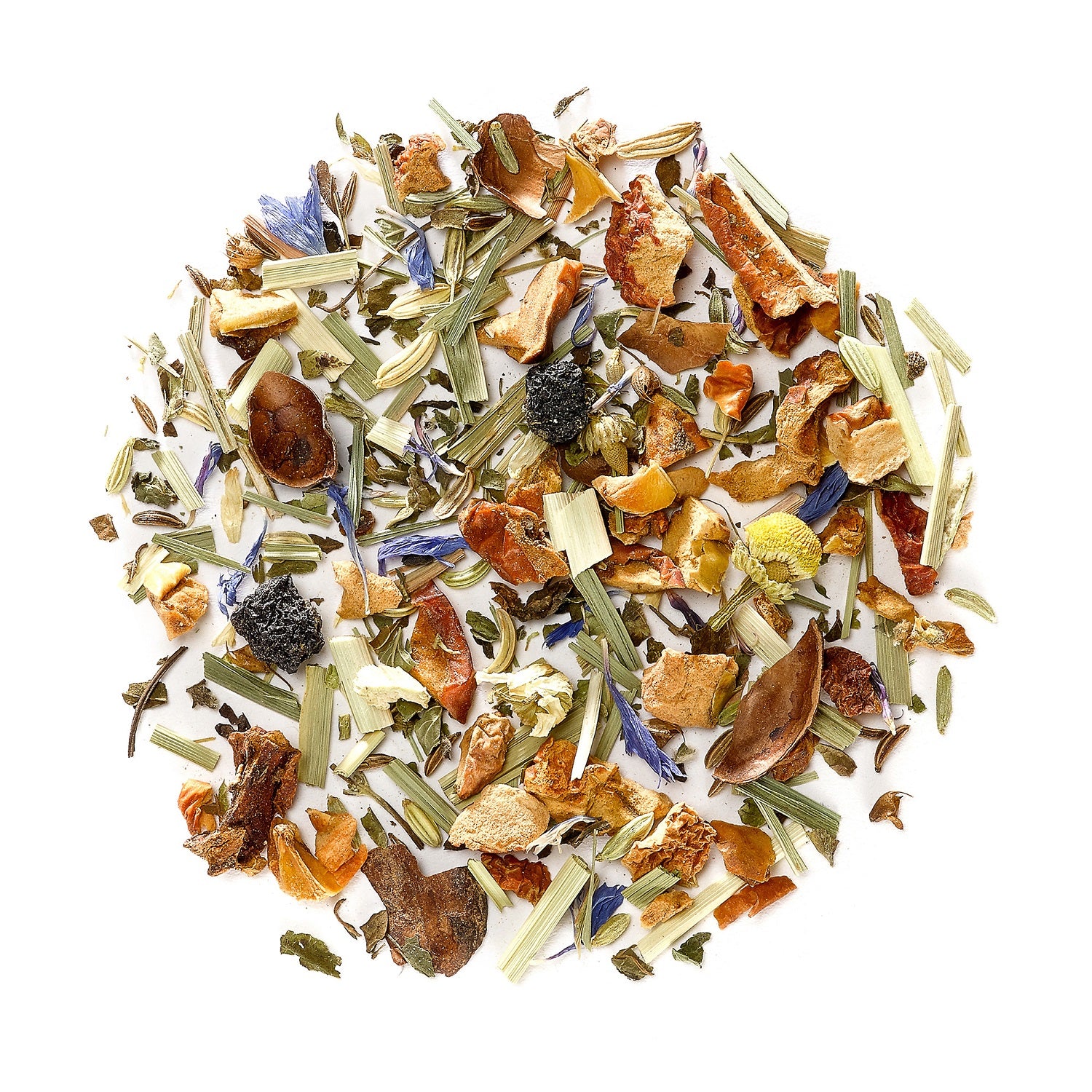
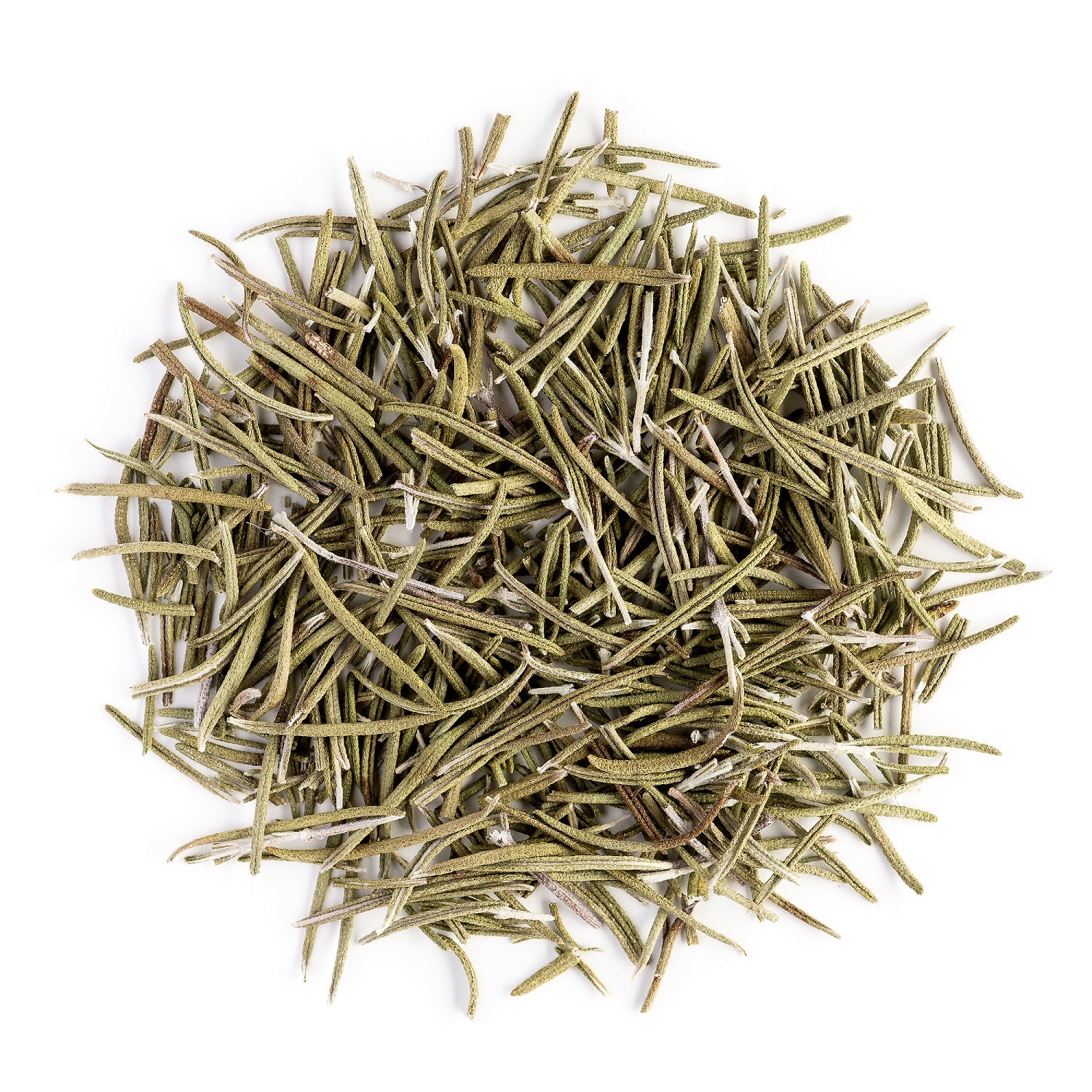
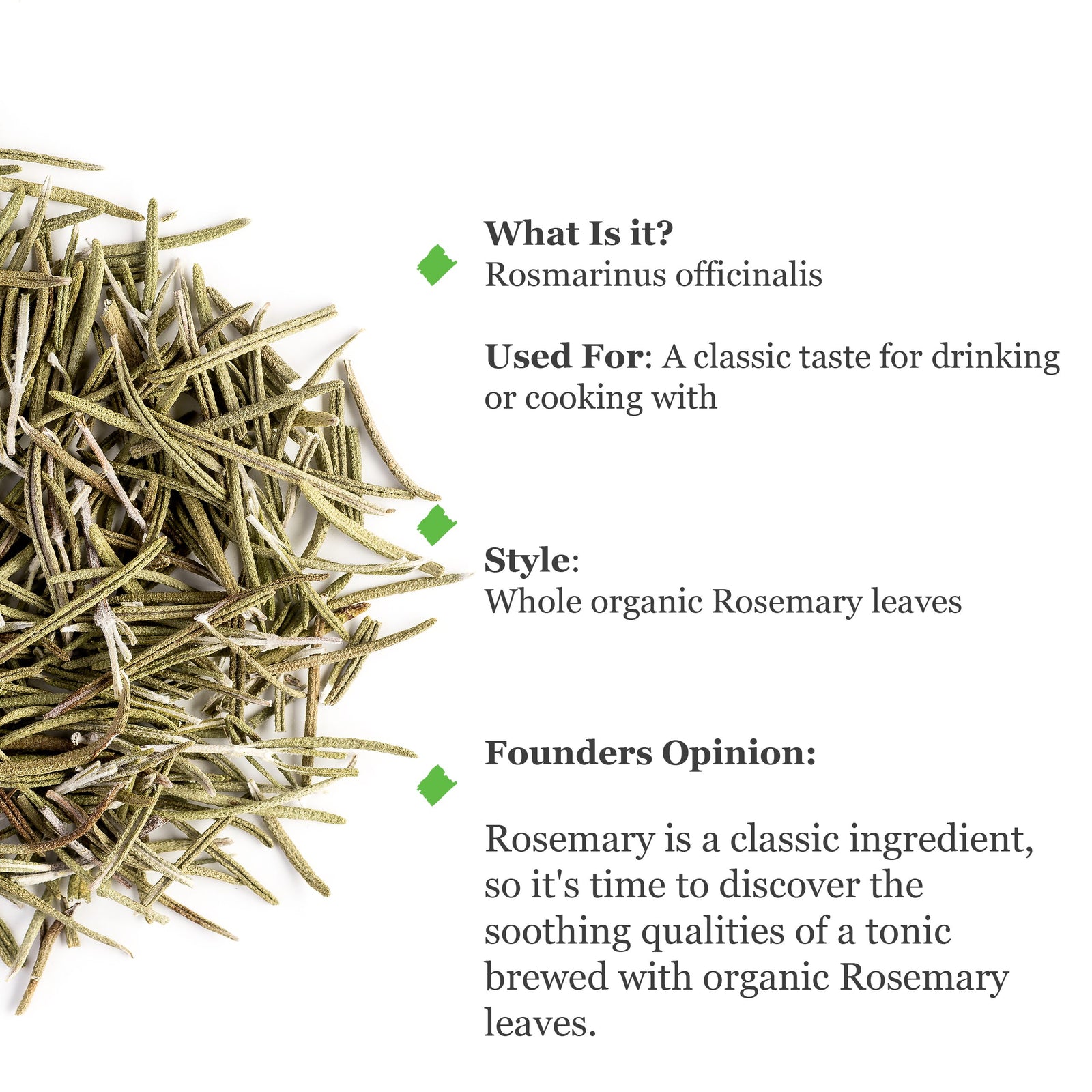
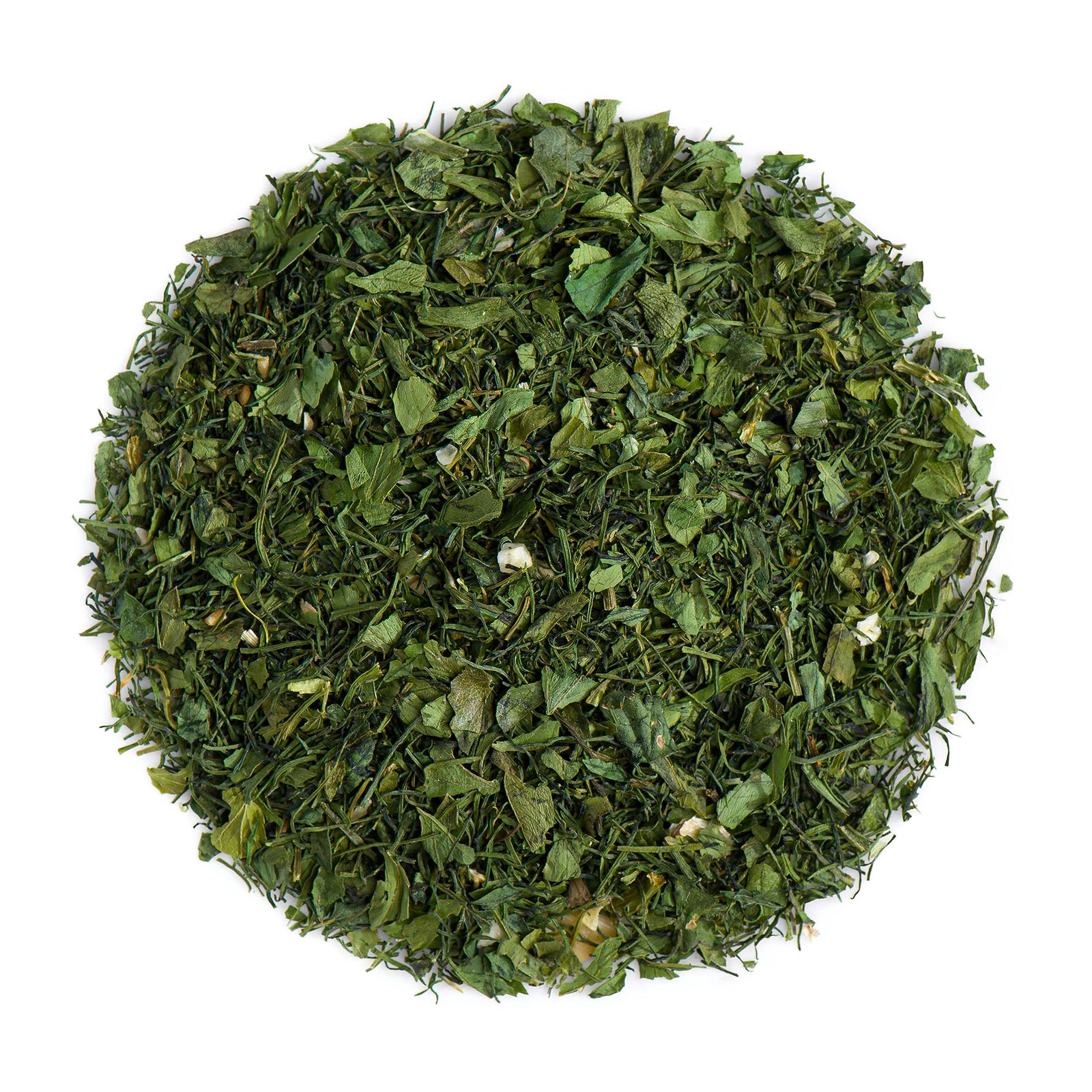
Teas Featured in This Article

Leave a comment
Comments will be approved before showing up.
Also in Valley of Tea Blog | Tea Guides, Origins & Brewing Tips
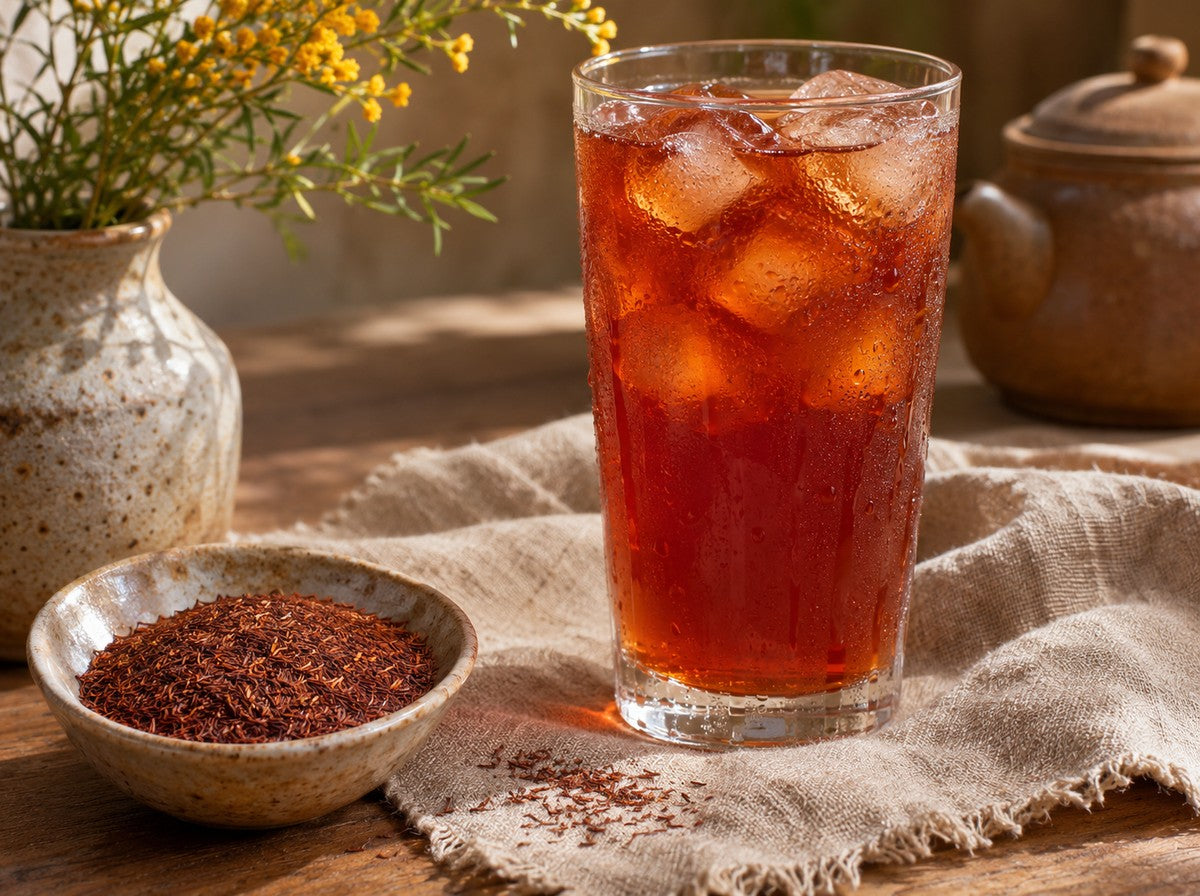

Rooibos Iced Tea: Caffeine-Free Refresher
Learn to make rooibos iced tea two ways: hot-brewed over ice in 15 minutes, or a smoother overnight cold brew, plus flavour additions and storage tips.

Spice Cabinet Organization: A Practical System That Works
Learn how to organize your spice cabinet with a practical system that keeps every jar findable and fresh. Temperature, layout, and audit tips included.

Maca or Ashwagandha for Your Daily Routine
Choosing between maca or ashwagandha? Learn how each root tastes, when to use them, and the best ways to prepare each in tea or drinks.

Wisdom is the path to better tea.
Get our free brewing guide: the right water, heat and timing for every tea we sell. You will also hear it first when new harvests arrive.
No spam. Unsubscribe any time.
Check your inbox.
The guide is on its way.