













Green Tea Latte: Earthy Warmth
A green tea latte made with brewed loose leaf is a different drink from a matcha latte. The matcha latte uses whisked powder suspended in liquid, giving dense, coating texture and a sharp, concentrated flavour. A green tea latte uses a brewed tea concentrate layered with steamed milk, delivering something lighter and more vegetal. Earthy, grassy notes from Sencha cut through milk fat in a way that surprises most first-timers.

If you have only ever had matcha lattes, the brewed version will feel subtler and less intense. That is the point.
What Does a Green Tea Latte Actually Taste Like?
The flavour depends almost entirely on which leaf you use. A green tea latte built on Sencha is grassy with a slight natural sweetness from the young buds, and the body is lighter than a matcha latte. The vegetal notes are forward but not aggressive. What you taste is something closer to fresh hay and seaweed with a clean, watery finish.

A Gyokuro-based green tea latte is a completely different experience. Gyokuro is shaded before harvest, which concentrates L-theanine, the amino acid responsible for umami savouriness and a smooth, mouth-coating quality. In milk, that umami character deepens into something almost broth-like.
It is unusual the first time, but highly distinctive. Gyokuro lattes work best for drinkers who already know the tea pure and want to explore what happens when milk enters the equation.
One variable that most home brewers miss is milk temperature. Above around 65C, steamed milk starts to mute the vegetal and grassy notes that define the drink. Some people prefer that muted version, which tastes milder and creamier. If you want the green tea character to stay present, keep the milk just below 65C and pour immediately.
Building the Perfect Ratio
The ratio that produces a usable concentrate for a green tea latte is 3g of loose leaf per 100ml of water at 78C, steeped for 90 seconds. This gives you enough intensity to hold up against milk without requiring excessive leaf. Brew hotter or longer and you risk astringency that no amount of milk will soften.

From there, the standard cafe ratio is 100ml of tea concentrate to 150ml of steamed milk. That gives a 40/60 split, which keeps the green tea flavour present without it being overwhelmed. If you prefer a stronger tea character, go 50/50. If you are making this for someone unfamiliar with green tea, start at 30/70 and adjust.
Milk choice shapes the final result noticeably. Oat milk amplifies perceived sweetness because of its natural sugars, which pairs well with lighter Sencha. Whole dairy amplifies creaminess and rounds out any remaining astringency. Both work.
Plant milks with strong flavour profiles of their own, coconut for example, tend to compete with the tea rather than support it. Barista-format oat or soy milks foam more consistently, which matters if you are trying to achieve a layered presentation.
Using boiling water is the number one error people make with green tea in any format. At 100C, catechins extract far faster and at higher concentrations, making the brew bitter and astringent before the milk can soften it. Seventy-eight degrees Celsius is the target for Sencha.
Why Leaf Origin Changes Everything
Japanese first-flush Sencha, harvested in April and May when the leaf is youngest, has higher amino acid content relative to later harvests. That translates into a sweeter, less astringent brew, which holds up better in milk. The sweetness here comes from glucose and fructose in the young buds, not from any single compound. The L-theanine in those young leaves provides the umami savouriness and smooth body you notice, not the sweetness itself.

We source directly from single estates for this reason. When you buy a blend of green teas from multiple seasons or regions, the flavour profile shifts batch to batch. With a single estate source, the brewing parameters that work this season will work next season within a close range. That consistency matters when you are calibrating a ratio for a drink you want to make reliably.
Chinese green teas behave differently in milk. Gunpowder green tea, for example, is pan-fired and rolled into pellets, giving it a smokier, slightly nutty character. In milk it tastes distinctly different from Japanese Sencha, not worse, but different.
Worth trying if you want something less grassy and more roasted. Biluochun or other Chinese flat-leaf greens land somewhere between the two.
Green tea deteriorates faster than any other category. We know that buying more than a season's worth of green tea almost always means drinking the back half at reduced quality. Buy what you will finish in two to three months. Once opened, keep it sealed, away from light and moisture.
Start Simple, Then Explore
A green tea latte rewards experimentation in a way most hot drinks do not. The variables are real and tractable: leaf type, water temperature, steep time, milk choice, ratio. Each one shifts the result in a direction you can predict once you understand what the leaf contributes.
Start with Sencha for approachability. It is the most familiar green tea flavour to most people and produces a drink that is recognisably a latte first and a tea drink second. From there, try Gyokuro if you want depth and umami. Try a Chinese green if you want something smokier or more roasted.
What matters here is not which version is best. It is that a green tea latte made with loose leaf is its own category, with its own logic, separate from the matcha latte that currently dominates menus.
Pick a leaf, set your water to 78C, and brew a small concentrate. The rest follows from there.


Leave a comment
Comments will be approved before showing up.
Also in Valley of Tea Blog | Tea Guides, Origins & Brewing Tips


Rooibos Iced Tea: Caffeine-Free Refresher
Learn to make rooibos iced tea two ways: hot-brewed over ice in 15 minutes, or a smoother overnight cold brew, plus flavour additions and storage tips.

Spice Cabinet Organization: A Practical System That Works
Learn how to organize your spice cabinet with a practical system that keeps every jar findable and fresh. Temperature, layout, and audit tips included.
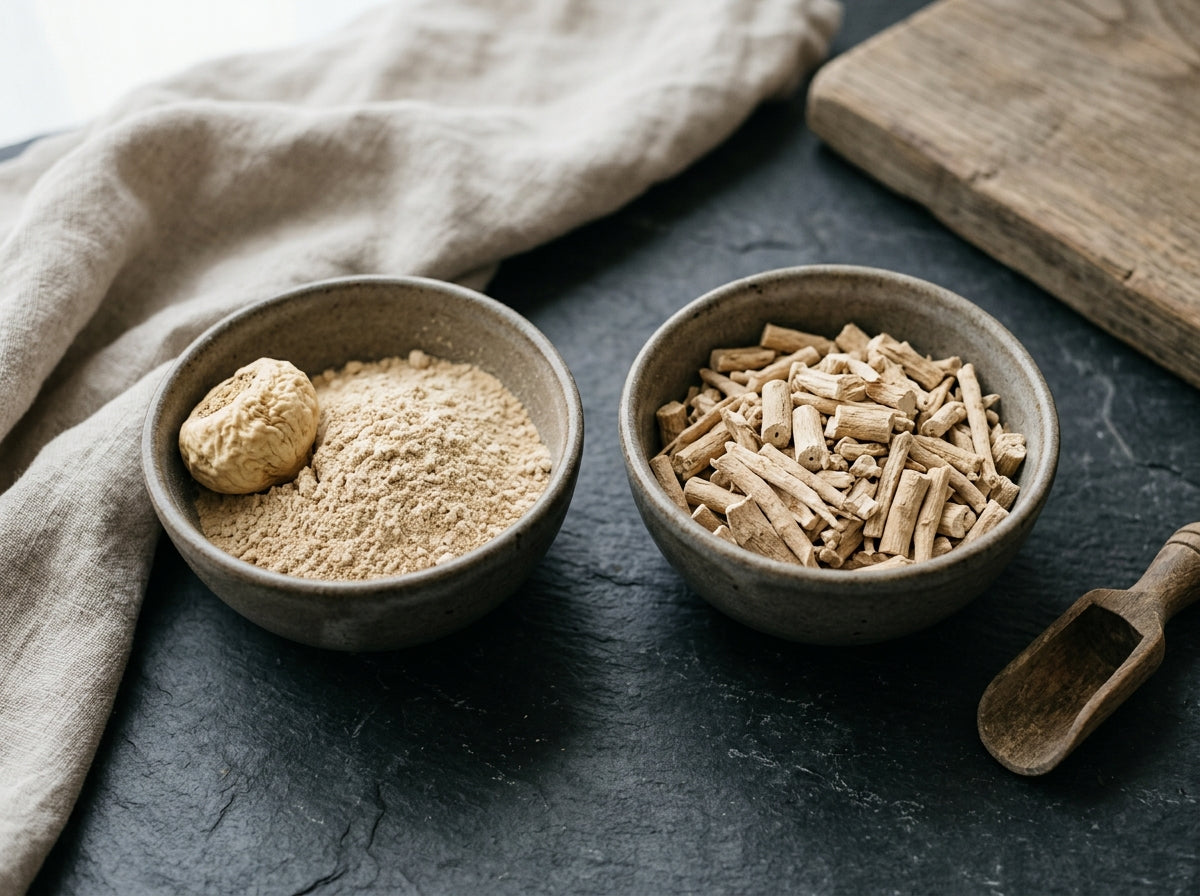

Maca or Ashwagandha for Your Daily Routine
Choosing between maca or ashwagandha? Learn how each root tastes, when to use them, and the best ways to prepare each in tea or drinks.

Wisdom is the path to better tea.
Get our free brewing guide: the right water, heat and timing for every tea we sell. You will also hear it first when new harvests arrive.
No spam. Unsubscribe any time.
Check your inbox.
The guide is on its way.