













Mint Tea: Quick Guide
Mint tea is a herbal infusion, not a true tea. It comes from either Mentha piperita (peppermint) or Mentha spicata (spearmint), and the two taste quite different. Peppermint is intense and menthol-forward.

Spearmint is softer, slightly sweet, with a rounder finish. Neither contains caffeine because neither comes from Camellia sinensis. If you want a caffeine-free, naturally aromatic brew, this is as simple as it gets.
Basic Mint Tea Recipe: Fresh Leaves
Use 5 to 7 fresh spearmint or peppermint leaves per 250 ml mug. Pour water at 90°C over the leaves and steep for 4 to 5 minutes. Fresh leaves release menthol gradually, and too little time leaves the brew tasting thin.

The right steep pulls the essential oil into the water without extracting the harder, grassy notes that come with longer times. The colour will turn a clear pale green.
To make it:
- Rinse the leaves briefly under cold water.
- Bruise them lightly: press with your fingers or roll them gently. This breaks the cell walls and releases more volatile oil.
- Place leaves in a mug or glass.
- Pour water at 90°C (just below boiling; let a boiled kettle rest 2 minutes).
- Cover the cup while steeping. This keeps the aromatic compounds in the brew rather than letting them escape with the steam.
- Steep 4 to 5 minutes. Strain.
- Add a small slice of lemon if you like; the acidity brightens the herb's natural sharpness. Honey works if you want sweetness.
Which mint to use? Spearmint is the more forgiving of the two for fresh brewing. Its carvone-based aroma is less sharp than peppermint's menthol. Spearmint works particularly well in the afternoon, when something refreshing but not bracing is the goal.
Peppermint gives a stronger, cleaner hit and holds up better if you brew it slightly longer or stronger.
Dried Mint Tea Recipe
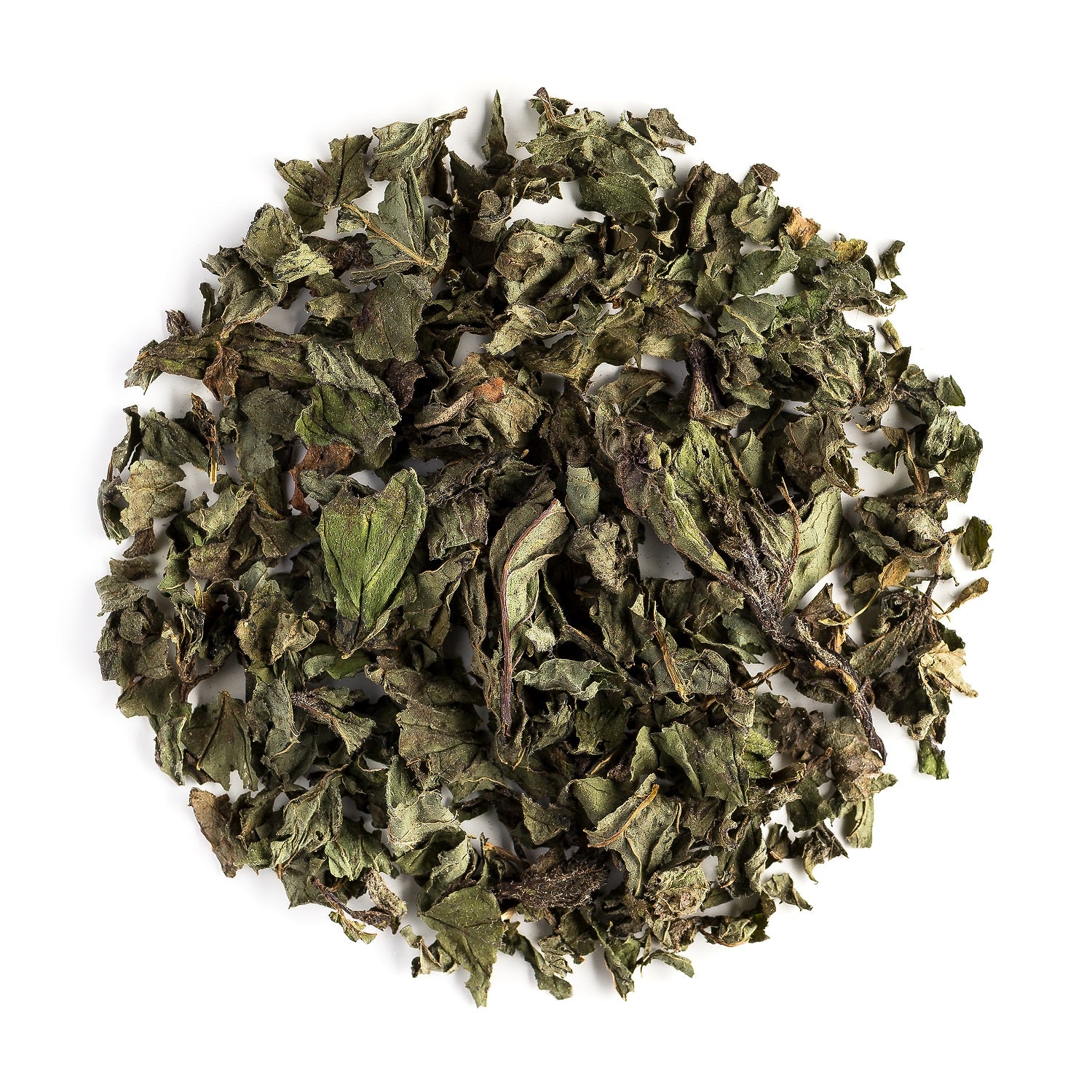
Use 1 teaspoon of dried peppermint per 250 ml. Steep 3 to 4 minutes, and do not go longer. Dried mint is more concentrated than fresh because the drying process removes water while retaining the essential oils.

That means less material delivers more flavour. A level teaspoon is the right starting dose; adjust up or down after tasting.
The 3 to 4 minute limit matters more here than with fresh leaves. Dried plant material releases its oils faster, and beyond 4 minutes the brew turns grassy and flat rather than clean and bright. The menthol peak is early; extended steeping only adds unwanted background bitterness from the cellulose.
We source our peppermint from Morocco. We've compared several origins over the years, and Moroccan peppermint is intensely menthol-forward, which is exactly what customers expect from peppermint. Eastern European and Egyptian types are generally more balanced. Either works well dried, but the profile differs noticeably.
Storage: Keep dried mint in an airtight tin away from light. The essential oil in peppermint and spearmint degrades with UV exposure and heat. A glass jar in a dark cupboard works, but avoid leaving it next to the hob.
Well-stored dried mint holds its character for at least a year. Over time the essential oil degrades and the brew loses its sharpness.
Quality check when a new batch arrives: open the bag and smell immediately. Good dried peppermint should smell sharp and distinctly minty. Flat or slightly musty aroma means the carvone or menthol has degraded. Degraded mint brews thin.
Moroccan-Style Mint Tea
Brew 1 teaspoon of Gunpowder green tea strong in 200 ml of hot water, then pour over a generous handful of fresh spearmint and 2 to 3 teaspoons of sugar. This is the classic atay, the North African style of mint tea that turns a simple herb brew into something theatrical and social.

Gunpowder green tea (tightly rolled pellets of Chinese green tea) is the standard base. Its full-bodied, slightly smoky character stands up to the spearmint without being overwhelmed by it.
The method:
- Rinse the Gunpowder briefly with a small amount of hot water to remove bitterness. Discard the rinse water.
- Add the tea to a small teapot with the fresh spearmint and sugar.
- Pour water at 85 to 90°C. Steep 3 to 4 minutes.
- Pour one glass, then return it to the pot. Do this twice. This is called "waking" the tea and mixes the layers.
- Pour into small glasses from height: 20 to 30 cm above the glass. The high pour aerates the liquid and creates a light froth on the surface. This is not decorative; it softens the texture of each sip.
Traditionally the session goes to three glasses. Each pour is slightly different because the tea continues to extract. The first glass is the lightest, the third is the richest and most bitter.
Some prefer the first, some the last. There is no wrong answer, though in Morocco this debate is genuine and long-running. We have spent evenings with suppliers where arguments about the right number of sugar cubes and the correct height of the pour lasted well past the tea itself.
A Forgiving Brew to Start With
Mint tea is one of the most straightforward herbals to brew. Fresh or dried, the mint tea recipe is hard to ruin. The main variable to watch is steep time, particularly with dried mint. Get that right and the rest follows.
The core principle is simple: fresh leaves need bruising and 90°C water; dried leaves need less material and a short steep; Moroccan style needs a base tea and a high pour. Each method produces something distinct, and all three are worth trying before settling on a favourite.
We stock loose peppermint and spearmint at Valley of Tea, sourced from Morocco and Tunisia respectively. If you want the intensity of peppermint for a straight mint tea recipe, start there. If you want something softer for a longer afternoon pot, spearmint is the right call. Both are available in loose leaf format so you can adjust the dose to your taste.
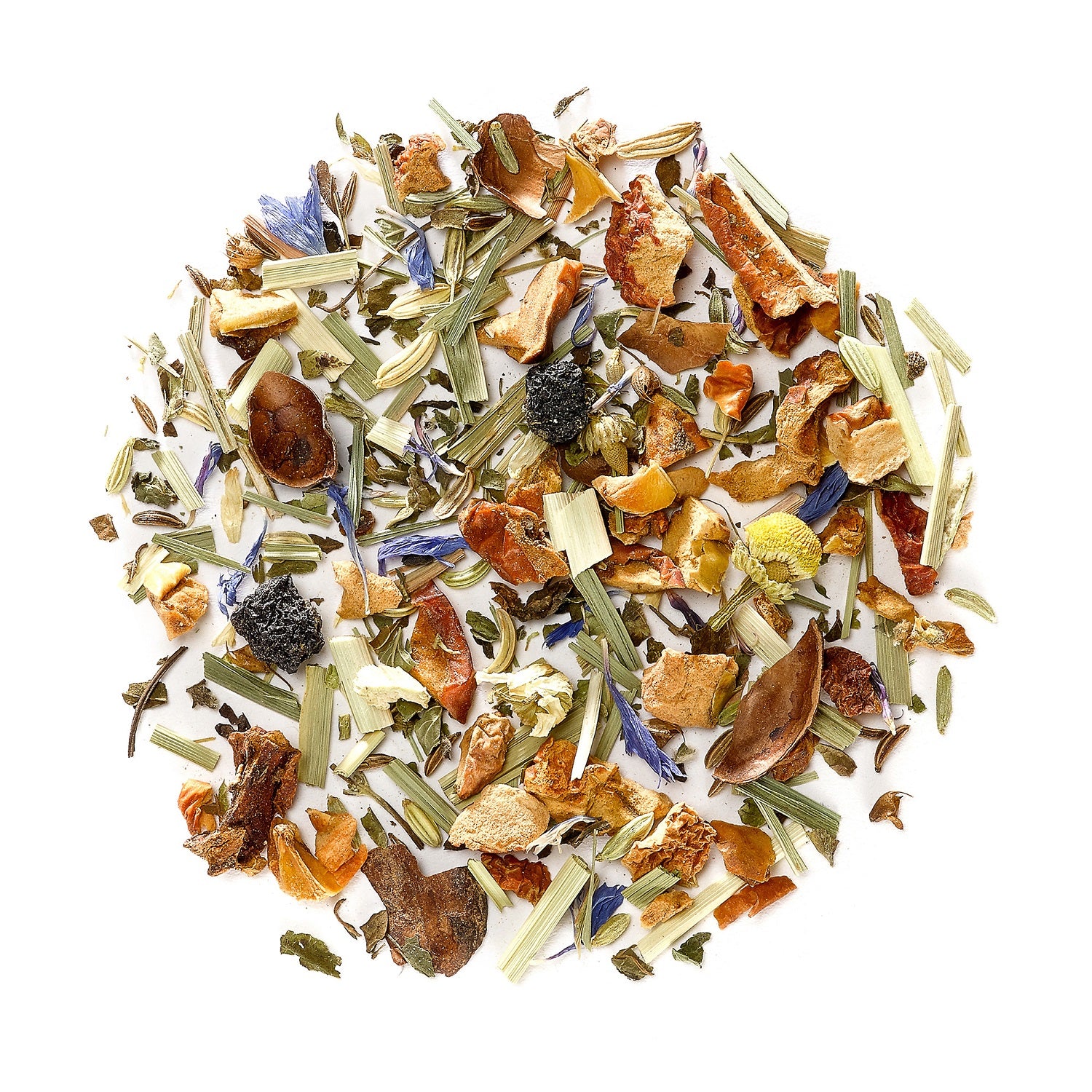
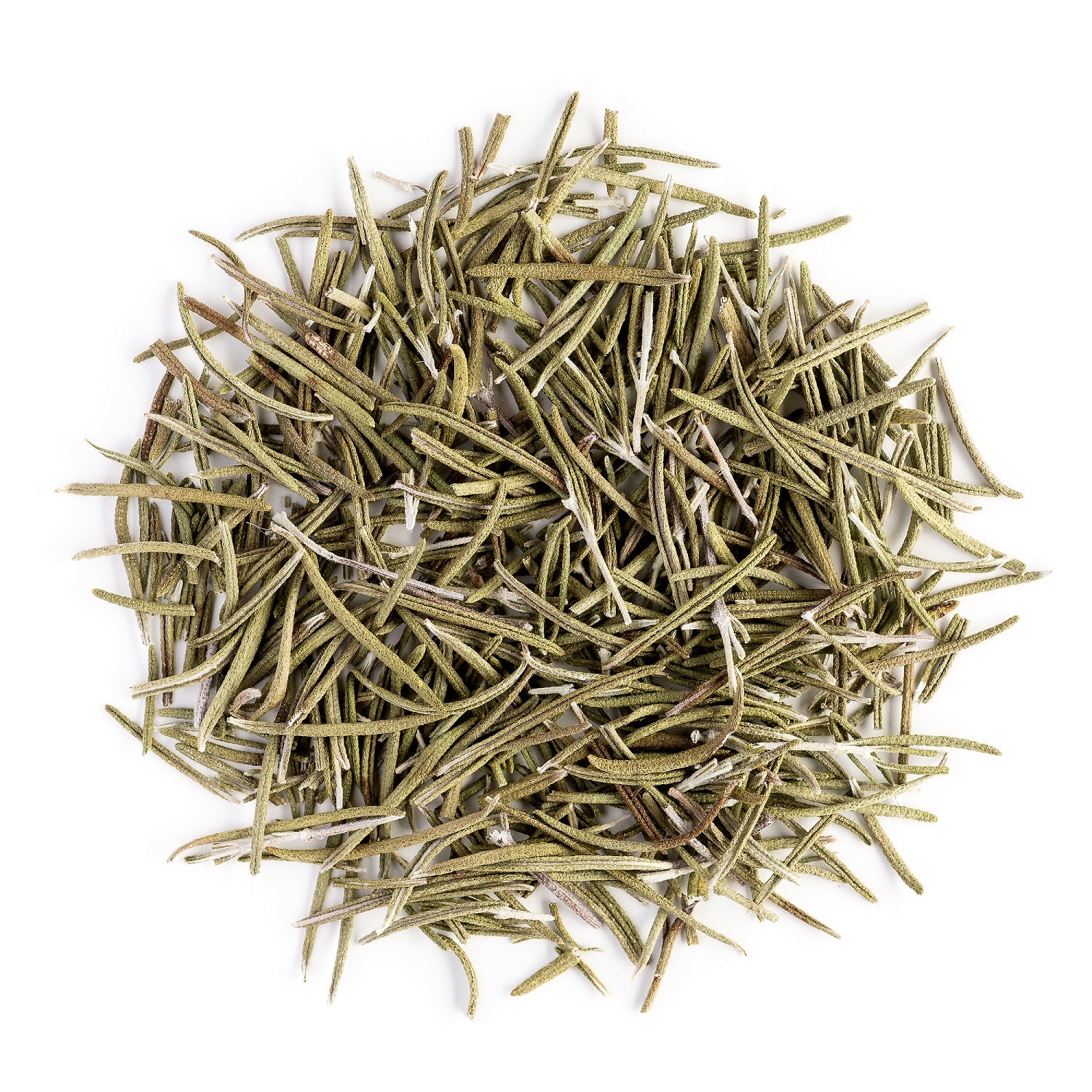
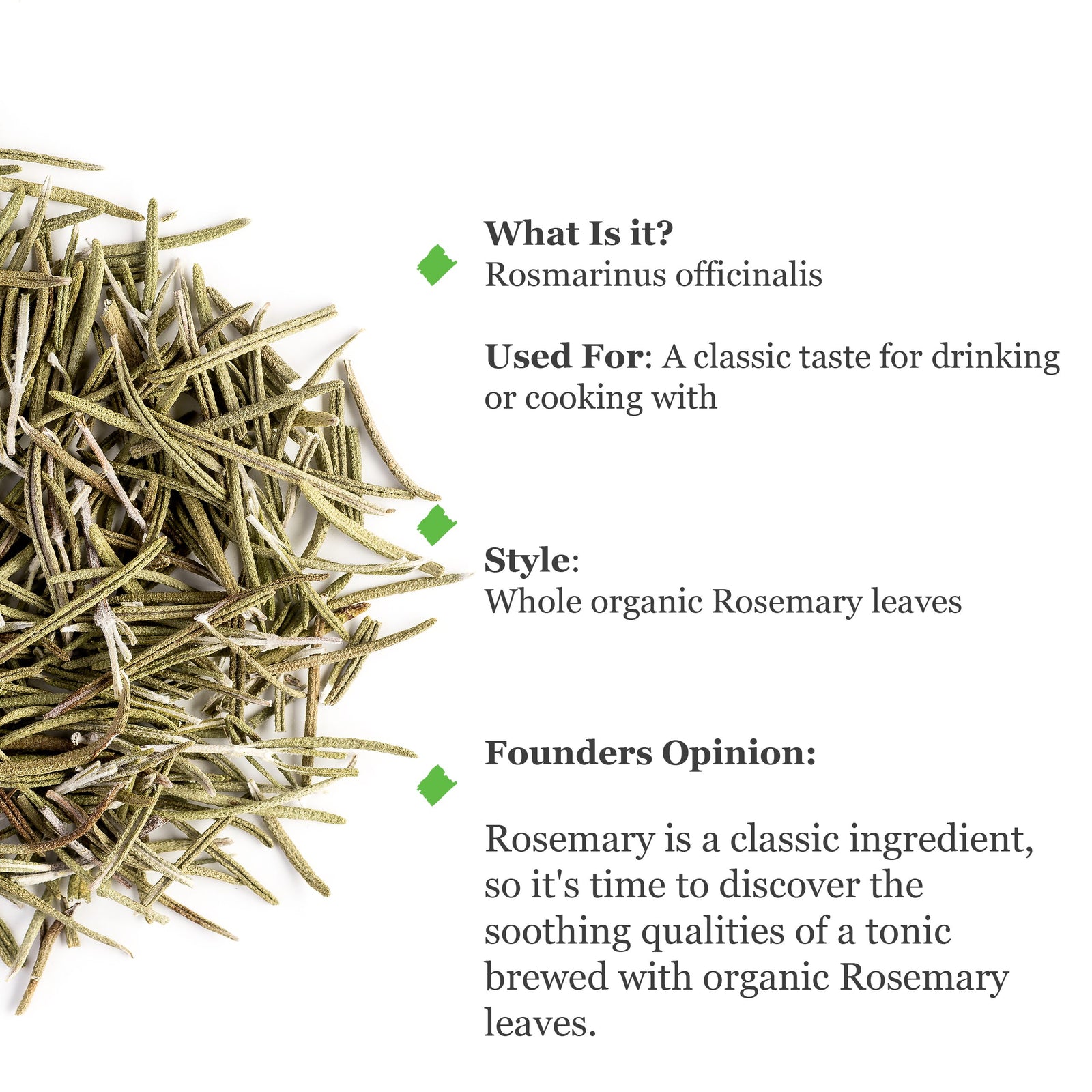
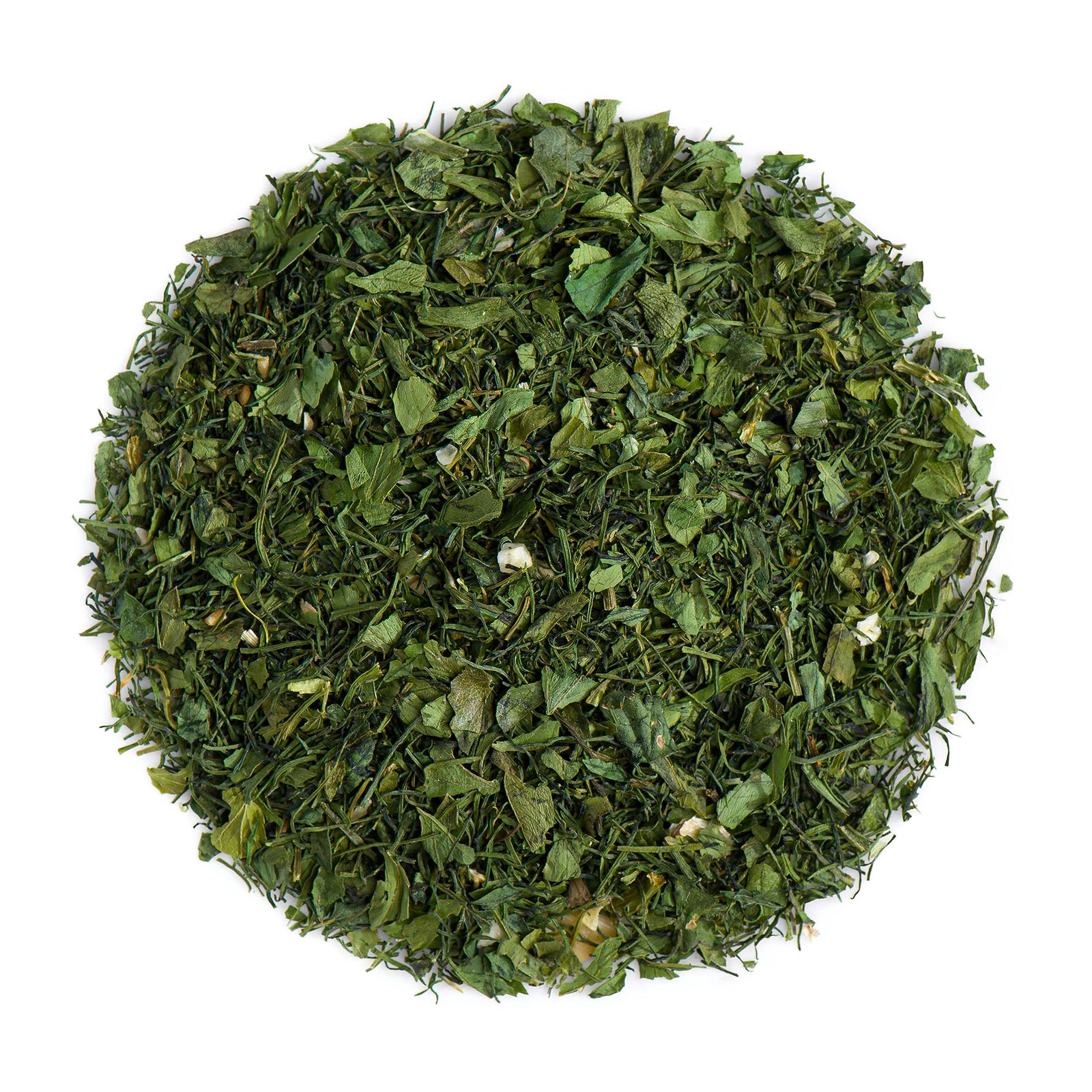
Teas Featured in This Article

Leave a comment
Comments will be approved before showing up.
Also in Valley of Tea Blog | Tea Guides, Origins & Brewing Tips
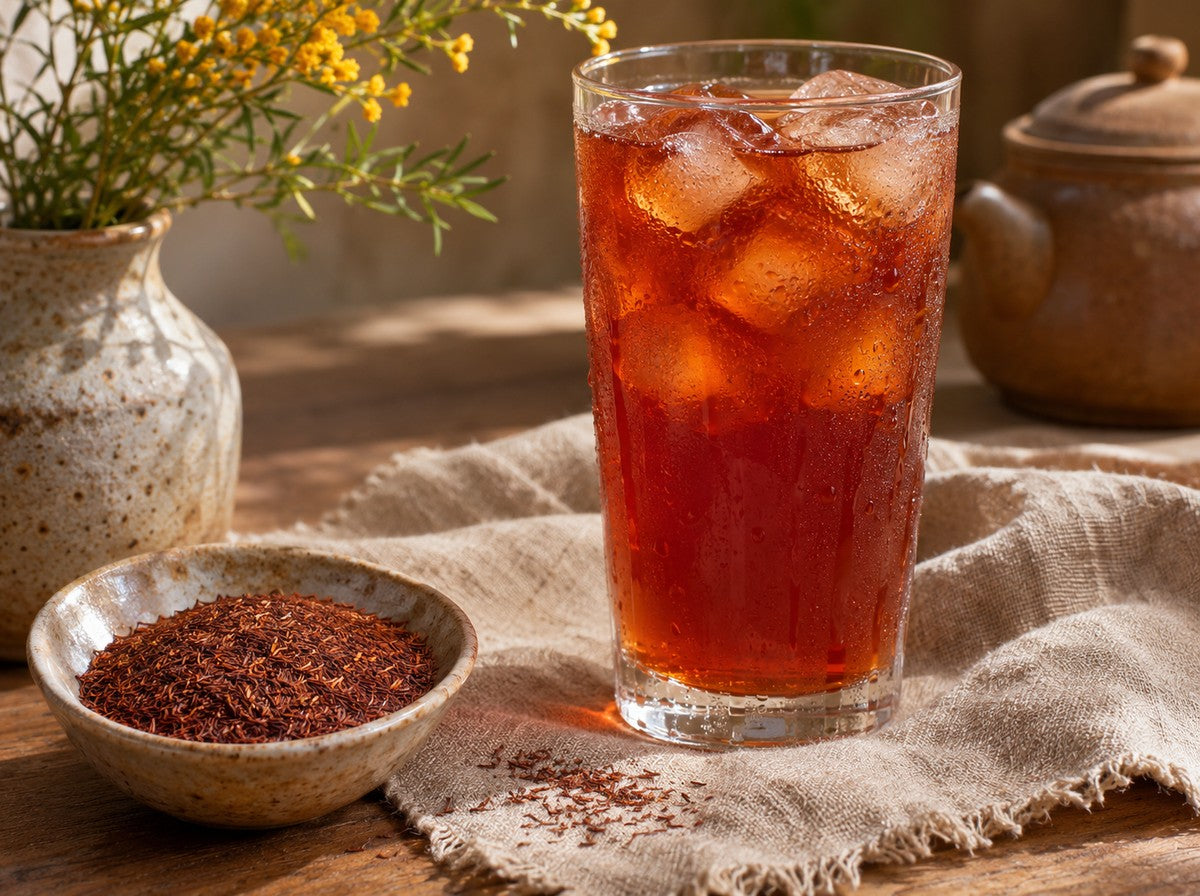

Rooibos Iced Tea: Caffeine-Free Refresher
Learn to make rooibos iced tea two ways: hot-brewed over ice in 15 minutes, or a smoother overnight cold brew, plus flavour additions and storage tips.

Spice Cabinet Organization: A Practical System That Works
Learn how to organize your spice cabinet with a practical system that keeps every jar findable and fresh. Temperature, layout, and audit tips included.

Maca or Ashwagandha for Your Daily Routine
Choosing between maca or ashwagandha? Learn how each root tastes, when to use them, and the best ways to prepare each in tea or drinks.

Wisdom is the path to better tea.
Get our free brewing guide: the right water, heat and timing for every tea we sell. You will also hear it first when new harvests arrive.
No spam. Unsubscribe any time.
Check your inbox.
The guide is on its way.