













Teapot Set
A teapot set is one of those purchases people make too fast. You see a matching pot and cups, the style looks right, and you buy it. But material, spout geometry, and capacity affect how your tea brews far more than any pattern on the glaze does.

Quality also varies enormously across price points and origins: two porcelain sets at similar prices can differ greatly in glaze thickness, lead safety, and lid fit. This guide covers what a teapot set actually includes, which materials work best for which teas, how to brew correctly with one, and how to care for it long term. If you are choosing your first teapot set or replacing one that no longer performs, spend a few minutes here first.
What Is a Teapot Set?
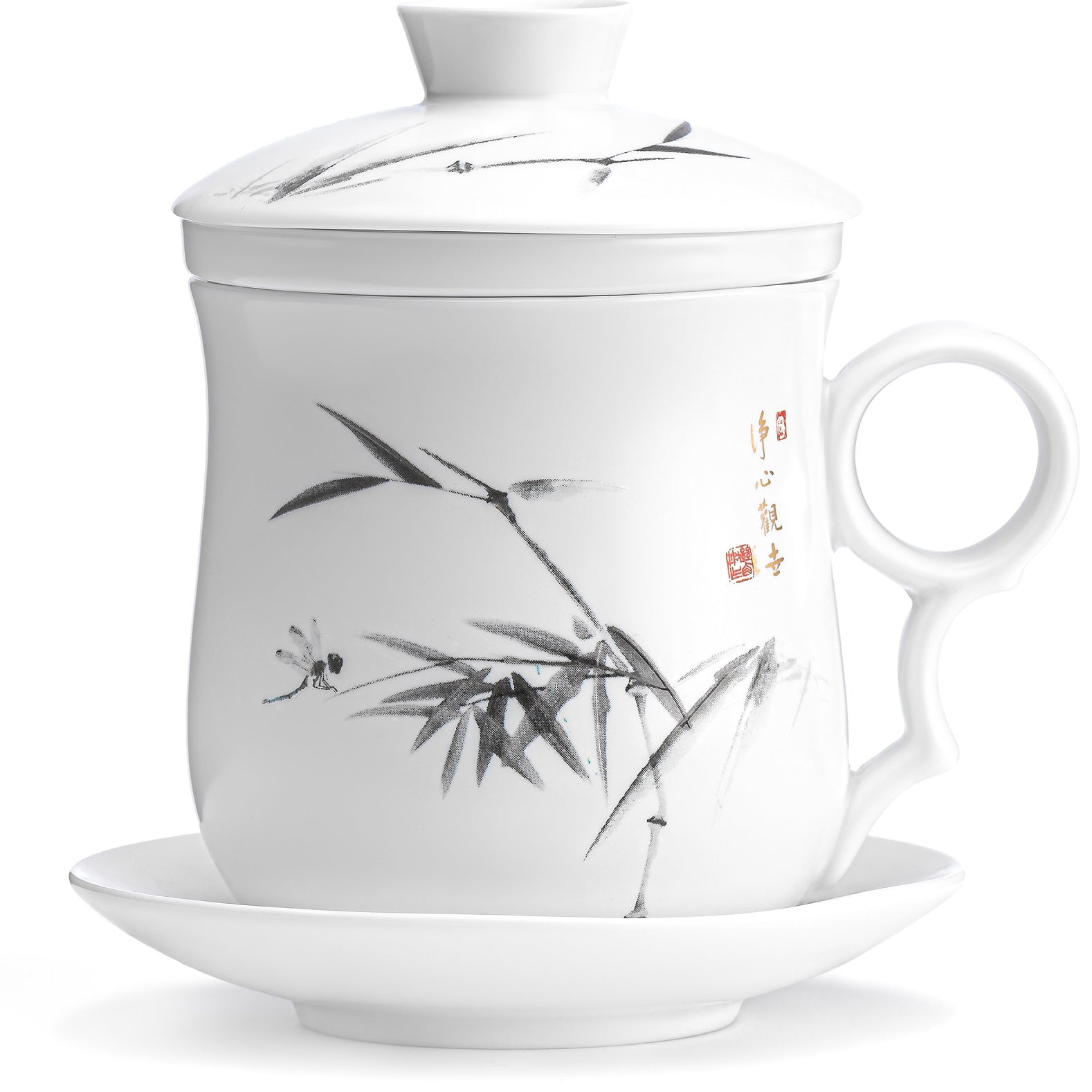
A teapot set is a matched collection of teapot and cups sold as a unit. Standard configurations include a pot ranging from 400 to 800 ml, between two and six cups, and sometimes saucers and a tray. Some sets also include a removable infuser basket inside the pot, which makes loose leaf brewing more convenient without requiring a separate strainer.
Sets versus open stock is a real decision. A matched set gives you a cohesive aesthetic and guarantees the cups are proportioned to the pot. Open stock lets you mix materials and capacities: for example, a larger porcelain pot paired with smaller Yixing cups if you prefer the taste benefits of unglazed clay for sipping but want the neutrality of porcelain for brewing. Neither approach is wrong, but they suit different priorities.
One buying factor that most guides skip: lead and cadmium in painted ceramics. Brightly painted or heavily decorated sets from unknown manufacturers can contain elevated levels of both in the glaze. This is particularly relevant for sets from unverified sources where the glaze covers the interior of cups.
If the set has no safety certification listed and the origin is unclear, that is worth flagging. Look for sets that cite EU or US food-safety compliance, verified lead and cadmium migration limits exist for ceramic tableware under EU and US regulations, or stick to undecorated glazed interiors.
Teapot Materials Compared: Which Should You Choose?
The material a teapot set is made from determines heat retention, taste neutrality, and required maintenance. The three most common materials are cast iron, porcelain, and glass, and each has a distinct use case.
Cast iron retains heat for up to 30 minutes once fully warmed, which makes it useful for slow-sipping sessions or serving at a table where the pot sits for a while. The downside is weight: a cast iron pot runs 1.2 to 2 kg empty, which is significant when pouring. Cast iron also requires consistent drying after every use.
Leaving water in a cast iron pot or allowing moisture to sit in the lid groove causes rust. Japanese tetsubin are the traditional form, and well-made versions have an enamelled interior that protects the iron from the tea. Cheaper cast iron sets often skip the enamel, which leads to metallic off-notes in the brew and rust within months.
Porcelain is the most practical all-round choice. It has no flavour of its own, tolerates the full temperature range from 70C for green tea to boiling for black tea, cleans easily, and works with any tea type. It is also the easiest material to assess for quality: a good porcelain set has a consistent glaze, a well-fitting lid with minimal wobble, and a spout that pours cleanly without dripping. Porcelain is what we recommend for a first teapot set because it puts no constraint on which teas you can brew.
Glass has one advantage: you can watch the tea steep, which gives useful visual feedback on colour development and steeping time. The practical limitation is poor insulation. Glass loses heat quickly, which matters for teas that need a sustained temperature like oolong or black tea.
Glass teapot sets work well for flowering teas, herbal infusions, and fruit blends where the visual effect is part of the experience and temperature holding is less critical. For everyday tea brewing, glass requires more attention to steeping time because the tea cools faster than the timer suggests.
How to Brew Tea with a Teapot: Step-by-Step
Brewing tea in a teapot produces a better cup than a mug infuser because the leaves have room to expand fully. A proper infusion requires water circulating around the leaf, not just through it.
Step 1: Pre-Warm the Pot
Fill it with boiling water, swirl briefly, and pour it out. This takes 30 seconds and does two things: it raises the pot's internal temperature so the brewing water does not lose 5-10C on contact with cold ceramic, and it prevents thermal shock cracking in thinner porcelain. For cast iron, pre-warming is especially important because the mass of the pot absorbs significant heat.
Step 2: Measure Correctly
The standard starting point is 1 teaspoon of loose leaf per 200 ml of water. This holds for most teas. Adjust upward for broken-leaf or fannings-cut teas, which pack more tightly and infuse faster, and downward for large-leaf oolongs or white tea, which expand significantly and need less volume to deliver full flavour.
Step 3: Match Water Temperature to the Tea
The most common mistake is using boiling water for every tea. Green tea brews best at 70-80C, white tea at 75-85C. Oolong falls between 85-95C depending on oxidation level, and black tea and pu-erh take a full 95-100C.
Using boiling water for a green tea extracts chlorophyll and tannins at rates the leaf was not meant to sustain, which produces bitterness and hides the sweetness of the cultivar. This is one reason people say they do not like green tea when what they experienced was badly brewed green tea.
Step 4: Pour Immediately After Steeping
Leaving brewed tea sitting in the pot over-extracts. Steeping time for most teas runs 2-4 minutes. Once the time is up, either pour all the tea into cups or decant into a second warmed pot. If you are not ready to pour yet, remove the infuser basket if the set has one.
Teapot Sets for Different Tea Styles
The right teapot set depends on how you actually brew, not on how you imagine you might brew on a special occasion.
Gongfu-style brewing uses a very small pot, typically 100-200 ml, paired with four to six small cups holding 30-50 ml each. The principle is multiple short infusions of 20-60 seconds, often five or more rounds from the same leaves. This method reveals how a tea changes across infusions: a quality Taiwanese high-mountain oolong brewed gongfu-style will shift from creamy and floral in the first infusion to roasted and persistent by the fourth.
A Yixing clay pot from China's Jiangsu province is the traditional vessel for gongfu brewing. The unglazed clay is slightly porous and absorbs trace amounts of the tea over time, which experienced gongfu drinkers value for the seasoning effect it develops. These pots are material-specific: use one Yixing pot for one tea type only to avoid flavour blending.
Everyday Western brewing suits a 500-800 ml pot with four cups. One steep, 3-5 minutes, and you have enough tea for a quiet morning or a small table. This is the format most households use, and it is where porcelain or glazed ceramic performs best. A 600 ml porcelain set covers most daily brewing scenarios without wasted tea.
Travel teapot sets have grown more practical in recent years. The most functional versions are 300-400 ml glass pots with a silicone sleeve for grip and heat protection, sized for a single serving. They suit single-person households or office use where brewing a full pot is unnecessary.
Caring for Your Teapot Set
A teapot set that is properly maintained outlasts most kitchenware. The care requirements differ by material, but a few practices apply across all types.
New unglazed clay pots require seasoning before first use. Place the pot and lid in a large pan, cover with cold water, bring slowly to a boil, and simmer for 15 minutes. This removes residual kiln dust and clay particles from the manufacturing process and begins opening the pores.
After boiling, let it cool in the water. Some gongfu practitioners then brew a pot of the tea they plan to use in it and discard that first batch. Skipping this step produces a dusty or mineral note in the first few brews that most people attribute to the tea, not the pot.
Store with the lid off. A sealed pot traps residual moisture, which over weeks develops a musty smell inside the clay or unglazed interior. Store the pot right-side up or inverted with the lid beside it, not on top.
Calcium deposits accumulate on the interior of any pot used with hard water. The white or grey scale that builds inside a teapot over months is harmless but affects flavour over time by introducing mineral off-notes. Remove it by filling the pot with a 1:3 solution of white vinegar and water and leaving it for two hours, then rinsing thoroughly with cold water. Do not use dish soap inside an unglazed clay pot: the soap absorbs into the clay and cannot be fully rinsed out.
Cast iron sets need drying immediately after every use. Empty the pot, rinse briefly with hot water (no soap on the enamel interior), and dry the exterior with a cloth. For the enamelled interior, allow it to air dry with the lid off. Moisture sitting overnight in a cast iron pot, even in the gap between lid and rim, is enough to start surface rust.
Conclusion
For most people buying their first teapot set, porcelain remains the most practical choice. It handles every tea type from delicate green to full-bodied black, it is straightforward to clean, and a well-made porcelain set with a tight-fitting lid and clean-pouring spout will serve you for years without demanding special care.
The decision gets more nuanced if you have a specific brewing habit: gongfu drinkers benefit from a small unglazed Yixing pot, herbal tea drinkers get something from glass, and anyone pouring for a household at a table may want the heat retention of cast iron. Buy for the teas you actually brew daily, not the occasion you hope to host. A teapot set used regularly for the right tea will always outperform one bought for a style that sits unused.
Leave a comment
Comments will be approved before showing up.
Also in Valley of Tea Blog | Tea Guides, Origins & Brewing Tips
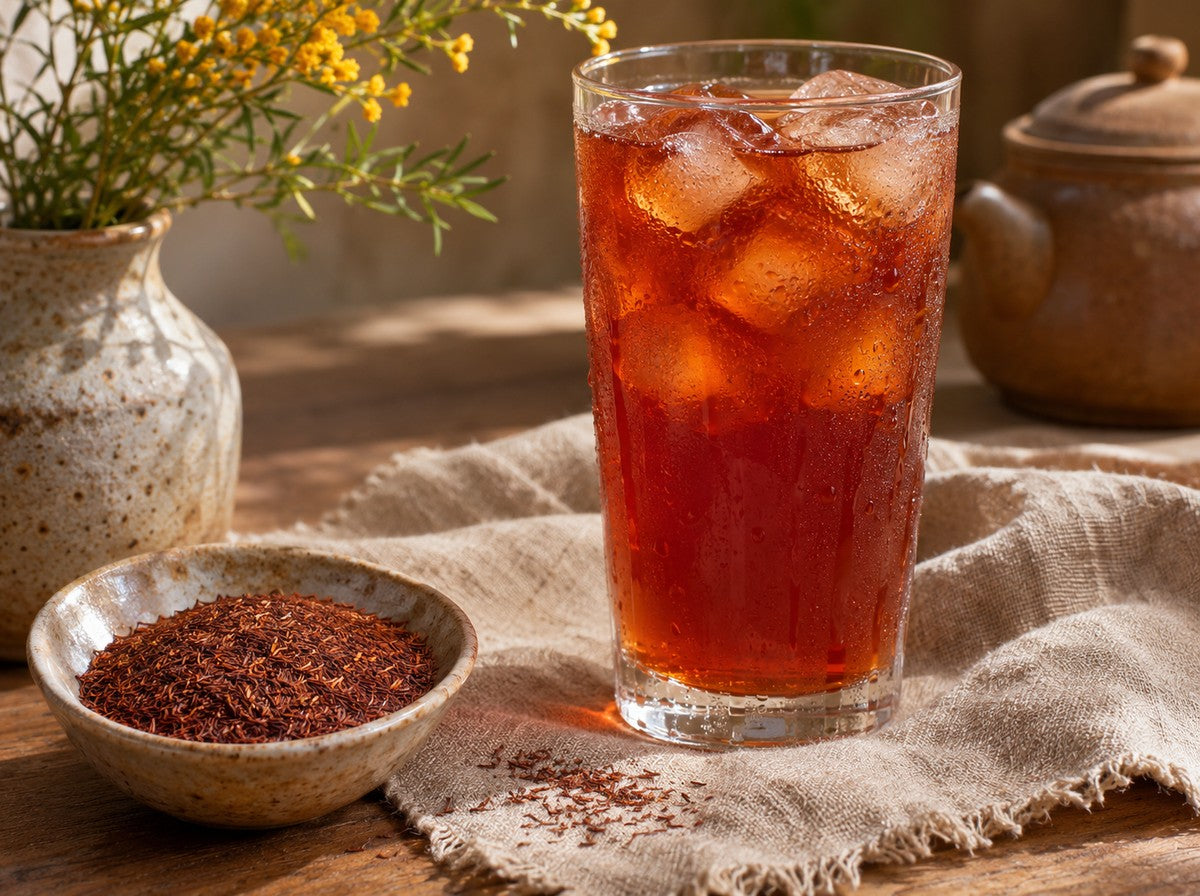

Rooibos Iced Tea: Caffeine-Free Refresher
Learn to make rooibos iced tea two ways: hot-brewed over ice in 15 minutes, or a smoother overnight cold brew, plus flavour additions and storage tips.

Spice Cabinet Organization: A Practical System That Works
Learn how to organize your spice cabinet with a practical system that keeps every jar findable and fresh. Temperature, layout, and audit tips included.

Maca or Ashwagandha for Your Daily Routine
Choosing between maca or ashwagandha? Learn how each root tastes, when to use them, and the best ways to prepare each in tea or drinks.

Wisdom is the path to better tea.
Get our free brewing guide: the right water, heat and timing for every tea we sell. You will also hear it first when new harvests arrive.
No spam. Unsubscribe any time.
Check your inbox.
The guide is on its way.