












What Is a Tea Pet and Why Gongfu Drinkers Keep Them
A tea pet is a small unglazed clay figure that sits on a gongfu tea tray and gets doused with the first pour of every session, rinse water and all. Drinkers call this "feeding" the pet, and over months of feeding, the porous clay darkens, smooths, and slowly takes on the smell of whatever tea it drinks most.

We think of ours less as decoration and more as a running record of a tea habit. A pixiu, a three-legged toad, a small grinning pig, sometimes something stranger, all sitting at the edge of the tray while the leaves steep. Most authentic pets are fired from the same zisha clay dug near Yixing in Jiangsu province that goes into the region's famous teapots, unglazed on purpose so the surface can drink. If you already brew gongfu style and haven't added a tea pet to the tray, this is the slow, low-stakes habit worth understanding before you buy one.
The Origins Of The Tea Pet Tradition
Tea pets started as scrap. Yixing potters throwing zisha teapots would press leftover clay trimmings into small animal shapes at the end of a workday, more habit than craft, and fire them alongside the pots in the same kiln. Tea-history sources trace the custom to Yixing potters of the Yuan dynasty in the 13th century, with the practice gaining wider popularity through the Ming and Qing dynasties as it spread among tea drinkers and collectors: though the earliest record is thin, and exact dating varies by source. What we can say with more confidence is how the custom travelled: as gongfu brewing spread out of Jiangsu and into the tea houses of Fujian and Guangdong, the small clay companions went with it, becoming a fixture of the tray rather than a potter's throwaway.
For a long time nobody treated them as valuable. Tea sellers we've spoken with over the years describe a Chinese idiom, wán wú sàng zhì, roughly "trifling destroys the will," used to wave off any real attention to tea pets as a minor amusement next to the tea itself. That framing has shifted. In Chinese tea shops today, pets are common on gongfu tables, from plain thumb-sized frogs to elaborate carved pieces that carry real prices, and specialist shops now sell nothing else. The core habit hasn't changed even as the market around it has: pour tea over the figure, let it sit through the session, repeat for years.
What Tea Pets Are Made From
Most authentic tea pets are made from unglazed Yixing zisha clay in purple, red, or yellow tones, the same mineral-rich clay used for the region's classic teapots. Because the surface is left raw and porous, it absorbs tea oils and pigment directly, which is what lets the colour change over time instead of just staining and wiping clean.
Zisha clay is mined specifically around Yixing and fired without glaze so the body stays permeable. That's the whole mechanism behind a tea pet's appeal: a glazed surface would seal the clay and stop it drinking, so makers leave it bare, rough to the touch, and single-coloured. Purple clay (zi ni) is the most common and tends to shift toward a deep, almost chocolate brown after years of feeding. Red clay (zhu ni) starts brighter and often develops a warmer, redder patina, while the rarer yellow-toned clays (duan ni) shift more gradually and hold a softer finish.
Porcelain and resin figures marketed as tea pets exist and cost less, but they never do what an authentic pet does. Glaze and resin are non-porous, so tea rolls off the surface instead of soaking in: no colour change, no growing fragrance, no patina to show for years of sessions. Some sellers also offer partially glazed pets where only the glazed section changes colour via a heat-reactive coating rather than clay absorption: that's a novelty effect, not a true patina. If the point of owning one is watching it age alongside your tea habit, unglazed zisha is the only material that actually delivers that.
Popular Tea Pet Symbols And Meanings
The two figures you'll see most often are the pixiu and the jin chan, both drawn from Chinese folklore around prosperity rather than any literal claim about luck. The pixiu is a winged, lion-like guardian said in folk tradition to draw wealth toward its owner and never let it go; the jin chan, or three-legged toad, usually appears mid-hop with a coin held in its mouth, a design almost every tea pet collection ends up owning at least one of.
Beyond those two, the cast of common figures is wide. Pigs, often round-bellied and grinning, carry similar prosperity associations and tend to be the cheapest, most widely available shape. Koi fish reference an old story of a carp leaping a waterfall gate and becoming a dragon, a symbol of perseverance rather than instant fortune. Small seated monks or buddhas are chosen for contentment rather than wealth, and dragons, along with the rest of the Chinese zodiac animals, show up regularly for drinkers picking a pet tied to their birth year.
None of this is meant as a claim that a clay figure changes anything about your luck or health; it's folklore, carried the same way a lucky coin or a family heirloom is carried, and most drinkers we've dealt with pick a figure because it's charming or personally meaningful rather than for the symbolism alone.
How To Care For A New Tea Pet
Before its first tea bath, boil a new tea pet in clean water for about ten minutes. This softens any dust or firing residue left in the porous clay and lets the surface start absorbing evenly instead of taking colour unevenly from the first pour.
After that first boil, care is just repetition. Bathe the pet daily with the leftover tea from your session, either the rinse water, dregs from the pot, or a spare cup, using a soft bamboo brush to work the liquid into the surface rather than letting it just puddle and dry. Some drinkers dunk the whole figure in the wash bowl used to warm the teapot; others pour directly from the last cup. Either works, since the goal is simply contact time between tea and clay.
What you should never do is clean a tea pet with soap or detergent. Soap coats the pores with residue and blocks the absorption that builds the patina in the first place, undoing months of feeding in one wash. Plain water and a soft brush are the only tools you need. Visible colour change is gradual: daily feeding over several weeks typically starts showing a faint shift, with a genuinely deep, glossy patina taking months to a year or more depending on how often the pet is fed and which tea it drinks.
Pairing A Tea Pet With Your Tea Style
Aged pu-erh and other dark teas build a patina faster than green tea does, simply because they carry more pigment, oil, and body in every pour. A pet fed daily on ripe pu-erh can show noticeable darkening within weeks, while one fed on a pale green tea will change far more slowly and gently.
Heavy roasted oolongs sit somewhere in between, and they tend to bring out warm reddish-brown tones in purple zisha clay rather than the near-black finish pu-erh produces. If a drinker's main tea is a roasted Wuyi oolong or a dark rock tea, expect the pet's colour to lean rust and amber rather than deep brown. Lighter oolongs and white teas, closer to green tea in pigment, will patina at a similarly unhurried pace.
There's no wrong tea to feed a pet, but matching the pet to whichever tea makes up most of your sessions gives a more consistent, even patina than switching teas constantly. One common mistake is feeding a pet only occasionally with whatever happens to be brewing that week; the colour change ends up patchy rather than the smooth, even darkening that regular feeding produces. If you want a faster, more dramatic result, an aged or ripe pu-erh session most days will get you there quicker than any other tea in the cupboard.
Where Tea Pets Belong On The Tea Tray
A tea pet belongs on the slatted surface of a bamboo tea boat, the drainage tray gongfu sessions are brewed over, positioned close enough to the gaiwan or teapot that you can pour over it without reaching. The slats let excess tea drain away instead of pooling around the figure, which keeps it from sitting in stagnant liquid between sessions.
Most tea boats have enough surface for two or three pets without crowding the actual brewing space around the gaiwan, cups, and pitcher. If you keep more than that, some drinkers set up a second small tray or shelf nearby purely for pets not in active use that session, rotating which ones sit on the main boat. A common mistake is placing a pet directly under the spout where hot water splashes it constantly rather than during the deliberate "feeding" pour; that leads to uneven wear rather than a controlled patina. Keep pets out of direct sun between sessions too, since strong light can dry and fade an otherwise developing patina unevenly across the figure.
Frequently Asked Questions
How long until a tea pet shows visible colour change? With daily feeding, a faint shift usually appears within a few weeks; a deep, glossy patina takes months to a year or more depending on the tea and frequency.
Can a tea pet be cleaned with soap? No. Soap and detergent seal the clay's pores and stop it absorbing tea, which halts patina development. Use plain water and a soft brush only.
Is it fine to gift a tea pet? Yes. Most drinkers see it as a personal, low-stakes gift; picking a figure tied to the recipient's zodiac year or a shape they'll find charming is a nice touch, but there's no strict etiquette to follow.
Should I keep more than one tea pet? Plenty of drinkers do. As long as your tea boat has room and each pet gets fed regularly, a small collection is normal rather than excessive.
The Patient Reward
A tea pet rewards patience more than any other object on the tea table. There's no shortcut to a deep patina: it comes from months and years of ordinary sessions, one pour at a time, and that slowness is the actual point of keeping one rather than a drawback. We'd rather see a drinker pick a figure that genuinely appeals to them, a pig, a toad, a dragon, whatever catches the eye, than chase a rare clay grade or a figure with supposedly stronger symbolism.
If you brew gongfu regularly and want a small, honest way to track that habit over time, a tea pet is a low-cost place to start. Browse our teaware collection for gongfu trays and gaiwans to build the rest of the setup around it, and let the pet do what it's meant to do: sit, soak, and slowly change alongside your tea.
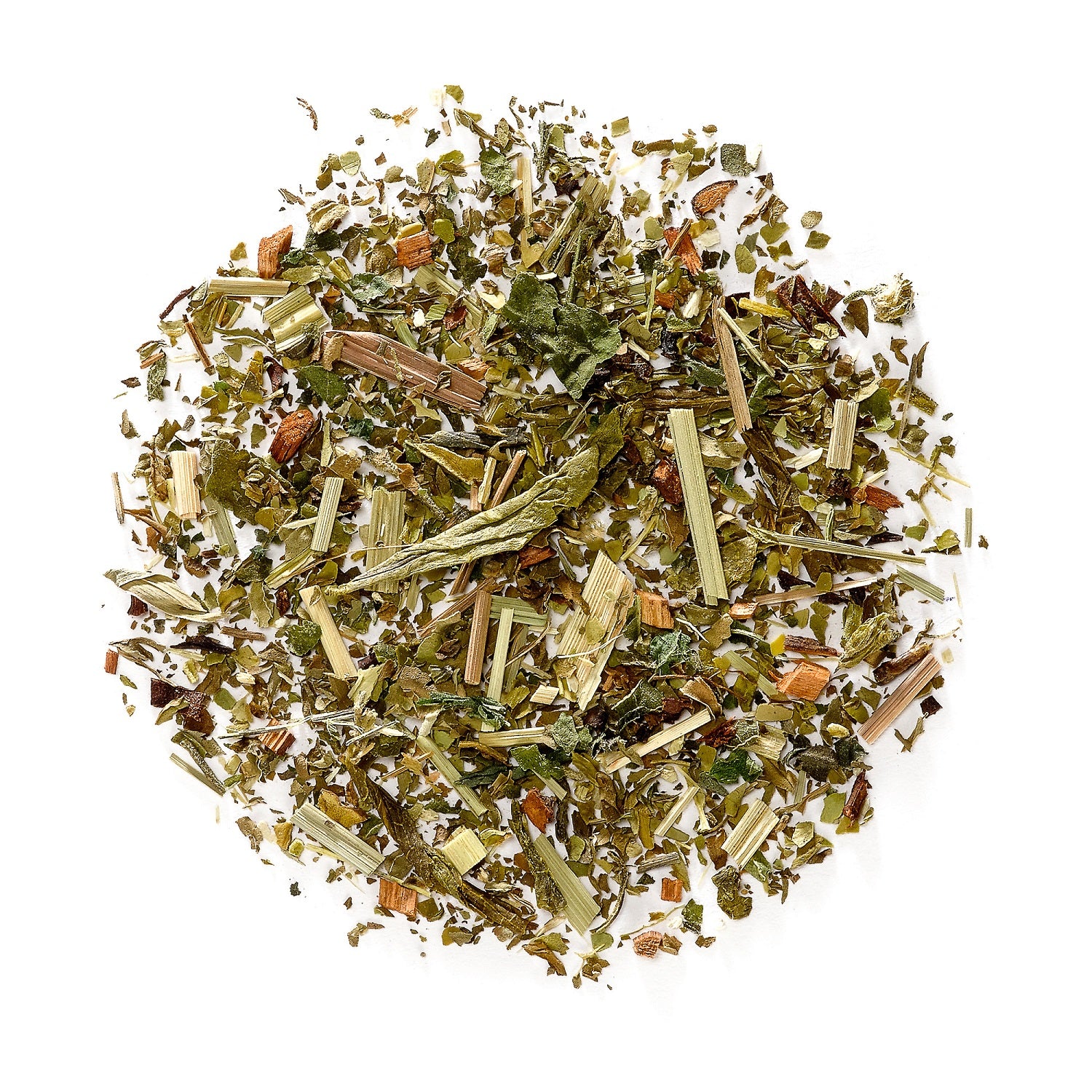
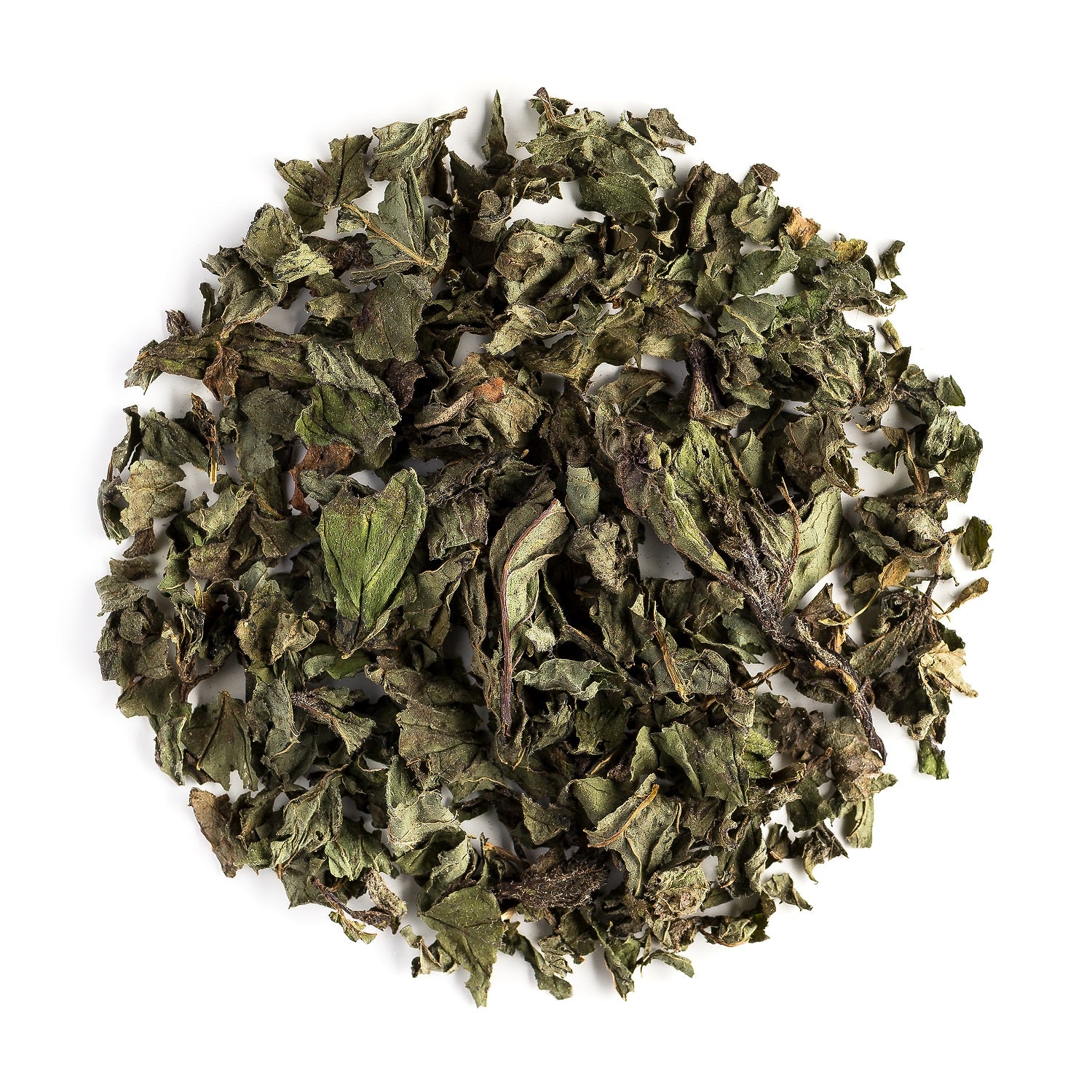
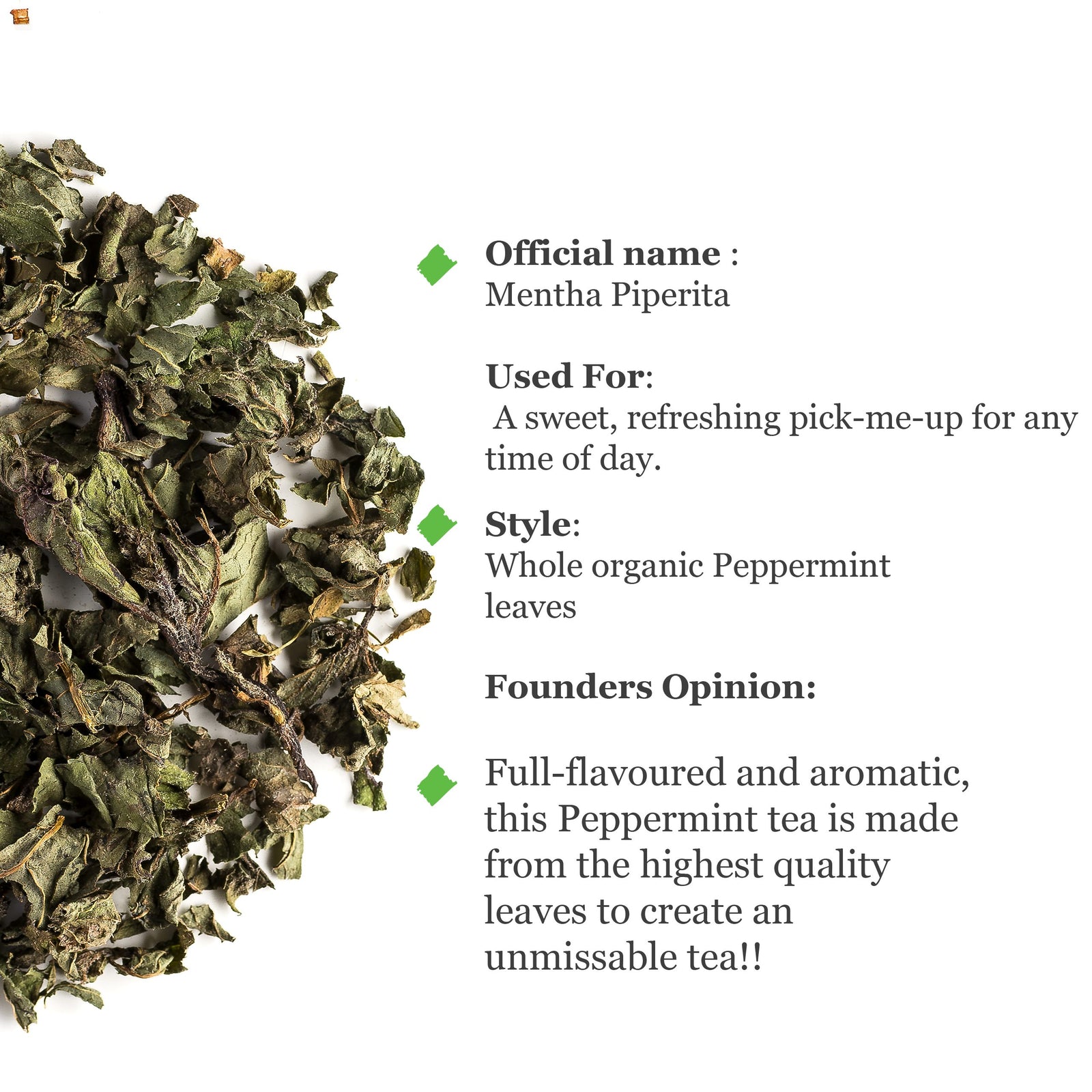
Teas Featured in This Article

Leave a comment
Comments will be approved before showing up.
Also in Valley of Tea Blog | Tea Guides, Origins & Brewing Tips

Rooibos Iced Tea: Caffeine-Free Refresher
Learn to make rooibos iced tea two ways: hot-brewed over ice in 15 minutes, or a smoother overnight cold brew, plus flavour additions and storage tips.

Spice Cabinet Organization: A Practical System That Works
Learn how to organize your spice cabinet with a practical system that keeps every jar findable and fresh. Temperature, layout, and audit tips included.

Maca or Ashwagandha for Your Daily Routine
Choosing between maca or ashwagandha? Learn how each root tastes, when to use them, and the best ways to prepare each in tea or drinks.

Wisdom is the path to better tea.
Get our free brewing guide: the right water, heat and timing for every tea we sell. You will also hear it first when new harvests arrive.
No spam. Unsubscribe any time.
Check your inbox.
The guide is on its way.