












How to Host an Afternoon Tea with Valley of Tea?
Afternoon tea is one of the most enduring food traditions in the world, and hosting one at home is simpler than most people think. You do not need bone china, a butler, or a three-tier silver stand — though those things are nice. What you need is good tea, a few well-chosen foods, and a willingness to slow down for an hour or two.
This guide covers everything: the history behind afternoon tea, the critical difference between afternoon tea and high tea, how to plan your service, which teas to serve, what food to pair, how to set the table, how to brew for a group, and how to put a modern spin on the tradition without losing what makes it worth doing.

What Is Afternoon Tea
Afternoon tea as a formal practice dates to the 1840s and is credited to Anna Maria Russell, the 7th Duchess of Bedford. The story is simple and believable: dinner in aristocratic English households had shifted later and later, often not served until eight or nine in the evening. The Duchess found herself hungry and restless in the long gap between lunch and dinner. She began requesting a tray of tea, bread and butter, and small cakes be brought to her private rooms around four o'clock.
What started as a private habit became a social occasion. The Duchess began inviting friends to join her, and the practice spread rapidly through London society. By the 1880s, afternoon tea was an established institution among the upper and middle classes — a light meal served between three and five o'clock, with tea, finger sandwiches, scones, and pastries. The British Museum's history of Victorian afternoon tea offers a detailed account of how the tradition took hold during this era.
The tradition stuck because it solved a real problem. The gap between lunch and dinner is long. A well-made pot of tea and a few bites of food at four o'clock transforms the second half of the day. That practical appeal has kept afternoon tea alive for nearly two centuries, long after the social customs that created it have disappeared.
Today, afternoon tea is served in hotels, tea rooms, and homes around the world. The format has remained consistent: tea, savory items, scones, and sweets, served in sequence from light to rich.
Afternoon Tea vs High Tea
This distinction matters, and getting it wrong will confuse your planning. Afternoon tea and high tea are not the same thing, and high tea is not the fancier version — it is the opposite.

Afternoon tea (also called low tea) is the light, elegant meal described above. It is called "low" tea because it was traditionally served in a sitting room on low parlor tables and soft chairs. The food is delicate: finger sandwiches, scones, petit fours. It is a social occasion, not a full meal.
High tea is a working-class meal that originated in industrial England and Scotland. It is called "high" because it was served at the dining table — a high table with straight-backed chairs. High tea is substantial: meat pies, cold cuts, baked beans, bread, cheese, and a strong pot of tea. It functions as an early supper, eaten by people who had been doing physical work all day and needed real food, not cucumber sandwiches.
The confusion arose because "high" sounds grand, so people outside Britain assumed high tea was the formal version. Hotels and restaurants have not helped — many use "high tea" on their menus when they mean afternoon tea. The UK Tea & Infusions Association's guide to tea customs clarifies this distinction well. If you are hosting the elegant version with finger sandwiches and tiered stands, you are hosting afternoon tea.
Planning Your Tea Service
A successful afternoon tea requires only three decisions: when, how many, and how much.
Timing. The traditional window is three to five o'clock. This works well because guests arrive with mild appetites — hungry enough to appreciate the food but not so starving they need a full meal. If your schedule does not allow a weekday afternoon, a weekend tea at two or three o'clock works perfectly.

Guest count. Afternoon tea works best with four to eight people. Fewer than four feels sparse; more than eight becomes difficult to serve without help. The conversation stays together at a single table, which is part of the charm.
Quantity. Plan for three to four cups of tea per person and approximately six to eight small food items per person across all three tiers: two to three sandwiches, one scone with accompaniments, and two to three sweets. This sounds like a lot, but the portions are small. In practice, I find the salmon sandwiches and lemon tarts disappear first — the scones tend to move more slowly, especially with guests who are not familiar with them.
In Belgium, scones are still an acquired taste, so I always make sure the sandwich tier is generous enough that no one leaves hungry if they skip the scones.
Prepare everything in advance. Sandwiches can be made two to three hours ahead and covered with a damp cloth. Scones are best warm but can be made the morning of and reheated briefly. Sweets can be made a day ahead. The only thing that must be done to order is brewing the tea.
Which Teas to Serve
Offer three to four teas so guests can choose based on preference. A good selection covers a range of strengths and flavors without overwhelming anyone with choices.

A classic black tea. This is the anchor of any afternoon tea. A Darjeeling second flush offers muscatel complexity that pairs beautifully with both savory and sweet foods. English Breakfast or a quality Ceylon work if you want something more familiar to guests who are not tea enthusiasts. The black tea should be robust enough to hold up to milk for those who take it.
A lighter option. A Chinese green tea like Dragon Well (Longjing) or a first flush Darjeeling gives guests something more delicate. These teas are best served without milk and pair particularly well with the lighter sandwiches and fruit-based pastries. Our Gunpowder Green Tea also works well here if your guests appreciate a clean, full-flavored green.
An oolong for complexity. A lightly oxidized Tie Guan Yin or a medium-roasted Taiwan oolong sits between black and green tea in body and flavor. This is the tea that surprises guests who think they know tea — the floral sweetness and layered character of a good oolong often converts people on the spot. Our Milk Oolong is another excellent choice, with its naturally creamy, floral character.
I remember pouring a roasted Tie Guan Yin for an older man at one of our sessions. He started to smile after the first sip: "Ah yes, I remember this tea. I used to have it with my grandpa back in Taiwan." He turned silent for a moment, though it felt like the sun was still shining on his face. We sat in a comfortable silence, and I understood that sharing a cup had let me share in a moment from his life. That kind of recognition is something a black tea rarely produces. Oolong can be steeped multiple times during the service, which makes it practical for a long afternoon.
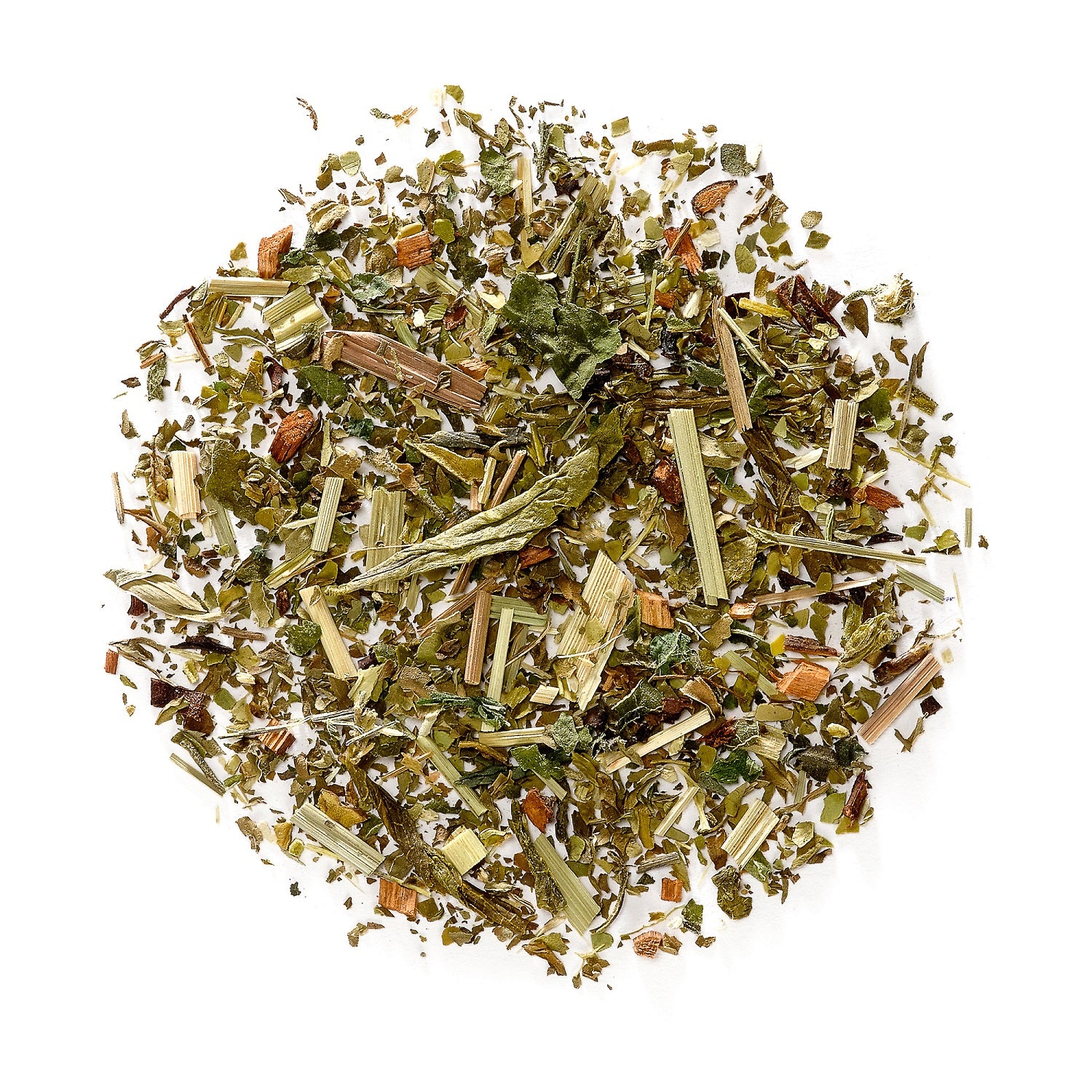
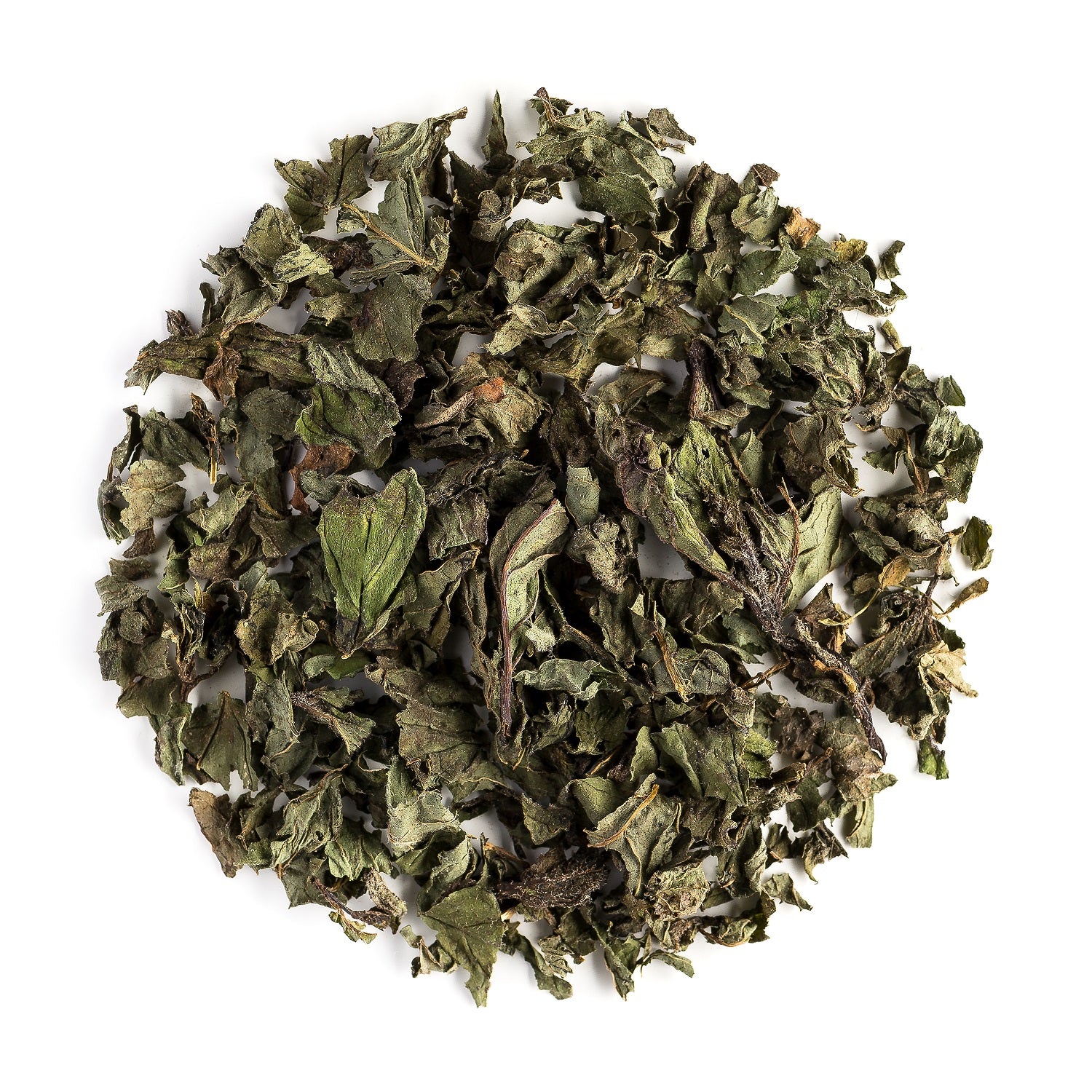
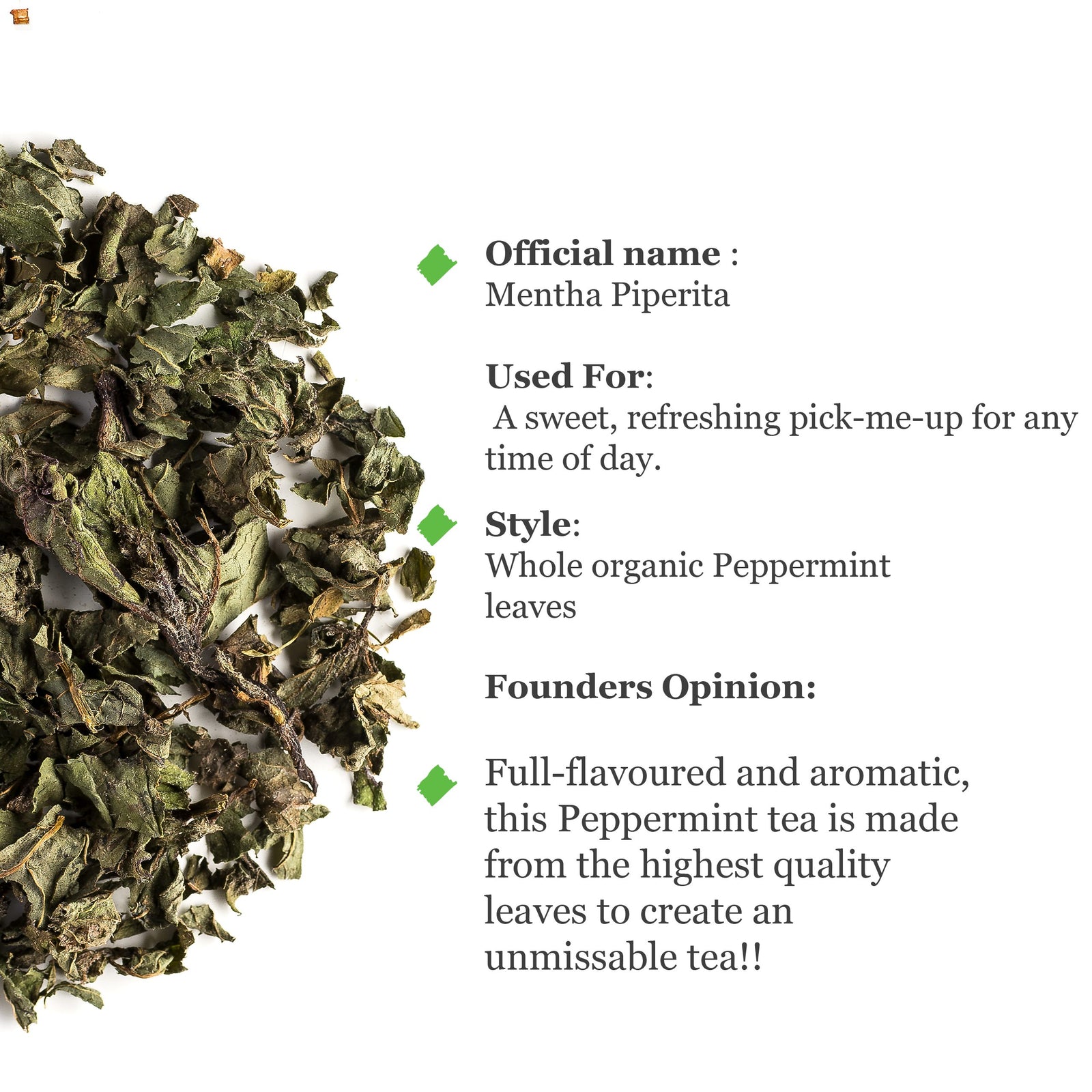
A caffeine-free option. Not every guest wants caffeine at four in the afternoon. A quality Green Rooibos, a Chamomile, or a peppermint gives caffeine-sensitive guests a genuine alternative rather than an afterthought. Rooibos is particularly useful here — it has enough body to feel substantial alongside the food.

Brewing all four teas at once is impractical. Start with the black tea as your main pot, offer the lighter and oolong options as the meal progresses, and keep the herbal available throughout. If you have multiple teapots, you can run two teas at once.
Food Pairings: The Traditional Three Tiers
The classic afternoon tea food service uses three tiers, eaten from bottom to top — savory first, scones second, sweets last. You do not need an actual tiered stand, though they are practical for saving table space. Three separate plates work fine.
Bottom Tier: Finger Sandwiches
Finger sandwiches are small, crustless sandwiches cut into rectangles or triangles. The bread should be thin and fresh, the fillings should be flavorful but not heavy. Classic options include:
- Cucumber and cream cheese. The original afternoon tea sandwich. Thin cucumber slices on white bread with a thin layer of cream cheese or butter and a pinch of salt. Simple and refreshing.
- Smoked salmon and dill cream cheese. Richer than cucumber, with the salmon providing savory depth. Works beautifully with Darjeeling or Ceylon.
- Egg salad with chives. Finely chopped egg with mayonnaise, salt, white pepper, and fresh chives. Classic for good reason.
- Roast chicken with watercress. Thinly sliced chicken breast with watercress and a light mustard butter. This is the most substantial sandwich and satisfies guests who need something heartier.
Make three to four varieties and cut each sandwich into two to three pieces. Remove crusts — this is not optional for a proper afternoon tea.
Middle Tier: Scones
Scones are the centerpiece of afternoon tea. Serve them warm with clotted cream and jam — strawberry is traditional, but raspberry and lemon curd are excellent alternatives.

The scone debate — cream first or jam first — is a matter of regional loyalty. In Devon, cream goes on first, then jam. In Cornwall, jam goes first, then cream. Both methods produce an excellent scone. Let your guests choose their own path.
Plain scones are traditional. Fruit scones with raisins or cranberries are a popular variation. Avoid overly flavored scones — chocolate chip or cinnamon sugar scones belong at a bakery, not an afternoon tea.
Top Tier: Sweets and Pastries
The sweet tier is where you can have fun. Traditional options include:
- Victoria sponge — small slices of the classic English cake with jam and cream filling
- Lemon tarts — sharp, sweet, and bright; they cleanse the palate after richer items
- Macarons — colorful French additions that have become standard on modern afternoon tea menus
- Petit fours — small iced cakes or chocolate truffles to finish
Two to three varieties of sweets is enough. The portions should be small — one or two bites each. The goal is a taste of sweetness to end the meal, not a full dessert course.
Setting the Table
Afternoon tea has a specific table setting, but you can scale it to what you own. The essentials are:

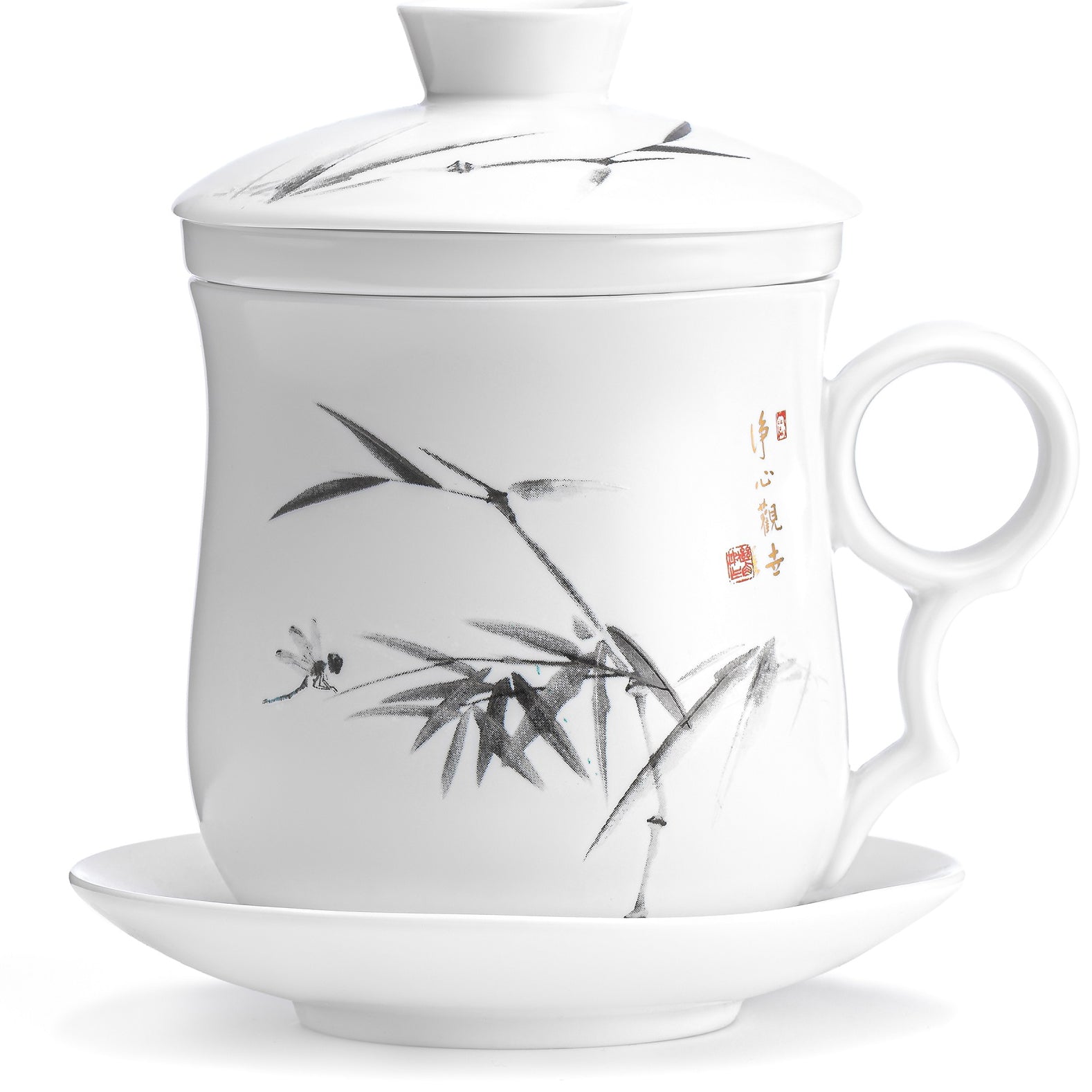
Per guest: A teacup and saucer, a small plate for food, a dessert fork, a butter knife for scones, and a cloth napkin. Paper napkins undermine the entire mood of the occasion.
For the table: One or two teapots, a hot water pot for refreshing the tea, a milk jug, a sugar bowl, and a small dish of lemon slices. A tea strainer if you are brewing loose leaf — which you should be.
Layout. Place the tiered stand or food plates in the center. Teapots go within reach of the host, who traditionally pours for guests. Each guest's cup and saucer go to the right of their plate, with the handle pointing to the right.
A tablecloth is traditional and practical — it protects the table and signals that this is a deliberate occasion, not just a snack. White or cream linen is classic. Fresh flowers in a low arrangement add atmosphere without blocking conversation across the table.
Tea Brewing for Groups
Brewing for a group is different from brewing a single cup. The main challenges are quantity, timing, and keeping the tea at proper temperature.

Use a large teapot. A one-liter teapot serves four to five cups. For six to eight guests, use two pots or plan to brew a second round. Warm the pot with hot water before adding tea — this is always important, but especially so when brewing for groups because the tea needs to stay hot longer.
Measure carefully. Use approximately one teaspoon (2-3 grams) of loose leaf tea per cup, plus one extra teaspoon for the pot. For a one-liter pot, that is five to six teaspoons. Black teas can be brewed slightly stronger for groups since some guests will add milk.
Water temperature matters. Black teas need fully boiling water (100 degrees Celsius). Green teas need cooler water (70-80 degrees). Oolongs sit in between (85-95 degrees). If you are serving multiple tea types, use a variable-temperature kettle or simply let boiled water cool for a few minutes before brewing greens and oolongs.
Timing. Brew black tea for three to five minutes, green tea for two to three minutes, and oolong for three to four minutes. Remove the leaves or use a teapot with a built-in infuser to prevent over-steeping. Over-steeped tea at an afternoon tea is a preventable failure.
Keep a kettle hot. Guests will want second and third cups. Keep water at temperature so you can brew fresh pots quickly. Stale tea that has been sitting in a pot for thirty minutes is worse than waiting three minutes for a fresh brew.

Modern Afternoon Tea Ideas
The traditional format is excellent, but it is also flexible. Here are ways to update afternoon tea without losing its character.
Seasonal themes. Adjust the menu to the season. Spring: elderflower scones, asparagus sandwiches, a light Darjeeling. Summer: strawberries with cream, chilled teas alongside hot ones, cucumber everything. Autumn: pumpkin scones, smoked turkey sandwiches, a roasted oolong. Winter: spiced chai alongside traditional options, mince pies on the sweet tier, heartier fillings.
Dietary accommodations. Gluten-free scones are straightforward to make. Vegan cream cheese and plant-based butter work in sandwiches. Afternoon tea is inherently adaptable because the portions are small and varied — you can offer alternatives without overhauling the entire menu.
Tea flights. Instead of choosing one or two teas, offer a tasting flight of four to five small cups. This works especially well if your guests are curious about tea. Start with the lightest (white or green), move through oolong, and finish with black. It turns the tea itself into a conversation piece rather than just a backdrop for the food.
Casual format. Not every afternoon tea needs a tablecloth and three tiers. A weekend afternoon with good tea, a plate of scones, and a couple of sandwich varieties served on the kitchen table is still afternoon tea. The core — good tea, good food, unhurried time with people — does not require formality.

Valley of Tea Recommendations
Our loose leaf teas are sourced directly from growers and selected for exactly the kind of quality that afternoon tea demands. A few starting points:
For your main black tea, our Darjeeling and Ceylon selections provide the backbone of a traditional afternoon tea — full-bodied enough for milk, complex enough to drink straight.
For your lighter option, our Gunpowder Green Tea gives guests a clean, full-flavored alternative that highlights how different tea can taste when you step outside black tea.
For oolong, our Tie Guan Yin is an excellent introduction — floral, smooth, and endlessly re-steepable. Guests who have never tried oolong will remember it. Our Milk Oolong is equally memorable, with a creamy sweetness that needs no explanation.
For caffeine-free, our Green Rooibos and Chamomile are genuine teas in their own right, not afterthoughts. The rooibos has enough body to stand alongside afternoon tea food without disappearing.
All of our teas are loose leaf, which means better flavor, multiple infusions, and the kind of aroma that fills a room when you open the caddy. That aroma is part of the afternoon tea experience — it signals to your guests that something deliberate and worth paying attention to is happening.
Afternoon tea is not about perfection or period accuracy. It is about making space in the day for good tea, good food, and good company. The Duchess of Bedford started it because she was hungry at four o'clock. That is still the best reason to host one.
Leave a comment
Comments will be approved before showing up.
Also in Valley of Tea Blog | Tea Guides, Origins & Brewing Tips
The Complete Guide to Drinking Tea
What tea is, how the main types differ in the cup, and how to brew each one properly. Water temperature, steeping times, storage and how to get more than one cup from your leaves.
Read More

Black Tea: Types, Processing, and How to Brew It
Black tea is fully oxidized Camellia sinensis. Compare Assam, Darjeeling, Keemun, and Ceylon varieties. Learn processing, brewing, and caffeine levels.

How To Grow Black Tea
Learn how to grow black tea at home: soil, climate, and the five processing steps from fresh leaf to a finished cup of black tea.

Wisdom is the path to better tea.
Get our free brewing guide: the right water, heat and timing for every tea we sell. You will also hear it first when new harvests arrive.
No spam. Unsubscribe any time.
Check your inbox.
The guide is on its way.