












Nettles Tea
Nettles tea is one of Europe's most nutritive herbal infusions and, in my experience, one of the most underestimated. Most people associate stinging nettle with a painful brush in the garden. Far fewer know that the same plant, dried and brewed properly, produces a deep, earthy tisane that has been used for centuries across Europe and Asia. This guide covers the botanical basics, the nutritional facts with honest context on bioavailability, how to brew nettles tea well, what safety considerations exist, and how to choose quality dried nettle leaf worth buying.

What Is Nettles Tea? Botanical Background
Nettles tea is an herbal infusion made from the dried leaves of Urtica dioica, commonly known as stinging nettle. The plant is native to Europe but now grows across Asia, North America, and parts of South America. It has broad, deeply serrated leaves with fine hollow hairs along the stems and leaf surfaces. Those hairs are the source of the sting: they inject a mixture of histamine, formic acid, serotonin, and acetylcholine on contact with skin, producing the familiar sharp irritation.

That sting disappears completely with heat or drying. By the time the leaves are dried and packaged, the compounds responsible are deactivated, and the tea is safe to handle and drink. This is worth stating clearly because it is a common point of confusion for first-time buyers.
One important distinction: nettles leaf tea is made from the above-ground leaves, not the root. Nettle root preparations exist and are sold separately, primarily used in a different herbal context. The two are not interchangeable. When you see "stinging nettle tea" or "nettles tea" on a product, it should mean leaf-based.
The plant has a long history in European herbalism and food culture. Young nettle tops were eaten as a cooked green for centuries in the British Isles, Scandinavia, and Central Europe. The same nutritive character that made them a foraged food is what draws people to the tea today.
The Nutritional Profile of Nettles Tea
Nettles tea contains a notable range of minerals for a dried herb infusion. Iron, calcium, magnesium, and potassium are all present in dried nettle leaf, along with vitamins C and K in well-preserved material. The plant also contains beta-carotene and vitamin A compounds, present in useful concentrations in freshly dried, well-preserved material.
One point deserves honest framing: the bioavailability of minerals from a tea infusion is lower than from eating the whole plant. A hot water infusion extracts water-soluble compounds reasonably well, but minerals bound in plant cell walls are not fully released in a 5-7 minute steep. Treating nettles tea as a meaningful dietary mineral source overstates it; treating it as a pleasant herbal drink that contributes some of these compounds to your daily intake is more accurate.
Plant compounds such as polyphenols and flavonoids are water-soluble and extract well into a hot infusion, though the concentrations in a typical cup are modest.
Vitamin K content is worth noting specifically because it has a direct relevance to safety, covered in the section below. Vitamin C and beta-carotene levels in dried nettle leaf depend heavily on how the leaf was dried and stored: heat damage and prolonged storage degrade both. Freshly dried, well-preserved material retains more than old, sun-bleached stock.
How to Brew Nettles Tea: Methods and Parameters
The classic hot infusion is straightforward: use 2-3g of dried nettle leaf per 200ml of water, bring water to 95°C, and steep covered for 5-7 minutes. Covering the cup during steeping matters here. Nettle's aromatic and volatile compounds are modest, but steeping uncovered at high heat causes unnecessary evaporative loss. The result is a golden-green to amber liquor with an earthy, slightly grassy character and a soft, mildly savoury finish.

Cold brew produces a noticeably smoother result. Use 4g per 500ml of cold water, cover, and refrigerate for 8-12 hours. The lower temperature extracts fewer bitter compounds and produces a cleaner, rounder infusion. This is particularly useful in summer or for anyone who finds the hot-brewed version too herbaceous.
Nettles tea blends well with peppermint, elderflower, or lemon verbena. A 70:30 nettle-to-mint ratio gives you the nutritive character of nettle with a fresher, more accessible flavour. Elderflower alongside nettle is a classic northern European combination with a gentle floral lift. Customers new to nettle often prefer it in a blend first, then move to straight nettle once they are familiar with the base flavour.
For storage: keep dried nettle leaf in an airtight container away from light and heat. Whole dried leaves degrade more slowly than cut-and-sift material because less surface area is exposed to oxidation. Expect good quality to hold for 12-18 months under proper conditions.
Safety and Contraindications for Nettles Tea
Nettles tea is safe for most adults consumed in normal amounts, typically 1-3 cups per day. There are specific groups who should exercise caution or consult a healthcare provider before drinking it regularly.
Anticoagulants (warfarin and similar): Dried nettle leaf contains vitamin K. Vitamin K interacts with the mechanism of action of warfarin-type blood thinners, and regular intake of vitamin K-rich foods or drinks may affect INR (International Normalised Ratio) stability. Anyone on anticoagulant therapy should speak to their prescribing doctor before adding nettles tea to their daily routine.
Diuretics: Nettle leaf has a mild diuretic action. Combining it with prescribed diuretic medication may produce an additive effect. This is generally low risk for otherwise healthy individuals at normal intake volumes, but monitoring fluid levels is sensible if combining regularly.
Pregnancy and breastfeeding: Traditional use of nettle as a food during pregnancy is widespread, particularly in European food traditions. As a tea, however, clinical evidence for safety at regular daily amounts is limited. The cautious approach is to consult a healthcare provider before using regularly during pregnancy or while breastfeeding.
Medical conditions: Because of the diuretic action and mineral content, people with a medical condition that affects fluid or mineral balance should seek advice before regular use.
Allergic reactions: Rare but possible. Anyone who reacts to the plant topically may also react to ingested preparations, though this does not always follow.
There are no known serious interactions beyond the warfarin concern, and nettles tea has a long track record of safe use as a food and infusion in European cultures.
How to Buy Quality Nettles Tea
The form of the dried leaf matters. Whole dried leaf is preferable to cut-and-sift (CAS) material or powdered nettle. Whole leaves have a lower surface area to volume ratio, which slows the degradation of volatile compounds and chlorophyll. They also produce a cleaner infusion with less fine sediment.

Cut-and-sift is acceptable if it is freshly processed, but it deteriorates faster. Origin is a meaningful quality indicator. Eastern European sources, particularly from Poland, Romania, and the Balkans, produce consistently good material because wild-harvested nettle grows in clean mountain environments without industrial agriculture nearby.
Turkish nettle has a similar profile. UK-grown Highland nettle is another reliable source. Origin-specified product is more trustworthy than generic "European nettle" with no further detail because it signals that the supplier knows where their material comes from.
Nettle is a bioaccumulator: the plant concentrates minerals from the soil it grows in, including heavy metals if the growing environment is contaminated. This is the primary sourcing risk with nettle, and it is often overlooked. Ask for heavy metal test reports before anything else when evaluating a nettle supplier.
"Organic" certification reduces pesticide risk but does not address heavy metal concentration, which depends on growing site rather than farming method. A certificate of analysis covering cadmium, lead, and arsenic levels is the real quality signal for nettle leaf.
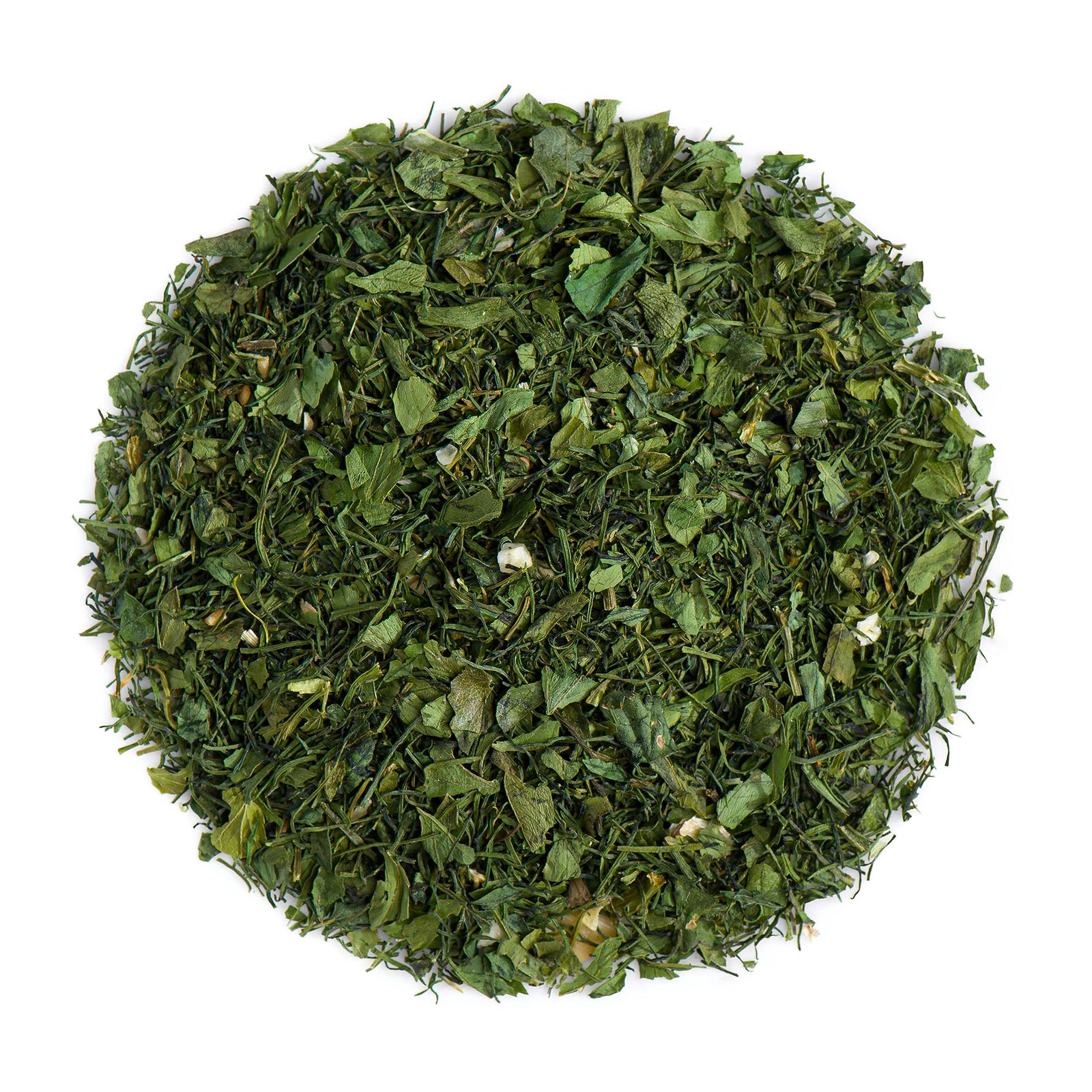
Visual and sensory checks at purchase: good quality dried nettle leaf is green to golden-green, not brown or grey. Brown or khaki coloration signals heat damage, prolonged storage, or poor drying conditions. The aroma should be earthy, herbaceous, and slightly grassy. Mustiness indicates moisture damage during storage. There should be no dusty, powdery appearance, which suggests over-processing or CAS material passed off as whole leaf.
Conclusion
Nettles tea is a genuinely nutritive herbal infusion with one of the longest track records in European herbalism. The key points are simple: the sting disappears with drying and heat, the mineral and vitamin content is real but moderate when bioavailability from a tea infusion is taken into account, and the safety profile is good for most people with specific cautions for those on anticoagulants or diuretics.
Brew it at 95°C for 5-7 minutes, or cold-brew overnight for a smoother result. Buy whole dried leaf from a named, tested origin. That combination gives you the best version of nettles tea available.
Teas Featured in This Article

Leave a comment
Comments will be approved before showing up.
Also in Valley of Tea Blog | Tea Guides, Origins & Brewing Tips

Rooibos Iced Tea: Caffeine-Free Refresher
Learn to make rooibos iced tea two ways: hot-brewed over ice in 15 minutes, or a smoother overnight cold brew, plus flavour additions and storage tips.

Spice Cabinet Organization: A Practical System That Works
Learn how to organize your spice cabinet with a practical system that keeps every jar findable and fresh. Temperature, layout, and audit tips included.

Maca or Ashwagandha for Your Daily Routine
Choosing between maca or ashwagandha? Learn how each root tastes, when to use them, and the best ways to prepare each in tea or drinks.

Wisdom is the path to better tea.
Get our free brewing guide: the right water, heat and timing for every tea we sell. You will also hear it first when new harvests arrive.
No spam. Unsubscribe any time.
Check your inbox.
The guide is on its way.