













Bubble Tea: What It Is and How It Is Made
Valley of Tea sells loose leaf tea, and we will not pretend that does not influence our perspective. But the argument for quality tea in Bubble tea requires a stronger brew than you would drink straight, because dilution from ice and milk will cut the concentration by 40–60%. The goal is a tea concentrate, not a regular cup of tea.Bubble tea was born in Taiwan in the 1980s, where a thriving takeaway tea culture had already trained an entire generation to drink freshly brewed tea on the go. The innovation was combining that tea with tapioca pearls — a familiar ingredient from Taiwanese desserts — creating a drink with both flavor and texture. The exact inventor is disputed, but the environment that produced the drink is not: a culture where tea was taken seriously and street food innovation was constant. Bubble tea has been around since the 1980s, and most of the internet already covers the basics. This guide skips the introduction-level content. If you already know what bubble tea is and have made a few cups at home, this is where you go deeper. We cover the techniques that separate a forgettable glass of milk tea from one that rivals the best boba shops — from dialing in your tea base to cooking tapioca pearls with professional-level texture, building balanced ratios, and designing an entire bubble tea menu from your kitchen.
bubble tea is not marketing — it is physics. Better tea produces more aromatic compounds, more body, and more complexity, all of which survive the addition of milk, sugar, and ice in ways that commodity tea dust simply cannot. This guide treats the tea as the foundation, not an afterthought.

The History and Evolution of Bubble Tea
National Geographic documents both competing origin stories from the two tea houses that each claim to have invented the drink in 1986.
Through the 1990s, bubble tea spread across East and Southeast Asia. The drink was cheap to produce, endlessly customizable, and visually distinctive. By the early 2000s, it had reached diaspora communities in North America, Europe, and Australia. The period from 2010 to 2020 saw explosive global growth, driven by social media and the expansion of chains like Gong Cha, Tiger Sugar, and CoCo.
What matters for the advanced practitioner is understanding the three major waves of bubble tea evolution, because each wave changed what customers expect and what techniques are worth mastering.
First wave (1980s–2000s): Classic milk tea with tapioca pearls. Simple formulations. Powdered creamers were common. Tea quality was secondary to sweetness and novelty.
Second wave (2000s–2015): Fruit teas emerged as a major category. Toppings diversified beyond tapioca — jelly, pudding, popping boba. Shops began offering customization menus with sweetness and ice levels. Fresh milk replaced powdered creamers in premium shops.
Third wave (2015–present): Brown sugar boba went viral, cheese tea became a category, and tea quality started to matter. Shops now advertise single-origin teas, seasonal specials, and handmade toppings. The line between bubble tea shop and specialty tea house has started to blur.

This third wave is where serious home preparation becomes rewarding. The techniques that follow are built for it.
Tea Base Selection: Why Loose Leaf Matters
The tea base is the single largest component of any bubble tea by volume. In a standard 500ml serving, the tea accounts for roughly 200–250ml after ice displacement. If that base is flat, bitter, or one-dimensional, no amount of syrup or toppings will fix it.
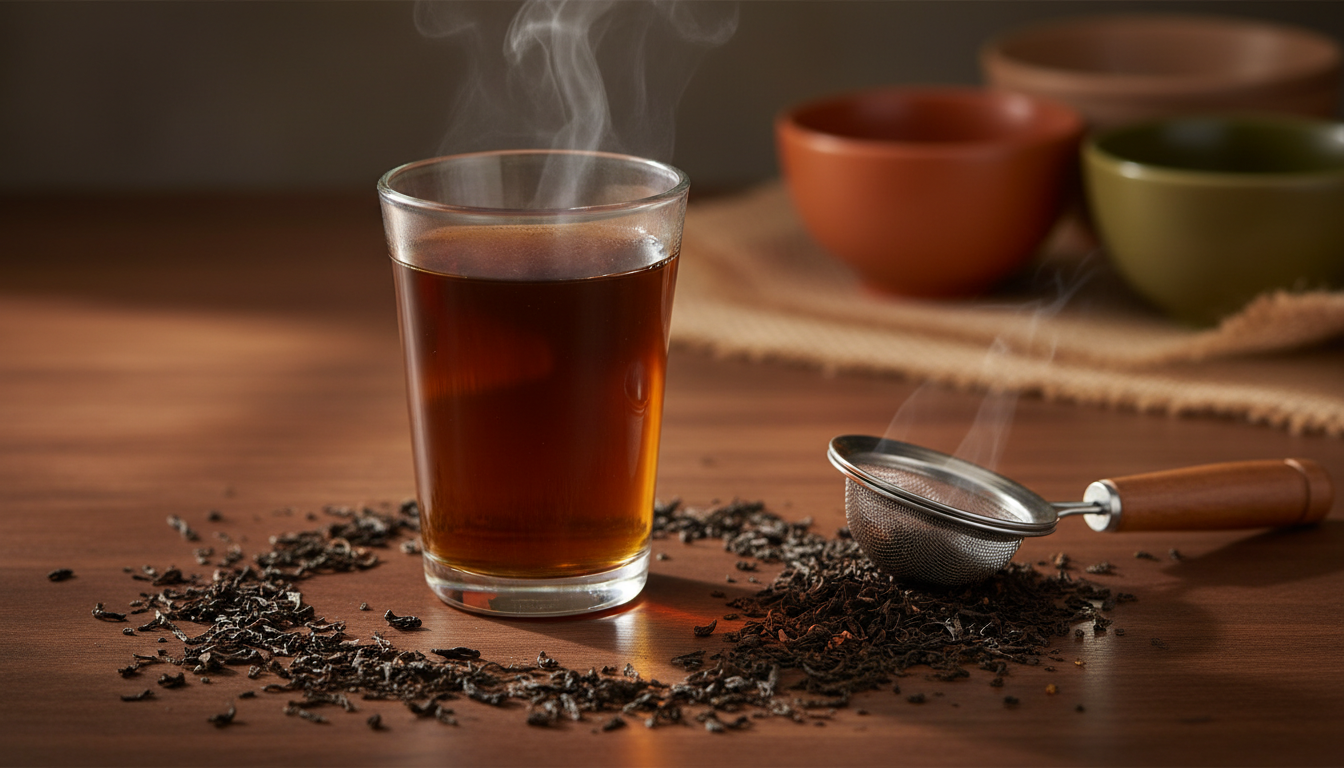
Commodity tea — the fannings and dust grades found in most tea bags — extracts quickly and produces a strong, tannic brew. That extraction speed is why the industry uses it: it is efficient. But fast extraction comes at the cost of complexity. You get bitterness and astringency without the layered aromatics that make a tea interesting.
Loose leaf tea extracts more slowly and delivers a fuller spectrum of flavor compounds. When you brew a good Assam CTC at the right ratio for milk tea, you get malt, honey, and a natural sweetness that reduces how much sugar you need. When you brew a quality jasmine green tea for a fruit tea base, you get floral notes that interact with the fruit rather than hiding behind it.
Best Tea Types for Bubble Tea
Black tea is the workhorse. Assam is the default for milk tea — its malt and body stand up to dairy. Our Artisan Assam is malt-forward and brews a concentrate that holds its character through milk and ice. Ceylon provides a brighter, more citrus-forward profile that works well in lighter milk teas. Keemun adds a subtle smokiness. For brown sugar boba drinks, Assam is the clear winner because its natural malt character amplifies the caramel notes.
Oolong is underused and underrated in bubble tea. A medium-roasted Tie Guan Yin produces a creamy, floral base that pairs very well with milk. Try our Tie Guan Yin as a starting point — its natural creaminess makes it one of the most forgiving oolongs to work with in a milk tea context. Roasted oolongs bring toasty, nutty notes that complement brown sugar. If you want to make a bubble tea that tastes genuinely different from what the chains serve, start with oolong.

Green tea is the standard base for fruit teas. Jasmine green tea is the most common choice — its floral character meshes well with mango, passion fruit, and peach. Our Jasmine Pearls are hand-rolled and produce a cleaner, more aromatic brew than standard jasmine green. Sencha works for a grassier, more vegetal profile. Avoid delicate greens like Longjing; their subtlety gets lost.
Hojicha has emerged as a specialty base. Its roasted, low-caffeine profile creates a unique milk tea with caramel and toasted grain notes. It is one of the few teas that works well both hot and iced in a bubble tea format. Our Genmaicha is a roasted rice green tea that brings similar toasty warmth and performs well as a milk tea concentrate.
Brewing Parameters for Bubble Tea
- Black tea: 10–15g per 200ml water, brewed at 95°C for 4–5 minutes. This is roughly double the standard ratio.
- Oolong: 10g per 200ml water, brewed at 90°C for 3–4 minutes. Can do a second steep for a lighter batch.
- Green tea: 8–10g per 200ml water, brewed at 80°C for 2–3 minutes. Over-extraction here creates bitterness that sugar cannot mask.
- Hojicha: 12g per 200ml water, brewed at 95°C for 3 minutes. Hojicha is forgiving and hard to over-brew.
Brew your tea, strain it, and let it cool to room temperature before building the drink. Hot tea poured over ice melts the ice too fast and produces a watery result. For best results, refrigerate the concentrate for at least one hour or overnight.
Advanced Boba Cooking: Texture and Technique
The difference between mediocre tapioca pearls and excellent ones comes down to three variables: water ratio, timing, and the post-cook soak.
The Cooking Process
Use a large pot. Tapioca pearls need space to move freely in rapidly boiling water — if they are crowded, they stick together and cook unevenly. The water-to-pearl ratio should be at least 8:1 by volume.

- Bring the water to a hard, rolling boil before adding the pearls. Do not add them to warm water — they will dissolve on the surface.
- Stir immediately and continuously for the first 30 seconds to prevent sticking.
- Reduce to a medium boil. Cook for 20–25 minutes for standard 8mm pearls. The pearls should float to the surface within the first few minutes; this does not mean they are done.
- Turn off the heat, cover the pot, and let the pearls steep in the hot water for another 15–20 minutes. This carry-over cooking is what produces the signature QQ texture — soft and yielding on the outside, with a slight chew at the center.
- Drain and immediately transfer to your sugar soak.
The Sugar Soak
Cooked tapioca pearls are bland on their own. The sugar soak is not optional — it adds flavor and preserves texture by preventing the starch from retrograding (hardening as it cools).
For a simple syrup soak, combine equal parts sugar and water, heat until dissolved, and pour over the drained pearls. Let them sit for at least 15 minutes before serving.
Brown Sugar Boba
Brown sugar boba is a distinct technique, not just regular boba with brown sugar added. The method involves coating cooked pearls in a dark brown sugar or muscovado sugar syrup that is heated until it reaches a light caramel stage.
- In a small saucepan, combine 100g dark brown sugar with 60ml water.
- Heat over medium until the sugar dissolves and the mixture begins to bubble and thicken slightly — about 3–4 minutes.
- Add the drained, freshly cooked tapioca pearls directly to the syrup.
- Stir gently for 2–3 minutes, allowing the syrup to coat every pearl and reduce slightly.
- The syrup should be thick enough to cling to the pearls but still pourable.
When you add these pearls to a glass and pour cold milk over them, the dark syrup creates the signature tiger stripe pattern down the inside of the glass. This is not decorative — the streaks ensure you get bursts of caramel flavor throughout the drink.
Texture Troubleshooting
- Pearls are mushy throughout: Overcooked. Reduce the boil time by 3–5 minutes and check the steeping time.
- Hard center: Undercooked. Extend the steeping phase rather than the boil.
- Pearls harden after 30 minutes: The sugar soak was insufficient or skipped. Ensure the pearls are submerged in warm syrup immediately after draining.
- Pearls stick together in a clump: Not enough water in the pot, or not stirred during the first 30 seconds.
Milk Tea Ratios and Balance
The standard milk tea ratio in most boba shops is roughly 1:1:0.5 — one part tea concentrate, one part ice, and half a part milk. Sweetener is added to taste, typically as a syrup.
But this ratio is a starting point, not a rule. The best milk tea balances four elements: tea flavor, creaminess, sweetness, and temperature. Getting that balance right requires understanding how each variable affects the others.

Tea strength vs. milk: Stronger tea supports more milk without losing flavor. If your tea concentrate is at double strength (the ratios in the brewing section above), whole milk at a 2:1 tea-to-milk ratio produces a balanced cup. If you prefer a creamier drink, increase the milk but also increase the tea concentration — otherwise the tea disappears.
Sweetness vs. tea quality: Good tea needs less sugar. A well-brewed Assam has enough natural malt sweetness that 15–20ml of simple syrup per 500ml drink is sufficient. Commodity tea often requires 30–40ml to compensate for bitterness.
Ice as dilution, not just temperature: Ice is not a neutral addition. A 500ml cup filled with ice loses roughly 30–40% of its flavor concentration as the ice melts over 10–15 minutes. Account for this by either using a stronger concentrate or serving immediately.
Recommended Ratios by Style
Classic milk tea: 200ml tea concentrate + 100ml whole milk + 20ml simple syrup + ice to fill a 500ml cup.
Rich milk tea: 200ml double-strength tea concentrate + 150ml whole milk + 15ml brown sugar syrup + ice. This is the style popularized by Tiger Sugar.
Light milk tea: 250ml tea concentrate + 80ml oat milk + 10ml honey syrup + ice. Works well with green tea or oolong bases.

Fruit Tea Variations
Fruit tea is an entirely different discipline from milk tea. The tea base is lighter (green tea or white tea), milk is absent, and the fruit provides both flavor and visual appeal.
The key principle: fresh fruit should be muddled, not blended. Blending aerates the drink and breaks down the cellular structure of the fruit, releasing bitter compounds from the pith and seeds. Muddling extracts juice and aroma while keeping the texture clean.
Building a Fruit Tea
- Place 3–4 pieces of fresh fruit (mango chunks, passion fruit pulp, sliced peach, or mixed berries) in the bottom of a shaker or large glass.
- Add 10–15ml simple syrup or honey.
- Muddle firmly — press and twist, do not pulverize.
- Add 250ml cooled jasmine green tea or white tea.
- Add ice, shake or stir vigorously, and strain into a serving glass over fresh ice.
- Add toppings: popping boba, aloe vera, or coconut jelly all work well in fruit tea.
Fruit Combinations That Work
- Mango + passion fruit: The classic pairing. Mango provides body; passion fruit provides tartness.
- Peach + oolong: Peach and oolong share aromatic compounds, making this a natural match.
- Strawberry + lemon + green tea: Bright and tart. Add a sprig of fresh mint.
- Lychee + rose: Floral and elegant. Use a white tea base.
- Grapefruit + honey + green tea: The bitterness of grapefruit plays well against honey sweetness.
Cheese Tea
Cheese tea sounds improbable but delivers one of the most satisfying flavor contrasts in the bubble tea world. The "cheese" is not melted cheddar — it is a whipped topping made from cream cheese, whipping cream, and a pinch of salt, applied as a thick foam layer that floats on top of a freshly brewed tea.
The technique: whip 60g softened cream cheese with 100ml heavy cream, 15g powdered sugar, and a pinch of sea salt until it reaches soft peaks. It should be pourable but thick — the consistency of lightly whipped cream. Pour it over iced tea (no straw lid — you are meant to sip through the foam) so that each sip delivers both the cold, slightly salty cream and the tea beneath.
Cheese tea works best on teas with strong, clean flavors. Roasted oolong, hojicha, and strong black tea all pair well. Avoid delicate teas — the cream overpowers them.
The salt is essential. Without it, the topping tastes like sweetened whipped cream. The salt creates a savory-sweet contrast that keeps the drink interesting across an entire cup.

Toppings Beyond Boba
A well-stocked bubble tea setup at home should include at least three or four topping options. Variety keeps the experience interesting and allows you to match toppings to different tea bases.
Coconut jelly (nata de coco): Firm, translucent cubes with a satisfying bite. Neutral in flavor, which makes them the most versatile topping. They work in milk tea, fruit tea, and cheese tea. Available jarred at most Asian grocery stores.
Grass jelly: A traditional Taiwanese and Southeast Asian dessert made from the Platostoma palustre plant. It has a mild herbal flavor and silky, soft texture. Cut into cubes and add to black milk tea for a classic pairing. Canned versions are widely available and perfectly acceptable.
Egg pudding: A soft, custard-like topping that adds richness. Make it by steaming a mixture of eggs, milk, sugar, and vanilla until just set, then chilling and cutting into cubes. It is the premium topping at most boba shops for a reason — the creamy texture contrasts beautifully with chewy tapioca.
Aloe vera: Translucent, slightly crunchy cubes with a clean, neutral taste. Aloe works best in fruit teas and lighter drinks where you want texture without competing flavors. Buy it pre-prepared in syrup from Asian grocery stores.
Red bean: Sweet, earthy, and starchy. Red bean is a traditional pairing with milk tea in East Asia. Use canned sweetened red bean paste, or cook dried adzuki beans with sugar until soft but not mushy.

Taro balls: Chewy balls made from taro starch, similar in texture to tapioca but with a subtle purple yam flavor. They add both color and a distinct, earthy sweetness to milk teas.
Building a Bubble Tea Menu at Home
The most efficient approach to home bubble tea is to think in modules. Instead of following a new recipe each time, prepare components in advance and assemble on demand.
Your Base Module: Tea Concentrates
Brew two or three tea concentrates at the start of each week and refrigerate them. A strong Assam concentrate for milk tea, a jasmine green for fruit tea, and an oolong for cheese tea or specialty drinks gives you full coverage. Each concentrate keeps well for 3–5 days in the refrigerator.
Your Sweetener Module
Prepare two syrups: a simple syrup (1:1 sugar to water) and a brown sugar syrup (1:1 dark brown sugar to water, simmered until slightly caramelized). These keep for 2–3 weeks refrigerated. Honey is a third option that requires no preparation.
Your Topping Module
Cook tapioca pearls fresh on the day you plan to serve them — they do not store well. Coconut jelly, grass jelly, aloe vera, and popping boba are all shelf-stable and can be kept in the pantry or refrigerator for immediate use.
Assembly
With modules ready, making a drink takes under two minutes:

- Add 60g of your chosen topping to a glass.
- Add sweetener (20–30ml syrup).
- Fill the glass halfway with ice.
- Pour in the tea concentrate (200–250ml).
- Add milk if making milk tea (80–150ml).
- Stir or shake and serve.
Sample Home Menu
- Classic Assam Milk Tea — Assam concentrate, whole milk, simple syrup, tapioca pearls.
- Brown Sugar Tiger Milk — Assam concentrate, whole milk, brown sugar boba (no additional syrup needed).
- Jasmine Mango Fruit Tea — Jasmine green concentrate, muddled fresh mango, honey, popping boba.
- Roasted Oolong Cheese Tea — Oolong concentrate, cheese foam topping, no additional sweetener.
- Hojicha Pudding Milk Tea — Hojicha concentrate, oat milk, brown sugar syrup, egg pudding.
- Strawberry Lemon Green Tea — Jasmine green concentrate, muddled strawberry and lemon, simple syrup, aloe vera.
Six drinks, three tea bases, two syrups. That is a full menu from a manageable set of components.
Equipment Guide
You do not need a commercial setup to make excellent bubble tea at home. But a few targeted investments make a significant difference.
A cocktail shaker or Boston shaker: Shaking is the traditional method for combining tea, milk, sweetener, and ice. It chills the drink rapidly, emulsifies the milk and tea, and creates a light froth on top. A basic 500ml cocktail shaker costs under ten dollars and is the single most useful bubble tea tool.
Wide straws: Standard straws cannot handle tapioca pearls. Reusable stainless steel or silicone boba straws with a 12mm diameter are the right size. A set of four typically costs five to eight dollars.
A fine-mesh strainer: Essential for straining tea concentrate and for catching fruit pulp when making fruit teas.
A kitchen scale: Measuring tea by weight rather than volume gives you consistent results. Loose leaf tea varies significantly in density — 10g of a tightly rolled oolong looks very different from 10g of a fluffy white tea.

Tall glasses or cups with lids: 500–600ml capacity. Clear glass shows off the layers and colors of your drink. Reusable cups with dome lids are available for a more authentic experience.
Optional: an electric milk frother: Useful for making cheese foam quickly without hauling out a stand mixer or whipping by hand.
Sweetness and Ice Customization
The customization system used in boba shops — typically offering sweetness and ice on a scale from 0% to 100% — is worth adopting at home because it trains your palate and lets you calibrate drinks for different guests.
Sweetness Levels
- 100% (regular): 30ml simple syrup per 500ml drink. This is what most shops serve as default.
- 70% (less sweet): 20ml syrup. Still noticeably sweet but the tea flavor comes through more clearly. This is the level most tea enthusiasts prefer.
- 50% (half sweet): 15ml syrup. The tea is the star. Works well with high-quality loose leaf bases.
- 30% (light sweet): 10ml syrup. Just enough to round off any bitterness.
- 0% (no sugar): Tea and milk only. Requires a very good tea base to work, but when it does, it is the purest expression of the drink.
Ice Levels
- Regular ice: Fill the glass. Standard approach. Expect significant dilution over 15 minutes.
- Less ice: Fill the glass halfway. Less dilution, warmer drink.
- No ice: Serve at room temperature or pre-chill the tea concentrate. The flavor stays consistent from first sip to last, but you lose the refreshing chill.
A useful trick: make tea ice cubes by freezing your tea concentrate in an ice cube tray. Use these instead of water ice. The drink gets colder without getting weaker.
The Business of Bubble Tea
Understanding the commercial side of bubble tea helps the home practitioner in two ways: it explains why most shops make the choices they do, and it reveals where the opportunities are for making a better drink at home.
The global bubble tea market has grown significantly through the 2020s, driven by Gen Z and millennial consumers in North America and Europe, where the drink is still in its expansion phase. Industry estimates vary widely, but all point in the same direction: the category is expanding fast outside Asia. In Asia, the market is mature and competition drives innovation.

The economics of a boba shop are straightforward. Tea and milk are cheap — the cost of goods for a basic milk tea is well under a dollar. Tapioca pearls, even high-quality ones, add only a few more cents. The high retail price (typically $5–8 per drink in Western markets) reflects labor, rent, and the premium that novelty commands.
Margins are attractive, which is why the number of boba shops continues to multiply.
This economic reality explains why most shops use commodity tea: the cost difference between tea bag dust and good loose leaf is small in absolute terms (maybe 20–30 cents per drink), but when you are selling 300 drinks a day, those cents add up. It also explains why toppings are so heavily promoted — each additional topping costs the shop pennies but adds $0.50–1.00 to the ticket.
For the home practitioner, the equation inverts. You are making 2–4 drinks, not 300. The cost difference between mediocre and excellent tea is negligible per serving. You can afford to use the good stuff, and you should — it is the single change that delivers the most improvement for the least effort.
The rise of premium bubble tea as a category also creates an opportunity for tea sellers. We have tested our own loose leaf teas in bubble tea — the Artisan Assam, Jasmine Pearls, and Tie Guan Yin oolong — and you can taste the quality through the ice and milk in a way that commodity tea simply does not deliver. That said, I would still drink all of them straight; they stand on their own without the toppings. But if you are already buying quality loose leaf for drinking straight, you have everything you need for a home bubble tea menu that outperforms most commercial offerings.
Frequently Asked Questions
What is the difference between bubble tea and boba tea?
They are the same drink. "Bubble tea" is the older term, referring to the bubbles created when the drink is shaken. "Boba" comes from Taiwanese slang and has become the more common term in North America. Some people use "boba" to refer specifically to the tapioca pearls rather than the drink, but in practice both terms are used interchangeably.

Can I make bubble tea with tea bags?
You can, but the result will be flat compared to loose leaf. If tea bags are what you have, use three to four bags per cup to get a strong enough concentrate, and brew for the full recommended time. The upgrade to loose leaf is the single biggest improvement you can make.
How long do cooked tapioca pearls last?
Four to six hours at room temperature in a sugar syrup soak. Beyond that, they begin to harden and lose their chewy texture. Do not refrigerate cooked pearls — cold temperatures accelerate the hardening. Cook only what you plan to serve that day.
What milk works best for milk tea?
Whole cow's milk is the traditional choice and provides the most body and creaminess. Oat milk is the best plant-based alternative — its natural sweetness and creamy texture come closest to dairy. Almond milk is too thin for most milk tea applications. Coconut milk works in specific combinations but its strong flavor can overpower the tea.
Is bubble tea healthy?
A standard bubble tea contains significant sugar — a regular-sweetness 500ml drink with tapioca pearls can range from 250 to 400 calories depending on the milk type, sweetness level, and toppings. When you make it at home, you control every variable. Reducing sweetness to 30–50% and using real tea rather than flavored powder at least gives you the base tea's natural compounds. Research published in Food Chemistry (2022) found that chewing tapioca pearls may stimulate salivary function, though the tapioca pearls themselves are mostly starch with minimal nutritional value — that is where most of the calories come from, not the tea.
Can I use herbal tea as a base?
Yes. Rooibos makes an interesting caffeine-free milk tea base with a naturally sweet, slightly nutty character. Hibiscus works in fruit tea combinations where you want tartness. Peppermint pairs well with chocolate additions for a specialty drink. The key is choosing herbals with enough flavor intensity to stand up to ice and toppings. Our Green Rooibos is an excellent caffeine-free base option — lighter and more delicate than red rooibos, with a clean, honey-like sweetness.
What is the best topping for a beginner?
Coconut jelly. It is shelf-stable, requires zero preparation, has a pleasant texture, and works with every type of bubble tea. Start there while you learn to cook tapioca pearls properly.
How do I get the tiger stripe effect with brown sugar boba?
The syrup must be warm and thick when the pearls go into the glass. Spoon the brown sugar boba into the glass so that the syrup runs down the inside walls. Then pour cold milk over the top slowly. The temperature contrast and the viscosity of the syrup create the striped pattern. If the syrup is too thin or too cool, it mixes into the milk instead of clinging to the glass.
Can I prepare bubble tea components in advance for a party?
Yes. Brew and refrigerate tea concentrates up to three days ahead. Prepare syrups a week in advance. Set up toppings (coconut jelly, aloe, popping boba) in bowls for self-service. Cook tapioca pearls the morning of the party and keep them in warm sugar syrup. Set out a shaker, ice bucket, and milk, and let guests build their own drinks from a menu card listing your combinations.
Leave a comment
Comments will be approved before showing up.
Also in Valley of Tea Blog | Tea Guides, Origins & Brewing Tips
The Complete Guide to Drinking Tea
What tea is, how the main types differ in the cup, and how to brew each one properly. Water temperature, steeping times, storage and how to get more than one cup from your leaves.
Read More

Black Tea: Types, Processing, and How to Brew It
Black tea is fully oxidized Camellia sinensis. Compare Assam, Darjeeling, Keemun, and Ceylon varieties. Learn processing, brewing, and caffeine levels.

How To Grow Black Tea
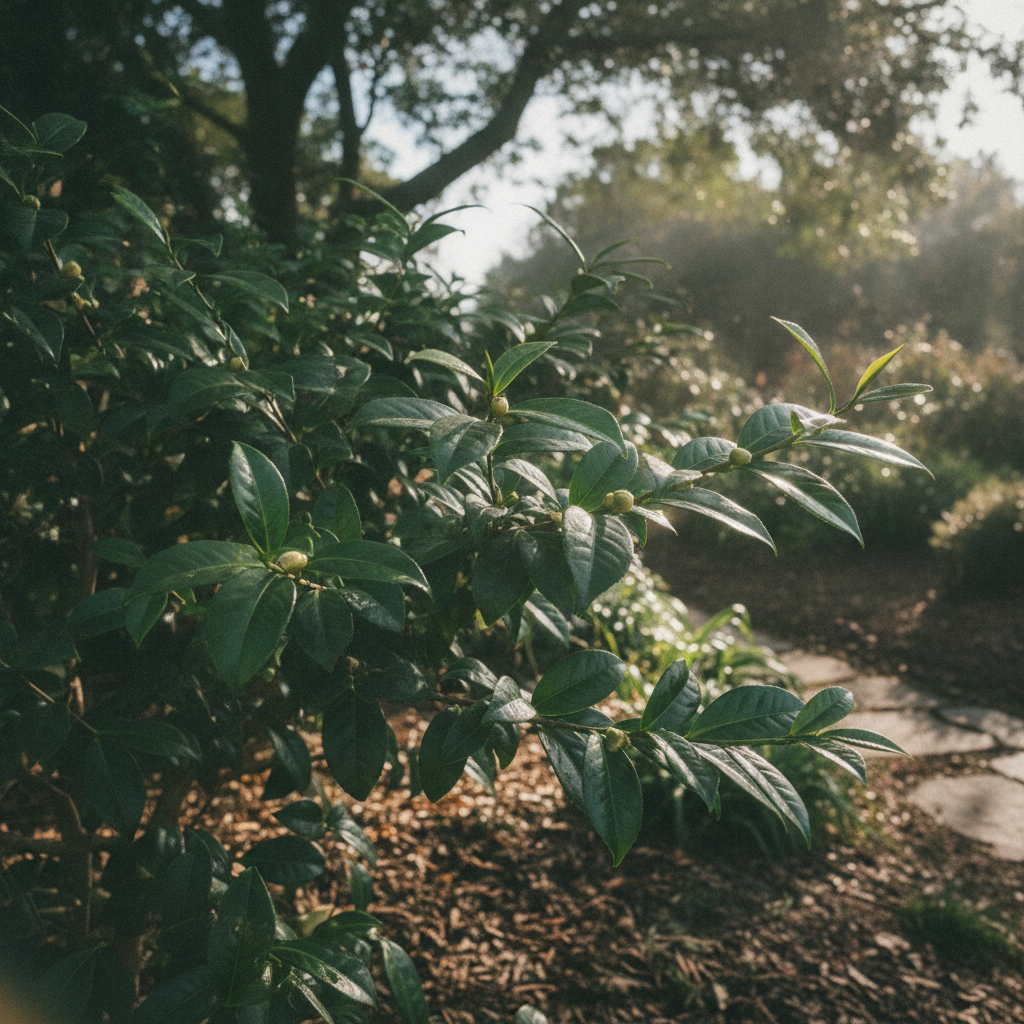
Learn how to grow black tea at home: soil, climate, and the five processing steps from fresh leaf to a finished cup of black tea.

Wisdom is the path to better tea.
Get our free brewing guide: the right water, heat and timing for every tea we sell. You will also hear it first when new harvests arrive.
No spam. Unsubscribe any time.
Check your inbox.
The guide is on its way.