












Lemon Balm Tea: Facts, Flavor and Brewing
Documented Side Effects of Excess Lemon Balm
Lemon balm is safe at normal consumption levels, and that is worth stating clearly before anything else. Melissa officinalis has a long history of use in European teas and kitchens and sits within the range that most regulatory frameworks classify as safe for food use. The issue is drinking large amounts every day. The compounds that define the herb, primarily rosmarinic acid and the volatile citral compounds that give it its lemon character, are the ones linked to sedation, thyroid interference, and digestive upset in excess.
Understanding where the intake thresholds actually sit is more useful than a blanket warning, and that is what this post covers.
Drinking too much lemon balm tea can cause drowsiness, nausea, and stomach upset. The thresholds where these effects appear are generally above 4 cups per day or more than 3g of dried leaf daily.

The most commonly reported side effect at high intake is drowsiness. At 4 or more cups per day, some people experience unusual drowsiness, particularly when lemon balm is combined with other herbal teas drunk in the evening. Chamomile and passionflower are common pairings, and reports of drowsiness are more frequent when they are combined. This is not a coincidence or a nocebo effect: the reports are consistent, and drinking more makes drowsiness more likely.
Nausea and stomach upset have been reported at high intake, typically above 3g of dried leaf per day. To put that in practical terms: one cup of lemon balm tea uses roughly 1-2 teaspoons of dried herb (about 1.5-3g). You would generally need to exceed 3 strong cups consistently, day after day, to approach the threshold where digestive effects become likely.
Occasional use or moderate daily intake does not produce these effects in most people.

Skin irritation from topical over-application of concentrated lemon balm tea is documented, but this applies to external preparations, not to drinking a standard infusion.
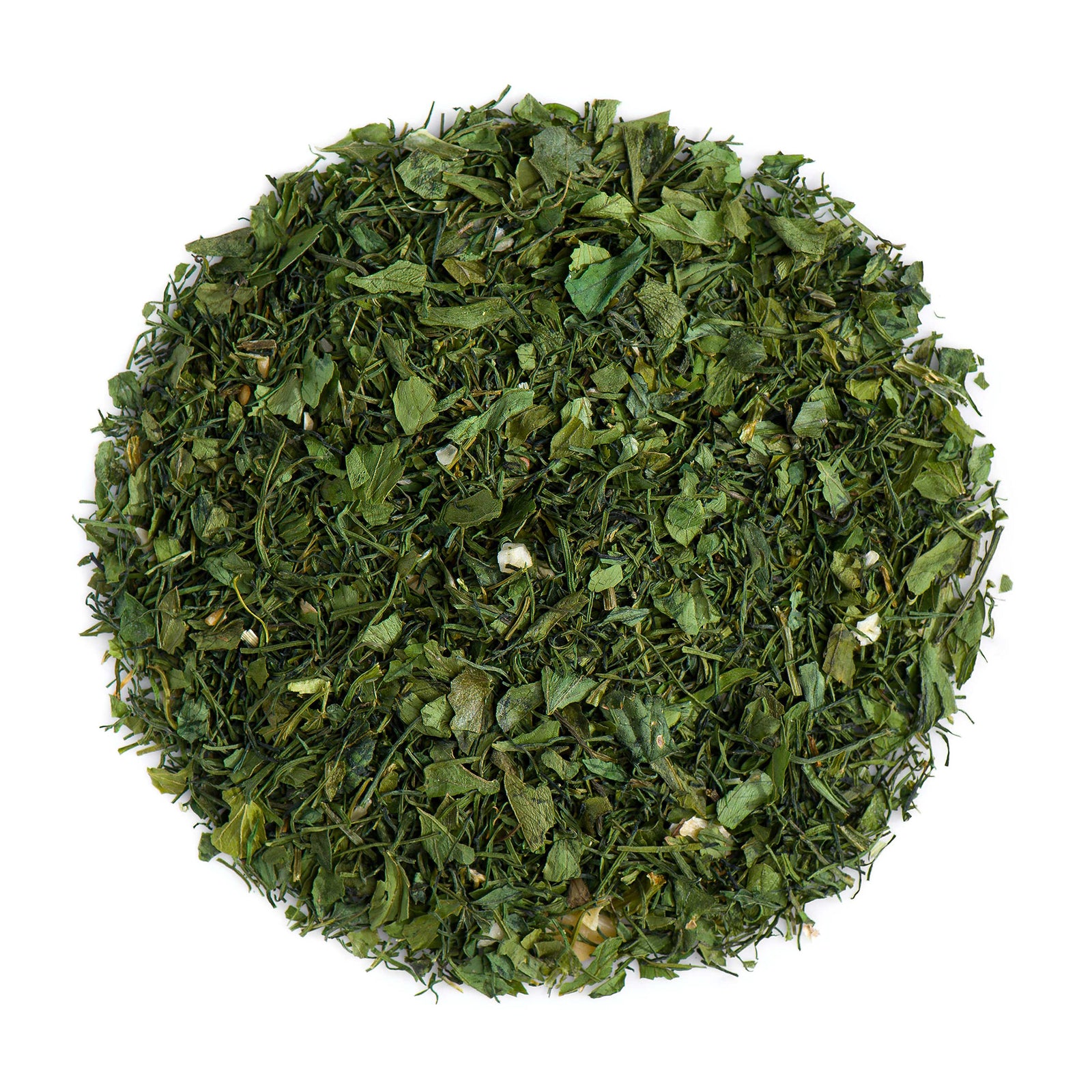
I stock our lemon balm as certified organic dried loose leaf from Europe. The citral content, which gives it the lemon character, degrades quickly with poor storage, so the concentration of these aromatic compounds varies meaningfully between products. Freshness matters here more than with most herbs.
The Thyroid Interaction: What You Need to Know
Rosmarinic acid in lemon balm may inhibit TSH receptor binding, which could reduce thyroid stimulation. This concern is most relevant for concentrated extracts and for people with diagnosed thyroid conditions.

The mechanism is documented in research: rosmarinic acid appears to interfere with thyroid-stimulating hormone (TSH) receptor activity based on laboratory and animal research. For most healthy adults drinking 1-2 cups of lemon balm tea per day, the rosmarinic acid content delivered through a standard infusion is unlikely to be a concern.
The picture changes for two groups. People with hypothyroidism already have suppressed thyroid activity, and any additional inhibition of TSH receptor binding is worth taking seriously. For them, regular daily use of lemon balm, even as brewed tea, may interact with their condition in ways that affect how they feel or how their medication performs. People taking levothyroxine or other thyroid medications should talk to their doctor before making lemon balm tea a consistent daily habit.
The reported effects rise with intake and are more likely with concentrated extracts than with a brewed cup of dried leaf. Concentrated capsules or tinctures are a different category from a lightly steeped infusion. My response to customers asking about this is consistent: I am not in a position to advise on medication interactions, and anyone managing a thyroid condition should raise this with their doctor before adding any herb regularly. At 1-2 cups of brewed tea per day, the rosmarinic acid concentration is much lower than the amounts used in the studies that documented this effect, but that is context for a medical conversation.

How Much Is Too Much? Practical Limits
For most healthy adults, 1-3 cups of lemon balm tea per day, using 1-2 teaspoons of dried leaf per cup, is within a well-tolerated range. Above 3 cups daily without breaks, monitor for drowsiness and digestive changes.
A common practical guideline: up to 3 cups daily is low-risk for healthy adults with no thyroid conditions and no concurrent sedating medications. Above that, on a consistent basis, the likelihood of noticing side effects, particularly drowsiness and digestive changes, increases. Drowsiness is usually the first signal. Bloating or mild nausea is less common but possible.
For long-term regular users, a common recommendation is a cycling approach: roughly 4-6 weeks of daily use followed by a 1-2 week break. The rationale is to limit continuous long-term intake, which is especially relevant given the thyroid interaction discussed above. This kind of cycling advice is common for herbs that carry cautions, not just lemon balm.

It is also worth thinking in cumulative terms. If your daily routine already includes chamomile in the evening, adding 3 cups of lemon balm on top raises a combined drowsiness risk that individual cup counts do not capture. The question is not just how much lemon balm, but what else you are drinking alongside it.
85 to 90°C for 5 to 7 minutes is the range I work with for brewing. The shorter steep gives a cleaner, more citrus-forward cup; the longer steep adds more body and a slightly more herbal depth. Going significantly beyond 7 minutes does change the character: more rosmarinic acid extraction, but the citral-driven lemon note softens. It is not a dramatic shift, but it is noticeable if you brew the same leaf at 5 minutes and 12 minutes side by side.
Conclusion
Too much lemon balm tea is a real concern, but the risk depends on how much you drink and who is drinking it. For healthy adults, 1-2 cups daily poses minimal risk and sits well within the range generally reported as well tolerated. The picture changes for people with thyroid conditions or those taking thyroid medications or sedatives, who should get medical input before making lemon balm a daily habit.
Treat lemon balm as an herb with real cautions attached rather than a neutral flavoured water. Keep your intake moderate, cycle your use if you drink it long-term, and if you are managing a thyroid condition or taking any medication that affects the nervous system, talk to your doctor before drinking too much lemon balm tea regularly. Our organic lemon balm is dried and stored to preserve citral content, so you are working with a consistent, fresh product when you keep your intake measured.

Related Articles
Leave a comment
Comments will be approved before showing up.
Also in Valley of Tea Blog | Tea Guides, Origins & Brewing Tips
The Complete Guide to Drinking Tea
What tea is, how the main types differ in the cup, and how to brew each one properly. Water temperature, steeping times, storage and how to get more than one cup from your leaves.
Read More

Black Tea: Types, Processing, and How to Brew It
Black tea is fully oxidized Camellia sinensis. Compare Assam, Darjeeling, Keemun, and Ceylon varieties. Learn processing, brewing, and caffeine levels.

How To Grow Black Tea
Learn how to grow black tea at home: soil, climate, and the five processing steps from fresh leaf to a finished cup of black tea.

Wisdom is the path to better tea.
Get our free brewing guide: the right water, heat and timing for every tea we sell. You will also hear it first when new harvests arrive.
No spam. Unsubscribe any time.
Check your inbox.
The guide is on its way.