
Your Cart is Empty
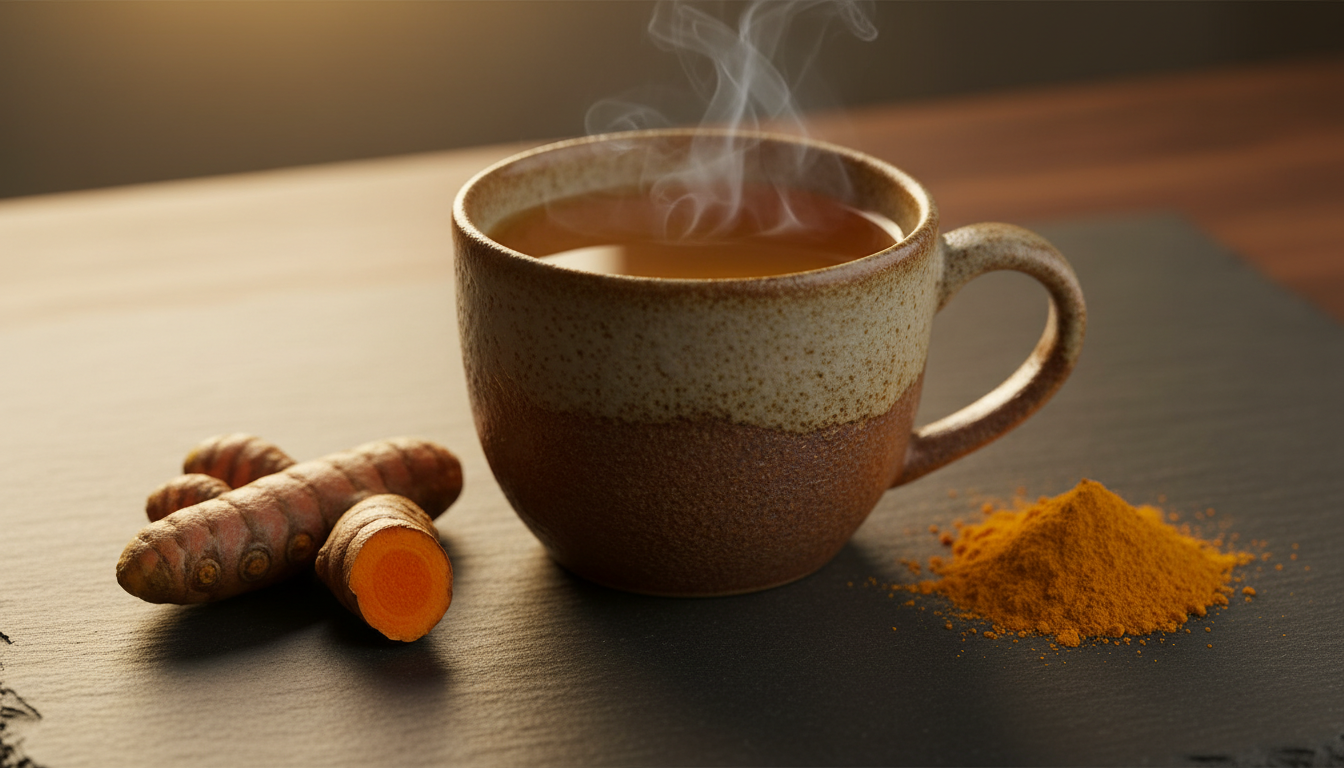

Turmeric tea is one of the oldest prepared beverages in South and Southeast Asia. Long before turmeric became a supplement-aisle staple in the West, it was a daily kitchen ingredient across India, Indonesia, and Thailand — ground into curries, stirred into warm milk, and brewed as a simple infusion. The drink you see marketed today as "golden milk" or "turmeric latte" is not a modern invention. It is a preparation that has been part of Ayurvedic and traditional Southeast Asian food culture for centuries, passed from household to household without branding or packaging.
At Valley of Tea, we have been sourcing and tasting teas for over fifteen years. This guide draws on that experience.

What makes turmeric tea interesting as a beverage — separate from any supplement conversation — is its distinctive flavor, its deep golden color, and its versatility. It works hot, iced, blended with spices, or brewed plain. It pairs naturally with black pepper, ginger, cinnamon, and coconut. And it contains zero caffeine, making it one of the few warming, full-bodied drinks available to people who avoid stimulants entirely.
This guide covers what turmeric tea actually is, how it tastes, how to prepare it at home, and what to look for when buying turmeric for brewing.
Turmeric tea is an infusion made from the rhizome of Curcuma longa, a tropical plant in the ginger family (Zingiberaceae). The plant grows to about 1 meter tall with large, broad leaves and produces the thick, knobby underground rhizomes that are harvested, dried, and ground into the bright yellow-orange powder most people recognize.
The rhizome is where all the flavor, color, and aromatic compounds live. When sliced open, fresh turmeric reveals an intense saffron-orange interior that stains everything it contacts — hands, cutting boards, clothing, and mugs. This staining power comes from curcuminoids, the group of compounds responsible for turmeric's color. The primary one, curcumin, is also what gives turmeric its characteristic slightly bitter, earthy taste.
Turmeric is not a tea in the botanical sense. It does not come from the Camellia sinensis plant that produces black, green, white, and oolong tea. Like rooibos, chamomile, and peppermint, turmeric tea is technically a tisane — an herbal infusion. But calling it "turmeric tea" is both natural and universal, and no one outside of a botanical textbook insists on the distinction.

The plant originated in the Indian subcontinent, where it has been cultivated for at least 4,000 years. India remains the dominant producer, responsible for roughly 80% of global turmeric output. Other significant producers include Bangladesh, Pakistan, Sri Lanka, Myanmar, and Indonesia. The warm, humid tropical climate these regions share is essential — turmeric needs 7–10 months of frost-free growing conditions and well-drained, fertile soil.
Both forms work for brewing, but they produce different results.
Fresh turmeric looks like a smaller, more intensely colored cousin of fresh ginger. The rhizomes are typically 5–8 cm long, with thin brown skin and vivid orange flesh. Fresh turmeric has a brighter, more peppery flavor than dried — slightly resinous, with citrus-like top notes and less of the musty earthiness that dominates dried powder. It also contains more water, which means you need more of it by weight to achieve the same intensity.
For brewing, slice fresh turmeric into thin coins (about 2–3mm thick) or grate it. Use approximately 2–3 grams of fresh turmeric per 250ml cup. The infusion will be lighter in color than a powder-based brew but cleaner in flavor.
Dried turmeric powder is what most people use. The rhizomes are boiled for 30–45 minutes, dried in the sun for 5–7 days, then ground into powder. This process concentrates the flavor and curcuminoid content. Dried turmeric has a deeper, earthier, slightly more bitter profile than fresh. It dissolves partially in hot water but tends to settle — which is why many turmeric tea preparations involve milk or fat to keep the powder in suspension.

Use about 1–1.5 grams (roughly half a teaspoon) of dried turmeric powder per 250ml cup. More than this can tip the balance from pleasantly earthy to unpleasantly bitter and chalky.
Turmeric tea has a flavor profile that surprises people expecting it to taste like curry. It does not. Curry flavor comes from the combination of turmeric with cumin, coriander, chili, and other spices. On its own, turmeric is much more subtle.
Earthy and warm. The dominant note is a dry, warm earthiness — similar to saffron or mild mustard seed but without heat. This is the backbone of the flavor and what makes turmeric feel like a grounding, substantial drink rather than a light herbal infusion.
Slightly bitter. There is a gentle bitterness, especially from dried turmeric powder. It is not sharp like black coffee or dark chocolate — more like the mild bitterness of raw carrot or turnip. This bitterness is easily balanced by a small amount of honey, maple syrup, or coconut milk.
Peppery and warm. Fresh turmeric in particular has a peppery warmth on the palate — not spicy like chili, but a gentle heat that sits on the back of the tongue. This warmth is one reason turmeric pairs so naturally with actual black pepper and ginger.

Mildly floral. Underneath the earthiness, turmeric has a subtle floral-citrus quality that becomes more apparent in lighter brews made with fresh root. Some people detect notes of orange peel or dried marigold.
What turmeric tea does not taste like: spicy, sweet, grassy, or vegetal. It has none of the tannic bite of black tea, none of the grassiness of green tea, and no inherent sweetness. It occupies its own flavor space — warm, earthy, slightly bitter, gently aromatic.
Two main approaches: a simple hot infusion and the richer golden milk preparation.
This is the no-fuss version. Turmeric, hot water, and optionally a few supporting ingredients.
Bring the water to a full boil. Add the turmeric and black pepper. If using fresh turmeric, let it steep for 8–10 minutes. If using powder, stir well and let it sit for 3–5 minutes — the powder will not fully dissolve, so stir again before drinking. Add sweetener if desired. Strain if using fresh root.

The result is a bright golden-yellow cup with a clean, earthy flavor. Light-bodied but warming. Good on its own, better with the pepper.
Golden milk is the traditional Indian preparation — turmeric simmered in milk with spices. The fat in the milk serves a practical purpose: curcumin is fat-soluble, not water-soluble, so milk-based preparations extract more of turmeric's aromatic and color compounds than water alone.
Combine the milk, turmeric, ginger, cinnamon, and pepper in a small saucepan. Heat over medium-low, stirring frequently, until the mixture reaches a gentle simmer — approximately 75–80°C. Do not boil. Hold at a simmer for 3–5 minutes to allow the flavors to meld. Remove from heat, strain out the ginger pieces, and add sweetener if desired.
The result is a rich, creamy, deeply golden drink with a complex spice profile. The ginger adds brightness and a touch of heat, the cinnamon adds sweetness and warmth, and the fat in the milk gives the turmeric a smooth, velvety body that plain water cannot provide. This is the preparation that converts skeptics.
If you read anything about turmeric, you will encounter the claim that black pepper "activates" turmeric. The underlying observation is real, even if the marketing language around it is overblown.

Black pepper contains piperine, a compound that has been noted in traditional Ayurvedic practice as a complement to turmeric for thousands of years. Research published in Planta Medica (2014) has shown that piperine significantly increases the bioavailability of curcumin by inhibiting the metabolic enzymes that break it down — in one human study, co-administering piperine with curcumin increased curcumin bioavailability by 2,000% within 45 minutes. (PMC: Bioavailability, Absorption and Metabolism of Curcumin.) Long before anyone isolated piperine in a lab, Indian cooks were combining turmeric and black pepper in practically every dish.
From a practical tea-making perspective, adding a small pinch of freshly ground black pepper to turmeric tea also contributes flavor. Piperine has a sharp, clean bite that cuts through turmeric's earthiness and adds a layer of complexity. The combination simply tastes more complete than turmeric alone. This is reason enough to include it.
Use freshly ground black pepper, not pre-ground. Pre-ground pepper loses its volatile aromatics quickly and contributes a flat, dusty heat rather than the bright sharpness of freshly cracked peppercorns. A small pinch per cup — roughly 1/8 teaspoon — is sufficient. More than that and the pepper dominates.
Turmeric blends well with other warming spices and aromatics. Some combinations have centuries of tradition behind them.
Turmeric and ginger. The most natural pairing. Both are rhizomes from the same botanical family, and their flavors complement each other perfectly — ginger adds brightness, citrus, and a clean spiciness that lifts turmeric's earthy base. Use a 2:1 ratio of turmeric to ginger for balance. This is the combination at the heart of many traditional Southeast Asian tonics like Indonesian jamu.

Turmeric and cinnamon. Cinnamon's natural sweetness counteracts turmeric's bitterness without adding sugar. Use Ceylon cinnamon (Cinnamomum verum) rather than cassia if you drink turmeric tea daily — cassia contains higher levels of coumarin, which is best consumed in moderation. A quarter teaspoon of ground cinnamon per cup integrates smoothly.
Turmeric and coconut. Coconut milk is the ideal base for turmeric tea if you are avoiding dairy. The fat content helps with curcumin extraction, the natural sweetness balances the bitterness, and the tropical flavor is historically appropriate — turmeric and coconut have been combined in Southeast Asian cooking for centuries. Full-fat coconut milk produces a significantly better result than light.
Turmeric and lemongrass. Popular in Thai and Indonesian preparations. Lemongrass adds a bright, citrusy, slightly grassy note that keeps turmeric from feeling heavy. Use 1–2 stalks of fresh lemongrass, bruised and sliced, per 500ml of turmeric tea.
Turmeric and cardamom. A classic Indian chai-style pairing. Lightly crush 2–3 green cardamom pods and simmer them with the turmeric. The result is aromatic, floral, and complex — a warming evening drink. For a full chai-spiced experience, explore layering warm spice notes.
Turmeric contains zero caffeine. None. It is not a Camellia sinensis product, and the Curcuma longa plant does not produce caffeine or any other stimulant alkaloid.

This makes turmeric tea one of the better options for evening drinking, for people sensitive to caffeine, or for anyone looking to reduce their stimulant intake without giving up the ritual of a warm, flavorful cup. Golden milk in particular has become a popular bedtime drink — the warmth and the milk create a comfort-food effect that pairs well with winding down. Other naturally caffeine-free options worth knowing include green rooibos and German chamomile — both tisanes with their own distinct character.
Be aware that some commercial "turmeric tea" blends include actual tea leaves (black or green) for body and flavor. These blends do contain caffeine. Check the ingredients if caffeine-free is what you are after. A pure turmeric blend — turmeric with spices, herbs, or nothing at all — will always be caffeine-free.
Not all turmeric is the same. Quality varies significantly, and it directly affects the flavor and color of your brew.
Origin matters. Indian turmeric, particularly from the Erode region in Tamil Nadu (sometimes called the "turmeric capital of the world") and from Andhra Pradesh, is generally considered the benchmark for quality. Curcumin content varies by cultivar and growing region — Indian varieties like Alleppey and Madras typically contain 4–7% curcuminoids, while some other origins run as low as 2%.
Color is an indicator. High-quality turmeric powder should be deep golden-orange, not pale yellow or brownish. Pale color often indicates age, poor storage, or dilution with cheaper fillers. When you brew with good turmeric, the water or milk should turn a vivid, saturated gold.

Aroma matters. Fresh, high-quality turmeric powder should smell warm, earthy, and slightly peppery when you open the container. If it smells flat, dusty, or like nothing at all, it is old or low-grade.
Freshness. Ground turmeric loses its volatile aromatics over time. Buy in small quantities — 100–200 grams at a time — and store in an airtight container away from light and heat. Replace every 6–12 months. If you have turmeric that has been sitting in your pantry for two years, it will still color your tea but contribute minimal flavor.
Organic certification. Worth considering for turmeric specifically, because conventional turmeric production in some regions involves heavy pesticide use and occasional adulteration with lead-based colorants to enhance the yellow color. The NIH National Center for Complementary and Integrative Health recommends sourcing turmeric from reputable suppliers — organic and third-party-tested turmeric eliminates the adulteration concern entirely.
Whole vs ground. If you can find whole dried turmeric rhizomes, they store longer and can be grated fresh as needed — similar to how whole nutmeg holds its flavor better than pre-ground. However, whole dried turmeric is extremely hard and requires a microplane or dedicated spice grinder.
Turmeric tea is a straightforward drink with a long history. It does not require special equipment, exotic ingredients, or elaborate preparation. At its simplest, it is turmeric and hot water. At its richest, it is golden milk simmered with ginger, cinnamon, pepper, and coconut milk — a drink that has been warming people up in South Asia for centuries before it appeared on cafe menus in London and New York.
The key to a good cup is decent turmeric, a pinch of black pepper, and some fat if you want the full flavor. Everything beyond that — the ginger, the cinnamon, the cardamom, the lemongrass — is personal preference and seasonal variation.
Start simple. Brew a cup with just turmeric and pepper. Taste it plain before adding sweetener. Then try the golden milk version and notice how much the milk transforms the flavor. Turmeric rewards experimentation, and it is forgiving enough that you are unlikely to make a bad cup. Just keep a cloth handy — it stains everything.
Teas Featured in This Article
Comments will be approved before showing up.
