












Haldi Organic: A Guide to Organic Turmeric and Turmeric Tea
Haldi is the Hindi word for turmeric, and it names one of the most recognizable spices in any kitchen: the deep golden-orange rhizome behind curry powder, mustard sauces, and the warm milky drink many households in South Asia serve on cold evenings. Botanically it is Curcuma longa, a member of the ginger family grown mostly across India. When we talk about haldi organic, we mean turmeric grown and processed without synthetic pesticides or the color-enhancing additives that have dogged the conventional trade for decades.

We treat turmeric the same way we treat every root and rhizome that comes through our sourcing process: taste and color first, paperwork second, and a healthy suspicion of anything that looks too perfect. A rhizome with 2 to 5 percent natural curcumin content should look warm orange, not traffic-cone yellow. That distinction, more than any marketing claim, is what separates a trustworthy batch of haldi organic turmeric from one you should send back.
What Is Haldi (Turmeric)?
Haldi (turmeric) is the common Hindi name for Curcuma longa, a flowering rhizome in the ginger family (Zingiberaceae) native to South Asia. The plant has been cultivated across India for thousands of years, both as a kitchen spice and as a dye, and India remains by far the largest producer, growing the great majority of the world's supply.
The rhizome itself looks like a smaller, more orange cousin of fresh ginger. Once boiled, dried, and ground, it yields the fine yellow-orange powder found in curry blends, mustards, and turmeric lattes. That color comes from curcumin, the plant's main pigment compound, which typically makes up 2 to 5 percent of the dried rhizome by weight; the remainder is starch, fiber, essential oils, and a family of related curcuminoids that contribute to the flavor.
Beyond the kitchen, haldi carries real cultural weight. In Ayurvedic practice it has featured for thousands of years in daily cooking and traditional home preparations. It also shows up outside the kitchen entirely: the haldi ceremony, where turmeric paste is applied to a bride and groom before an Indian wedding, is one of the most recognizable pre-wedding rituals in South Asian culture, valued for the golden colour it leaves as much as for tradition.
I haven't been to the turmeric belt myself. We source through suppliers who provide quality documentation for every batch, including curcuminoid assays; our current lots run five to eight percent curcuminoid content, though that varies harvest to harvest, so I won't quote one fixed number publicly. One source we use is Lakadong turmeric from the Jaintia Hills in Meghalaya.
We source most of our South Asian botanicals with the same standard: taste it, smell it, and ask where the rhizome was dried before it is ever bagged as haldi organic.
Why Choose Organic Turmeric?
The clearest reason to choose haldi organic over a conventional tin is adulteration. Turmeric's color is exactly why it has been targeted for decades: traders in parts of South Asia have used lead chromate, a toxic yellow pigment, to brighten dull or damaged batches and disguise inferior rhizomes as premium stock. Regulators have flagged the issue and testing continues, though difficult to quantify in current prevalence, and loose or unbranded turmeric sold cheaply is the highest-risk category.
Organic certification will not test for lead chromate on its own, but it closes off the pathway. Certified organic turmeric must be grown without synthetic pesticides, fungicides, or chemical brighteners, and reputable growers pair that certification with independent lab testing for heavy metals as a separate quality check. We look for both: the certificate proves the farming method, the lab report proves the finished rhizome is clean.
The price difference is not dramatic. Organic turmeric typically runs 20 to 30 percent above conventional, which on a spice that costs a few euros per hundred grams is a small premium for the peace of mind. As one of our own answers on organic sourcing puts it: better quality and taste besides the obvious environmental and safety benefits is really why we chose organic across the board, and turmeric is no exception.
How to Make Turmeric (Haldi) Tea
To make haldi tea, simmer 1 teaspoon of turmeric powder, or a 2cm piece of fresh, peeled turmeric root, in 300ml of water for 10 minutes. Strain, then add a pinch of black pepper before drinking; piperine is the compound that gives pepper its bite.
The pepper deserves an honest note. Curcumin on its own is poorly water-soluble, so a cup of tea is mostly about colour and flavour. A pinch of pepper in your mug is a flavor and tradition choice, and we would not attach a number of cups per day to it.
Golden milk, or haldi doodh, takes that same simmered turmeric further: stir it into warm milk with a spoon of honey, the way it has been served as a home drink across South Asian households for generations, long before it became a café menu item elsewhere. My own version is simple: turmeric, milk, honey, and cinnamon, no fixed ratio, made to taste rather than measured out. The turmeric I use for it is the same Lakadong turmeric from the Jaintia Hills in Meghalaya mentioned above.
Fresh turmeric root gives a milder, earthier, slightly peppery cup than powder, which brews stronger and more bitter for the same quantity.
Fresh Turmeric Root vs Turmeric Powder
Fresh turmeric root and turmeric powder are the same plant at different stages of processing, and each suits a different kind of drinker. Fresh root is milder, juicier, and more aromatic, closer to ginger in texture; it is widely available in Asian grocery stores and keeps for a few weeks refrigerated. Powder is more concentrated and far easier to store, but it loses potency and aroma faster once the jar has been opened and exposed to air and light.
Both stain everything they touch a bright, stubborn yellow: countertops, wooden spoons, and fingernails included. We keep a dedicated cutting board and grater for turmeric and ginger in our own kitchen, because no amount of scrubbing gets fresh turmeric juice out of a light-colored board.
We stock turmeric as a standalone product ourselves, not only as an ingredient buried in a blend: it is one of our best-selling root teas, right alongside ginger, out of more than 30 root products we carry. Ginger and turmeric together is actually my personal favorite combination of the two.
For everyday haldi tea, powder is the more practical choice: it is consistent, it dissolves evenly when simmered, and a small jar lasts for months of occasional brewing.
How to Identify Quality Organic Turmeric
Good haldi organic turmeric looks bright orange-yellow rather than dull brown, but it should never look unnaturally vivid or neon; that kind of intensity is one of the tells of color adulteration rather than genuine quality. Smell is just as reliable as color: a fresh, well-dried rhizome has a strong, warm, faintly bitter, almost peppery aroma. If a batch smells musty, flat, or of almost nothing, it has likely sat too long or was dried poorly.
Beyond your own senses, a recognized organic label from a body like EU Organic or USDA Organic is the baseline paperwork check, though it only confirms the farming method, not the finished quality. Curcumin content itself varies meaningfully by origin and soil: Alleppey turmeric from Kerala, in southern India, is prized specifically for its higher curcumin content and deeper color compared with turmeric grown further north.
Judging quality by color and aroma is a skill that transfers across nearly every botanical we buy, and turmeric rewards that same skepticism as much as any rose or hibiscus batch does.
Conclusion
Adulteration, not exaggerated health claims, is the real argument for organic turmeric. A certified organic label plus independent heavy-metal testing removes the lead chromate risk that has followed cheap turmeric for years, and it comes with a cleaner, more consistent flavor as a side benefit rather than the main selling point.
Whether you are stirring it into a curry or simmering a cup of haldi tea with black pepper and ginger, haldi organic is worth the modest 20 to 30 percent premium over conventional stock. Next time you are buying turmeric, check the label for organic certification, then trust your nose: a rhizome that smells warm and slightly bitter, with a natural orange-yellow rather than a dyed-looking glow, is the one worth keeping in the cupboard.
Leave a comment
Comments will be approved before showing up.
Also in Valley of Tea Blog | Tea Guides, Origins & Brewing Tips


Rooibos Iced Tea: Caffeine-Free Refresher
Learn to make rooibos iced tea two ways: hot-brewed over ice in 15 minutes, or a smoother overnight cold brew, plus flavour additions and storage tips.
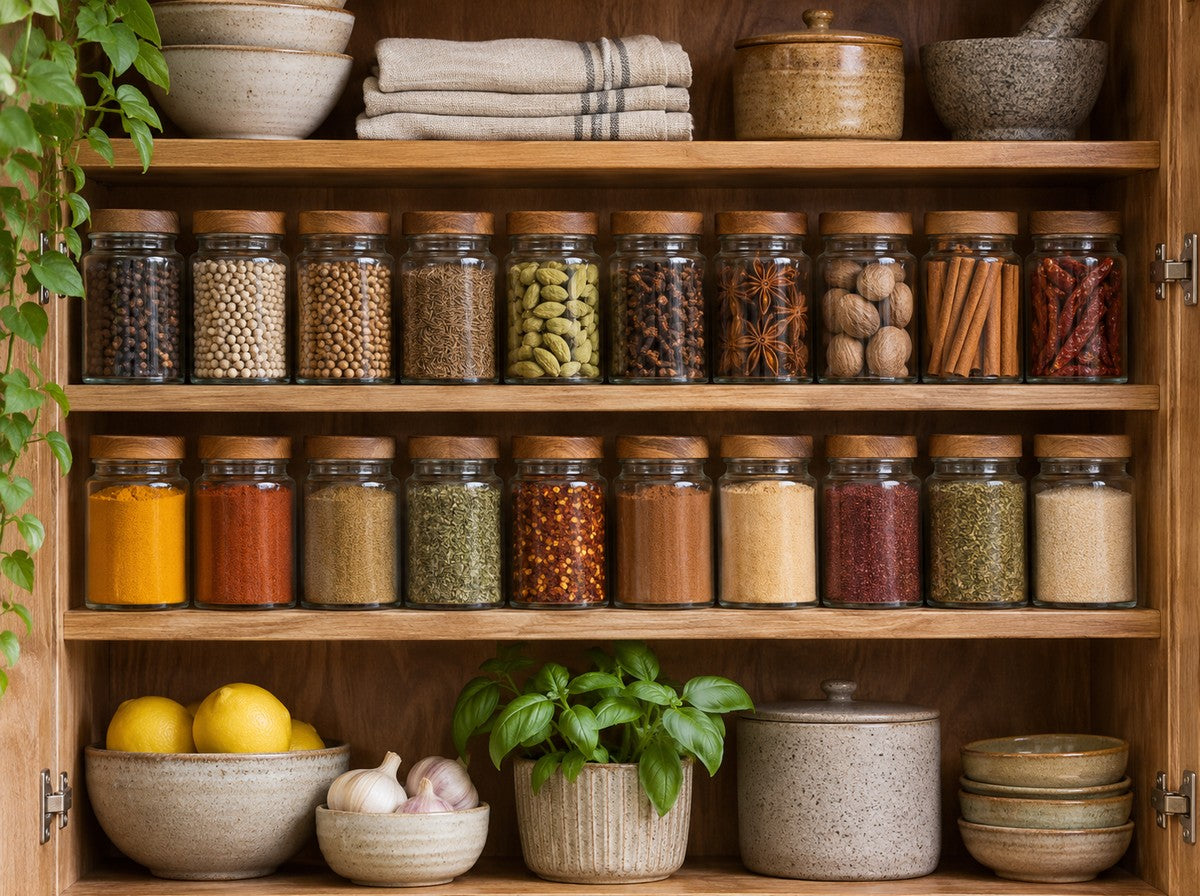

Spice Cabinet Organization: A Practical System That Works
Learn how to organize your spice cabinet with a practical system that keeps every jar findable and fresh. Temperature, layout, and audit tips included.
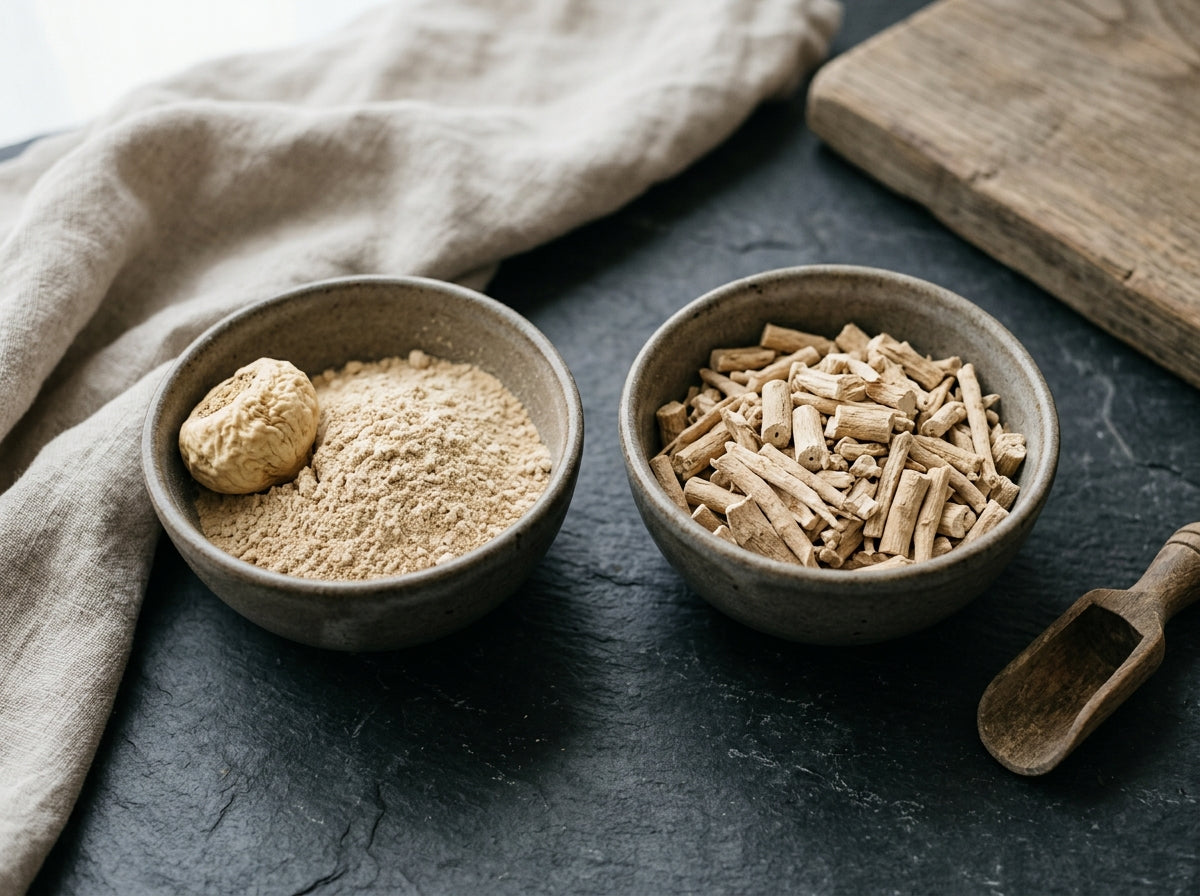

Maca or Ashwagandha for Your Daily Routine
Choosing between maca or ashwagandha? Learn how each root tastes, when to use them, and the best ways to prepare each in tea or drinks.

Wisdom is the path to better tea.
Get our free brewing guide: the right water, heat and timing for every tea we sell. You will also hear it first when new harvests arrive.
No spam. Unsubscribe any time.
Check your inbox.
The guide is on its way.