












Tea Moringa
Tea Moringa: What It Is and Why People Drink It
Moringa comes in several forms: powder, capsules, oil, and tea. Each delivers a different experience and a different concentration of what the plant has to offer. Tea moringa, dried Moringa oleifera leaves steeped in hot water, sits at the accessible end of that spectrum. The flavour is gentle, the preparation is straightforward, and the result is caffeine-free.

If you find moringa powder too intense or simply want a warm cup rather than a supplement, this is the format worth starting with.
What Moringa Tea Actually Contains
Moringa tea is made from dried Moringa oleifera leaves, the same leaf material used in powder and capsule products. The plant is native to tropical regions of South Asia and has been used in traditional food and herbal preparation for centuries.
The dried leaves retain a meaningful nutrient profile. Moringa leaves are known to contain vitamins A, C, and several B vitamins, along with minerals including iron, calcium, and potassium. The leaf also contains plant polyphenols. What a daily cup of brewed tea contains will differ from what concentrated extracts contain in laboratory conditions.
What an infusion extracts is a portion of what the whole leaf contains. Water pulls out water-soluble compounds, including some vitamins, minerals, and plant polyphenols, but insoluble fibre and certain fat-soluble compounds stay in the leaf. This is not a limitation specific to moringa; it applies to all leaf infusions. The important point is that moringa tea gives you an extract of the leaf, not the full leaf consumed as powder does.
Moringa is caffeine-free. It is not related to Camellia sinensis and is a herbal infusion in the strict sense. Some commercial products labelled as moringa tea are blends: combined with tulsi, ginger, or turmeric. These additions change both the flavour and the properties on offer.
If you are buying moringa for the leaf specifically, check the ingredient list and choose a pure-leaf product.
How Moringa Tea Differs from Moringa Powder
The core difference is straightforward: powder gives you the whole leaf; tea gives you an extract.
With moringa powder, you consume the ground dried leaf in full. Nothing is filtered out. Nutrient density is higher and absorption is more complete. The trade-off is taste and texture: moringa powder is earthy and grassy at a concentration that many people find strong.
Blending it into smoothies or food is common because drinking it plain takes some getting used to. Moringa tea flips those trade-offs. The flavour is substantially milder because the infusion dilutes the intensity and you discard the leaf after steeping. You lose some nutrient concentration but gain an approachable cup that most people drink without complaint.
For daily use, tea suits people who want a routine that fits naturally into a day of other hot drinks. Powder suits those who are consciously targeting a specific nutrient intake and want maximum density per serving.
There is also a practical angle: powder requires a blender or shaker bottle and can clump, while tea requires only a teapot and a few minutes. For most casual drinkers, this friction difference matters more than it sounds. Neither format is superior; they serve different purposes for different kinds of people.
Brewing and Pairing Moringa Tea
Brew moringa tea at 80°C maximum for 3-4 minutes. Using boiling water at 100°C will make the cup noticeably more bitter and flatten the grassy character of the leaf. Temperature control is the most important variable.
We use whole organic moringa leaves at Valley of Tea. Whole leaves steeped in a strainer give a cleaner, brighter result than dust-grade or cut material in a tea bag: less astringency, better colour in the cup, and a more honest representation of the leaf's character.
The flavour profile is light, earthy, and herbaceous with a mild grassiness. It is not aggressive in the way that some herbal teas can be, but it does have an edge that some people find sharp when drinking it plain.
If plain moringa is too bitter for your taste, two additions work well. A squeeze of fresh lemon rounds off the bitter edge through acidity contrast. Fresh ginger, a few thin slices added before steeping, adds warmth and balances the grassiness. Both work without masking the moringa character entirely.
For blending, moringa pairs naturally with green tea: the vegetal notes align and the green tea's structure gives the cup more body. Tulsi (holy basil) is another natural pairing, its slightly clove-like aroma adding complexity without competing. These combinations have a long history in the Indian market, where moringa and tulsi have been used together in traditional herbal preparations.
Choosing Quality Moringa Tea
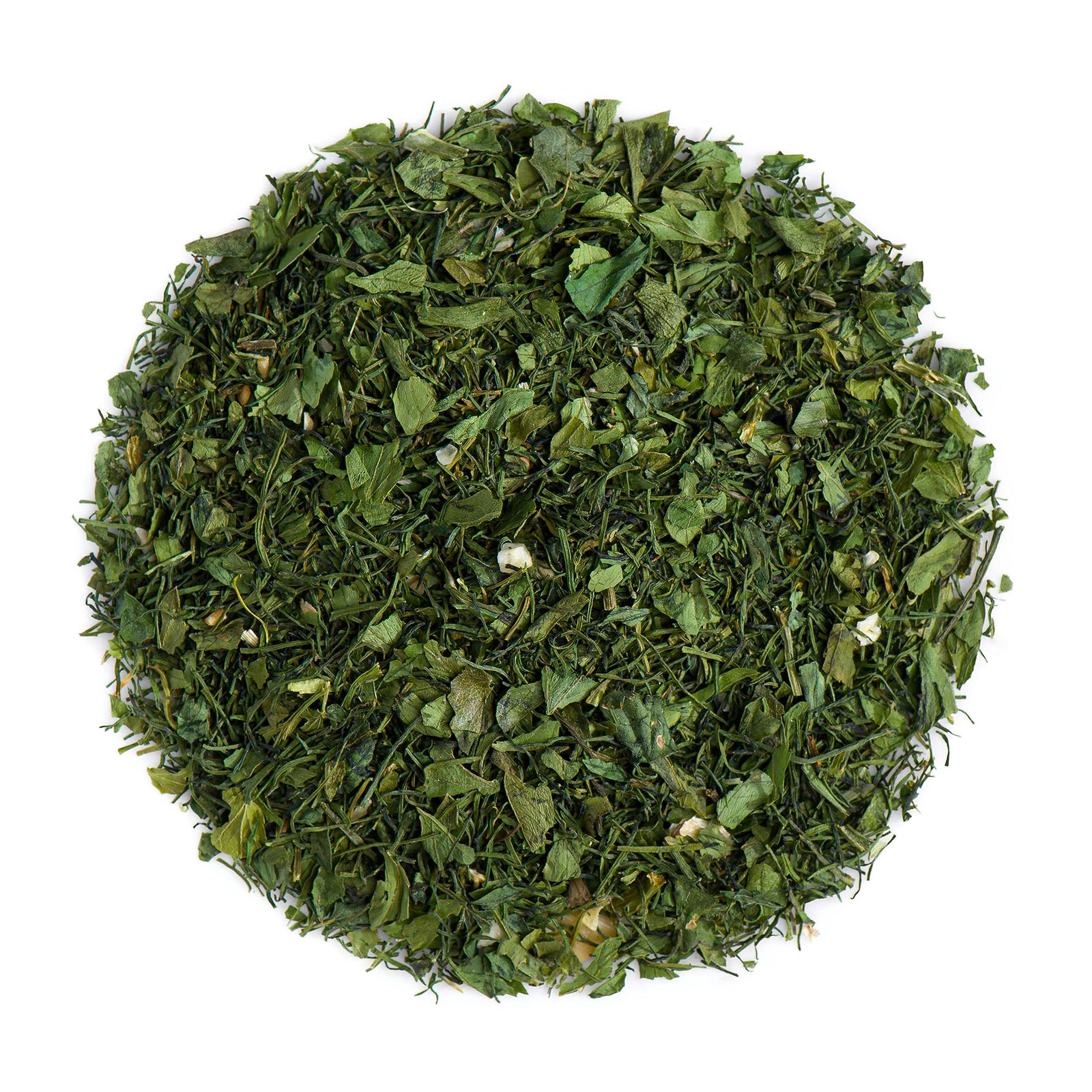
The quickest quality signal when opening the bag is colour. Good moringa leaf is bright green, vivid rather than olive or khaki. Colour fades with age, poor drying, or exposure to light and moisture during storage. A dull or brownish tint suggests the leaf has oxidised or was processed roughly.
The aroma on opening should be strong and distinctly grassy-herbaceous. If the bag smells faint or slightly musty, the leaf is old or was stored poorly. Moringa aroma fades before flavour does, so a weak-smelling product often still brews something, but the cup will be thin.
Look for pure leaf with minimal stems and no visible filler. Moringa stems have lower nutrient density and a woodier texture that contributes to bitterness without adding to flavour. High-quality product is leaf only, or at most leaf with a small proportion of very thin terminal stems.
Our moringa is single-origin pure leaf with organic certification. We source it as whole leaves, which lets you assess quality visually before brewing in a way that cut-grade or teabag material does not allow. If a supplier cannot tell you the origin country and harvest period of their moringa, that is information worth asking for.
Dried moringa leaf stores well; most suppliers recommend using within 12 months of harvest for best colour and aroma. After that point, the colour and aroma will have faded enough that the tea brews noticeably flat.
Conclusion
Tea moringa is a nutritionally interesting herbal tea, even accounting for the fact that an infusion delivers less than the whole leaf. What it offers is access to the plant's water-soluble compounds in a format that is easy to drink daily, easy to adjust for flavour, and completely caffeine-free. The gap between powder and tea is real but does not make tea inferior. It makes it a different tool for a different kind of drinker.
Quality matters here in the same way it matters for any dried leaf: colour, aroma, origin, and processing are the variables that separate a vivid, herbaceous cup from a flat, stale one. Start with whole leaf from a traceable source, keep the water below 80°C, and adjust with lemon or ginger if you want more approachability. That is the straightforward path to getting the most from tea moringa.
Leave a comment
Comments will be approved before showing up.
Also in Valley of Tea Blog | Tea Guides, Origins & Brewing Tips

Rooibos Iced Tea: Caffeine-Free Refresher
Learn to make rooibos iced tea two ways: hot-brewed over ice in 15 minutes, or a smoother overnight cold brew, plus flavour additions and storage tips.

Spice Cabinet Organization: A Practical System That Works
Learn how to organize your spice cabinet with a practical system that keeps every jar findable and fresh. Temperature, layout, and audit tips included.

Maca or Ashwagandha for Your Daily Routine
Choosing between maca or ashwagandha? Learn how each root tastes, when to use them, and the best ways to prepare each in tea or drinks.

Wisdom is the path to better tea.
Get our free brewing guide: the right water, heat and timing for every tea we sell. You will also hear it first when new harvests arrive.
No spam. Unsubscribe any time.
Check your inbox.
The guide is on its way.