












Té Darjeeling: Por qué se le llama el Champagne de los tés.
El té de Darjeeling proviene de una pequeña región en las estribaciones de los Himalayas orientales, en West Bengal, India. Unas 87 plantaciones de té operan en laderas empinadas entre 600 y 2.000 metros sobre el nivel del mar, produciendo un té con un carácter que no se encuentra en ningún otro lugar: de cuerpo ligero, muscatel y aromático de formas que otros tés indios no tienen.
La etiqueta «Champán de los tés» no es solo marketing. Darjeeling cuenta con una indicación geográfica protegida (como la del Champagne), lo que significa que solo el té cultivado en esta región específica puede usar el nombre.
Qué hace diferente al té de Darjeeling
Tres factores definen al té de Darjeeling: la altitud, el clima y el cultivar.
La gran altitud implica temperaturas más frías y más niebla, lo que ralentiza el crecimiento de las hojas y concentra los compuestos de sabor. El terreno escarpado proporciona un drenaje excelente y obliga a las plantas de té a desarrollar sistemas de raíces profundos que extraen minerales del suelo.
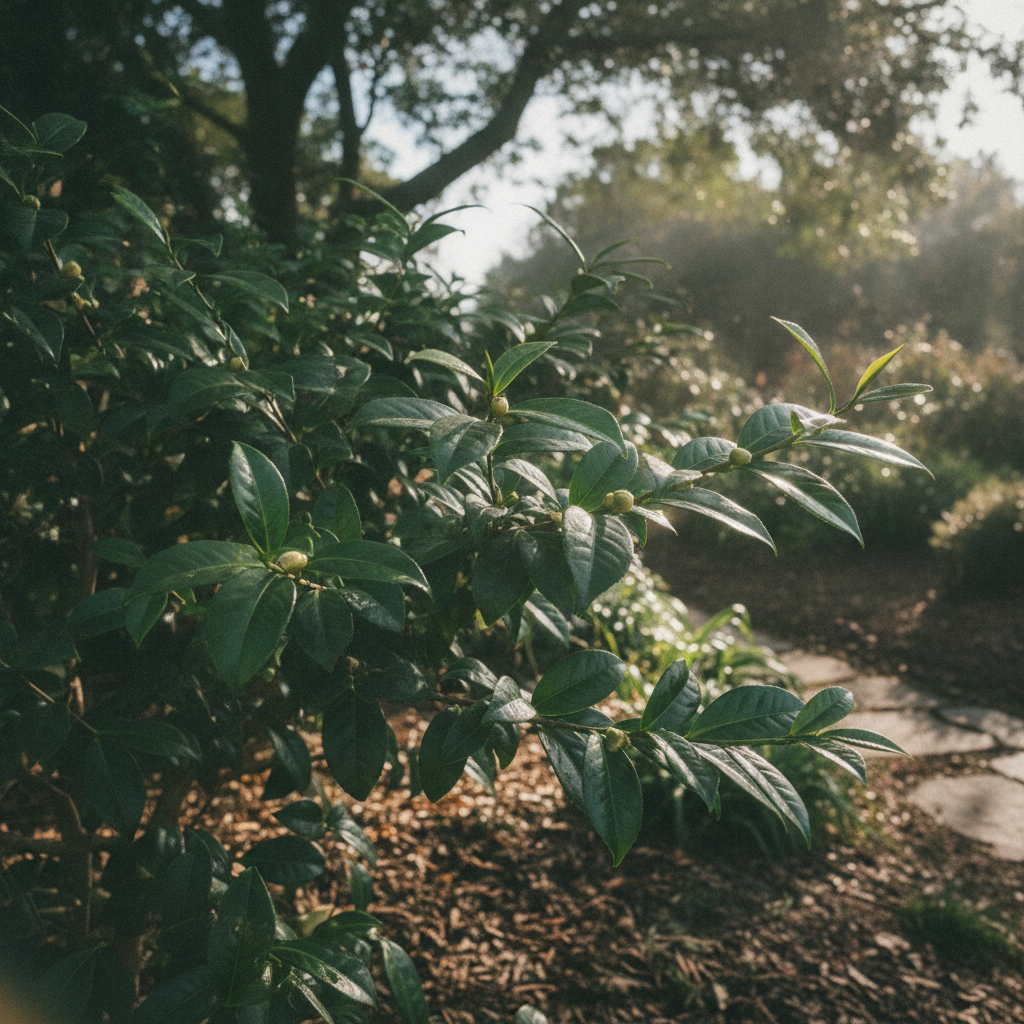
La mayoría de las fincas de Darjeeling cultivan una variedad de planta de té china (Camellia sinensis var. sinensis) o híbridos clonales desarrollados específicamente para la región. Son plantas de hojas más pequeñas que producen tés más delicados y aromáticos que la variedad Assam (Camellia sinensis var. assamica) utilizada en la mayor parte de la producción de té en India.
Los períodos de cosecha
El carácter de Darjeeling cambia drásticamente con cada cosecha estacional, o "flush".
Primera cosecha (marzo-abril): La cosecha de primavera tras la dormancia invernal. Las hojas son jóvenes y tiernas, produciendo una taza ligera y brillante con notas florales y verdes. La primera cosecha de Darjeeling se parece más a un buen oolong o a un té verde que a lo que la mayoría de la gente considera té negro. Es la cosecha más codiciada y cara.
Segunda cosecha (mayo-junio): La cosecha de verano. El clima más cálido y más sol producen hojas con el famoso sabor "muscatel", una dulzura almizclada y afrutada similar a la uva que es la firma de Darjeeling. El líquido es de color ámbar, con más cuerpo que la primera cosecha y un carácter más marcado. Este es el sabor clásico de Darjeeling.
Monsoon Flush (julio-septiembre): Producido durante la temporada de lluvias. Más fuerte, más oscuro y menos matizado que los tés de primavera y verano. A menudo se usa en mezclas en lugar de venderse como origen único.
Autumn Flush (octubre-noviembre): La cosecha final antes de la dormancia invernal. Un líquido color cobre con un sabor redondeado y suave. Menos complejo que la primera o la segunda cosecha, pero suave y satisfactorio.
Cómo infusionar Darjeeling
El Darjeeling de primera cosecha necesita temperaturas más bajas de las que podrías esperar para un té negro. Usa agua a 85-90°C y deja infusionar 3-4 minutos. El agua demasiado caliente domina las delicadas notas florales.
La segunda cosecha puede soportar agua más caliente — 90-95°C durante 3-5 minutos. Las hojas están más maduras y los compuestos de sabor son más robustos.
Usa 2-3 gramos por 200ml. El Darjeeling es mejor sin leche — añadir leche enmascara las notas muscatel y los aromas florales que definen este té. Si estás acostumbrado al Assam fuerte y maltoso con leche, el Darjeeling es una experiencia totalmente distinta.
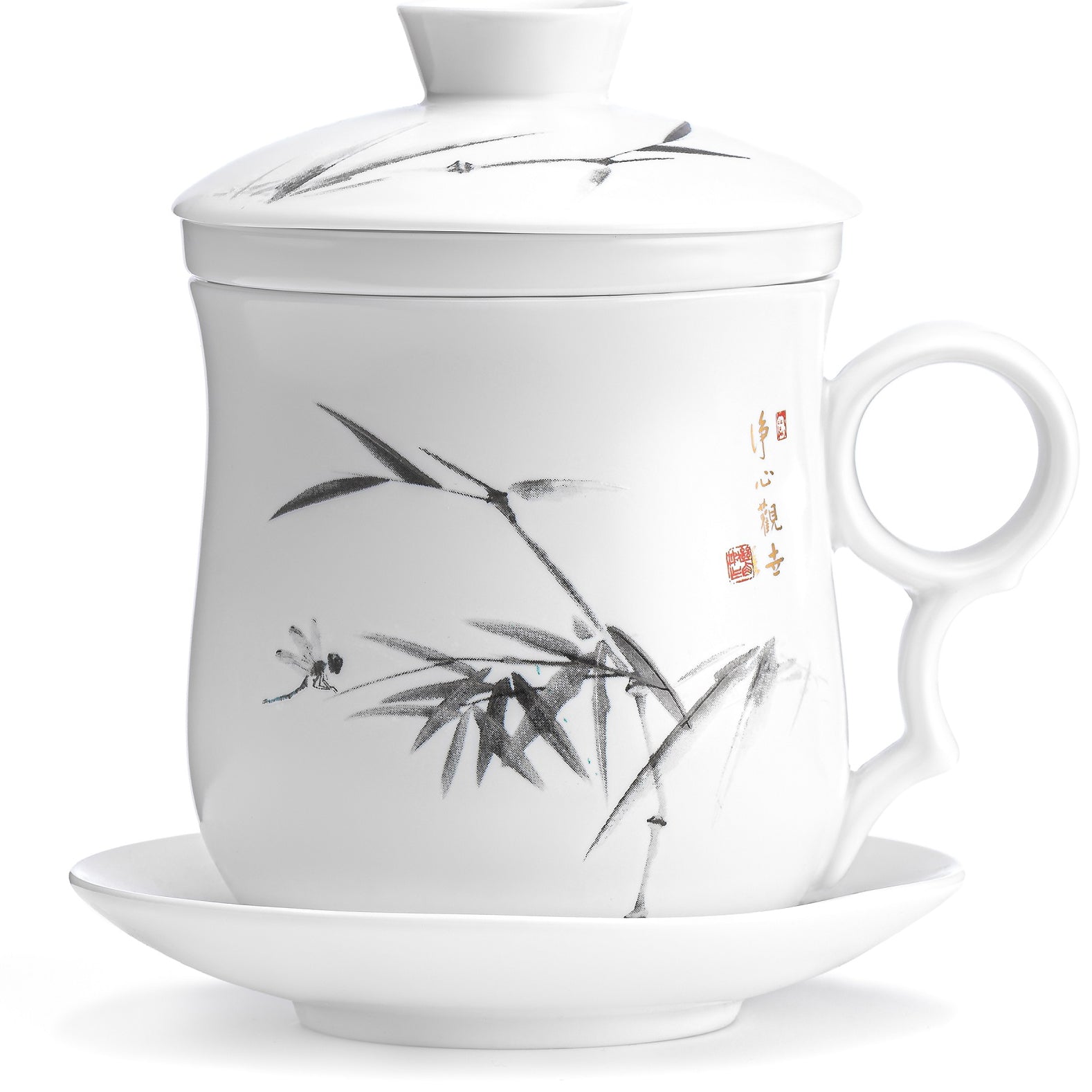
Una tetera de vidrio o una taza de porcelana te permite apreciar el color del líquido, que varía desde el oro pálido (primera cosecha) hasta el ámbar cálido (segunda cosecha).
Darjeeling frente a otros tés negros
La mayoría de los tés negros de India — Assam, Nilgiri — son fuertes, maltosos y pensados para beber con leche. Darjeeling es lo contrario: ligero, aromático y mejor por sí solo. Esto se debe en parte al cultivar chino, en parte a la altitud y en parte a la oxidación más ligera que utilizan muchos productores de Darjeeling.
En la práctica, el Darjeeling de primera cosecha tiene más en común con un oolong ligero que con un té de desayuno keniano. La segunda cosecha se sitúa más claramente en la categoría de tés negros, pero aún así con más finura que la mayoría.
Si quieres entender por qué importa el té de origen único, Darjeeling es uno de los mejores puntos de partida. La diferencia entre una primera cosecha y una segunda cosecha del mismo jardín, recogidas con meses de diferencia, muestra cuánto influye el momento estacional en el sabor. Nuestra colección Darjeeling incluye ambas cosechas, junto con más información sobre la historia del té indio.
Dejar un comentario
Los comentarios se aprobarán antes de mostrarse.
Ver artículo completo
The Complete Guide to Drinking Tea
What tea is, how the main types differ in the cup, and how to brew each one properly. Water temperature, steeping times, storage and how to get more than one cup from your leaves.
Ver artículo completo
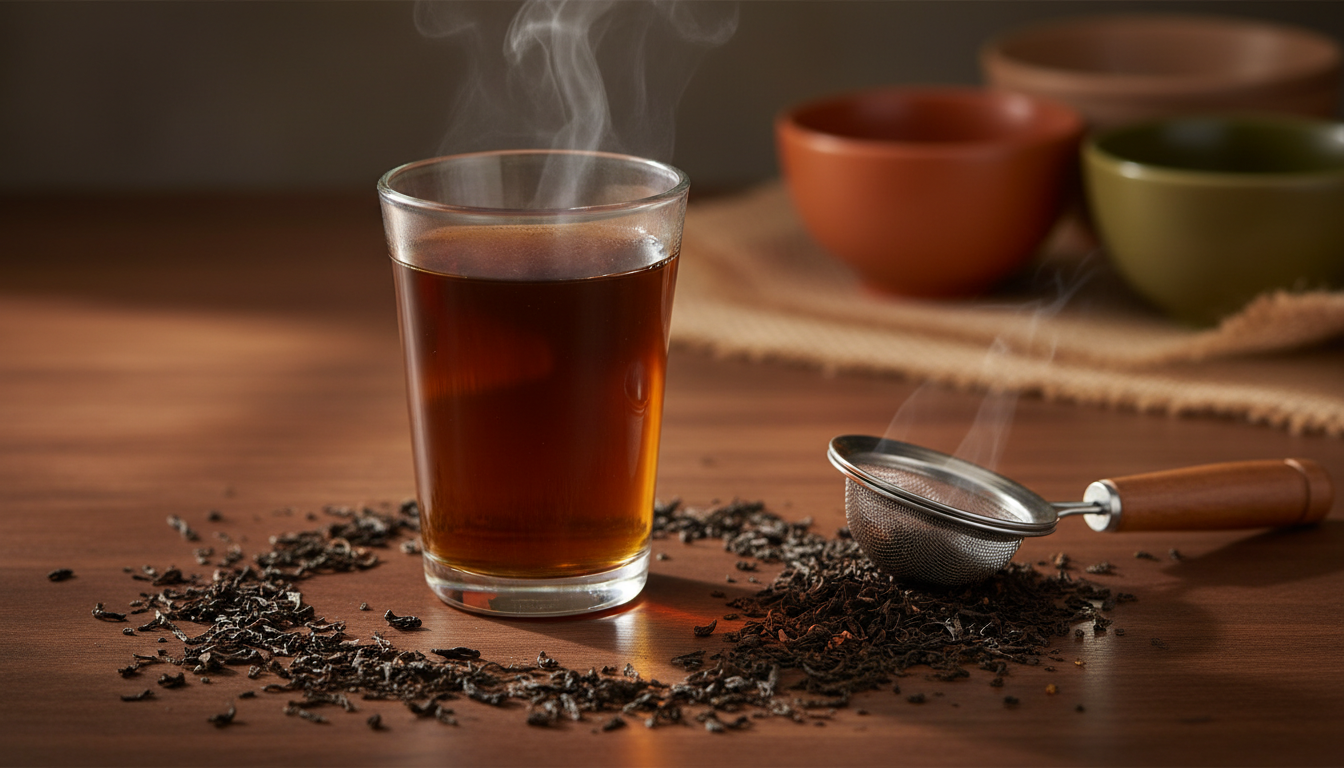

Black Tea: Types, Processing, and How to Brew It
Black tea is fully oxidized Camellia sinensis. Compare Assam, Darjeeling, Keemun, and Ceylon varieties. Learn processing, brewing, and caffeine levels.

How To Grow Black Tea
Learn how to grow black tea at home: soil, climate, and the five processing steps from fresh leaf to a finished cup of black tea.

La sabiduría es el camino hacia un té mejor.
Reciba nuestra guía gratuita de preparación: el agua, la temperatura y el tiempo de infusión adecuados para cada té que vendemos. Además, será el primero en conocer las nuevas cosechas.
Sin spam. Cancele cuando quiera.
Revise su bandeja de entrada.
La guía está en camino.