













Fresh Turmeric Root
Fresh turmeric root (Curcuma longa) has moved from specialist food shops to standard supermarket shelves over the past decade, and it deserves more than a passing glance. The fresh root behaves differently from the dried powder most cooks know: it has a brighter, more peppery flavour, a higher moisture content, and a slightly different curcuminoid profile. We source Lakadong turmeric from the Jaintia Hills district of Meghalaya, India, and work with suppliers who provide quality documentation for each batch, so we know this plant well. This guide covers the practical questions: how fresh compares to dried, how to make tea with it, what else you can do with it in the kitchen, and how to keep it from going off in the back of your fridge.

Fresh vs Dried Turmeric Root: What's the Difference?
Fresh turmeric root contains typically 1-3% curcumin by dry weight, depending heavily on variety. Good-quality dried powder generally runs 3-5%, and premium varieties such as Lakadong can reach higher - our documented lots come in at 5-8% curcuminoid content, though this varies between harvests and we do not quote a single fixed figure. The moisture difference also drives the substitution ratio: 1 tablespoon of grated fresh turmeric is broadly equivalent to 1 teaspoon of dried powder in most recipes, though the flavour profile is not identical.

Fresh root tastes noticeably brighter and more peppery than its dried counterpart. Dried powder has a more concentrated earthiness and a slightly more astringent edge. Neither is superior - they are genuinely different ingredients that work better in different contexts. Fresh is better when you want a cleaner, more aromatic result; dried integrates more smoothly into spice blends and baked preparations where moisture is unwanted.
One practical point: fresh root bruises and oxidises at the cut surface within hours. This is not just cosmetic - the exposed flesh starts losing volatile aromatics quickly. For this reason, store it whole and cut only what you need immediately before use.
| Format | Curcumin (approx.) | Flavour character | Substitution |
|---|---|---|---|
| Fresh root | 1-3% dry weight basis (variety-dependent) | Bright, peppery, floral | 1 tbsp grated = 1 tsp dried |
| Dried powder (Lakadong) | 5-8% (lot-documented) | Earthy, warm, astringent | - |
How to Make Tea with Fresh Turmeric Root
Fresh turmeric tea requires simmering, not steeping. Unlike dried powder or cut-and-sifted material that releases its compounds readily in hot water, the fresh root needs active heat to break down the cell walls and release its colour (curcumin) and aromatic compounds into the liquid.

The method is straightforward:
- Slice a 2 cm piece of fresh root (unpeeled is fine, scrubbed clean) into thin rounds - around 3-4 mm each.
- Combine with 300 ml of cold water in a small saucepan.
- Bring to a simmer and hold at a gentle simmer for 10 minutes. Do not boil hard; it darkens the colour and throws off some of the more delicate aromatics.
- Remove from heat. Add a generous pinch of freshly ground black pepper at this point, not during simmering - long heat dulls the pepper's fresh bite.
- Strain into a cup. Sweeten with honey if preferred. A small squeeze of lemon works well and adds a brightness that complements the earthy turmeric base.
The black pepper addition is a flavour choice. Black pepper contains piperine, the compound behind its pungent bite, and that bite sharpens the earthy turmeric base. A pinch alongside fresh turmeric tea is a small addition worth trying.
I've had customers tell me this version tastes considerably cleaner and more aromatic than tea made from powder. I'd agree - there is a floral, almost gingery quality in the fresh root that does not survive the drying and grinding process. If you have fresh root available, the tea is worth making at least once to understand the difference.
Golden milk is another approach worth knowing. My version is turmeric, milk, honey, and cinnamon - kept to those four ingredients. The warmth of the cinnamon balances the earthiness of the turmeric well, and honey rounds out both without masking either. Warm the milk gently, add a half-teaspoon of grated fresh root or a pinch of dried, finish with cinnamon and honey to taste.
Other Uses for Fresh Turmeric Root
Beyond tea, fresh turmeric root is a versatile kitchen ingredient that most people underuse.
Juicing: A 5 cm piece of fresh turmeric root yields roughly 1 tablespoon of juice when pressed. This is concentrated - strong enough in both colour and flavour that a tablespoon added to a green smoothie will dominate both. For a concentrated drink, 1-2 cm of root combined with fresh ginger (similar volume), a small wedge of lemon, and a pinch of black pepper makes a clean, sharp 30 ml shot. No sweetener needed if the lemon is fresh.
Cooking: Grated fresh turmeric works directly into curry bases, dal, and soups wherever dried powder would appear. Use roughly three times the volume of fresh to achieve equivalent colour and flavour intensity. It also works well in stir-fries added in the final two minutes of cooking; longer heat exposure mutes the bright notes.
One useful technique: grate fresh turmeric into yoghurt-based marinades for chicken or lamb - in practice the result is noticeably different from using dried powder, whether that is the acidity, the fat content, or something else in the interaction. The outcome is worth trying.
Infused oil: Slice 4-5 cm of fresh root into thin rounds and warm gently in 200 ml of coconut oil over low heat (not boiling) for 20-30 minutes. Allow to cool fully before straining. The result is a mildly flavoured yellow cooking oil that adds turmeric character to fried eggs, roasted vegetables, or rice. Store refrigerated and use within two weeks.
Storing Fresh Turmeric Root
Fresh turmeric root has a reasonable shelf life if stored correctly, but the method matters.

Refrigerator (2 weeks): Wrap the whole, uncut root in a dry paper towel and place it in a sealed bag or container. The paper towel absorbs surface moisture that would otherwise encourage mould. Check weekly and replace the paper towel if it becomes damp. Do not wash the root before storing - surface moisture shortens shelf life significantly.
Freezer (6 months): Fresh turmeric freezes well. The most practical approach is to freeze whole pieces. Grating directly from frozen is generally easier than grating fresh because the frozen root is firmer and produces finer gratings with less mess.
Freezing preserves flavour and colour well, making it a reliable long-storage option. This approach works particularly well if you buy in larger quantities and cannot use the root within two weeks.
Counter storage (3-5 days): If you plan to use the root within a few days, keeping it at room temperature in a cool, dry spot is fine. It will begin to soften and wrinkle after about five days but remains usable.
The consistent principle across all methods: do not cut or break the root before storage. The exposed surfaces dry quickly and the volatile compounds responsible for both flavour and aroma dissipate from cut surfaces faster than from intact skin.
Handling Tips: The Staining Problem
Turmeric stains aggressively and the yellow-orange pigment from curcumin bonds quickly to porous surfaces.
Skin and hands: wear disposable gloves when handling fresh root, particularly when grating. If you do not have gloves, coat your hands in a thin layer of olive oil before handling - this creates a barrier that makes the pigment easier to wash off. Rinse with cold water immediately, then soap. Hot water sets the stain.
Cutting boards and surfaces: rinse immediately with cold water before the stain dries. A paste of baking soda and water applied within a few minutes removes most fresh staining from light-coloured boards. Wooden boards will take on a permanent yellow tint after repeated exposure; use a dedicated board or a glass board for turmeric work.
Clothes: treat immediately, cold water only, and keep the stained area wet until you can apply a stain remover. A dried turmeric stain on fabric is difficult to fully remove.
Fresh turmeric root is worth using when you can get it. The flavour is genuinely different from dried powder, the tea it makes is aromatic in a way that the powdered version is not, and the kitchen applications are broader than most people realise. The storage and staining notes above should prevent the two most common frustrations first-time users run into.
We source Lakadong turmeric from the Jaintia Hills district of Meghalaya - our dried lots are documented at 5-8% curcuminoid content, though the exact figure varies by harvest and we track it per batch. When fresh root is not available or practical, our dried Lakadong is the reliable alternative. The focus here is the fresh root and its specific uses; for year-round dried turmeric with consistent quality documentation, our range covers that.
Dejar un comentario
Los comentarios se aprobarán antes de mostrarse.
Ver artículo completo
The Complete Guide to Drinking Tea
What tea is, how the main types differ in the cup, and how to brew each one properly. Water temperature, steeping times, storage and how to get more than one cup from your leaves.
Ver artículo completo
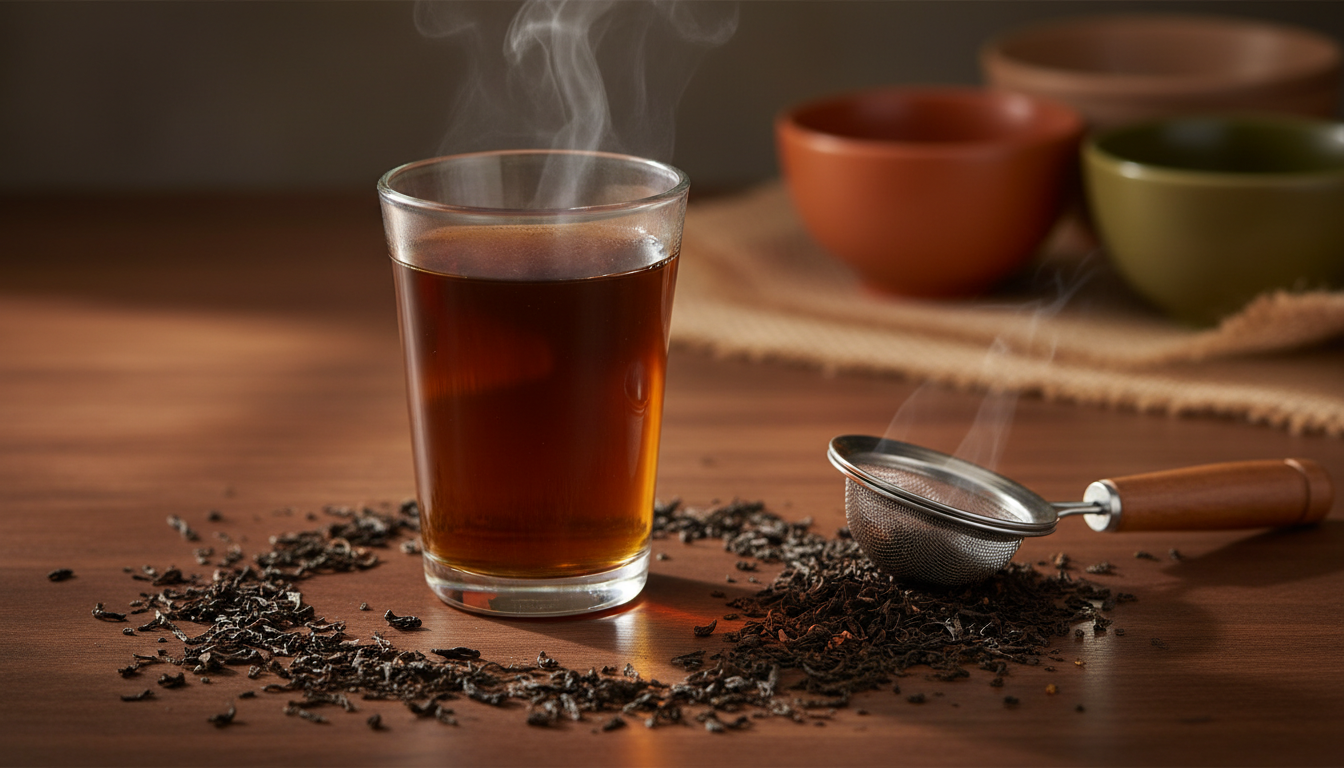

Black Tea: Types, Processing, and How to Brew It
Black tea is fully oxidized Camellia sinensis. Compare Assam, Darjeeling, Keemun, and Ceylon varieties. Learn processing, brewing, and caffeine levels.

How To Grow Black Tea
Learn how to grow black tea at home: soil, climate, and the five processing steps from fresh leaf to a finished cup of black tea.

La sabiduría es el camino hacia un té mejor.
Reciba nuestra guía gratuita de preparación: el agua, la temperatura y el tiempo de infusión adecuados para cada té que vendemos. Además, será el primero en conocer las nuevas cosechas.
Sin spam. Cancele cuando quiera.
Revise su bandeja de entrada.
La guía está en camino.