













How To Make Jin Jun Mei Tea
Jin Jun Mei is one of the most prized black teas in China, and brewing it the same way you would an English Breakfast or an Assam is a waste of good leaf. This tea is built from tiny golden buds, hand-picked in the Wuyi Mountains of Fujian province. It is delicate, complex, and rewards careful preparation with a cup that most people do not expect from a black tea — no bitterness, no astringency, just layered sweetness.
At Valley of Tea, Jin Jun Mei holds a special place. When you open a package, the chocolate aroma hits you before you even put the kettle on — it smells more intensely chocolatey than chocolate itself. We source it from Tongmu village, Wuyi, and what sets it apart from our other Wuyi teas like Da Hong Pao is that it layers that familiar Wuyi minerality with the full richness of a black tea's cocoa character. It is our favourite black tea, and by most accounts, China's too.

This guide covers both gongfu and western brewing methods with exact parameters. If you have good leaf, the method matters.
What Is Jin Jun Mei
Jin Jun Mei (Golden Beautiful Eyebrow) is a premium Chinese black tea — or more accurately, a red tea in Chinese classification. First produced in 2005 in Tongmu Village, deep in the Wuyi Mountains, it is relatively young compared to most famous Chinese teas. What sets it apart is the raw material: only the finest spring buds are used, with no open leaves. It takes roughly 60,000 to 80,000 hand-picked buds to produce a single kilogram of finished tea.
The dry leaves are thin, tightly twisted, and covered in golden fuzz. A high-quality Jin Jun Mei will show a mix of black and gold in the leaf. If the leaves are entirely black with no golden tips, you are likely looking at a lower grade or an imitation. Authentic Wuyi Jin Jun Mei commands a high price for good reason — the labour involved in picking and processing is significant.

The flavour profile is nothing like what most western tea drinkers associate with black tea. Expect honey sweetness, roasted sweet potato, stone fruit, cocoa, and a lingering floral finish. There should be zero bitterness when brewed correctly. The liquor is a clear amber-gold, not the dark reddish-brown of most black teas.
What You Need
Tea: High-quality loose leaf Jin Jun Mei. Look for a mix of golden and dark buds, tightly twisted, with a sweet aroma even before brewing. Avoid anything that looks flat, broken, or uniformly dark.
Water: Filtered or spring water with a neutral mineral content. Hard water dulls the sweetness. Soft, clean water lets the delicate flavour compounds come through. Avoid distilled water — some mineral content is necessary for proper extraction.

A kettle with temperature control: This is more important for Jin Jun Mei than for most teas. You need water at 90 to 95 degrees Celsius, not a full boil. If you do not have a variable temperature kettle, bring water to a boil and let it cool for two to three minutes before pouring.
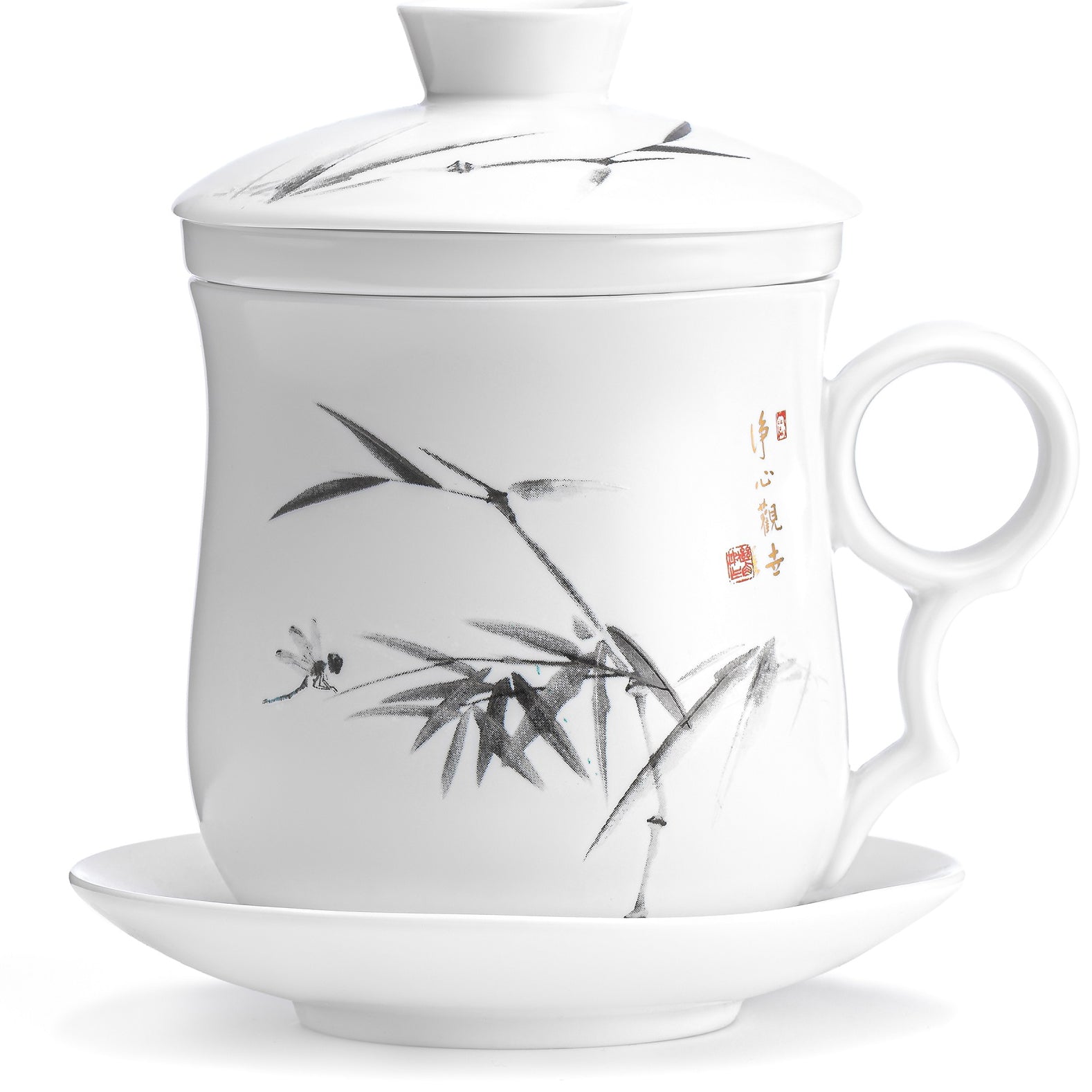
A gaiwan or small teapot: For gongfu brewing, a 100 to 150 ml gaiwan is ideal. Porcelain is the best choice — it does not absorb flavour and shows off the colour of the liquor. A small Yixing clay pot works as well, though dedicated Jin Jun Mei drinkers often prefer porcelain for its neutrality.
A scale: Weighing your tea removes guesswork. The difference between 4 grams and 6 grams in a small gaiwan is significant.

A fairness pitcher and cups: For gongfu brewing, pour into a sharing pitcher first, then into small cups. This ensures even concentration across servings.
Gongfu Method
This is the recommended way to brew Jin Jun Mei. Short steeps at a high leaf-to-water ratio draw out the complexity of the tea across many infusions. You will get eight or more steeps from good leaf, each one slightly different.
Parameters
- Leaf: 5 to 6 grams per 100 ml of water
- Water temperature: 90 to 95 degrees Celsius
- First steep: 10 to 15 seconds
- Subsequent steeps: add 5 seconds per round
- Expected infusions: 8 to 12
Step by Step
- Preheat your gaiwan. Pour hot water into the gaiwan, swirl it around, then pour it out. This stabilises the temperature so the first steep does not lose heat to cold porcelain. Preheat your pitcher and cups the same way.
- Add the tea. Place 5 to 6 grams of Jin Jun Mei into the warmed gaiwan. Put the lid on and give it a gentle shake, then lift the lid and smell the dry leaves — the heat will release the aroma and give you a preview of what is coming.
- Rinse (optional). Some brewers do a quick rinse: pour 90 to 95 degree water over the leaves, then immediately pour it off within two to three seconds. This is not strictly necessary for Jin Jun Mei since the buds are clean and delicate, but it does help open the leaves for the first real steep. If you rinse, do not discard this — it is drinkable and often quite sweet.
- First infusion. Pour water at 90 to 95 degrees Celsius in a slow, steady stream along the edge of the gaiwan, not directly onto the buds. Steep for 10 to 15 seconds. Pour off completely into the fairness pitcher, then into cups.
- Taste and adjust. The first steep should be light, sweet, and aromatic — honey and stone fruit upfront. If it tastes thin, steep the next round for a few seconds longer. If it is already quite strong, pull back.
- Continue steeping. Add roughly 5 seconds to each subsequent infusion. By the fourth or fifth steep, the tea will show its full range — the cocoa and roasted sweet potato notes tend to emerge in the middle infusions. Later steeps become softer and more floral.
- Push the leaf. From the eighth steep onward, you can extend steeping times more aggressively — 30 seconds, 45 seconds, even a full minute. Good Jin Jun Mei will keep producing flavour well past the tenth infusion.
Western Method
If you do not have gongfu equipment or prefer a simpler approach, western brewing works. You will not get the same progression of flavours across multiple steeps, but a single well-made cup of Jin Jun Mei is still excellent.

Parameters
- Leaf: 3 grams per 200 ml of water
- Water temperature: 90 to 95 degrees Celsius
- Steep time: 3 to 4 minutes
Step by Step
- Heat water to 90 to 95 degrees Celsius. Do not use a full, rolling boil. Let boiled water rest for two to three minutes, or use a temperature-controlled kettle.
- Add 3 grams of tea to your teapot or infuser. That is roughly one heaped teaspoon, but weighing is more reliable.
- Pour the water and steep for 3 to 4 minutes. Start at 3 minutes. If the result is too light for your taste, try 3.5 or 4 minutes next time. Do not exceed 4 minutes.
- Remove the leaves. Separate the tea from the water completely. The leaves can be re-steeped — a second western infusion at 4 to 5 minutes will still yield a good cup.
Drink it plain. Jin Jun Mei does not need milk, sugar, or lemon. Adding anything will cover the nuance that makes this tea worth its price.
What to Expect in the Cup
A properly brewed Jin Jun Mei produces a clear, amber-gold liquor with a sweet, inviting aroma. The first thing most people notice is the absence of bitterness. If your cup is bitter or astringent, something went wrong with the brewing — the water was too hot, the steep was too long, or the leaf quality is poor.
The dominant flavour notes are honey, roasted sweet potato, and cocoa, layered with stone fruit and a lingering floral sweetness in the aftertaste. Some productions carry hints of dried longan or lychee. The mouthfeel is smooth and almost syrupy in a good gongfu session, with a sweetness that builds in the throat after swallowing — what Chinese tea drinkers call hui gan, or returning sweetness.

Across gongfu infusions, expect the profile to shift. Early steeps are bright and honeyed. Middle steeps deepen into cocoa and sweet potato territory. Late steeps turn soft, floral, and gently sweet. This arc is one of the pleasures of brewing Jin Jun Mei gongfu-style.
Water Quality Matters

More than most teas, Jin Jun Mei is sensitive to water. The flavour compounds in those tiny golden buds are delicate, and hard water with high mineral content will flatten them. Chlorinated tap water is worse — it introduces off-flavours that compete directly with the tea's natural sweetness.
Use filtered water or a quality spring water. Research confirms that water mineral content directly affects tea flavour extraction — the ideal total dissolved solids (TDS) range is 50 to 150 ppm. If you are serious about tea and brew frequently, a simple TDS meter is a worthwhile investment.

Common Mistakes

Water too hot. This is the most frequent error. Pouring boiling water (100 degrees Celsius) directly onto Jin Jun Mei buds will scorch them, producing a harsh, flat cup with none of the sweetness the tea is known for. Stay at 90 to 95 degrees.
Steeping too long. In gongfu brewing, even an extra 10 seconds on the first few steeps can push the tea toward bitterness. Use a timer. In western brewing, exceeding 4 minutes will over-extract tannins that this tea does not need.
Too little leaf for gongfu. Using 3 grams in a 150 ml gaiwan will produce a thin, underwhelming brew. Gongfu relies on a high leaf-to-water ratio. Use 5 to 6 grams per 100 ml.

Ignoring water quality. Brewing excellent Jin Jun Mei with hard or chlorinated tap water defeats the purpose. If the water does not taste clean on its own, it will not produce a clean cup of tea.
Quick Reference
| Gongfu | Western | |
|---|---|---|
| Leaf | 5-6 g / 100 ml | 3 g / 200 ml |
| Temperature | 90-95 C | 90-95 C |
| First steep | 10-15 sec | 3-4 min |
| Infusions | 8-12 | 1-2 |
| Vessel | Gaiwan or small teapot | Teapot or infuser |
Jin Jun Mei is not an everyday tea for most people — the cost and scarcity make sure of that. But when you have good leaf, brewing it with care is the difference between a remarkable cup and an expensive disappointment. Follow the parameters above, pay attention to your water, and let the tea show you what it can do.
If you want to explore the broader world of Wuyi teas, our guide to Wuyi rock teas covers the terroir that makes all of them exceptional. For other premium Chinese blacks worth knowing, see our overview of Keemun black tea and Lapsang Souchong.
Dejar un comentario
Los comentarios se aprobarán antes de mostrarse.
Ver artículo completo
The Complete Guide to Drinking Tea
What tea is, how the main types differ in the cup, and how to brew each one properly. Water temperature, steeping times, storage and how to get more than one cup from your leaves.
Ver artículo completo

Black Tea: Types, Processing, and How to Brew It
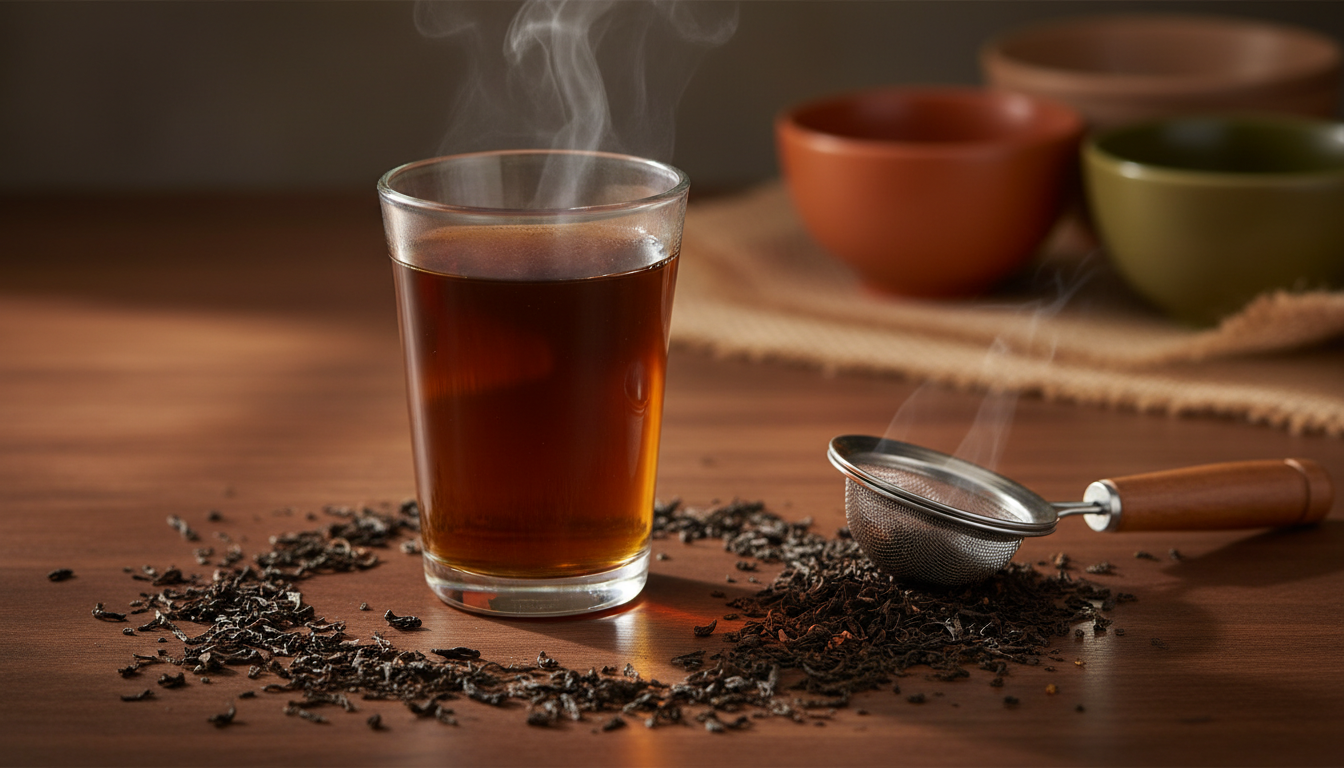
Black tea is fully oxidized Camellia sinensis. Compare Assam, Darjeeling, Keemun, and Ceylon varieties. Learn processing, brewing, and caffeine levels.
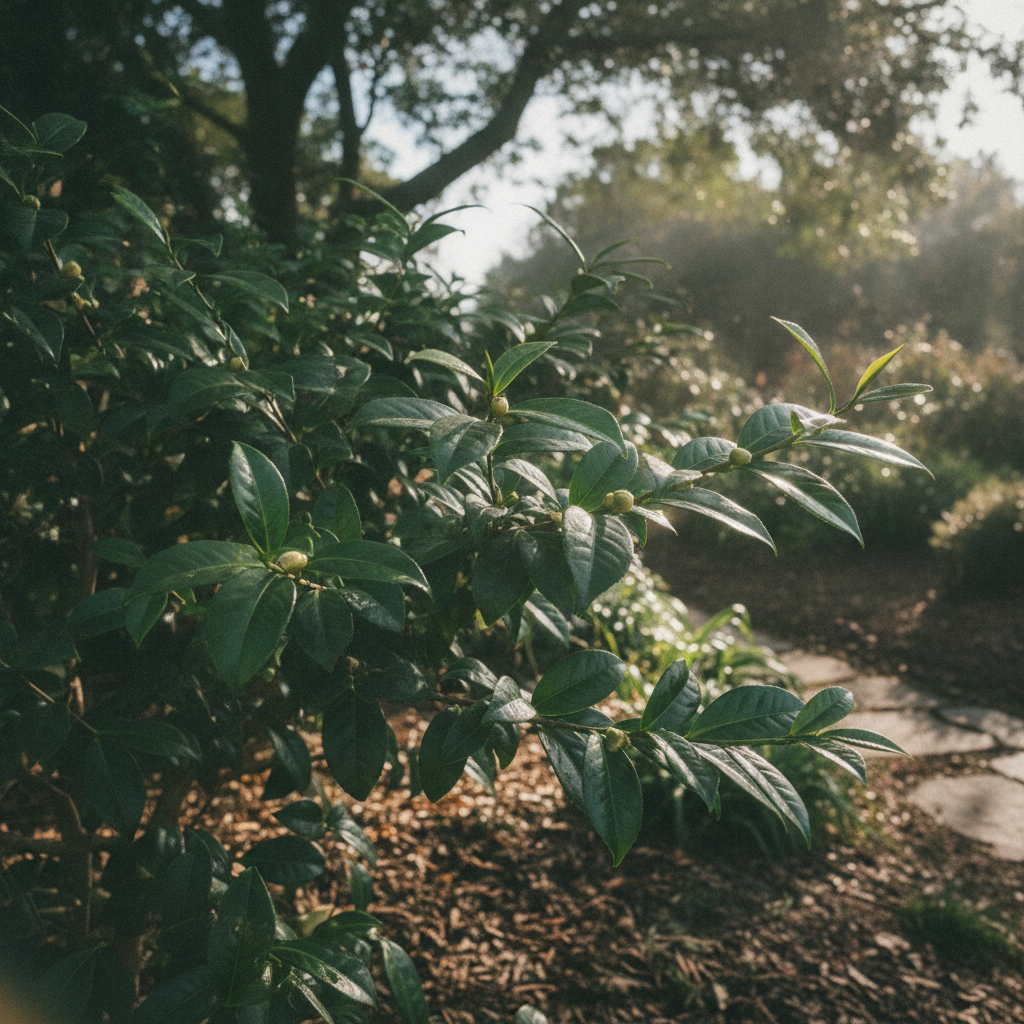

How To Grow Black Tea
Learn how to grow black tea at home: soil, climate, and the five processing steps from fresh leaf to a finished cup of black tea.

La sabiduría es el camino hacia un té mejor.
Reciba nuestra guía gratuita de preparación: el agua, la temperatura y el tiempo de infusión adecuados para cada té que vendemos. Además, será el primero en conocer las nuevas cosechas.
Sin spam. Cancele cuando quiera.
Revise su bandeja de entrada.
La guía está en camino.