












How To Make Raspberry Leaf Tea
Raspberry leaf tea is not what most people expect. It does not taste like raspberries. There is no fruity sweetness, no berry aroma. What you get instead is a mild, earthy, slightly grassy cup that sits closer to green tea or nettle tea than to anything resembling fruit. That distinction matters, and we will cover it in detail later. For now, the point is this: raspberry leaf tea is its own thing, and once you know how to brew it properly, it becomes a genuinely pleasant daily drink.
The most common question we get from customers is whether it is healthy. The short answer: yes, raspberry leaf tea is a healthy herbal drink for most people. The longer answer: if you are pregnant or dealing with a health condition, check with your doctor first. Beyond that, this guide covers the practical side — what you need, how to brew it hot, how to make it iced, what to blend it with, and how to avoid the most common mistake people make when buying it.

What You Need
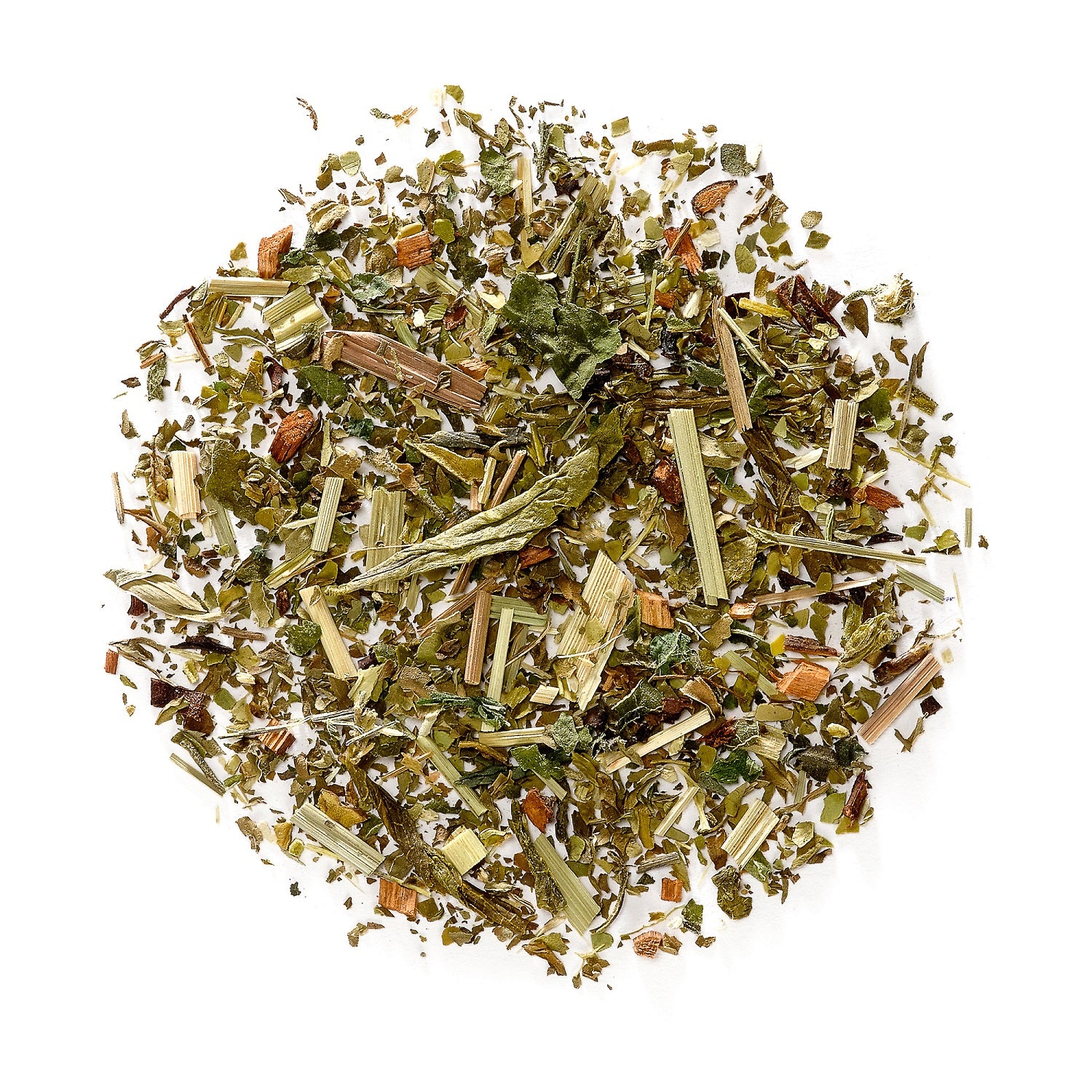
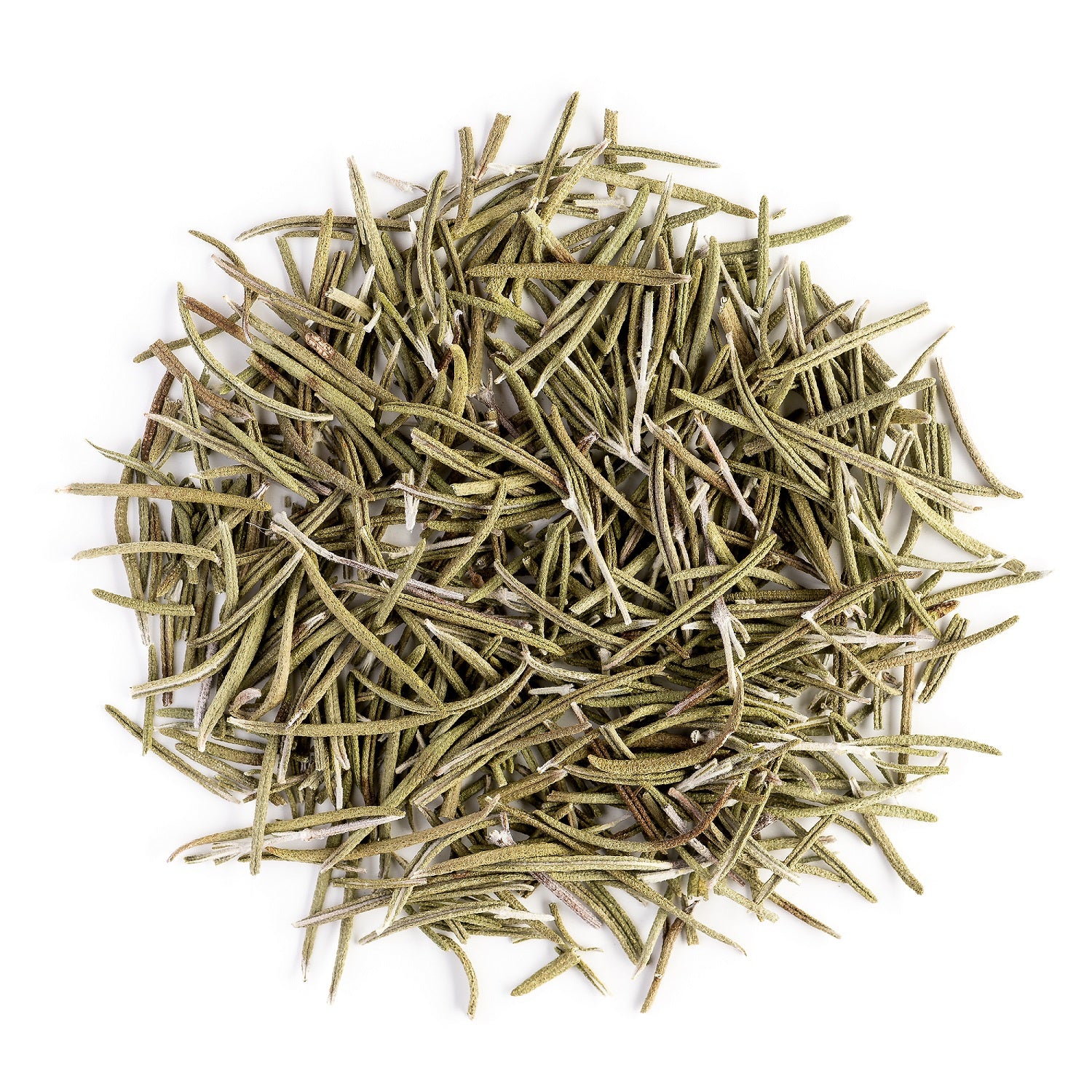
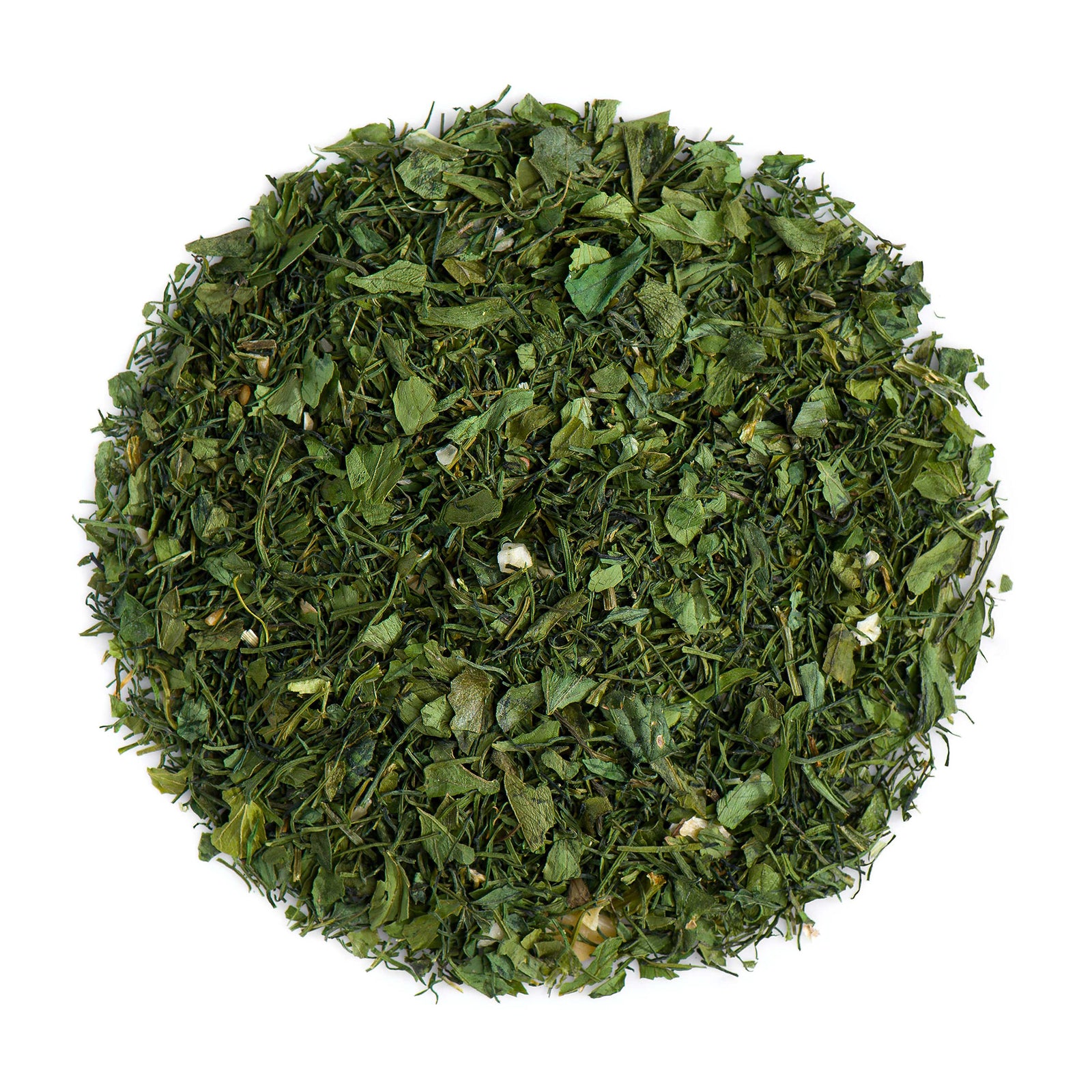
Dried raspberry leaves. Loose leaf is strongly preferred over teabags. Whole or coarsely cut leaves give you better flavor and more control over strength. The leaves should look green to grey-green with a clean, hay-like smell. Avoid anything that looks brown or smells musty — that indicates old or poorly stored stock. If you only have teabags, the brewing method is the same, but you will have less control over the amount.
Water. Freshly drawn, filtered water. Raspberry leaf is not as fussy about water quality as a fine green tea, but hard or heavily chlorinated tap water will dull the subtle flavor.
A kettle. Any kettle works. Raspberry leaf takes full boiling water (100 degrees C / 212 degrees F), so you do not need a temperature-controlled kettle, though having one never hurts.

An infuser or teapot. Use a fine mesh infuser or a teapot with a built-in strainer. Raspberry leaf pieces are small enough to slip through coarse strainers. A French press also works well because its mesh is fine enough to catch the leaf fragments.
A kitchen scale (optional). Measuring by weight is more consistent than by volume. Raspberry leaf is light and fluffy, so volume measurements can vary quite a bit. If you do not have a scale, one tablespoon is roughly 2 grams — use that as your guide.
Basic Hot Brew
This is the standard method. It is simple, and it works every time.

- Boil fresh water to 100 degrees C (212 degrees F). Full rolling boil. Raspberry leaf is a hardy herbal, not a delicate tea — it needs the heat to release its full flavor.
- Measure 2 to 3 grams of dried raspberry leaf per 250 ml (one cup) of water. Start with 2 grams for a lighter cup, use 3 grams for a stronger one. If measuring by volume, that is one to one and a half tablespoons.
- Place the leaves in your infuser or teapot.
- Pour the boiling water directly over the leaves.
- Steep for 5 to 10 minutes. This is where personal preference comes in. At 5 minutes, you get a lighter, more delicate infusion with a mild grassy note. At 10 minutes, the brew becomes deeper, more earthy, and slightly more astringent. Unlike black tea, raspberry leaf does not become unpleasantly bitter with longer steeping, so do not worry about overbrewing. If you are new to it, start at 7 minutes and adjust from there.
- Remove the infuser or strain the leaves.
- Drink plain, or add a small amount of honey if you want a touch of sweetness.
Raspberry leaf tea has a naturally mild, clean taste. Most people drink it without any additions once they get used to it. Give it a try plain before reaching for the honey jar.
Raspberry Leaf Iced Tea
Raspberry leaf makes a surprisingly good iced tea. The earthy, slightly tannic quality becomes crisp and refreshing when cold. There are two methods.
Hot brew, then chill (faster)
- Brew a double-strength concentrate: 5 to 6 grams of raspberry leaf per 250 ml of boiling water (100 degrees C).
- Steep for 8 to 10 minutes. You want it strong because the ice will dilute it.
- Remove the leaves.
- Pour the hot concentrate over a full glass of ice.
- Stir and serve. Add a squeeze of lemon or a few fresh mint leaves for extra freshness.
Cold brew (smoother, slower)
- Add 4 to 5 grams of dried raspberry leaf per 500 ml of cold or room-temperature filtered water in a jar or pitcher.
- Cover and refrigerate for 8 to 12 hours. Overnight is ideal.
- Strain out the leaves.
- Serve over ice.
Cold-brewed raspberry leaf tea is noticeably smoother than the hot-brewed version. The slower extraction pulls out less astringency, giving you a clean, mellow drink. One thing worth knowing from testing this ourselves: the leaf cut matters for cold extraction. Coarser cut leaf needs the full 12 hours; finely cut or broken leaf extracts faster and can go slightly bitter if you leave it overnight.

If your raspberry leaf is on the finer side, check it after 8 hours. This is a good method for anyone who finds the hot version too grassy.
Blending with Peppermint or Hibiscus

Raspberry leaf is a neutral base — it blends well without fighting other flavors. Two of the best combinations are peppermint and hibiscus.
Raspberry leaf and peppermint
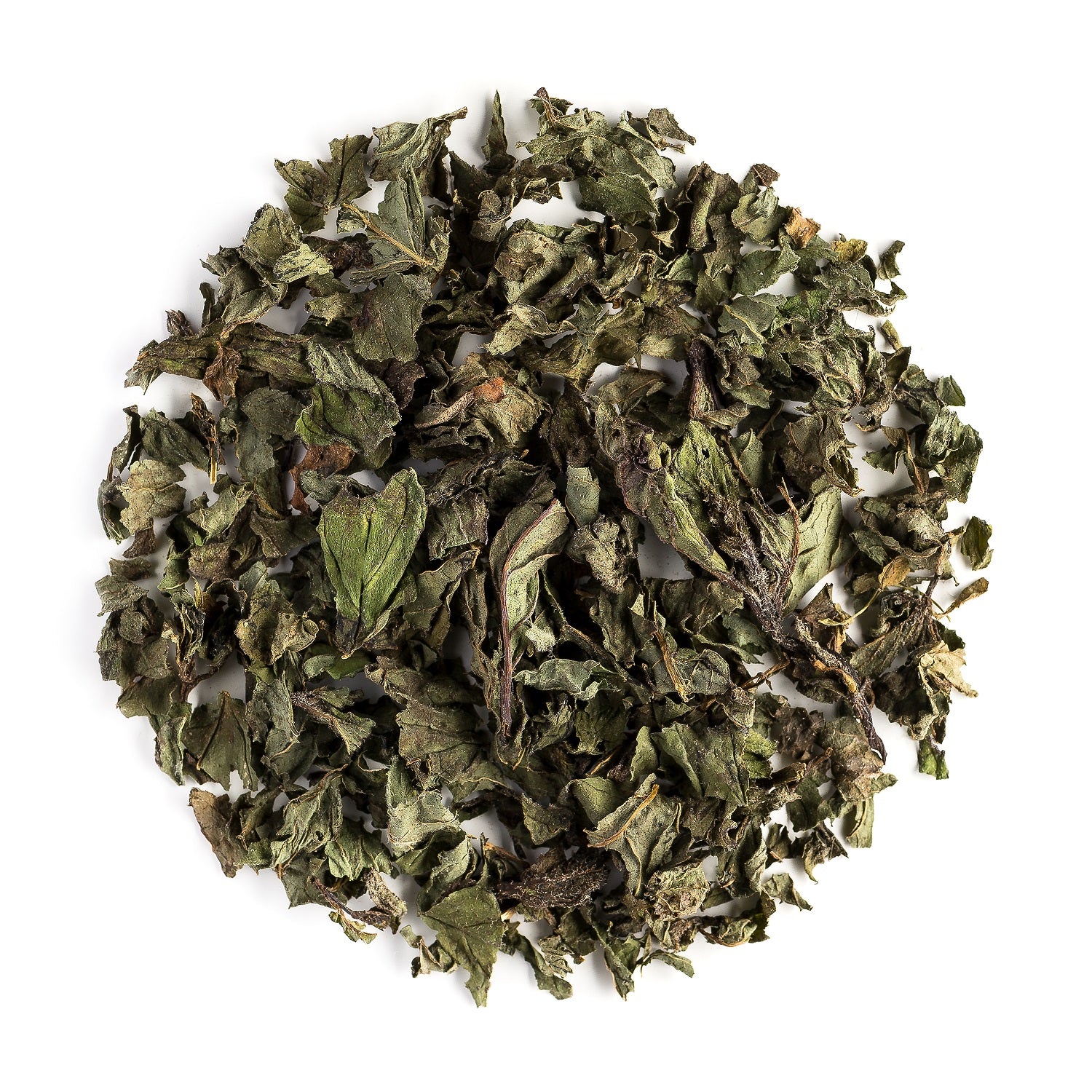
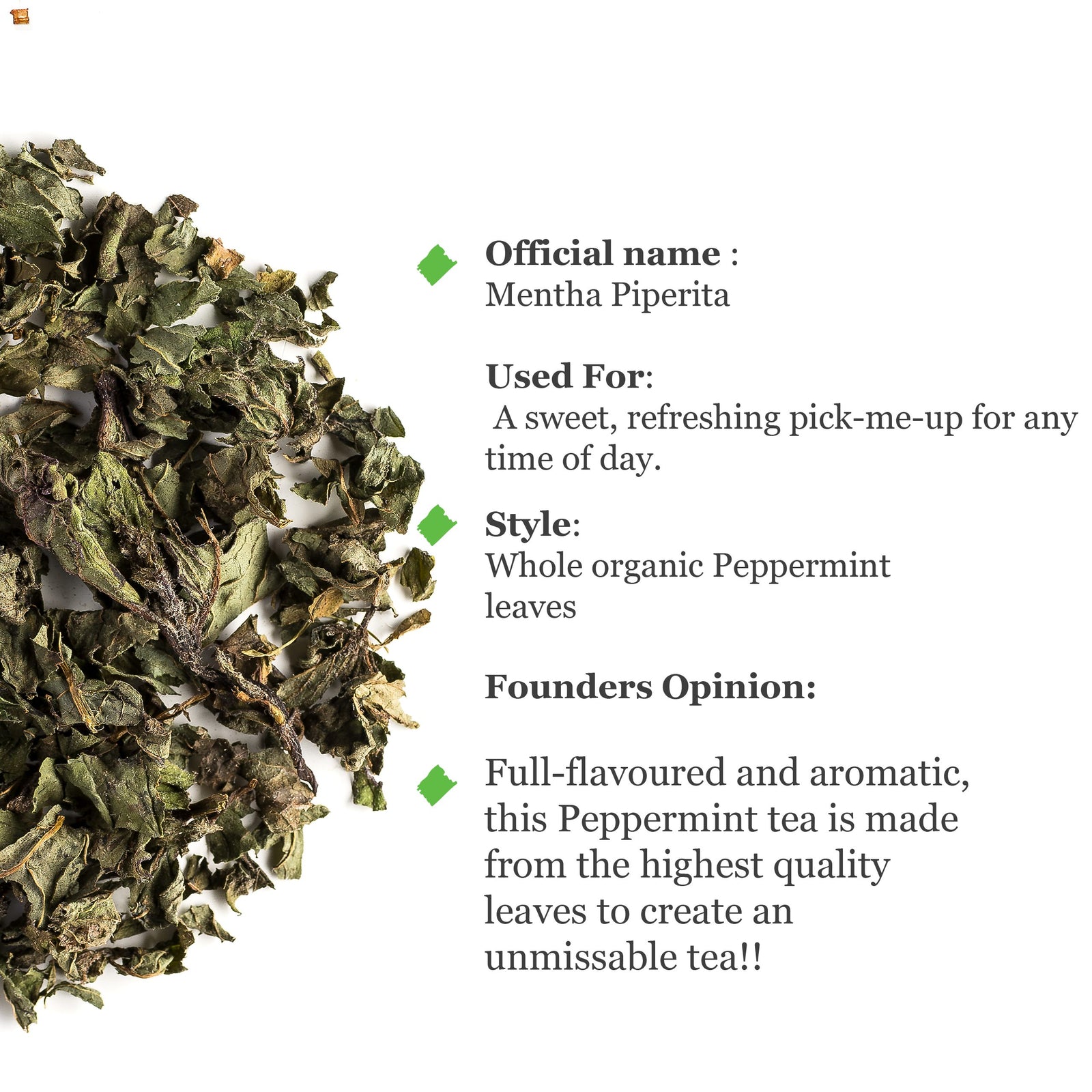
This is the classic pairing. Peppermint adds brightness and a cooling sensation that lifts the earthiness of raspberry leaf. Use a ratio of about 2 parts raspberry leaf to 1 part peppermint. Brew with boiling water for 5 to 7 minutes. The result is a clean, refreshing herbal tea that works hot or iced. This blend is caffeine-free and makes a good evening drink.

Raspberry leaf and hibiscus
Hibiscus brings tartness, a deep red color, and a fruity punch that raspberry leaf completely lacks on its own. Use a ratio of 3 parts raspberry leaf to 1 part hibiscus — hibiscus is potent, so a little goes a long way. Brew at 100 degrees C for 5 to 8 minutes.
The hibiscus transforms the appearance and flavor dramatically: you get a ruby-red cup with a tart, slightly cranberry-like taste layered over the mild raspberry leaf base. This blend is especially good iced with a touch of honey.
Other options
Raspberry leaf also pairs well with lemon balm (calming, citrusy), nettle (mineral-rich, similar earthy profile), and ginger (warming, adds spice). Experiment freely — raspberry leaf is forgiving and rarely clashes with other herbals.

Raspberry Leaf vs Raspberry Fruit Tea

This is the single most important distinction to understand, and it trips up a lot of buyers.
Raspberry leaf tea
Raspberry leaf tea is made from the dried leaves of the raspberry plant (Rubus idaeus). It has a mild, earthy, slightly grassy flavor. It contains no fruit. It does not taste like raspberries. It has a long history of use in European folk herbalism, particularly in relation to women's health. According to a systematic integrative review published in BMC Complementary Medicine and Therapies (2021), raspberry leaf has been used traditionally to support women through pregnancy for centuries, though robust clinical evidence remains limited. If you are pregnant or have a health condition, consult your healthcare provider before use. Raspberry leaf tea is caffeine-free.
Raspberry fruit tea
Raspberry fruit tea is usually a flavored blend — often a base of hibiscus and rosehip mixed with dried raspberry pieces or raspberry flavoring. It tastes sweet, tart, and fruity. It is a completely different product. Many "raspberry tea" products on the market are fruit blends, not leaf teas.

When shopping, read the ingredients list carefully. If you want raspberry leaf tea, the ingredients should say "raspberry leaves" or "Rubus idaeus leaf" and nothing else (or at least list it as the primary ingredient). If the ingredients list hibiscus, rosehip, apple pieces, and "natural raspberry flavor," you are looking at a fruit tea blend, not a leaf tea.
This matters because the flavor, the traditional uses, and the character of the drink are entirely different. Neither is better or worse, but they are not interchangeable. Know which one you are buying.
Common Questions
Does raspberry leaf tea taste like raspberries?
No. It has a mild, earthy, slightly herbal flavor — closer to a light green tea than to any berry. If you want raspberry flavor, you need a raspberry fruit blend.

Can I resteep the leaves?
You can get a second steep from raspberry leaf, but it will be noticeably weaker. Use the same water temperature and add 2 to 3 minutes to the steep time. A third steep is not worth it.
How much raspberry leaf tea can I drink per day?
For general use, 1 to 3 cups per day is a reasonable amount — that is what we suggest to customers. Raspberry leaf tea is healthy for most people. If you are pregnant, nursing, or managing a health condition, check with your doctor before drinking it regularly. The European Medicines Agency's assessment of Rubus idaeus leaf recognizes it as a traditional herbal remedy, mainly for menstrual discomfort, and notes it contains a minimum of 5% tannins.
Does it contain caffeine?
No. Raspberry leaf tea is completely caffeine-free, making it suitable for evening drinking or for anyone avoiding caffeine.
Can I add milk?
You can, but it is not a natural pairing. The flavor of raspberry leaf is too mild to hold up well against milk. If you want a milk-friendly herbal, green rooibos is a better choice — it is smooth, naturally sweet, and holds up well with milk.
Quick Reference
| Method | Leaf Amount | Water Temp | Steep Time | Notes |
|---|---|---|---|---|
| Basic hot brew | 2-3 g per 250 ml | 100 C / 212 F | 5-10 min | Start at 7 min, adjust to taste |
| Strong brew (for iced) | 5-6 g per 250 ml | 100 C / 212 F | 8-10 min | Pour over ice immediately |
| Cold brew | 4-5 g per 500 ml | Cold / room temp | 8-12 hours | Refrigerate, strain, serve |
| Peppermint blend | 2 parts leaf, 1 part mint | 100 C / 212 F | 5-7 min | Good hot or iced |
| Hibiscus blend | 3 parts leaf, 1 part hibiscus | 100 C / 212 F | 5-8 min | Tart, ruby-red, great iced |
That covers everything you need to brew raspberry leaf tea well. Start with the basic hot method, get a feel for the flavor, and then experiment with iced versions and blends. It is one of the most versatile caffeine-free herbals you can keep in your cupboard.
Dejar un comentario
Los comentarios se aprobarán antes de mostrarse.
Ver artículo completo
The Complete Guide to Drinking Tea
What tea is, how the main types differ in the cup, and how to brew each one properly. Water temperature, steeping times, storage and how to get more than one cup from your leaves.
Ver artículo completo

Black Tea: Types, Processing, and How to Brew It
Black tea is fully oxidized Camellia sinensis. Compare Assam, Darjeeling, Keemun, and Ceylon varieties. Learn processing, brewing, and caffeine levels.

How To Grow Black Tea
Learn how to grow black tea at home: soil, climate, and the five processing steps from fresh leaf to a finished cup of black tea.

La sabiduría es el camino hacia un té mejor.
Reciba nuestra guía gratuita de preparación: el agua, la temperatura y el tiempo de infusión adecuados para cada té que vendemos. Además, será el primero en conocer las nuevas cosechas.
Sin spam. Cancele cuando quiera.
Revise su bandeja de entrada.
La guía está en camino.