












Rooibos vs Decaf Black Tea: Taste & Health
If you want a cup of tea before bed without the caffeine, you have two main options: rooibos or decaf black tea. They both end up in a mug and they both skip the stimulant. But that is where the similarities stop.
The difference between rooibos vs decaf black tea comes down to what they are and how they get to be caffeine free. One is a plant that never had caffeine in the first place. The other is regular tea that went through a process to have it removed. That distinction matters for taste, for what ends up in your cup, and for how you feel about drinking it.
What Makes Them Fundamentally Different
Rooibos is not actually tea. It comes from the Aspalathus linearis plant, a shrub that grows only in the Cederberg region of South Africa. It has never contained caffeine. When you drink rooibos, you are drinking something that is naturally free of stimulants without any processing.
Decaf black tea starts as regular Camellia sinensis tea, the same plant that gives you English Breakfast or Earl Grey. It naturally contains caffeine. To make it decaf, manufacturers put the leaves through a decaffeination process. The result still contains trace amounts of caffeine, typically 2 to 5 milligrams per cup.
Where Rooibos Actually Comes From
The Cederberg mountains sit about 200 kilometres north of Cape Town, in the Western Cape of South Africa. The terrain is rocky, the climate is extreme: hot dry summers, cold winters, poor acidic soil. Nothing about it sounds like ideal growing conditions. But those exact conditions are what Aspalathus linearis needs. The plant grows nowhere else on earth in any commercial quantity. Every gram of rooibos you have ever drunk came from this one region.
The local Khoisan people harvested and used rooibos long before commercial cultivation began. Dutch settlers documented it in the 18th century. Commercial farming only took off in the 20th century when a Russian immigrant named Benjamin Ginsberg figured out how to cultivate it reliably and saw the export potential. Today the industry supports hundreds of farming families in the region, and the climate specificity of the plant means that situation is unlikely to change.
Why does it only grow there? The combination of altitude, rainfall pattern, soil acidity, and temperature variation is very difficult to replicate elsewhere. Attempts to grow it in Australia and other regions with similar climates have largely failed. The plant is picky in ways that are not yet fully understood. That geographic restriction is one reason quality rooibos stays relatively consistent. You know where it came from.
Green Rooibos: The Version Most People Have Never Tried
Most rooibos is red. The red colour comes from oxidation. After harvesting, the plant material is bruised, moistened, and left to ferment and oxidize in the open air. This is roughly analogous to what happens when black tea is made from green tea leaves: the oxidation process changes colour, aroma, and flavour significantly.
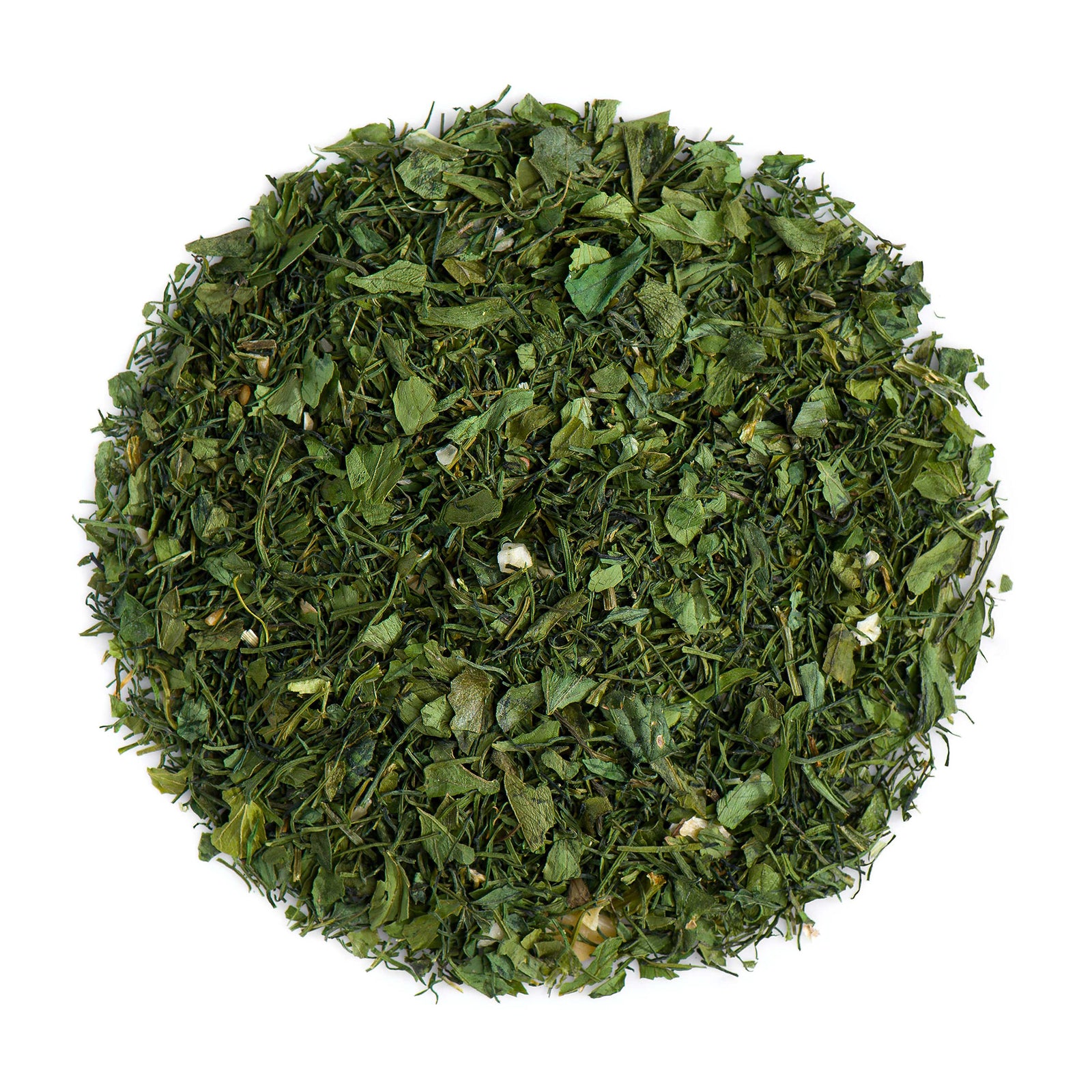
Green rooibos skips that oxidation step. The leaves are dried quickly after harvesting, in the same way green tea is fixed to prevent oxidation. The result is lighter in colour, closer to pale yellow or light gold in the cup. The flavour is also quite different: grassy, lighter, more delicate, with less of the caramel sweetness that most people associate with rooibos.
Green rooibos is more expensive to produce because the quick drying requires more care and the yield is lower. It is also harder to find. If you have only ever had regular oxidized rooibos and found it too sweet or too heavy, green rooibos is worth trying. The two versions of the same plant taste distinct enough that someone who does not enjoy one might genuinely enjoy the other.
For evening drinking, most people gravitate toward the standard oxidized version. The sweetness and warmth suit it. But green rooibos works well as an afternoon drink when you want something lighter without going to caffeine.
How Decaffeination Actually Works and Why the Method Matters
There are three main decaffeination methods used commercially. They are not equivalent, and the differences show up in the cup.
The CO2 method uses supercritical carbon dioxide, meaning CO2 held at high pressure so it behaves somewhere between a gas and a liquid. At this state, CO2 is selective: it pulls caffeine from the tea leaves with reasonable precision while leaving many of the flavour compounds intact. It is the most expensive method, which is why you do not see it as often as you might expect. Teas decaffeinated this way tend to retain more of their original character. If a tea brand is advertising their decaffeination process and leading with CO2, that is generally a good sign.
The methylene chloride method uses a chemical solvent. The leaves are soaked or steamed in contact with methylene chloride, which binds to caffeine molecules. The solvent is then removed, along with most of the caffeine. Regulatory bodies in the EU and US consider the trace residue levels that remain on finished tea to be safe. The process also strips flavour compounds alongside the caffeine, and many people simply prefer not to have solvent residue in their tea regardless of the regulatory threshold. The packaging rarely specifies which method was used, which is itself a signal.
The water process (also called the Swiss Water method, though that trademarked name is more associated with coffee) uses hot water to extract caffeine along with flavour compounds, then runs the water through carbon filters to remove caffeine selectively, and then washes the leaves again with the now caffeine depleted flavour water. It is circular. It avoids chemical solvents and is considered cleaner than methylene chloride, but it still affects flavour more than CO2.
The practical upshot: if you care about flavour in your decaf black tea, look for CO2 decaffeinated. If you cannot find that information on the packaging and the price is at the low end, methylene chloride is likely. With rooibos, none of this applies. Nothing was removed. Nothing was added.
Flavor in Depth: What Each Actually Tastes Like
Rooibos has a flavour that is hard to place if you are coming from tea. The sweetness is there without any sugar, a natural quality that comes from the plant itself. Under that sweetness you get earthy, woody notes, sometimes a hint of vanilla, occasionally something almost like dried fruit. The body is medium, neither thin nor heavy. The finish is clean and fades gently.
What is absent is as notable as what is present. No bitterness. No sharp edges. The cup does not get harsher as it cools, which is unusual. At room temperature rooibos still tastes balanced. This is partly why it works so well as an iced tea base.
Green rooibos, as mentioned, reads differently: lighter, grassier, with a subtle vegetal quality and less sweetness. If oxidized rooibos is amber and warm, green rooibos is closer to pale gold and fresh.
Decaf black tea, at its best, tastes like a slightly quieter version of the original. A good Assam decaf still has malt, body, and some depth. A Ceylon decaf can still have brightness. But the decaffeination process reduces the intensity across the board. The cup is thinner. The finish is shorter. There is often a flatness that is not unpleasant but is noticeable if you are used to the full version.
The main thing decaf black tea retains is the fundamental character of black tea: that roasted, tannin present quality. If that is what you are after in the evening, decaf black tea delivers it in a reduced form. Rooibos does not deliver that quality at all. They are not interchangeable on flavour.
Brewing: Where Rooibos Has a Real Practical Advantage
Rooibos is nearly impossible to overbrew. You can leave it in the pot for twenty minutes and pull out a cup that is deeper in colour and more concentrated in flavour, but not harsh. This is because rooibos does not contain the tannins that cause bitterness in overbrewed tea. The forgiving nature of rooibos makes it genuinely easy to prepare, especially if you tend to forget your mug on the desk for too long.
Standard brewing parameters for rooibos: 95 to 100 degrees Celsius, 5 to 7 minutes as a starting point, though longer is fine. Use around 2 grams per 200ml. The leaf material is lighter and bulkier than tea, so volume based measuring (a heaped teaspoon) works fine.
Decaf black tea still requires attention. The decaffeination process removes caffeine but does not remove tannins. An overbrewed decaf black tea will go bitter. The margin for error is the same as regular black tea: 3 to 5 minutes at 95 degrees Celsius, then remove the leaves. If you habitually forget, you will get a harsh cup. That bitterness is one reason some people find decaf black tea less satisfying. The full strength version would mask it better; the decaf version at the same steep time tastes more of the bitter tannins because there is less flavour to balance them.
Evening Drinking, Pregnancy, and Mixing With Herbs
For evening drinking, rooibos has a consistent track record over a long time. Historically, mothers in the Cederberg region used rooibos for infants and for themselves during pregnancy and nursing. That traditional use has been studied but not conclusively resolved in either direction. What is reasonable to say is that rooibos has been consumed by pregnant women for generations in South Africa without documented concern. Decaf black tea still contains small amounts of caffeine, which some people prefer to avoid entirely during pregnancy. That small difference - 2 to 5mg per cup versus zero - matters to some people and not others.
Both options suit evening drinking for adults who want to wind down without a stimulant. Neither will disturb sleep the way a regular cup of black tea might.
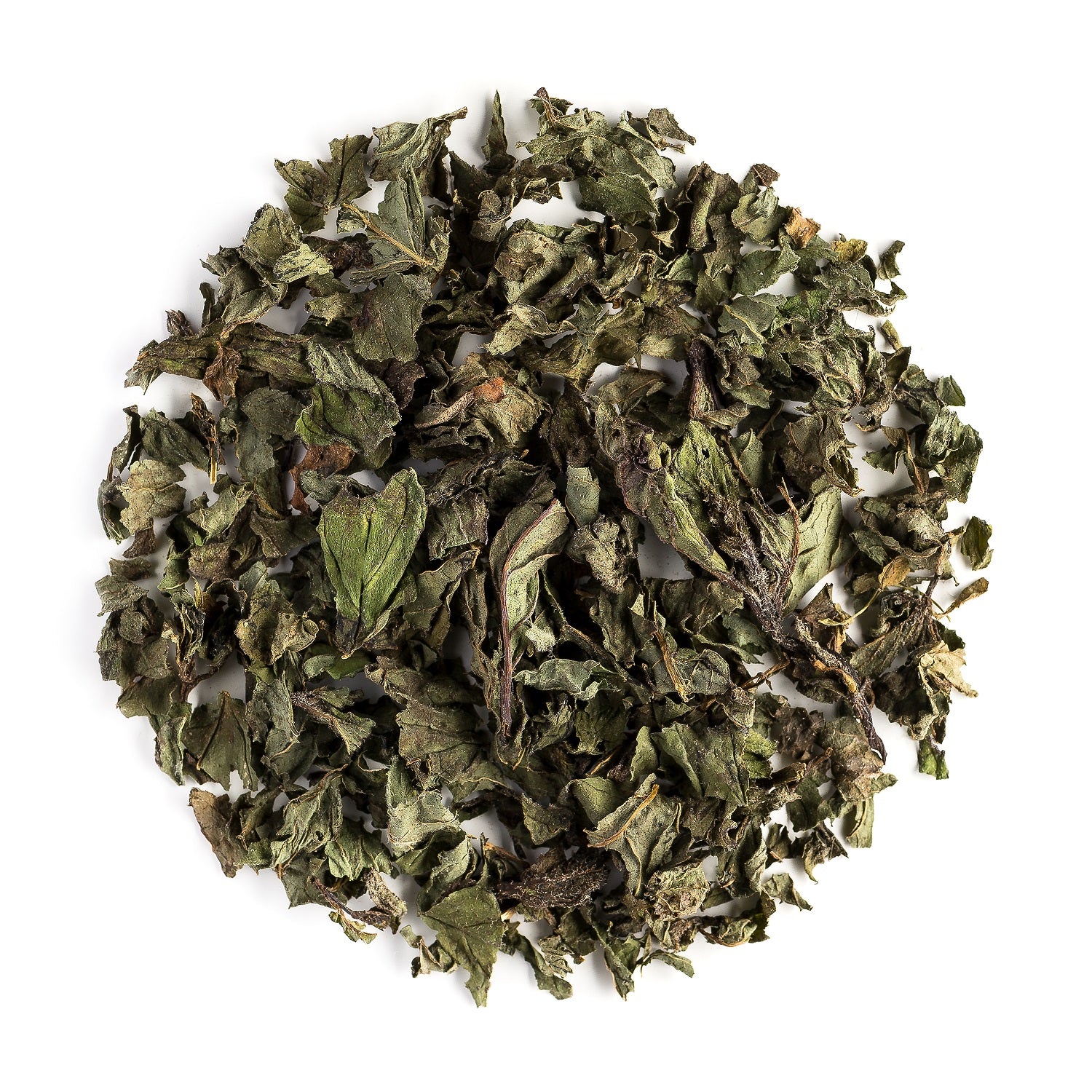
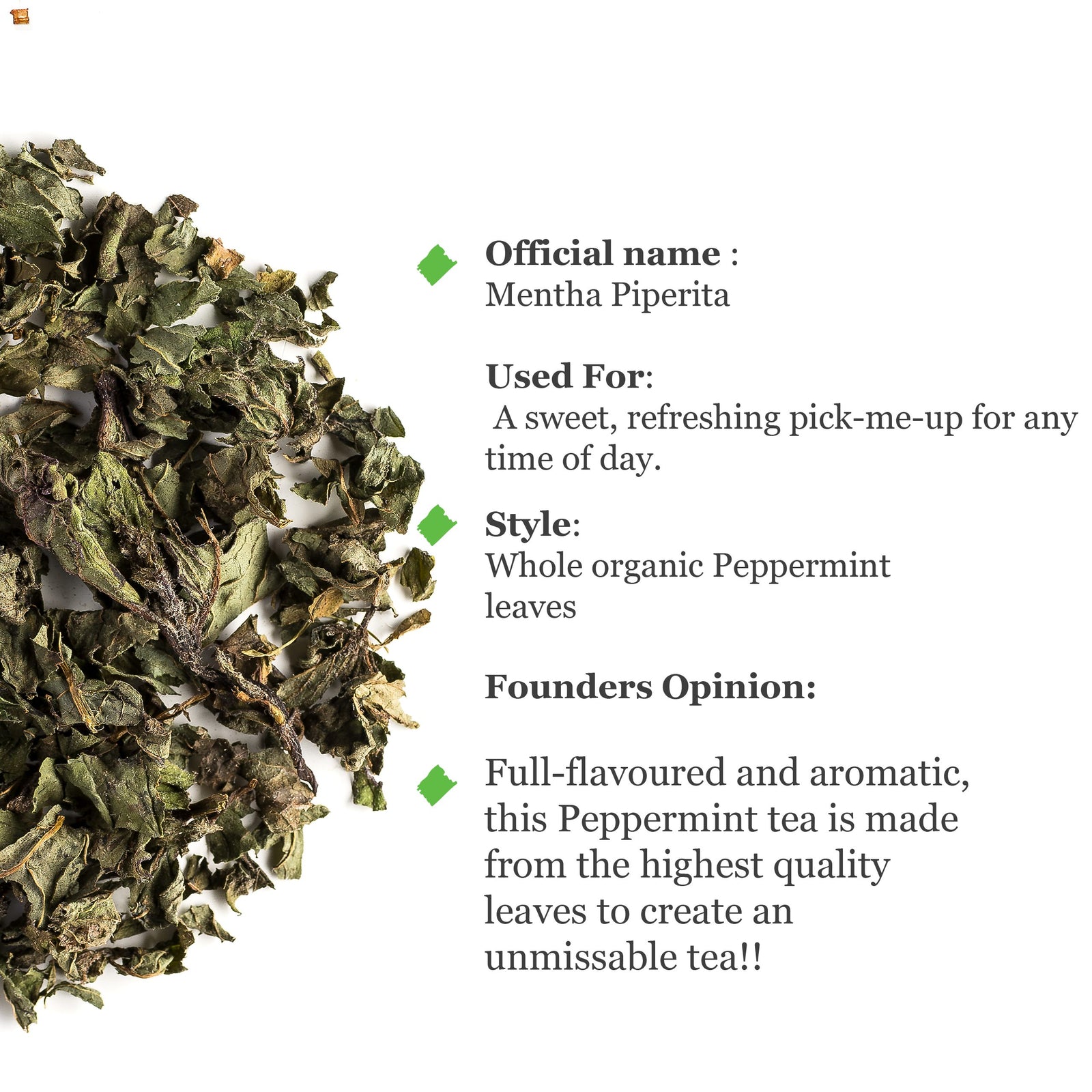
Mixing with herbs is where rooibos stands out further. It blends well with almost everything because its flavour is complementary rather than dominant. Chamomile and rooibos work particularly well together for an evening cup. Chamomile brings the floral softness; rooibos adds warmth and body. Peppermint and rooibos is another solid combination. Ginger works well too, adding some heat to the natural sweetness of the rooibos.
Decaf black tea also blends with herbs, but the tea character tends to compete rather than complement. Chamomile and decaf black together can taste muddy. The tannins in the black tea interfere with the delicate floral notes. It is not undrinkable, but it is not as coherent a blend as rooibos based combinations.
Quality Markers: What to Look For in Each
For rooibos, the main quality indicator is the needle length and uniformity of the dried plant material. Well processed rooibos has longer, intact needles and a consistent red brown colour. Finely chopped or dusty rooibos suggests it has been through heavy mechanical processing, often for tea bags. The grade matters less than it does in tea, but whole leaf or long cut rooibos generally gives you a better brew. Smell the dry leaf if you can: it should have that warm, slightly sweet, earthy character. If it smells flat or vaguely chemical, that is a sign of age or poor storage.
For decaf black tea, quality starts with the underlying tea before decaffeination. A poorly sourced black tea decaffeinated via CO2 is still a poorly sourced tea. Look for the same things you would in a regular black tea: origin transparency, leaf grade, and a producer who names the decaffeination method. Whole leaf decaf is better than broken grade or fannings because the caffeine extraction process affects surface area. More surface area means more flavour loss along with the caffeine. If the decaf black tea you are using has no information about origin or method and costs very little, the raw material and the process are likely at the low end.
When to Choose Which
Choose decaf black tea when you want something that tastes like the tea you already know. It works well with milk when the base tea has enough body to support it. It fits into a routine where black tea is the norm and you just need to cut the caffeine for an evening cup. If you are someone who finds herbal teas too unusual and wants to stay in familiar territory, decaf black tea keeps you there.
Choose rooibos when you want zero caffeine, not a reduced amount. It is also the better option if you want to avoid chemically processed leaves, if you are blending with herbs, or if you simply want to try something that stands on its own rather than being a lesser version of something else. Our Rooibos is a good starting point if you have not tried it before.
Can You Blend Them
Yes. Blending rooibos with decaf black tea gives you a cup that has the body and familiarity of black tea with the sweetness and smoothness of rooibos. Use roughly equal parts and steep for four to five minutes. The rooibos will not go bitter if you leave it slightly longer; the decaf black tea provides the structural backbone.
You can also blend our Rooibos with herbs like chamomile or peppermint for a completely caffeine free evening blend.
The choice between rooibos vs decaf black tea depends on what you value most. Decaf black tea gives you a familiar flavour with most of the caffeine removed, along with the trade offs that come from a processing step. Rooibos gives you something different entirely: a naturally caffeine free drink with its own taste, no processing required, and nothing to question about how it was made. Both have their place. But they are not the same thing, and knowing the difference helps you choose the right one for the cup you actually want.
Related Articles
Dejar un comentario
Los comentarios se aprobarán antes de mostrarse.
Ver artículo completo
The Complete Guide to Drinking Tea
What tea is, how the main types differ in the cup, and how to brew each one properly. Water temperature, steeping times, storage and how to get more than one cup from your leaves.
Ver artículo completo

Black Tea: Types, Processing, and How to Brew It
Black tea is fully oxidized Camellia sinensis. Compare Assam, Darjeeling, Keemun, and Ceylon varieties. Learn processing, brewing, and caffeine levels.

How To Grow Black Tea
Learn how to grow black tea at home: soil, climate, and the five processing steps from fresh leaf to a finished cup of black tea.

La sabiduría es el camino hacia un té mejor.
Reciba nuestra guía gratuita de preparación: el agua, la temperatura y el tiempo de infusión adecuados para cada té que vendemos. Además, será el primero en conocer las nuevas cosechas.
Sin spam. Cancele cuando quiera.
Revise su bandeja de entrada.
La guía está en camino.