













Tea for Energy and Focus: How It Works
Tea has been used as a stimulant for thousands of years, long before anyone understood the biochemistry behind it. Today, the science is clear: tea contains caffeine and L-theanine, two compounds that work together to produce a form of energy that differs meaningfully from coffee. This is not about making health claims. It is about understanding what is in your cup, how those compounds behave in the body, and which teas deliver the most of them. If you want tea for energy, the differences between tea types matter more than most people realize.
At Valley of Tea, we have been sourcing and tasting teas for over fifteen years. L-theanine interacts with caffeine and slows its absorption, which is why tea produces a steady boost in mental awareness rather than the sharp rise and drop you get from coffee. L-theanine also causes the body to relax and become calmer at the same time. You can sit with a pot of quality tea for hours, feeling alert and focused, without ever getting jittery. That is the practical difference, and it is the reason this guide exists.

How Tea Provides Energy: Caffeine and L-Theanine
Tea delivers energy primarily through caffeine, the same stimulant found in coffee. Caffeine works by blocking adenosine receptors in the brain — adenosine is the compound that accumulates throughout the day and makes you feel sleepy. When caffeine occupies those receptors, adenosine cannot bind, and the result is increased alertness and reduced perception of fatigue.
But tea does something coffee does not. It delivers caffeine alongside L-theanine, an amino acid found almost exclusively in the tea plant (Camellia sinensis). L-theanine crosses the blood-brain barrier and promotes alpha brain wave activity — the brain state associated with calm, focused attention rather than anxious alertness.
Research published in Nutritional Neuroscience found that the combination of L-theanine and caffeine improved accuracy during task-switching, increased self-reported alertness, and reduced tiredness compared to placebo. A systematic review in Cureus (PMC) confirmed that the degree of attentional improvement from the L-theanine-caffeine combination is greater than from either compound alone, suggesting a genuinely synergistic effect. The combination appears to suppress mind wandering and improve selective attention by reducing activation in brain regions associated with distraction, including the default mode network.
In practice, tea produces energy that builds gradually, sustains for several hours, and fades without a sharp crash. The jitteriness and anxiety that some people experience with coffee — effects of caffeine without a moderating compound — are typically absent or reduced with tea.
The ratio matters. Research suggests the synergistic effects are strongest when L-theanine and caffeine are consumed at roughly a 1:1 to 2:1 ratio (theanine to caffeine). Shade-grown teas like matcha and gyokuro naturally approach this ratio because shade-growing increases L-theanine concentration in the leaves.
Caffeine Content by Tea Type
Not all teas contain the same amount of caffeine. The variation is significant, and it depends on the tea plant variety, the part of the plant harvested, how the leaves are processed, and how the tea is brewed. A study measuring theanine and caffeine across commercial teas (PMC) confirmed that brewing method and cultivar have a larger effect on cup caffeine than tea type alone.

Here is a general ranking of caffeine content per standard serving, from highest to lowest:
Matcha (powdered green tea): 50-70 mg per 2g serving. Because you consume the entire ground leaf rather than an infusion, matcha delivers all of the caffeine present in the leaf. This makes it the highest-caffeine option among common teas.
Yerba mate: approximately 80 mg per 8 oz cup. Technically not from Camellia sinensis but from Ilex paraguariensis, yerba mate is a traditional South American stimulant with caffeine content comparable to or exceeding black tea.
Black tea (Assam, English Breakfast, Earl Grey): 40-70 mg per 8 oz cup. Broken-leaf black teas and tea bags release caffeine faster and more completely than whole-leaf versions. Assam-origin teas from the Camellia sinensis var. assamica plant tend to sit at the higher end.
Gyokuro (shade-grown Japanese green tea): 50-70 mg per serving when brewed traditionally. Shade-growing for 20+ days before harvest increases caffeine concentration significantly.
Pu-erh tea: 30-45 mg per 8 oz cup. Our shou pu-erh is aged and fermented, which rounds out the caffeine delivery compared to brisk black tea. The infusion is deep red with a hearty sweet aroma — fragrant woods and mild earthiness. Brewed gongfu style, the caffeine adds up gradually across short infusions rather than hitting you at once. It is a gentler, more grounding experience than Assam, and a real daily drinker.

Oolong tea: 30-50 mg per 8 oz cup. The wide range reflects the broad oxidation spectrum of oolongs — lighter oolongs tend toward the lower end, darker oolongs toward the higher.
Sencha (standard Japanese green tea): 20-45 mg per 8 oz cup. Sun-grown sencha has less caffeine than shade-grown varieties but still delivers a meaningful amount.
White tea: 15-30 mg per 8 oz cup. Despite the common claim that white tea is "low caffeine," teas made primarily from buds (like Silver Needle) can contain as much caffeine per gram of dry leaf as black tea. The lower cup content is largely because white tea is brewed at lower temperatures, which extracts less caffeine.
Herbal teas (rooibos, chamomile, peppermint): 0 mg. These are not technically tea — they contain no Camellia sinensis and therefore no caffeine or L-theanine. They are not useful for energy.
Best Teas for Morning Energy
When you need to start the day alert and focused, you want high caffeine delivery combined with L-theanine for smooth onset.
Matcha is the strongest option. A standard 2-gram serving delivers 50-70 mg of caffeine alongside 20-30 mg of L-theanine, and because the whole leaf is consumed, nothing is left behind. The energy onset is gradual — in our experience, customers consistently report four to six hours of sustained alertness without the spike-and-crash pattern. The shade-growing process that defines matcha production concentrates both caffeine and L-theanine, making the ratio between these compounds particularly favorable.

Black tea is the conventional morning choice worldwide for good reason. A strong cup of our Artisan Assam delivers 50-70 mg of caffeine with a robust, malty flavor that pairs well with or without milk. The caffeine hits slightly faster than matcha because black tea is brewed at full boiling temperature, which accelerates extraction. L-theanine content is lower than in shade-grown greens, so the energy profile is somewhat more immediate and less sustained.
Yerba mate occupies a different position. With roughly 80 mg of caffeine per cup plus its own set of polyphenols and saponins, yerba mate delivers strong stimulation. It contains some theobromine (also found in chocolate), which provides a mild stimulant effect distinct from caffeine. Traditional preparation involves steeping the dried leaves repeatedly, with each infusion delivering a slightly different balance of compounds.
Best Teas for Sustained Focus
If your goal is not just alertness but the ability to concentrate deeply for extended periods — writing, studying, analytical work — the L-theanine content becomes as important as the caffeine.
Gyokuro is the standout here. The plants are covered 2 to 4 weeks before picking, receiving only 10 to 20% of their usual sunshine. This forces the plant to concentrate nutrients, minerals, and aromatics — and crucially, to hold on to L-theanine that would otherwise be converted to catechins by sunlight. The result is a tea rich in theanine, and when you taste it next to sencha, the difference in calm focus is noticeable. Our Premium Gyokuro is shade-grown in Japan's Uji region, where the growing conditions maximize this effect.
Where sencha gives you clean alertness, gyokuro gives you something more settled — a great umami character, green sweetness, and a very pleasing aftertaste. Brewed at lower temperatures (50-60°C) with longer steep times, it extracts L-theanine efficiently while keeping bitterness in check.
Sencha is the everyday alternative. Standard Japanese sencha is sun-grown, so its L-theanine levels are lower than gyokuro, but it still delivers a solid combination of caffeine and L-theanine at a lower price point. First-harvest sencha (shincha or ichibancha) contains more L-theanine than later harvests because the amino acid accumulates in the leaves over winter and is partially converted to catechins by sunlight exposure after the first flush.

For sustained focus, brewing method matters. Lower water temperatures (70-80°C for sencha, 50-60°C for gyokuro) extract more L-theanine relative to catechins and caffeine, shifting the balance toward calm concentration rather than raw stimulation.
Best Teas for an Afternoon Lift
The afternoon presents a different challenge. You need enough energy to stay productive, but too much caffeine late in the day interferes with sleep. Caffeine has a half-life of approximately five to six hours, so a 3 PM cup with 60 mg of caffeine still leaves roughly 30 mg active in your system at 8-9 PM.
Oolong tea is well-suited for the afternoon. With 30-50 mg of caffeine per cup, it delivers a moderate lift without overwhelming the system. Our Tie Guan Yin sits at the lower end of this range and offers a floral, smooth energy that is appropriate for mid-afternoon. The partial oxidation of oolong creates a complex flavor profile that many drinkers find more interesting than a straightforward green or black tea — and the moderate caffeine means less risk of disrupting sleep.
Green tea in the 20-45 mg range is the other strong afternoon option. A light sencha or our Gunpowder Green Tea provides enough caffeine to clear the post-lunch fog while keeping the total low enough that the caffeine will be largely metabolized by evening. If you are sensitive to caffeine, brewing green tea at a lower temperature (70°C instead of 80°C) and for a shorter time (60-90 seconds) further reduces the caffeine in the cup while preserving L-theanine and flavor.
The key principle for afternoon tea: moderate caffeine, sufficient L-theanine, and awareness of your own caffeine sensitivity and bedtime.
Tea vs Coffee: Energy Compared
A direct comparison clarifies the differences:

Caffeine per serving: Brewed coffee delivers 80-140 mg per 8 oz cup. Most teas deliver 20-70 mg. Matcha and yerba mate overlap with the lower end of the coffee range, but standard green and oolong teas deliver roughly half to one-third the caffeine of coffee.
L-theanine: Coffee contains none. Tea contains 10-30 mg per cup depending on type, with shade-grown teas (matcha, gyokuro) at the high end. This is the fundamental difference in how the energy feels.
Onset and duration: Coffee caffeine is absorbed rapidly, peaking in blood concentration within 30-45 minutes. The experience is a sharp rise in alertness followed by a decline over two to four hours, often with a perceptible "crash." Tea caffeine, moderated by L-theanine, produces a gentler rise, a longer plateau, and a softer decline. In our experience, three to six hours of usable energy from a single cup is a consistent pattern.
Side effects: Caffeine alone (as in coffee) can produce anxiety, restlessness, increased heart rate, and digestive discomfort in sensitive individuals. Research has found that co-ingesting L-theanine with caffeine reduces anxiety and side effects compared to caffeine alone (PubMed), while preserving or enhancing the cognitive benefits. Tea is also less acidic than coffee (pH closer to neutral versus coffee's 4.5-5.5), which means less gastric irritation.
Reinfusion: Most quality loose-leaf teas can be steeped multiple times, with each infusion delivering a decreasing amount of caffeine. This allows you to extend the energy over a longer period with gentler dosing. Coffee grounds are typically used once.
Neither beverage is inherently superior. Coffee delivers more caffeine per cup and hits harder. Tea delivers caffeine with a built-in modulating compound and a smoother energy curve. The right choice depends on what you need: acute stimulation or sustained focus.

Brewing for Maximum Caffeine Extraction
How you brew your tea changes how much caffeine ends up in your cup. The variables are water temperature, steep time, leaf quantity, and leaf form.
Water temperature is the single biggest factor. Caffeine extraction increases dramatically with temperature. Research shows that brewing at 100°C extracts nearly double the caffeine of brewing at 80°C from the same tea. At 80°C, a green tea might yield 35 mg per cup; at 100°C, the same tea yields approximately 65 mg. If maximum caffeine is your goal, use the hottest water appropriate for your tea type.
Steep time matters but shows diminishing returns. Most of the available caffeine is extracted within the first three to five minutes at high temperatures. Extending the steep to 10 minutes adds a small additional amount but also extracts more tannins, which can make the tea bitter and astringent. For practical purposes, three to five minutes at the right temperature extracts the majority of the caffeine.
Leaf form affects extraction speed. Broken-leaf tea and tea bags release caffeine faster than whole-leaf tea because of the increased surface area. Matcha, as a powder, delivers all caffeine by default because you consume the leaf itself. Loose-leaf tea brewed in a teapot or gaiwan extracts less caffeine per infusion but can be steeped multiple times.
Leaf quantity is straightforward: more leaf means more caffeine. Standard Western brewing uses 2-3 grams per 8 oz cup. Gongfu-style brewing uses 5-8 grams per small vessel but with very short steep times (10-30 seconds), yielding concentrated but smaller servings.
Practical brewing guidelines for energy:
- For maximum caffeine: use 3g of tea per 8 oz, water at 90-100°C, steep 3-5 minutes
- For balanced energy and focus: use 2-3g, water at 70-80°C (green tea) or 90-100°C (black/oolong), steep 2-3 minutes
- For afternoon moderation: use 2g, lower temperature, steep 60-90 seconds
- For matcha: whisk 2g of powder into 70 ml of 80°C water — all caffeine and L-theanine are consumed
Given enough time, any temperature will eventually extract most of the caffeine from tea leaves. But flavor suffers with over-extraction. The goal is to find the balance between caffeine delivery, L-theanine extraction, and a cup that actually tastes good. Bitter, over-steeped tea is not a sustainable energy strategy.
Choosing the Right Tea for Your Energy Needs
The best tea for energy depends on when you are drinking it, what kind of work you are doing, and how you respond to caffeine individually.
Start with matcha or strong black tea in the morning if you need a decisive start. Move to our Premium Gyokuro or first-harvest sencha for deep work sessions where calm focus matters more than raw alertness. Use oolong or light green tea in the afternoon when you need a lift without compromising your sleep.
Pay attention to brewing parameters. The same tea brewed differently can deliver meaningfully different amounts of caffeine and L-theanine. Experiment with temperature, steep time, and leaf quantity to find what works for your body and your schedule.
Tea is not a miracle energy drink. It is a well-understood beverage with specific compounds that affect alertness and focus in ways that have been measured, replicated, and published in peer-reviewed research. The caffeine wakes you up. The L-theanine keeps you steady. The combination, unique to tea, is why millions of people worldwide reach for it every morning — and why the tradition has persisted for millennia.
Dejar un comentario
Los comentarios se aprobarán antes de mostrarse.
Ver artículo completo
The Complete Guide to Drinking Tea
What tea is, how the main types differ in the cup, and how to brew each one properly. Water temperature, steeping times, storage and how to get more than one cup from your leaves.
Ver artículo completo
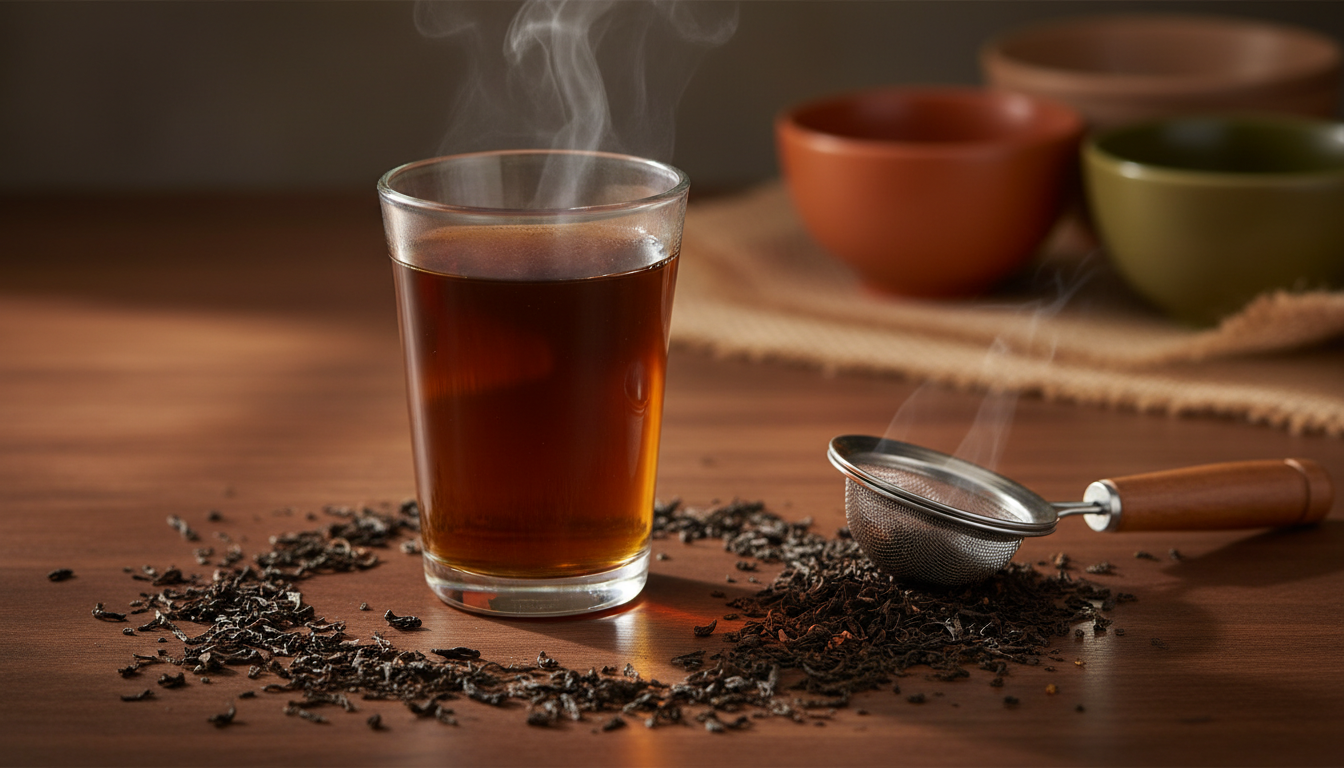

Black Tea: Types, Processing, and How to Brew It
Black tea is fully oxidized Camellia sinensis. Compare Assam, Darjeeling, Keemun, and Ceylon varieties. Learn processing, brewing, and caffeine levels.

How To Grow Black Tea
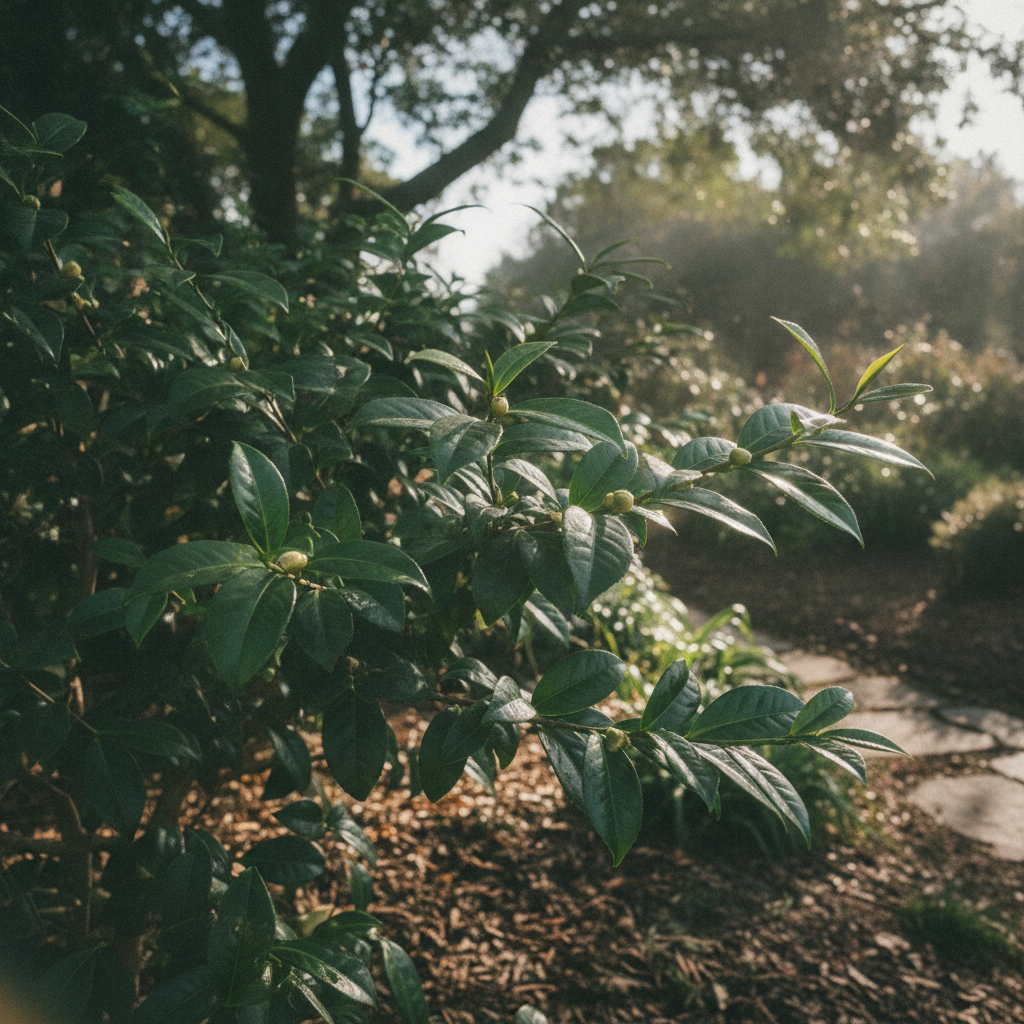
Learn how to grow black tea at home: soil, climate, and the five processing steps from fresh leaf to a finished cup of black tea.

La sabiduría es el camino hacia un té mejor.
Reciba nuestra guía gratuita de preparación: el agua, la temperatura y el tiempo de infusión adecuados para cada té que vendemos. Además, será el primero en conocer las nuevas cosechas.
Sin spam. Cancele cuando quiera.
Revise su bandeja de entrada.
La guía está en camino.