












What Is Herbal Tea? Types, Benefits, and How to Brew
Walk into any tea shop and you will find an entire wall of herbal teas. Chamomile, peppermint, rooibos, hibiscus -- the list keeps going. But what actually counts as herbal tea? How does it differ from green tea or black tea? And why do so many people drink it?
At Valley of Tea, we have been sourcing and tasting teas for over fifteen years. This guide draws on that experience.
 herbal tea in glass teapot" width="1184" height="888" loading="lazy" style="max-width:680px;width:100%;height:auto;display:block;margin:20px auto;">
You will learn what herbal tea is, which categories exist, which ones are worth trying first, and how to brew them properly. No assumptions about what you already know. If you have never bought a box of herbal tea on purpose, this is your starting point.
Herbal Tea Is Not Actually Tea
Here is the single most important thing to know: herbal tea is not technically tea. Real tea -- black, green, white, oolong, pu-erh -- all comes from one plant, Camellia sinensis. That evergreen shrub, originally from China and northern Southeast Asia, is the source of every "true" tea on the market.
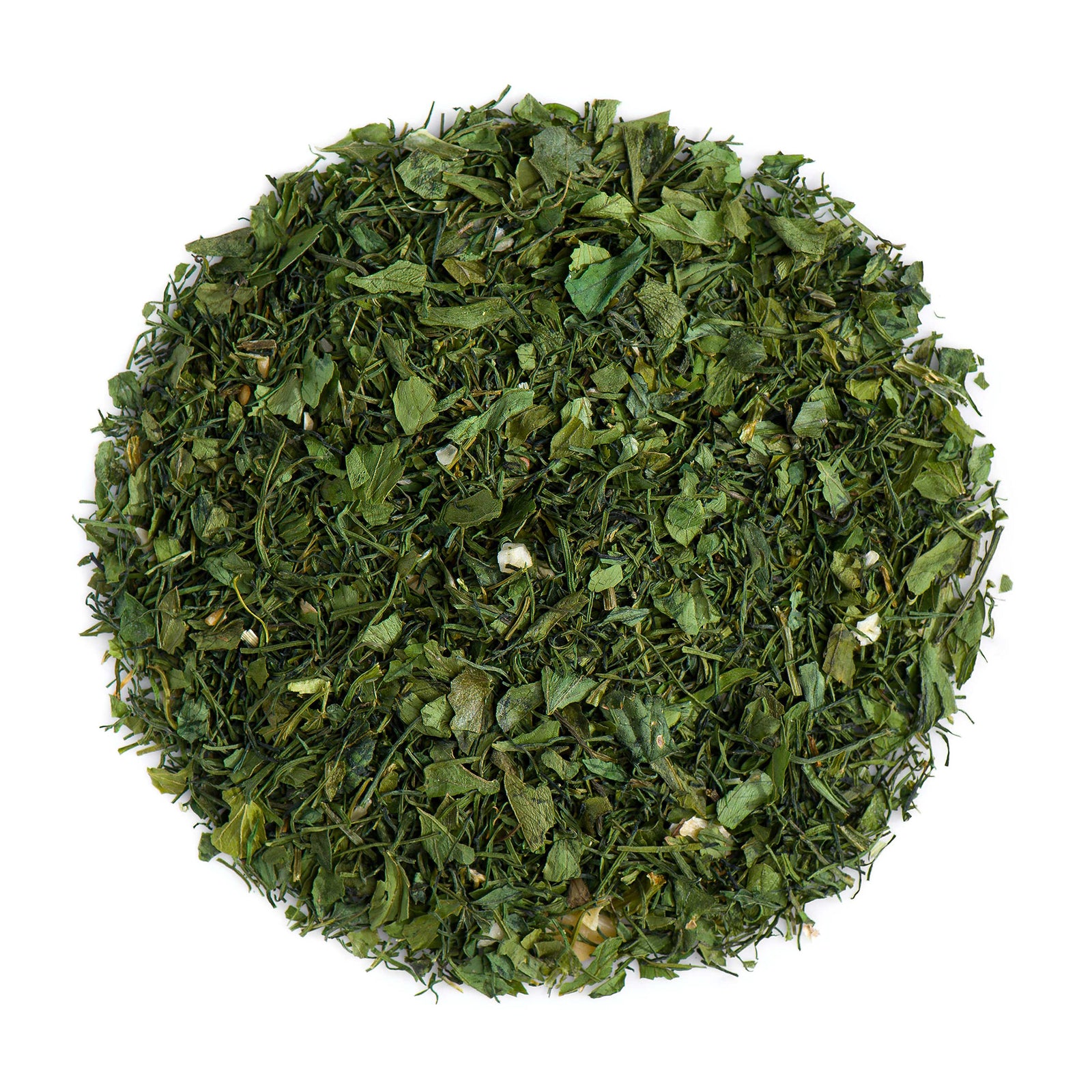
Herbal tea comes from everything else. Dried flowers, leaves, roots, bark, seeds, fruit, and spices. Chamomile is a flower. Peppermint is a leaf. Ginger is a root. None of them have anything to do with the Camellia sinensis plant.
The proper term is tisane (pronounced tih-ZAHN), a word borrowed from French that simply means an infusion of plant material other than tea leaves. Most people still say "herbal tea," and that is perfectly fine in everyday conversation. But understanding the distinction matters because it explains why herbal teas behave so differently from true teas in terms of caffeine, flavor, and brewing.
The misconception I correct most often is that herbal tea is just a catch-all health category. It is not. It is a staggeringly broad world of flavors -- anything that can go into water qualifies. A lot of people write it off as boring, but that could not be further from the truth. Herbal tea is delicious and wildly diverse. The health aspect is a bonus, not the point.

Humans have been steeping herbs in hot water for thousands of years -- long before tea from Camellia sinensis became a global commodity. Ancient Egyptians drank chamomile infusions. Traditional Chinese herbalism used chrysanthemum and goji berry tisanes. South Africans have been brewing rooibos for centuries.
Herbal tea is not a modern health trend. It is one of the oldest drinks on earth.
The Main Categories of Herbal Tea
Herbal teas can be grouped by which part of the plant ends up in your cup. This is useful because the plant part determines the flavor profile, brewing temperature, and steeping time.
Leaf Tisanes
These use dried leaves from non-tea plants. Peppermint, spearmint, lemon balm, and lemongrass are the most common. Leaf tisanes brew quickly (3-5 minutes) and produce a clean, aromatic cup. Rooibos, technically from the needle-like leaves of the South African Aspalathus linearis bush, also falls into this group.
Flower Tisanes
Chamomile, hibiscus, lavender, chrysanthemum, rose, and jasmine (when brewed on its own, not as a scenting agent for green tea). Flower tisanes often have a more delicate flavor than leaf tisanes and can turn the water vivid colors -- hibiscus produces a deep ruby red, butterfly pea flower an intense blue.

Root Tisanes
Ginger, turmeric, licorice root, dandelion root, chicory root, and valerian. Root tisanes are robust. They often need longer steeping times (7-10 minutes or more) and higher temperatures to extract their full flavor. Ginger root tea, for example, can go as long as 15 minutes if you want a strong, peppery cup.
Fruit Tisanes
Rosehip, dried apple, dried berry blends, and citrus peel. Fruit tisanes are naturally sweet and tart. They make excellent iced teas in summer. Many commercial "fruit tea" blends combine several dried fruits with hibiscus for color and tartness.
Spice Tisanes
Cinnamon, cardamom, clove, fennel seed, anise, and star anise. Spice tisanes are warming and aromatic. Some, like fennel seed tea, are mild enough to drink on their own. Others, like clove, are intense and usually appear in blends rather than solo.
Many herbal teas combine categories. A ginger-lemon blend mixes root and fruit. A chamomile-lavender blend mixes two flowers. A chai-style rooibos combines leaf with spices.
The categories are a starting point for understanding flavor, not rigid boundaries.

5 Most Popular Herbal Teas and Why
If you are new to herbal tea, these five are the ones you will encounter everywhere. Each one is popular for a reason.
1. Chamomile
The small, daisy-like flowers of Matricaria chamomilla (German chamomile) produce a mild, slightly sweet, apple-tinged infusion. Chamomile is the default evening tea in most of Europe. Its flavor is gentle enough that even people who dislike strong tastes tend to accept it. It is also one of the most widely available herbal teas worldwide. Try our German chamomile to see why it earns its reputation.
2. Peppermint
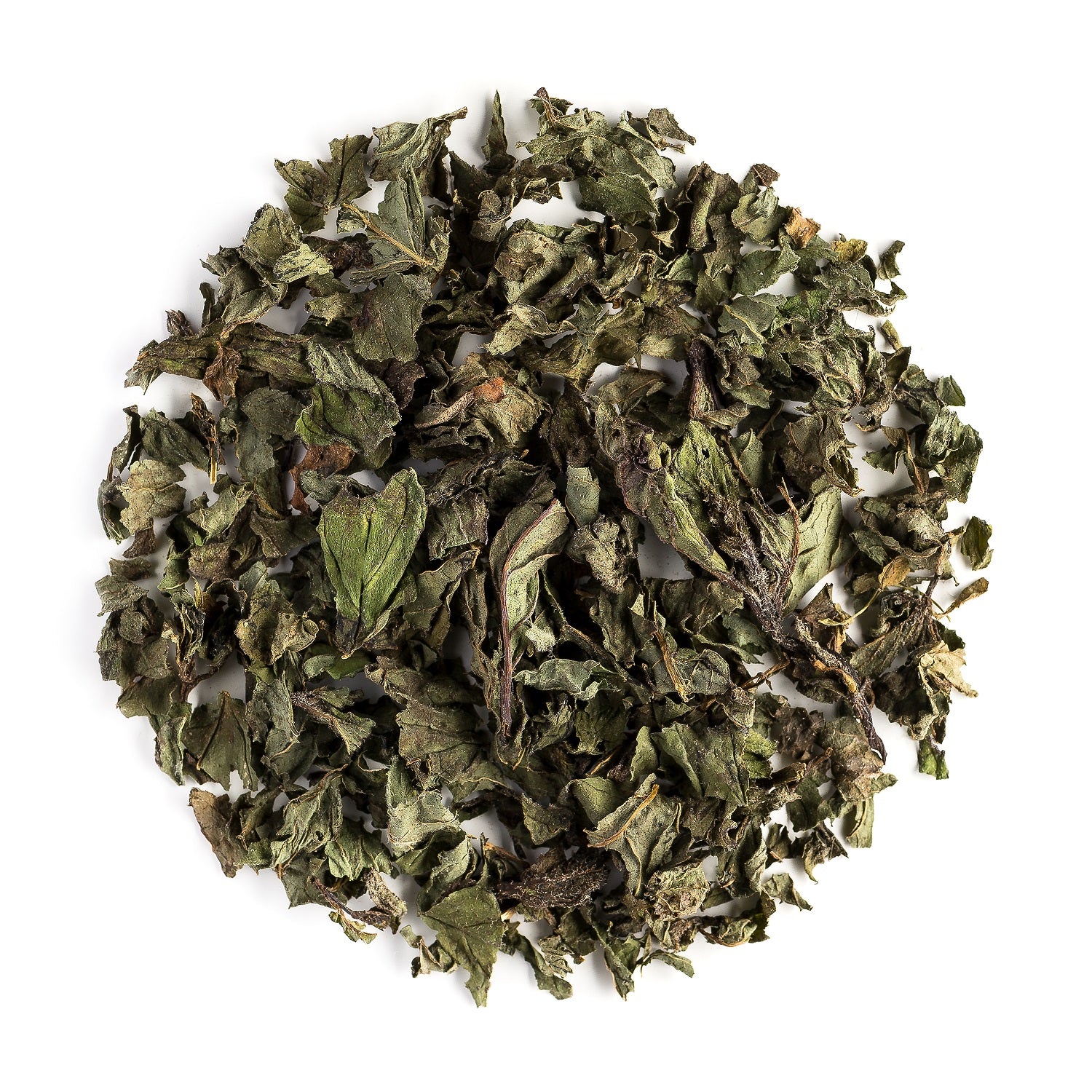
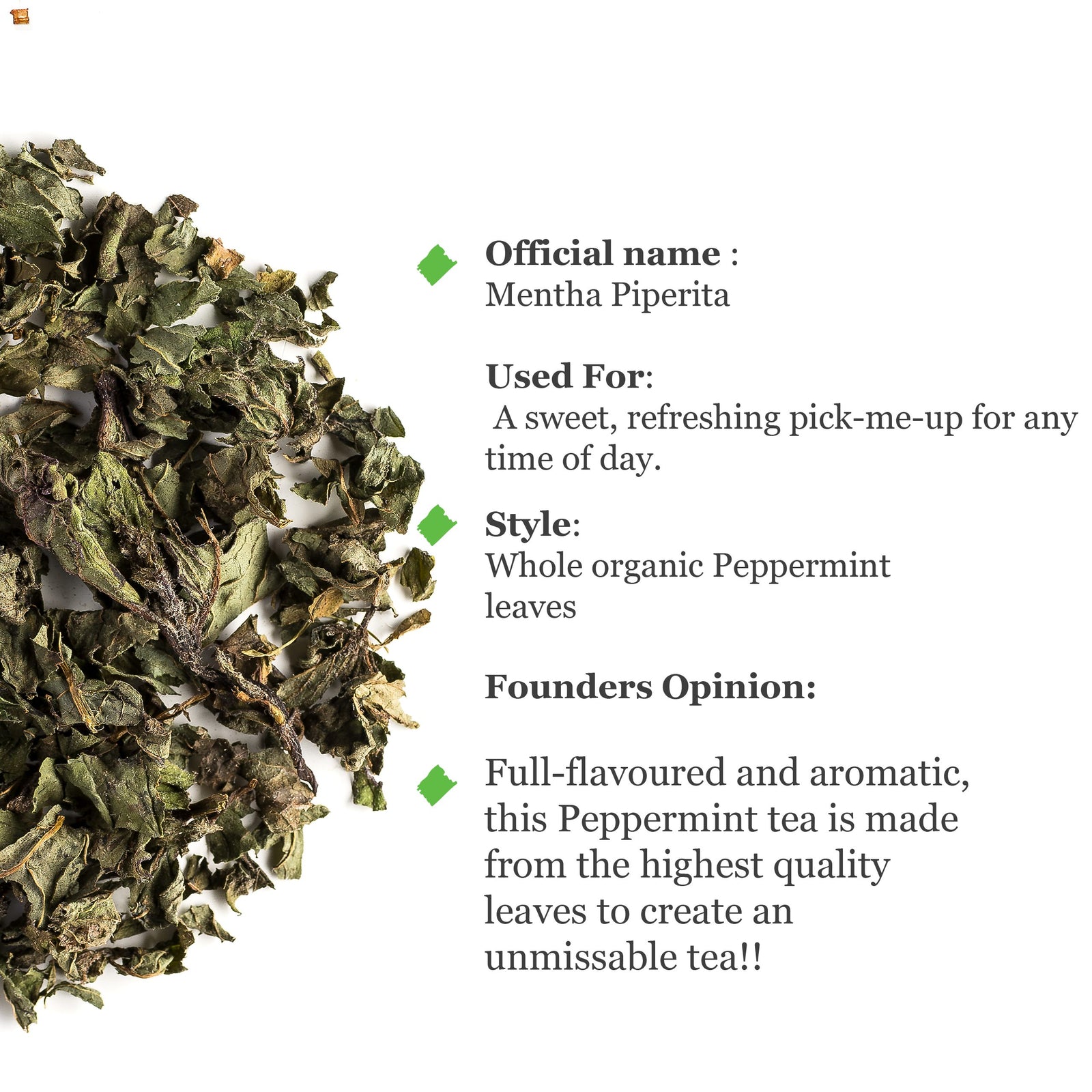
Sharp, cooling, and immediately recognizable. Peppermint tea is brewed from the dried leaves of Mentha x piperita, a natural hybrid of spearmint and watermint. It is refreshing both hot and iced, which gives it year-round appeal. The menthol content is what creates that distinctive cooling sensation.
3. Rooibos
Native to a small region of South Africa's Western Cape, rooibos (ROY-boss) has a naturally sweet, slightly nutty flavor with no bitterness. It brews into a warm amber-red cup. Rooibos works well with milk, which makes it a popular alternative for people who want something resembling black tea but without caffeine. Green rooibos, the unoxidized version, is lighter and more grassy.
4. Hibiscus
Dried hibiscus flowers (Hibiscus sabdariffa) produce a tart, cranberry-like flavor and an intense red color. Hibiscus tea is popular across Latin America (agua de jamaica), West Africa (bissap), Egypt (karkade), and Southeast Asia. It is naturally tart, so many people add honey or sugar. Served cold, it is one of the most refreshing summer drinks you can make.

5. Ginger
Fresh or dried ginger root makes a warming, slightly spicy infusion that works in any season. It has been a kitchen staple across Asia for millennia. Ginger tea is often the first thing people reach for during cold weather. The heat level depends on steeping time -- a short brew is mildly warm, while a long steep with plenty of ginger gets genuinely peppery.
Herbal Tea and Caffeine
The vast majority of herbal teas contain zero caffeine. Chamomile, peppermint, rooibos, hibiscus, ginger, lemongrass, lavender, fennel -- none of these have caffeine. This is one of the main reasons people drink herbal tea in the evening or switch to it when reducing caffeine intake.
There are a few exceptions. Yerba mate, brewed from the leaves of Ilex paraguariensis, contains significant caffeine -- roughly 30-50 mg per cup, comparable to green tea. Guayusa, from a related South American holly species, contains similar levels. Some people classify these as herbal teas, though they occupy a gray area.
Cacao shell tea has a small amount of caffeine. And any blend that includes actual tea leaves (Camellia sinensis) alongside herbs will contain caffeine from those tea leaves.
As a practical rule: if the ingredient list contains only herbs, flowers, roots, fruits, or spices and no mention of tea leaves, green tea, black tea, or mate, the product is caffeine-free.

How to Brew Herbal Tea
Herbal teas are more forgiving than true teas. Over-steeping green tea for two extra minutes creates bitter, astringent liquid. Over-steeping chamomile for two extra minutes just makes it slightly stronger. That said, there are general guidelines that produce the best results.
Water temperature: Use fully boiling water (100°C / 212°F) for most herbal teas. Unlike green or white tea, which turn bitter at high temperatures, herbal teas need the heat to extract flavor from tougher plant material. The exceptions are delicate flower tisanes like chrysanthemum, which do better around 90-95°C.
Water quality: At Valley of Tea, we use Spa mineral water or double osmosis water for all our tasting sessions. Hard tap water flattens the flavor of delicate herbs. If you are brewing with tap water and the result tastes dull, water quality is likely the culprit.
Steeping time: Leaf and flower tisanes need 4-6 minutes. Root and spice tisanes need 7-12 minutes. Fruit tisanes fall somewhere in between at 5-8 minutes. These are starting points. Taste at the lower end and steep longer if you want more intensity.
Quantity: Use about 1-2 teaspoons of dried herbs per cup (240 ml). Bulky ingredients like whole chamomile flowers or large peppermint leaves take up more space, so go by heaping teaspoons rather than precise measurements. For fresh herbs like ginger root or lemongrass, use roughly double the amount you would use dried.

Covering: Always cover your herbal tea while it steeps. Aromatic compounds, especially from mint and lemongrass, are volatile and escape with the steam. A lid, saucer, or even a small plate over the cup keeps those flavors in the water instead of in the air.
Re-steeping: Most herbal teas give one good infusion. Root and spice tisanes sometimes handle a second steep, especially ginger. But unlike oolong or pu-erh tea, herbal teas generally do not improve across multiple infusions.
Herbal Tea vs True Tea
The differences go beyond botanical origin. Here is a direct comparison.
Source plant: True tea comes from Camellia sinensis. Herbal tea comes from any other plant.
Caffeine: True tea always contains some caffeine (15-75 mg per cup depending on type). Herbal tea is almost always caffeine-free.

Tannins and astringency: True tea contains tannins that create a drying, slightly bitter sensation in the mouth, especially when over-steeped. Most herbal teas are very low in tannins. Rooibos and hibiscus have some, but far less than black tea.
Brewing sensitivity: True tea, particularly green and white varieties, requires careful temperature control. Too hot and they become bitter. Herbal tea tolerates boiling water and long steeping without punishing you.
Flavor range: True tea varies within a recognizable spectrum -- grassy, malty, floral, smoky, earthy. Herbal tea has essentially no limits. Mint tastes nothing like ginger, which tastes nothing like hibiscus, which tastes nothing like cinnamon. The flavor diversity is enormous.
Processing: True tea undergoes specific processing steps -- withering, rolling, oxidation, firing -- that define its category. Herbal tea is usually just dried (and occasionally roasted, as with roasted dandelion root or hojicha-style rooibos).
If you are curious what high-quality Camellia sinensis tea actually tastes like by comparison, our Premium Gyokuro is one of the most elegant examples we carry.

How to Choose Your First Herbal Tea
If you have never intentionally bought herbal tea, start with a single-ingredient product rather than a blend. Blends can be excellent, but they make it harder to learn what you actually like.
If you prefer mild, calming flavors: Start with chamomile or lemon balm.
If you want something refreshing and clean: Peppermint is the obvious choice. Lemongrass is a good alternative.
If you like bold, warming drinks: Ginger or cinnamon bark tea.
If you want something fruity and tart: Hibiscus, either hot or iced.

If you want a tea-like experience without caffeine: Rooibos is the closest herbal tea to actual tea in terms of body and mouthfeel. It also takes milk well.
Buy loose leaf when possible. Loose leaf herbal tea tends to be higher quality -- whole flowers, large leaf pieces, visible root chunks -- compared to the dust and fannings in many teabags. The flavor difference is noticeable, and loose leaf herbal tea is no harder to brew than loose leaf true tea. A simple infuser basket is all you need.
Store herbal tea in an airtight container away from light, heat, and moisture. Dried herbs lose potency faster than true tea. Use them within 6-12 months of opening for the best flavor.
Wrapping Up
Herbal tea is the broad term for any drink made by steeping plant material other than Camellia sinensis leaves in hot water. It covers an enormous range of flavors, from delicate chamomile to fiery ginger, tart hibiscus to sweet rooibos. Nearly all of it is caffeine-free. It brews easily and forgives mistakes.
You do not need to learn complicated preparation methods or invest in specialty equipment. Boil water, add herbs, cover, wait, and drink. Start with one variety, see if you like it, and branch out from there. The world of herbal tea is vast, and the entry point could not be simpler.
For further reading, see the scoping review Herbal Teas and their Health Benefits published in Plant Foods for Human Nutrition, the PMC overview Chamomile: A herbal medicine of the past with bright future, and the ScienceDirect review of Rooibos (Aspalathus linearis) beyond the farm gate.
Dejar un comentario
Los comentarios se aprobarán antes de mostrarse.
Ver artículo completo
The Complete Guide to Drinking Tea
What tea is, how the main types differ in the cup, and how to brew each one properly. Water temperature, steeping times, storage and how to get more than one cup from your leaves.
Ver artículo completo

Black Tea: Types, Processing, and How to Brew It
Black tea is fully oxidized Camellia sinensis. Compare Assam, Darjeeling, Keemun, and Ceylon varieties. Learn processing, brewing, and caffeine levels.

How To Grow Black Tea
Learn how to grow black tea at home: soil, climate, and the five processing steps from fresh leaf to a finished cup of black tea.

La sabiduría es el camino hacia un té mejor.
Reciba nuestra guía gratuita de preparación: el agua, la temperatura y el tiempo de infusión adecuados para cada té que vendemos. Además, será el primero en conocer las nuevas cosechas.
Sin spam. Cancele cuando quiera.
Revise su bandeja de entrada.
La guía está en camino.