













Comment Préparer le Thé à la Rose
Le thé à la rose compte parmi les infusions les plus parfumées, et l'une des plus indulgentes. Contrairement à la lavande, qui ne pardonne pas les excès, les boutons de rose sont cléments. La saveur est douce, florale et légèrement sucrée, sans aucune amertume — à condition de respecter quelques bases.
Nous sourçons nos boutons de rose en Iran et en Bulgarie — deux origines où les conditions de culture et le moment de la récolte donnent des boutons dont la profondeur du parfum se retrouve réellement dans la tasse. Ce guide couvre toutes les méthodes pratiques pour préparer le thé à la rose à la maison : nature et chaud, en mélange avec du thé vert ou du thé noir, glacé, ou en latte. Pas de conjectures, seulement des mesures et des étapes qui fonctionnent.

Ce Qu'il Vous Faut
Des boutons de rose séchés. Les deux espèces à privilégier sont Rosa damascena (rose de Damas) et Rosa centifolia (rose de mai). Toutes deux offrent une saveur de rose riche et authentique qui tient bien dans l'eau chaude. Les recherches sur Rosa damascena confirment qu'il s'agit de l'une des plantes aromatiques les plus étudiées, avec un profil phytochimique bien documenté incluant flavonoïdes, acides phénoliques et composés aromatiques volatils — pour en savoir plus, consultez cette revue PMC sur Rosa damascena. Évitez les variétés de rose ornementales — sélectionnées pour leur apparence et non pour leur goût, beaucoup ont été traitées avec des pesticides qui n'ont rien à faire dans votre tasse. Recherchez des boutons entiers, bien fermés, d'une couleur rose profond ou rouge. Si les boutons sont bruns, cassants ou sans odeur lorsque vous en pressez un entre les doigts, ils ont perdu leur fraîcheur.
De l'eau. De l'eau fraîche et filtrée. Le thé à la rose a un profil délicat, et une eau chlorée ou calcaire aplatira les notes florales avant même qu'elles n'atteignent votre tasse.
De quoi chauffer l'eau. Une bouilloire à température réglable est idéale. Les boutons de rose donnent le meilleur d'eux-mêmes entre 90 et 95 °C — juste en dessous de l'ébullition. Une bouilloire classique convient très bien si vous la laissez reposer environ une minute après qu'elle s'est arrêtée.

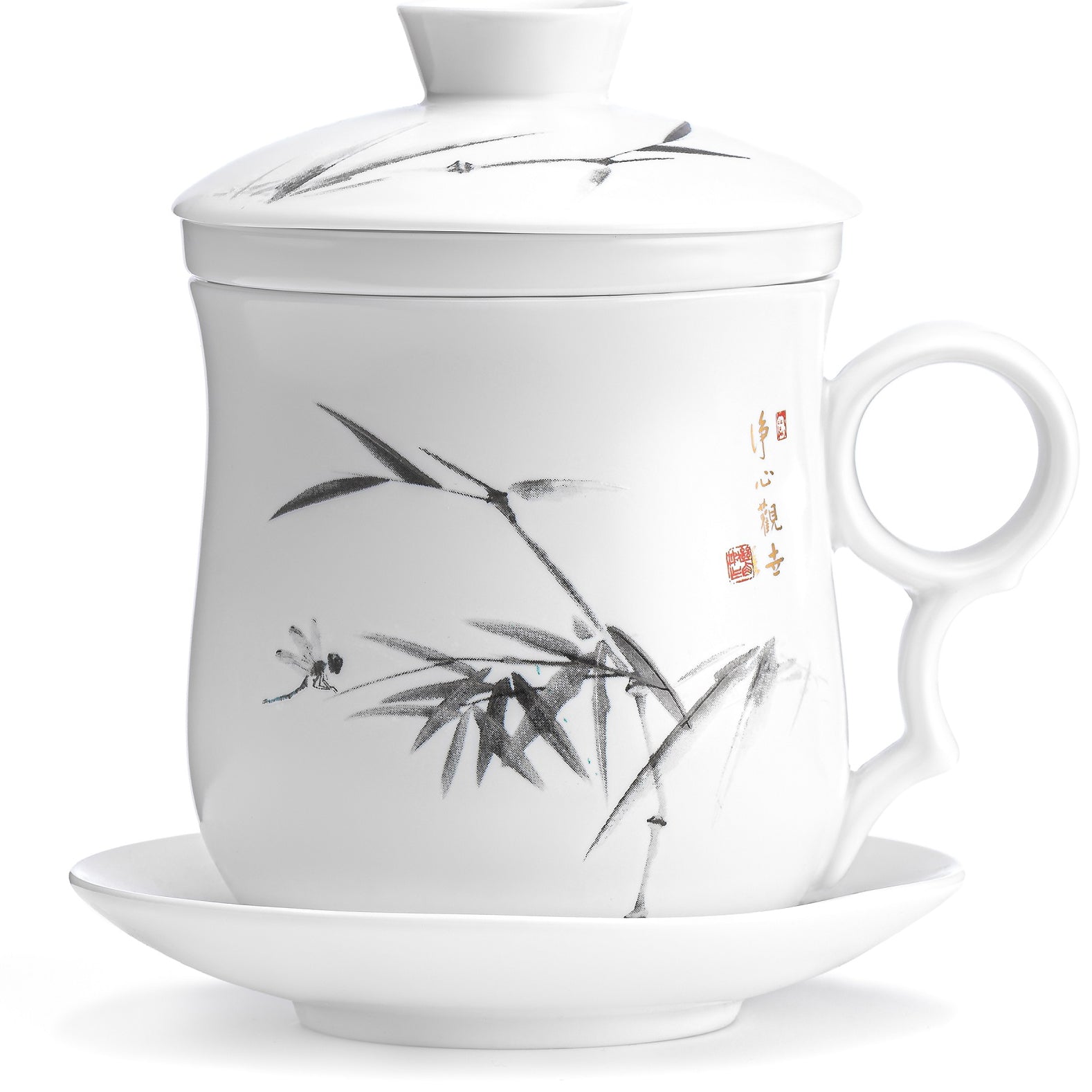
De quoi infuser. Une théière, une tasse avec panier-infuseur, ou une cafetière à piston. Les boutons de rose sont plus gros que la plupart des ingrédients d'infusion, si bien qu'un simple infuseur à mailles convient parfaitement. Une théière en verre transparente est un excellent choix ici — regarder les boutons s'ouvrir lentement et libérer leur couleur dans l'eau fait partie de l'expérience.
Thé à la Rose Chaud, Méthode de Base
C'est la méthode centrale. Toutes les autres recettes de ce guide en sont une variation.
- Placez 5 à 6 boutons de rose séchés par 250 ml (une tasse) d'eau dans votre infuseur ou théière. Si les boutons sont particulièrement gros, utilisez-en 4 à 5. S'ils sont petits et bien fermés, montez jusqu'à 7.
- Chauffez votre eau entre 90 et 95 °C (194 à 203 °F). Si vous n'avez pas de bouilloire à température réglable, portez l'eau à pleine ébullition puis laissez-la reposer 60 à 90 secondes.
- Versez l'eau chaude directement sur les boutons de rose.
- Laissez infuser 5 à 7 minutes. Cinq minutes donnent une tasse plus légère et subtile, aux notes florales délicates. Sept minutes produisent une infusion plus ronde et aromatique, avec une couleur légèrement plus soutenue. Les boutons de rose sont cléments — contrairement à de nombreuses herbes, ils ne deviennent pas amers avec une minute ou deux de plus.
- Retirez l'infuseur ou filtrez les boutons.
- Buvez nature, ou ajoutez un léger filet de miel. Le thé à la rose a une douceur naturelle qui, souvent, ne nécessite rien de plus.
La raison de garder l'eau sous le point d'ébullition est la même que pour la plupart des infusions florales : une eau trop chaude détruit les composés aromatiques délicats qui donnent au thé à la rose son caractère. Vous obtiendrez une tasse plus terne et plate si vous versez de l'eau bouillante directement sur les boutons.

Mélange Rose et Thé Vert
Le thé vert et la rose forment un mariage classique, en particulier dans la culture du thé chinois, où le thé vert parfumé à la rose est produit depuis des siècles. Le caractère végétal, légèrement herbacé, du thé vert donne une structure qui rend la saveur de rose plus complexe.
- Mesurez 1 cuillère à café de thé vert en vrac et 3 à 4 boutons de rose séchés par 250 ml d'eau. Un thé vert léger comme le Dragon Well (Longjing) ou notre Thé Vert Gunpowder convient bien. Évitez les thés verts très torréfiés ou fumés — ils domineraient la rose.
- Chauffez l'eau entre 80 et 85 °C (176 à 185 °F). C'est plus bas que pour le thé à la rose pur, car le thé vert est plus sensible à la chaleur et devient amer si l'eau est trop chaude.
- Placez le thé vert et les boutons de rose ensemble dans votre infuseur ou théière.
- Versez l'eau sur le mélange.
- Laissez infuser 2 à 3 minutes. C'est le thé vert qui impose le temps d'infusion ici — les boutons de rose ne s'ouvriront pas complètement en si peu de temps, mais ils libéreront assez de saveur et d'arôme pour accompagner le thé vert.
- Filtrez et servez.
Vous pouvez obtenir une seconde infusion à partir de ce mélange. Ajoutez de l'eau fraîche à la même température et laissez infuser 3 à 4 minutes. Le thé vert sera plus léger au second passage, mais les boutons de rose continueront de s'ouvrir et d'apporter davantage de caractère floral.
Mélange Rose et Thé Noir
Là où le thé vert laisse la rose s'exprimer, le thé noir prend le premier rôle et utilise la rose comme note d'accompagnement. Ce mélange a plus de corps, une structure tannique plus marquée, et une texture en bouche plus riche. Il fonctionne bien comme thé du matin.

- Mesurez 1 cuillère à café de thé noir en vrac et 3 à 4 boutons de rose séchés par 250 ml d'eau. Un thé noir souple et malté comme notre Thé Noir Keemun fonctionne le mieux. Évitez tout ce qui est très fumé comme le Lapsang Souchong — il effacerait complètement la rose.
- Chauffez l'eau entre 90 et 95 °C. Le thé noir supporte une eau plus chaude que le thé vert, et cette température convient aussi aux boutons de rose.
- Réunissez le thé noir et les boutons de rose dans votre infuseur ou théière.
- Versez l'eau sur le mélange.
- Laissez infuser 3 à 4 minutes. Trois minutes pour une tasse plus légère, quatre pour une tasse plus corsée. Au-delà de 5 minutes, le thé noir devient tannique et âpre.
- Filtrez et servez.
Ce mélange se marie bien avec un peu de lait ou un filet de miel. L'arôme de rose s'élève sensiblement lorsque les tanins sont adoucis par le lait — essayez les deux versions et voyez laquelle vous préférez.
Thé à la Rose Glacé

Le thé à la rose glacé est simple à préparer, mais il faut l'infuser plus fort que la version chaude, car la glace dilue nettement la saveur.
Méthode Rapide (Infusion Chaude Versée sur Glace)
- Utilisez 8 à 10 boutons de rose par 250 ml d'eau — environ le double de la quantité habituelle.
- Chauffez l'eau entre 90 et 95 °C et laissez infuser les boutons 7 minutes.
- Filtrez les boutons.
- Remplissez un verre de glaçons et versez le concentré chaud directement dessus.
- Remuez et goûtez. Ajoutez un trait de citron si vous le souhaitez — l'acidité relève les notes florales et donne au thé une teinte rose légèrement plus soutenue.
Méthode à Froid (Pour un Résultat Plus Doux)
- Placez 8 à 10 boutons de rose par 250 ml d'eau froide ou à température ambiante dans un bocal ou une carafe.
- Fermez et réfrigérez pendant 6 à 8 heures, ou toute la nuit.
- Filtrez et servez sur glace.
L'infusion à froid donne un thé à la rose plus doux et plus rond, sans aucun risque d'amertume. La saveur est plus nette et les notes florales plus nuancées. La contrepartie, c'est le temps — il faut anticiper.

Latte à la Rose

Un latte à la rose est une alternative sans caféine au latte classique, avec une saveur florale qui se marie étonnamment bien avec le lait chaud mousseux.
- Préparez un concentré de rose : laissez infuser 8 à 10 boutons de rose séchés dans 125 ml d'eau entre 90 et 95 °C pendant 7 minutes. Il faut une double concentration, car le lait diluera la saveur.
- Filtrez complètement les boutons.
- Chauffez 175 ml de lait (animal ou végétal) jusqu'à ce qu'il fume, sans bouillir. Le lait d'avoine se marie particulièrement bien — sa douceur naturelle complète la rose. Le lait entier donne un résultat plus riche et crémeux.
- Faites mousser le lait avec un mousseur, une cafetière à piston (pompez rapidement pendant 30 secondes), ou un petit fouet.
- Versez le concentré de rose dans une tasse.
- Ajoutez 1 à 2 cuillères à café de miel et remuez jusqu'à dissolution complète. Le miel n'est pas facultatif ici — sans lui, le lait atténue la saveur de rose et le latte devient fade.
- Versez le lait moussé sur la base de rose.
Pour une version avec caféine, préparez un shot d'espresso et associez-le au concentré de rose avant d'ajouter le lait. L'amertume de l'espresso et la douceur de la rose forment un accord étonnamment réussi. Si vous aimez les autres thés parfumés aux fleurs, nos Perles de Jasmin valent le détour, pour une autre approche du thé floral.
Bien Choisir Ses Boutons de Rose

La qualité de vos boutons de rose détermine la qualité de votre thé. Aucune technique ne rattrapera de mauvais ingrédients.

La qualité alimentaire n'est pas négociable. Les boutons de rose vendus pour le thé doivent être étiquetés comme aptes à la consommation alimentaire. Les roses vendues pour le pot-pourri, l'artisanat ou la décoration sont souvent traitées avec des colorants, des conservateurs ou des parfums qui ne sont pas sûrs à consommer. Ne présumez pas que la mention « bio » sur un produit décoratif signifie qu'il est comestible.
Sans pesticides. Les roses cultivées de façon conventionnelle comptent parmi les fleurs les plus traitées de l'agriculture commerciale. Pour le thé, privilégiez des boutons certifiés biologiques ou explicitement vendus comme exempts de pesticides. C'est l'un des rares produits où la certification biologique a vraiment un sens. Une revue PMC de 2025 sur les phytochimiques et composés bioactifs de Rosa damascena confirme que les principaux flavonoïdes et acides phénoliques sont concentrés dans les boutons — l'origine et la qualité de l'approvisionnement influencent directement ce que vous retrouvez dans votre tasse.
L'espèce compte. Rosa damascena est l'espèce que nous utilisons presque exclusivement — c'est la référence pour les boutons de qualité thé en provenance d'Iran et de Bulgarie, nos deux origines. Rosa centifolia est également utilisée pour le thé, mais la damascena a un parfum de rose plus intense et plus vrai. Si un produit ne précise pas l'espèce, restez prudent. Les roses hybrides ornementales ont généralement une saveur plus faible et n'ont pas été cultivées pour être consommées.

Lorsque nous recevons un arrivage, le premier contrôle porte toujours sur le parfum et la couleur : les boutons doivent être profondément colorés et sentir la rose sans équivoque dès l'ouverture du sac. Nous avons refusé des lots arrivés avec un parfum faible ou une couleur rose délavée — deux signes que les boutons ont été récoltés au mauvais moment. Les boutons de rose doivent être cueillis tôt le matin, durant une fenêtre étroite de la saison. La rater ne serait-ce que d'une semaine, et la récolte perd l'intensité qui fait toute la différence dans la tasse.
Vérifiez la fraîcheur. De bons boutons de rose séchés doivent avoir un parfum de rose fort et net, même avant l'infusion. Ils doivent être légèrement souples au toucher, pas secs et cassants. La couleur doit être vive — rose profond, rouge ou magenta. Des boutons bruns ou fanés ont perdu la majeure partie de leurs huiles aromatiques.
Conservation. Conservez les boutons de rose séchés dans un contenant hermétique, à l'abri de la lumière et de la chaleur. Un bocal en verre fermé dans un placard convient parfaitement. Bien conservés, ils gardent leur saveur environ un an. Passé ce délai, ils perdent progressivement en intensité.
Aide-Mémoire
| Méthode | Boutons de Rose | Température de l'Eau | Temps d'Infusion |
|---|---|---|---|
| Thé à la rose chaud, base | 5-6 par tasse | 90-95 °C | 5-7 min |
| Mélange rose et thé vert | 3-4 + 1 c. à café de thé vert | 80-85 °C | 2-3 min |
| Mélange rose et thé noir | 3-4 + 1 c. à café de thé noir | 90-95 °C | 3-4 min |
| Thé à la rose glacé (infusion chaude) | 8-10 par tasse | 90-95 °C | 7 min |
| Thé à la rose glacé (infusion à froid) | 8-10 par tasse | Froide | 6-8 heures |
| Latte à la rose (concentré) | 8-10 par 125 ml | 90-95 °C | 7 min |
Le thé à la rose récompense la simplicité. De bons boutons, la bonne température d'eau, et de la patience pendant l'infusion — c'est tout ce qu'il faut. Commencez par la méthode chaude de base, familiarisez-vous avec la saveur, puis expérimentez les mélanges et variations. Une fois que vous connaissez le goût de la rose pure, vous saurez exactement comment l'équilibrer avec d'autres ingrédients.
Articles Connexes
Laisser un commentaire
Les commentaires sont approuvés avant leur publication.
Voir l'article entier
The Complete Guide to Drinking Tea
What tea is, how the main types differ in the cup, and how to brew each one properly. Water temperature, steeping times, storage and how to get more than one cup from your leaves.
Voir l'article entier

Black Tea: Types, Processing, and How to Brew It
Black tea is fully oxidized Camellia sinensis. Compare Assam, Darjeeling, Keemun, and Ceylon varieties. Learn processing, brewing, and caffeine levels.
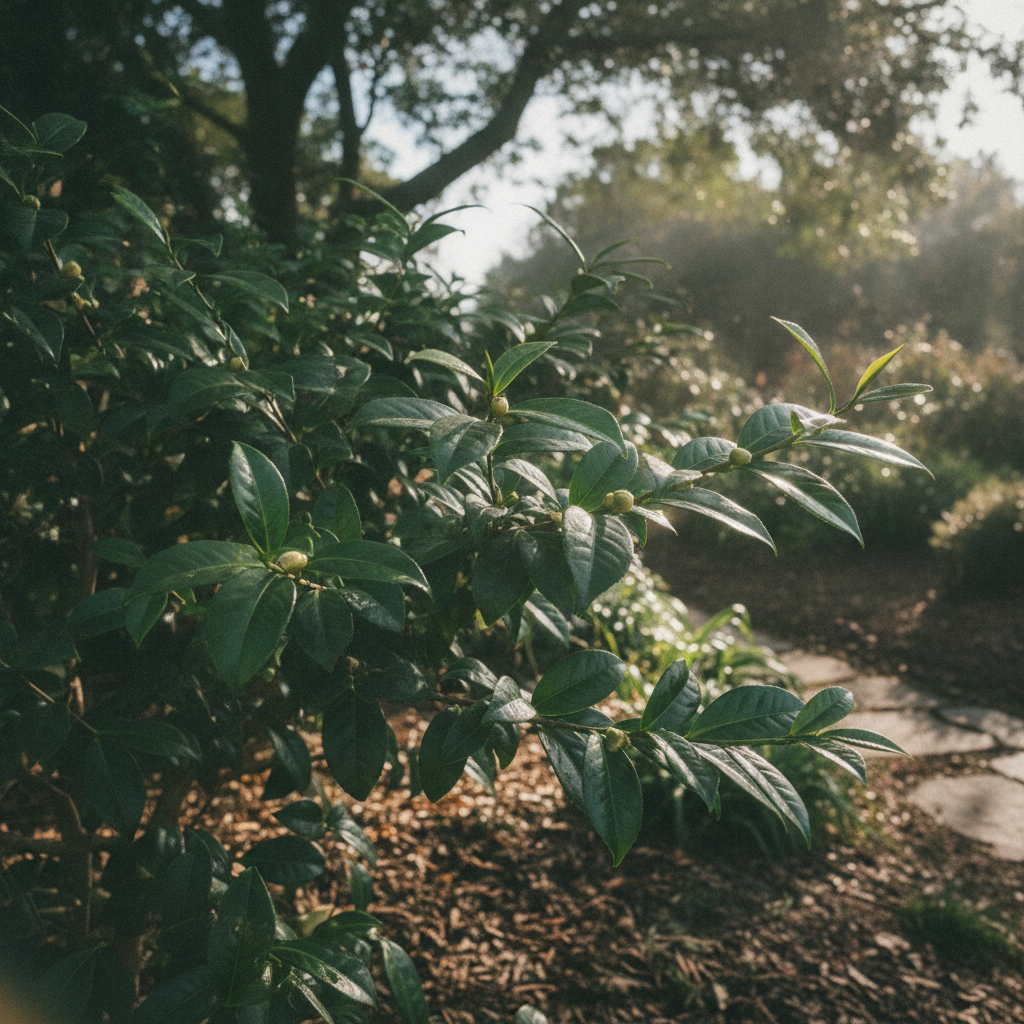

How To Grow Black Tea
Learn how to grow black tea at home: soil, climate, and the five processing steps from fresh leaf to a finished cup of black tea.

La sagesse est le chemin vers un meilleur thé.
Recevez notre guide d'infusion gratuit : la bonne eau, la bonne température et le bon temps d'infusion pour chaque thé de notre catalogue. Vous êtes aussi informé en premier des nouvelles récoltes.
Pas de spam. Désinscription à tout moment.
Consultez votre boîte mail.
Le guide est en route.