












Thé en vrac vs sachets de thé : Quelle est la différence ?
La différence entre le thé en vrac et les sachets de thé tient à la qualité des feuilles, à l'extraction des arômes et au contrôle. Les sachets de thé sont pratiques. Le thé en vrac produit une tasse de meilleure qualité. Comprendre pourquoi vous aide à décider lorsqu'il est préférable d'utiliser l'un ou l'autre.
Ce que contiennent les sachets de thé
La plupart des sachets de thé contiennent des brisures fines ("fannings") et de la poussière de thé ("dust") — les plus petites particules restantes après que les feuilles entières ont été triées et classées. Ce ne sont pas des thés défectueux, mais les fragments qui se sont détachés lors du traitement.
Les petites particules ont une surface plus étendue exposée à l'air, ce qui signifie qu'elles perdent leurs composés aromatiques volatils plus rapidement. Lorsque le sachet arrive dans votre tasse, le thé à l'intérieur a souvent été oxydé bien au-delà de ce que le producteur souhaitait. Le résultat est une infusion plate et unidimensionnelle qui a à peu près le même goût quelle que soit son origine ou sa variété.
Certains sachets haut de gamme utilisent des feuilles entières ou de gros morceaux, et ceux-ci offrent des performances nettement supérieures. Mais ils représentent une faible part du marché.
Ce que vous obtenez avec le thé en vrac
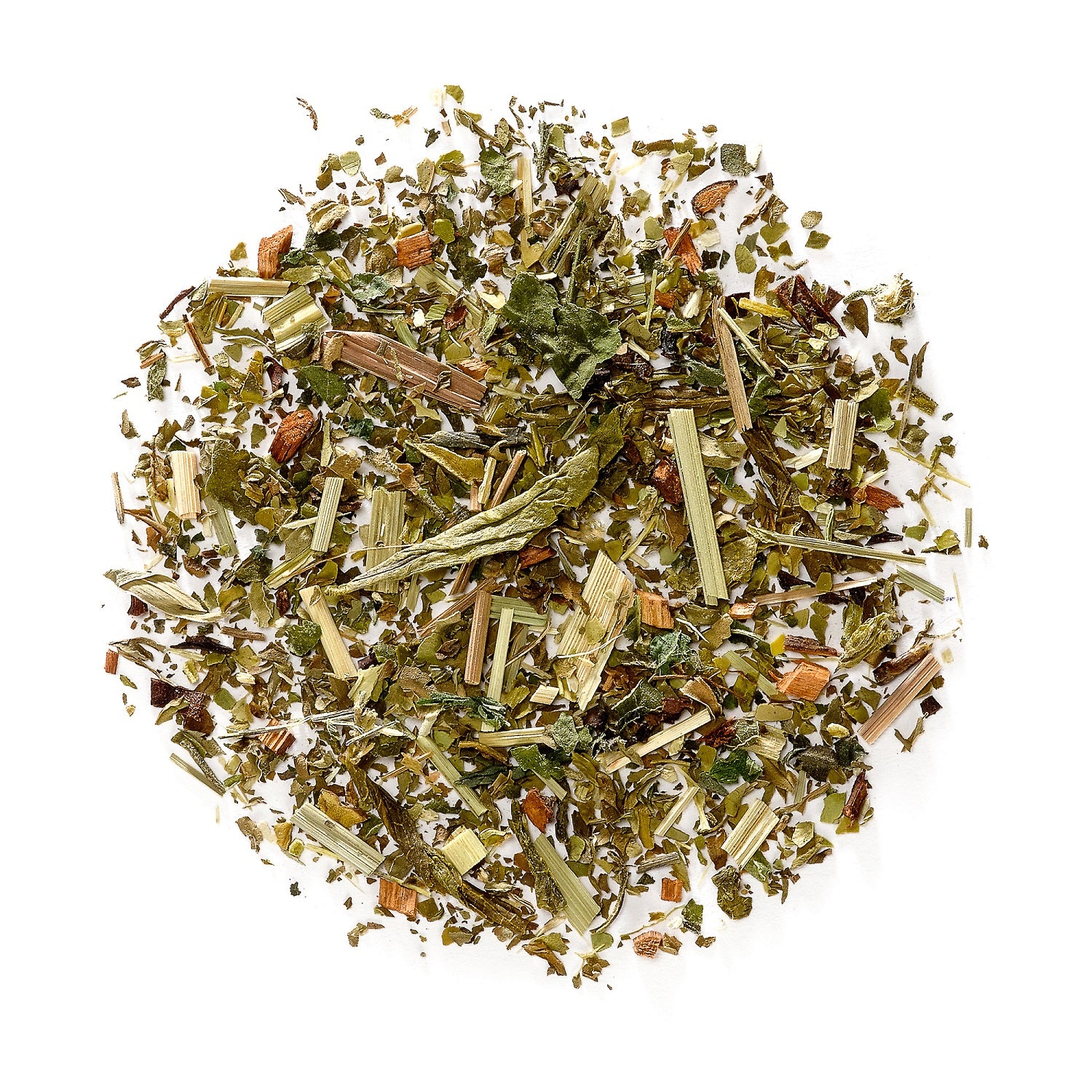
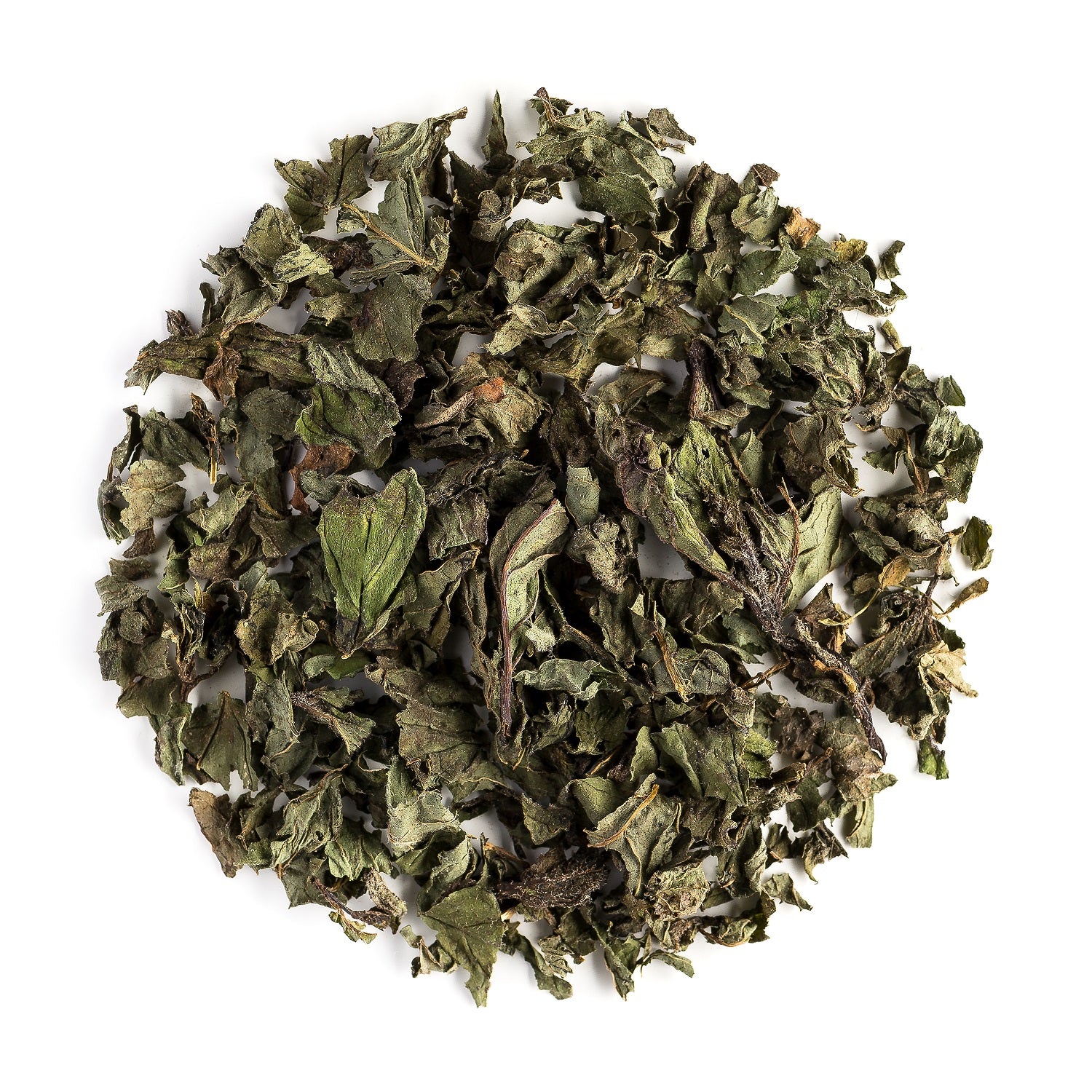
Le thé en vrac préserve la feuille entière ou de gros morceaux de feuille. La structure cellulaire intacte retient davantage d'huiles essentielles, d'acides aminés et de polyphénols qui créent une saveur complexe.
Quand vous préparez du thé en vrac, les feuilles ont de la place pour se développer et se déployer complètement. Cela permet à l'eau de circuler à travers la feuille et d'extraire les arômes de manière homogène. Dans un sachet serré, les feuilles ne peuvent pas s'ouvrir correctement, ce qui limite l'extraction et produit une tasse plus brouillée et moins nuancée.
La différence pratique se remarque dès la première gorgée. Un thé vert en vrac aura des notes florales, herbacées ou de noisette distinctes selon son origine. La même variété dans un sachet tend à goûter de façon générique "verte" avec plus d'amertume.
Saveur et arôme
Le thé en vrac retient davantage de composés aromatiques qui s'évaporent rapidement des feuilles brisées. Lorsque vous ouvrez un sachet d'oolong à feuilles entières, l'odeur seule vous en dit long sur son origine et son mode de transformation. Le contenu des sachets de thé n'offre que rarement cela.
L'éventail des saveurs est également plus large. Les thés en vrac expriment le terroir — le caractère spécifique de leur région de culture, de l'altitude et de la saison. Une première récolte de Darjeeling n'a rien à voir avec une seconde récolte provenant de la même plantation. Ce type de variation ne survit pas au broyage et à l'emballage que subissent la plupart des sachets de thé.
Réinfusions
Les thés en feuilles peuvent être infusés plusieurs fois. Oolong et les thés pu-erh donnent généralement 4 à 8 bonnes infusions. Les thés verts et blancs tiennent 2 à 3 infusions. Chaque réinfusion modifie la saveur, révélant souvent de nouvelles notes.
Les sachets de thé sont généralement à usage unique. Les petites particules libèrent tout dès la première infusion, ne laissant rien pour une seconde. Cela rend le thé en feuilles plus économique par tasse qu'il n'y paraît — une portion de qualité d'environ 5 grammes d'oolong peut produire 4 à 6 tasses.
Coût par tasse
Le thé en feuilles semble plus cher à l'achat. Un sachet de 100 grammes peut coûter plusieurs fois plus qu'une boîte de 20 sachets. Mais les chiffres changent quand on tient compte des réinfusions.
Un sachet de 100 grammes de thé en feuilles donne approximativement 30 à 40 portions individuelles à 2,5–3 grammes chacune. Si vous réinfusez deux fois, cela double à 60–80 tasses. Une boîte de 20 sachets vous donne exactement 20 tasses. Par tasse, le thé en feuilles est souvent au même prix ou moins cher — et la qualité est nettement supérieure.
Praticité
C'est ici que les sachets sont pratiques. Déposez-en un dans une tasse, ajoutez de l'eau, attendez, retirez. Aucun équipement, pas de mesure, pas de nettoyage autre que jeter le sachet.
Le thé en feuilles nécessite un infuseur, une passoire ou une théière. Il faut mesurer (approximativement) et gérer le temps d'infusion. Le nettoyage implique de vider les feuilles humides. Cela prend peut-être deux minutes de plus qu'un sachet.
Si ces deux minutes comptent — au bureau, en voyage, quand vous êtes pressé — les sachets ont du sens. Quand vous avez le temps d'y prêter attention, l'infusion du thé en feuilles est une amélioration simple.
Impact environnemental
De nombreux sachets de thé contiennent du polypropylène, un scellant plastique qui empêche leur compostage complet. Certains sachets récents utilisent des matériaux d'origine végétale, mais la majorité dans les supermarchés contient encore du plastique.
Le thé en feuilles génère moins de déchets d'emballage. Les feuilles elles-mêmes sont entièrement compostables. Si la durabilité est un facteur dans votre achat, le thé en feuilles est l'option la plus écologique.
En conclusion
Les sachets existent pour la commodité, et ils servent cet objectif. Mais si la saveur, la variété et la possibilité de réinfuser les mêmes feuilles comptent pour vous, le thé en feuilles répond mieux à ces attentes. L'investissement en matériel est minimal — un infuseur basique et une bouilloire suffisent pour commencer.
Laisser un commentaire
Les commentaires sont approuvés avant leur publication.
Voir l'article entier
The Complete Guide to Drinking Tea
What tea is, how the main types differ in the cup, and how to brew each one properly. Water temperature, steeping times, storage and how to get more than one cup from your leaves.
Voir l'article entier

Black Tea: Types, Processing, and How to Brew It
Black tea is fully oxidized Camellia sinensis. Compare Assam, Darjeeling, Keemun, and Ceylon varieties. Learn processing, brewing, and caffeine levels.
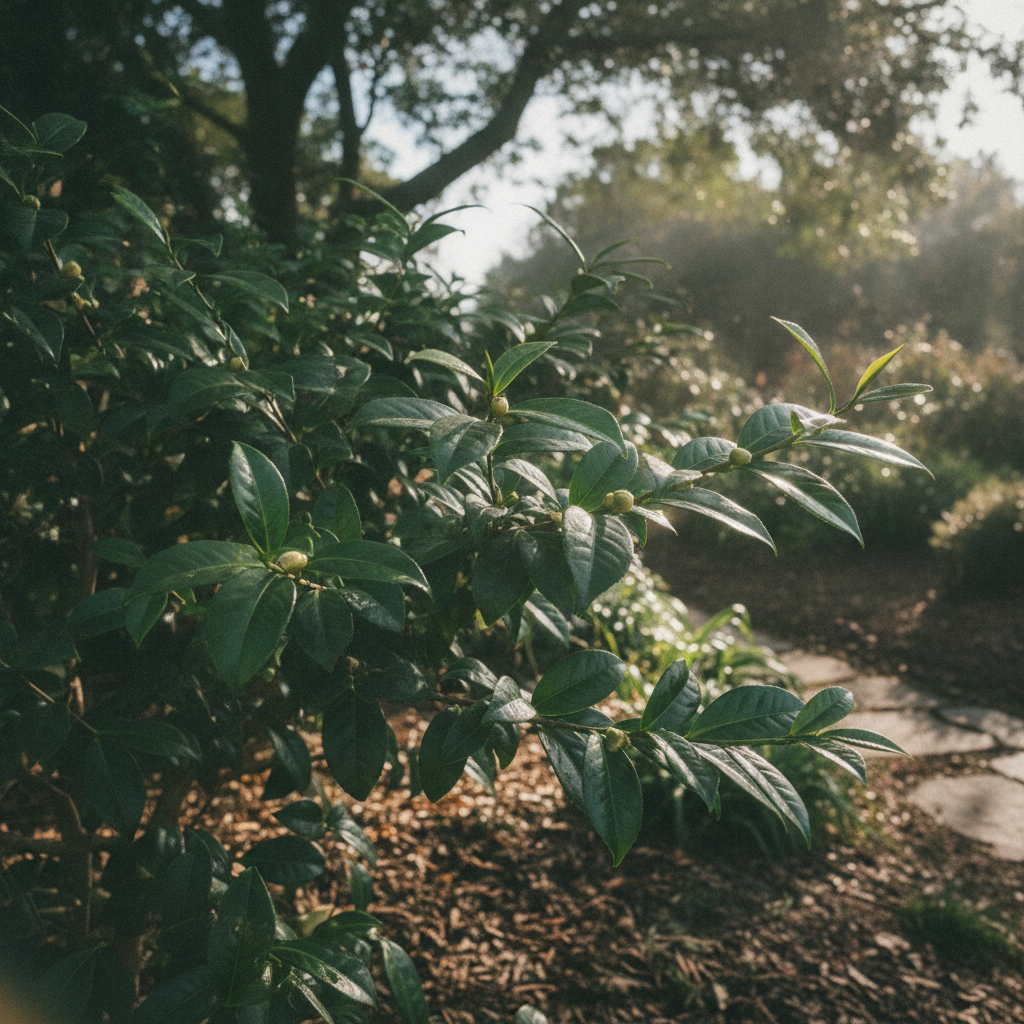

How To Grow Black Tea
Learn how to grow black tea at home: soil, climate, and the five processing steps from fresh leaf to a finished cup of black tea.

La sagesse est le chemin vers un meilleur thé.
Recevez notre guide d'infusion gratuit : la bonne eau, la bonne température et le bon temps d'infusion pour chaque thé de notre catalogue. Vous êtes aussi informé en premier des nouvelles récoltes.
Pas de spam. Désinscription à tout moment.
Consultez votre boîte mail.
Le guide est en route.