













Qu'est-ce que le Yerba Maté Valley of Tea ?
Peu de boissons portent un poids culturel aussi fort que le yerba maté. En Argentine, en Uruguay, au Paraguay et dans le sud du Brésil, le maté n'est pas simplement une boisson : c'est une habitude quotidienne, un lien social et un trait identitaire national. Il suffit de se promener dans une ville de ces pays pour voir des thermos et des calebasses partout : dans les bus, les parcs, les bureaux, sur les chantiers. Le maté y est consommé en quantités qui dépassent largement celles du café et du thé dans ces mêmes régions.

Chez Valley of Tea, nous sélectionnons et dégustons des thés depuis plus de quinze ans. Ce guide s'appuie sur cette expérience.
Pourtant, en dehors de l'Amérique du Sud, le yerba maté reste mal connu. Beaucoup de gens ont entendu le nom sans savoir vraiment ce qu'il est, quel goût il a, ni pourquoi des millions de personnes en boivent chaque jour. Ce guide couvre tout ce qu'il faut savoir : la plante elle-même, les méthodes de préparation, la teneur en caféine, et les critères à observer pour choisir un yerba maté de qualité.
Qu'est-ce que le yerba maté ?

Le yerba maté provient des feuilles d'Ilex paraguariensis, un arbre à feuilles persistantes de la famille du houx, originaire des forêts subtropicales d'Amérique du Sud. La plante pousse à l'état sauvage dans une zone qui s'étend du nord-est de l'Argentine au Paraguay, au sud du Brésil et à l'Uruguay. Le mot « yerba » signifie « herbe » en espagnol, tandis que « maté » désigne la calebasse traditionnellement utilisée pour le boire.
Contrairement à Camellia sinensis, l'unique espèce à l'origine du thé vert, noir, blanc et oolong, Ilex paraguariensis est une plante à part entière. Le yerba maté n'est donc, à proprement parler, pas un « thé » au sens botanique strict, même s'il est communément désigné ainsi et infusé de façon comparable.
Le peuple guarani du Paraguay et des régions voisines consomme le yerba maté depuis des siècles, bien avant la colonisation européenne. Les jésuites espagnols en ont ensuite commercialisé la culture au XVIIe siècle, établissant des plantations qui ont formé l'épine dorsale de l'économie régionale. Aujourd'hui, l'Argentine en est le premier producteur, suivie par le Brésil et le Paraguay.
Comment le maté est produit

La production du yerba maté comporte plusieurs étapes distinctes qui influencent directement la saveur et le caractère final du produit.
La récolte a lieu une fois les feuilles arrivées à maturité, généralement entre avril et septembre. Les branches sont coupées sur des arbres cultivés, le plus souvent taillés à hauteur d'arbuste pour faciliter l'accès, bien qu'il existe aussi du maté récolté à l'état sauvage sur des arbres forestiers plus hauts, vendu à des prix plus élevés.
Le sapecado est la première étape de transformation, et la plus critique. Les feuilles et petites tiges fraîchement récoltées sont passées rapidement à la flamme nue ou à une chaleur intense pendant 20 à 30 secondes. Cette étape stoppe immédiatement l'oxydation, un principe proche de l'étape de « fixation » (shaqing, littéralement « tuer le vert ») dans la production du thé vert chinois. Sans le sapecado, les feuilles s'oxyderaient et perdraient leur couleur verte caractéristique ainsi que leur fraîcheur aromatique.
Le séchage (secado) suit le sapecado. Les feuilles sont séchées davantage à l'air chaud ou à la fumée, ce qui réduit fortement leur taux d'humidité. Dans la production traditionnelle, la fumée de bois est utilisée et confère une note fumée distinctive. Les installations plus modernes emploient des séchoirs à air chaud pour une saveur plus nette, purement végétale.
Le vieillissement (estacionamiento) est l'étape où le yerba maté se distingue nettement de la plupart des productions de thé. Après séchage, le yerba maté de qualité est vieilli 12 à 24 mois dans des conditions contrôlées. Ce vieillissement adoucit les notes dures ou trop amères et développe la saveur ronde et complexe qui caractérise un bon maté. Un maté non vieilli ou vieilli trop brièvement a, en comparaison, un goût plus abrupt et unidimensionnel.
Le broyage et l'assemblage constituent la dernière étape. Le maté de style argentin contient généralement un mélange de feuilles broyées (hojas), de tiges (palos) et de poussière fine (polvo). L'erva-mate brésilienne est souvent moulue plus finement et contient moins de tiges. Les styles paraguayens ont tendance à présenter une coupe plus grossière.
Préparation traditionnelle : la calebasse et la bombilla

La méthode traditionnelle de dégustation du yerba maté repose sur deux ustensiles essentiels : une calebasse (mate) et une paille métallique munie d'un filtre intégré (bombilla).
La calebasse est remplie de yerba maté sec aux deux tiers ou trois quarts environ. Le maté est ensuite incliné d'un côté de la calebasse, créant une pente avec un creux sur la partie basse. Un peu d'eau tiède (non chaude) est versée dans ce creux pour humidifier la partie inférieure des feuilles. Après une minute d'absorption, la bombilla est insérée en biais dans la section humidifiée et enfoncée fermement jusqu'au fond.
De l'eau chaude, idéalement entre 70 et 80 degrés Celsius, est ensuite versée dans le creux à côté de la bombilla. La température compte : une eau bouillante brûle les feuilles, produisant une amertume excessive et effaçant les nuances. Chaque versement offre quelques gorgées avant qu'il ne faille remplir à nouveau la calebasse. Un seul remplissage de yerba maté peut ainsi tenir 15 à 20 versements avant que la saveur ne s'épuise, même si les amateurs expérimentés vont souvent bien au-delà.
L'extrémité filtrante de la bombilla empêche les particules de feuilles de remonter avec le liquide. Une bonne bombilla est indispensable : les modèles mal conçus se bouchent sans cesse ou laissent passer trop de sédiments.
Le goût du maté

Décrire le goût du yerba maté à quelqu'un qui n'y a jamais goûté est un défi, car il occupe un territoire aromatique bien à lui. Il ne ressemble ni au thé vert, ni au café, ni aux tisanes.
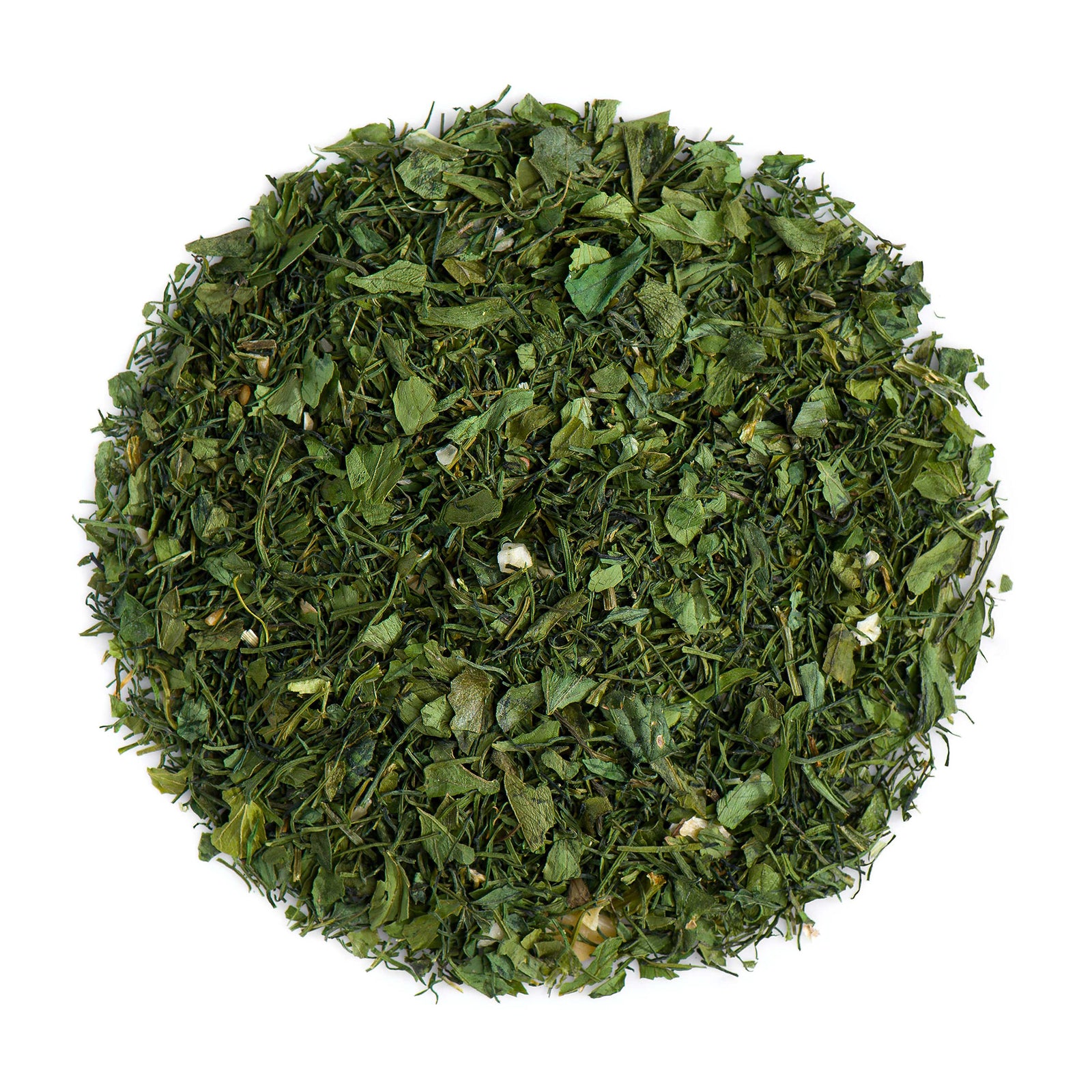
Sa caractéristique dominante est une amertume végétale bien marquée, affirmée mais non agressive dans un maté de qualité. Derrière cette amertume se cache une douceur subtile, parfois comparée à l'herbe séchée ou au foin. Les variétés séchées à la fumée ajoutent une note terreuse évoquant le feu de bois. Un maté vieilli développe une rondeur et une profondeur qui font entièrement défaut à un maté frais et non vieilli.
Le yerba maté argentin tend vers une saveur affirmée et pleine, avec une amertume modérée et une longue finale. L'erva-mate brésilienne est souvent plus légère et plus herbacée. Le maté paraguayen, fréquemment consommé froid sous forme de terere, est généralement robuste et supporte bien la dilution dans l'eau glacée.
Les premiers versements d'une calebasse fraîche (primeros cebados) sont les plus intenses. À mesure que l'on ajoute de l'eau, la saveur s'adoucit et se sucre progressivement, ce qui explique pourquoi de nombreux amateurs de maté préfèrent en réalité les versements du milieu aux premiers.
Teneur en caféine du maté

Le yerba maté contient une quantité importante de caféine, environ 85 milligrammes par portion de 8 onces (environ 240 ml) préparée traditionnellement. Il se situe ainsi nettement au-dessus de la plupart des thés et dans la même fourchette qu'une tasse de café classique. À titre de comparaison, une tasse de thé vert contient généralement 25 à 50 milligrammes de caféine, le thé noir environ 40 à 70 milligrammes, et le café filtre environ 80 à 100 milligrammes.
Cependant, la façon dont le maté est consommé change considérablement le tableau réel en matière de caféine. Comme un seul remplissage de la calebasse est réinfusé de nombreuses fois sur plusieurs heures, les buveurs quotidiens de maté consomment souvent, au total, bien plus de caféine qu'une personne qui boit une ou deux tasses de café. En Argentine et en Uruguay, une consommation quotidienne d'un litre ou plus est courante, ce qui porte la consommation totale de caféine bien au-delà des niveaux habituels associés au café.
Le maté se distingue aussi du café par la façon dont on le boit. Outre la caféine, les feuilles contiennent de la théobromine (le même composé que l'on trouve dans le chocolat). Un même remplissage de la calebasse est réinfusé au fil de nombreux versements, si bien que le maté se boit par petites gorgées tout au long de plusieurs heures, et non en une seule tasse.
Le maté froid : le terere

Le terere est du yerba maté infusé à l'eau froide ou glacée plutôt qu'à l'eau chaude. C'est la boisson nationale du Paraguay, également très consommée dans le nord-est de l'Argentine et certaines régions du Brésil, en particulier par temps chaud.
La préparation reprend celle du maté chaud : le yerba est placé dans une calebasse (ou, au Paraguay, souvent dans une corne de vache sculptée appelée guampa), sur laquelle on verse de l'eau froide à plusieurs reprises. Le terere est parfois préparé avec des infusions d'herbes mélangées à l'eau : des herbes et des plantes aromatiques, appelées yuyos, sont ajoutées à une carafe d'eau froide séparée, qui sert ensuite à remplir la calebasse. La menthe, la citronnelle et diverses herbes locales sont des ajouts courants.
Le profil aromatique du terere diffère de celui du maté chaud. L'extraction à froid tire moins d'amertume des feuilles, donnant une boisson plus douce et plus rafraîchissante. Il est consommé tout au long de la journée dans le climat subtropical du Paraguay, où le maté chaud serait peu pratique pendant une grande partie de l'année.
La culture du maté en Amérique du Sud

Comprendre le yerba maté sans comprendre son contexte culturel reviendrait à comprendre le vin sans rien savoir de la culture gastronomique européenne. Le maté est indissociable de la vie sociale dans le cône Sud.
En Argentine et en Uruguay, partager une tournée de maté (ronda) est une coutume sociale fondamentale. Une personne, le cebador, prépare et sert le maté, remplit la calebasse et la fait passer à chaque membre du cercle. Chacun boit l'intégralité du contenu de la calebasse avant de la rendre au cebador, qui la remplit à nouveau pour la personne suivante. Refuser un maté dans un contexte social est perçu comme impoli. Dire « merci » (gracias) signale que l'on a fini et que l'on n'en souhaite plus.
Les chiffres sont impressionnants. L'Argentine consomme environ 100 litres de maté par habitant et par an. La consommation de l'Uruguay est encore plus élevée, la plus haute au monde, avec environ 8 à 10 kilogrammes de yerba maté sec par personne et par an. À titre de comparaison, le Royaume-Uni consomme environ 2 kilogrammes de thé par habitant et par an.
Le maté se consomme à peu près en toute occasion : à la maison le matin, au travail, pendant les cours à l'université, lors des matchs de football, en road trip ou lors des réunions de famille. L'image emblématique des Uruguayens marchant dans la rue avec un thermos sous un bras et une calebasse de maté dans l'autre main n'est pas un stéréotype : c'est une réalité quotidienne.
Comment préparer le maté à l'occidentale

Tout le monde n'a pas envie d'investir dans une calebasse et une bombilla, et c'est tout à fait compréhensible. Le yerba maté se prête très bien aux ustensiles d'infusion occidentaux classiques.
Cafetière à piston Utilisez environ 2 cuillères à soupe de yerba maté par tasse d'eau. Chauffez l'eau à 75-80 degrés Celsius. Laissez infuser 4 à 6 minutes. La cafetière à piston est une méthode occidentale très pratique, car son filtre à mailles gère bien les particules fines du yerba maté.
Infuseur à thé Un grand infuseur type panier fonctionne mieux qu'une petite boule, car le yerba maté a besoin d'espace pour se déployer. Même température et même temps d'infusion que pour la cafetière à piston. Il est normal qu'un peu de poudre fine passe à travers le filtre : ce n'est pas un défaut.
Infusion à froid Mélangez 2 cuillères à soupe de yerba maté avec 500 millilitres d'eau froide dans un bocal. Laissez reposer au réfrigérateur 6 à 12 heures. Filtrez. Le résultat est une boisson douce et ronde, peu amère : une manière accessible de découvrir le maté pour la première fois.
Quelle que soit la méthode, les règles essentielles restent les mêmes : ne jamais utiliser d'eau bouillante et ne pas laisser infuser trop longtemps. Une eau bouillante et un temps d'infusion trop long extraient un excès de tanins et font basculer l'amertume d'agréable à excessive.
Choisir un maté de qualité

L'écart de qualité entre un yerba maté médiocre et un yerba maté excellent est important. Voici les critères à observer.
Vieillissement Un yerba maté correctement vieilli (12 mois minimum, 24 mois pour les qualités supérieures) a un goût nettement meilleur qu'un produit non vieilli, transformé rapidement. Vérifiez si le producteur précise une durée de vieillissement. S'il ne la mentionne pas, partez du principe qu'elle est minimale.
Fraîcheur Une fois conditionné, le yerba maté perd progressivement en saveur. Recherchez des produits avec une date de conditionnement clairement indiquée. Un maté resté des années en entrepôt ou en rayon après son conditionnement aura un goût plat et éventé.
Teneur en tiges — Les mélanges traditionnels incluent des tiges pour l'équilibre du goût. Les variétés sans tige (sin palo) en sont dépourvues, pour une saveur plus forte et plus concentrée.
Origine et transformation Un maté d'origine unique provenant de régions productrices reconnues (Misiones, en Argentine, par exemple) tend à être plus régulier que des mélanges non identifiés. Préférer un séchage à la fumée ou à l'air chaud est une question de goût personnel, mais connaître le procédé utilisé aide à trouver ce qui vous convient.
Conservation Conservez le yerba maté hermétiquement fermé, à l'abri de l'humidité, de la chaleur et des odeurs fortes. Il absorbe facilement les odeurs ambiantes. Un contenant hermétique dans un placard frais est idéal.
Conclusion
Le yerba maté se distingue de toute autre boisson caféinée. Sa saveur particulière, sa teneur généreuse en caféine et ses racines culturelles profondes dans le quotidien sud-américain en font une boisson qui mérite d'être explorée sérieusement, non comme une curiosité, mais comme un incontournable à part entière. Que vous l'infusiez dans une calebasse traditionnelle ou une cafetière à piston, l'essentiel est de partir d'un yerba maté de qualité, correctement vieilli, et de respecter la règle simple de la température : chaud, jamais bouillant. Une fois que l'on a trouvé son style et sa source préférés, le maté a tendance à devenir une habitude durable.
Laisser un commentaire
Les commentaires sont approuvés avant leur publication.
Voir l'article entier
The Complete Guide to Drinking Tea
What tea is, how the main types differ in the cup, and how to brew each one properly. Water temperature, steeping times, storage and how to get more than one cup from your leaves.
Voir l'article entier

Black Tea: Types, Processing, and How to Brew It
Black tea is fully oxidized Camellia sinensis. Compare Assam, Darjeeling, Keemun, and Ceylon varieties. Learn processing, brewing, and caffeine levels.
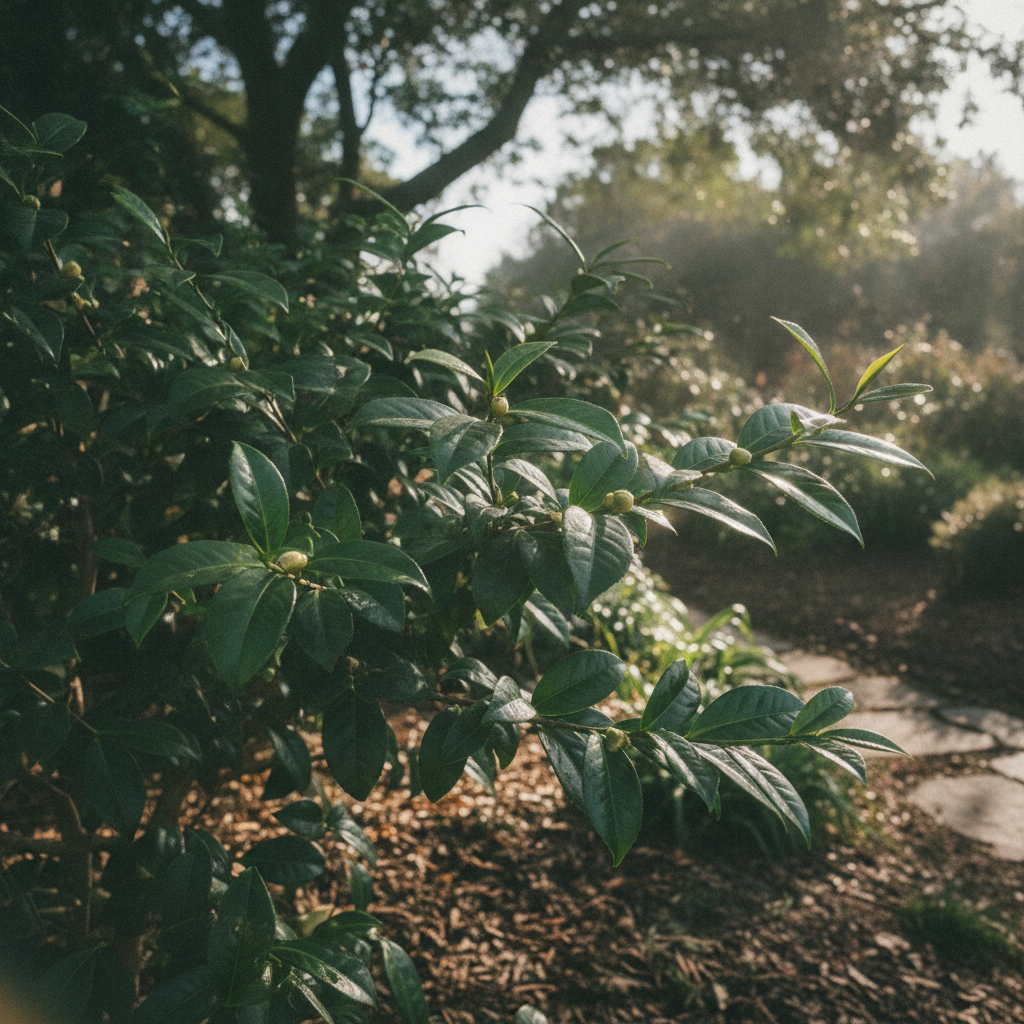

How To Grow Black Tea
Learn how to grow black tea at home: soil, climate, and the five processing steps from fresh leaf to a finished cup of black tea.

La sagesse est le chemin vers un meilleur thé.
Recevez notre guide d'infusion gratuit : la bonne eau, la bonne température et le bon temps d'infusion pour chaque thé de notre catalogue. Vous êtes aussi informé en premier des nouvelles récoltes.
Pas de spam. Désinscription à tout moment.
Consultez votre boîte mail.
Le guide est en route.