












Dandelion Root Tea: A Complete Brewing Guide
Dandelion root tea is one of those herbal infusions that has been brewed for centuries longer than most people realize. Long before it became a trendy caffeine-free alternative in specialty tea shops, dandelion root was being dried, roasted, and steeped across Europe and Asia as a staple of traditional herbalism. Today it occupies a unique position in the herbal tea world: earthy, full-bodied, naturally caffeine-free, and one of the few herbal ingredients that genuinely stands up to comparison with coffee.

This guide covers what dandelion root tea actually is, how it tastes, how to brew it properly, its place in traditional herbal practice, and what to look for when buying it.
At Valley of Tea, we have been sourcing and tasting teas for over fifteen years. This guide draws on that experience.
What Is Dandelion Root Tea
Dandelion root tea is an herbal infusion made from the dried root of Taraxacum officinale, the common dandelion. It is not a true tea — there is no Camellia sinensis involved — and it is naturally caffeine-free. The root is the most commercially popular part of the dandelion plant for tea-making, outpacing both the leaf (which produces a lighter, more bitter brew) and the flower (which is rarely sold commercially).
The dandelion is native to Eurasia but grows on every inhabited continent. It is one of the hardiest plants on the planet, thriving everywhere from alpine pastures to neglected city lots. This ubiquity is precisely why dandelion root has such deep roots in herbal traditions worldwide — it was always available, always abundant, and always free.
What sets dandelion root apart from most herbal teas is its body. The root stores the plant's energy reserves, primarily as inulin, a type of prebiotic fiber. According to a 2023 review published in Molecules (2023), Taraxacum officinale root contains a rich profile of bioactive compounds including inulin, sesquiterpene lactones, and phenolic acids — compounds that collectively give the root its distinctive bitter taste and full-bodied character. (PMC: Dandelion Chemical Constituents and Pharmacological Effects.) This gives brewed dandelion root a weight and mouthfeel that most herbal teas simply do not have. Where chamomile or peppermint can feel thin in the cup, dandelion root feels substantial.
Dandelion roots are typically harvested in autumn, when inulin content peaks, or in early spring before the plant channels energy into flowering. Autumn roots tend to produce a sweeter, more rounded cup.
Roasted vs Unroasted Dandelion Root

The distinction between roasted and unroasted (sometimes called "raw") dandelion root is significant. These are not subtle variations — they produce fundamentally different cups.
Unroasted dandelion root is dried but not heat-treated beyond the drying process. It brews a lighter-colored cup — amber to pale brown — with a pronounced earthy, slightly bitter flavor. The taste is more vegetal and mineral, with a straightforward herbal character. Unroasted root is what you will find in most traditional herbal preparations and in many herbal tea blends where dandelion is one ingredient among several.
It has a clean, direct taste that some drinkers prefer for its honesty. There is nothing hiding behind caramelization here — you taste the root as it is. Our unroasted dandelion root is cut and dried for loose brewing.
Roasted dandelion root is dried and then roasted at high temperatures, which triggers the Maillard reaction and caramelizes the inulin stored in the root. The result is a dark brown, full-bodied cup with nutty, toasty, and caramel notes. The bitterness softens and rounds out. Roasted dandelion root is what most people encounter first, and it is the version responsible for the plant's reputation as a coffee substitute. Try our roasted dandelion root for the full coffee-alternative experience.
The choice between the two is a matter of preference, not quality. We stock both at Valley of Tea, and the difference in what customers reach for is telling. For depth, sweetness, and a full dark cup — something that earns its place alongside your morning coffee ritual — roasted is the right call. For something softer, more herbaceous, closer to the plant's natural character, unroasted gives you that: a herbal tea that reminds you of coffee without trying to replicate it. Both are worth knowing.
Dandelion Root Tea as a Coffee Alternative

This is where dandelion root tea has its strongest commercial identity, and for good reason. After tasting caffeine-free alternatives for over fifteen years, roasted dandelion root is the most convincing one available — more so than chicory alone, more so than roasted barley, and considerably more so than most grain-based coffee substitutes on the market. We sell it precisely because customers who switch away from coffee for health or sleep reasons are often looking for something that fills the same ritual slot, not just the same flavor. Roasted dandelion root does that better than anything else we carry.
The comparison is grounded in chemistry, not marketing. The roasting process produces many of the same aromatic compounds found in roasted coffee beans: Maillard reaction products that create nutty, toasty, and slightly smoky flavors. The resulting brew is dark, bitter in a familiar way, and full-bodied enough to feel like a real drink rather than flavored hot water.
Where dandelion root differs from coffee is in intensity. It lacks the sharp acidity and the punchy, aggressive bitterness of coffee. The body is rounder and smoother. For some, this is a limitation — they want an exact coffee replica and dandelion root does not deliver that. For others, it is the entire point: the ritual, the dark cup, the warmth and bitterness, all without caffeine, acid reflux, or disrupted sleep.
Practical tips for coffee-style brewing: use 2 to 3 teaspoons of roasted dandelion root per cup, brew with fully boiling water, and steep for 7 to 10 minutes. A French press works well. Dandelion root also takes milk or plant-based alternatives beautifully — oat milk in particular complements the caramel notes. A dandelion root latte made with frothed oat milk is a legitimate drink in its own right.
For those who want to push closer to a coffee-like experience, blending roasted dandelion root with roasted chicory root is a classic combination. Chicory adds sharpness and woody depth; dandelion root provides smoothness and body. A 50/50 blend is a good starting point. Adjust the ratio to taste.
Flavor Profile
Dandelion root tea's flavor depends on processing, but the roasted version — being the most widely consumed — deserves the most detailed description.
Roasted dandelion root opens with toasty, nutty aromatics. In the cup, expect caramel sweetness up front, followed by a moderate bitterness that sits in the back of the mouth without becoming aggressive. There are earthy undertones — not muddy, but grounded and warm. Some batches carry a faint smokiness depending on roast level. The finish is clean and slightly dry. Body is medium to full, significantly heavier than most herbal teas.
Unroasted dandelion root is earthier and more mineral. The sweetness is muted or absent. Bitterness is more forward and more herbaceous — closer to the bitterness of radicchio or endive than the bitterness of coffee. The body is lighter but still more substantial than most herbal infusions.
Neither version is floral, fruity, or delicate. Dandelion root tea sits firmly in the earthy, bitter, robust category of herbal drinks. If you enjoy rooibos, pu-erh, or roasted grain teas, dandelion root will feel familiar territory. If your preference runs toward jasmine or fruit tisanes, this is a different world entirely.
How to Brew Dandelion Root Tea

Dandelion root is forgiving to brew, but a few details make the difference between a flat cup and a good one.
Water temperature: Use fully boiling water, 100 degrees Celsius. Dandelion root is tough, fibrous material. It needs aggressive heat to release its flavors properly. Unlike green tea or white tea, there is no risk of scorching — boiling water is correct.
Amount: Use 1 to 2 teaspoons of dried dandelion root per 250 ml cup for a standard brew. For a coffee-strength cup, increase to 2 to 3 teaspoons. Loose root pieces and coarsely cut root need more volume than finely ground root. We also carry dandelion root powder for those who prefer a finer grind with faster extraction.
Steep time: 7 to 10 minutes minimum. Dandelion root releases its flavors slowly. A 3-minute steep will produce a weak, disappointing cup. If you want body and depth, give it time. Unlike many teas, dandelion root does not become unpleasantly bitter with longer steeping — you can push to 15 minutes without harsh results.
Simmering method: For maximum extraction, some drinkers simmer dandelion root in a small saucepan for 10 to 15 minutes rather than simply steeping. This decoction method produces the strongest, darkest cup and is the traditional preparation in many European herbal traditions. Bring water and root to a boil, reduce to a low simmer, cover, and let it go. Strain and serve.
Re-steeping: Dandelion root can handle a second steep, though the cup will be noticeably lighter. Add an extra minute or two to the second infusion.
Traditional Uses in European and Chinese Herbalism
Dandelion root has a documented history of use in traditional herbal systems spanning centuries. This is historical context, not a claim about what dandelion root tea will do for you today — but the history is genuinely interesting and helps explain why this plant has endured as a herbal ingredient while so many others have faded from use.
European herbalism: Dandelion appears in European herbal texts dating back to at least the 10th century. Arab physicians referenced it, and by the medieval period it was established in European materia medica. The French common name "pissenlit" — a blunt reference to its traditional use as a diuretic — gives some indication of how it was employed in folk practice. German and Austrian herbalists included dandelion root in spring tonics and bitter preparations, part of a broader European tradition of using bitter plants to support digestion. A comprehensive review published in the Bulletin of the National Research Centre identified twelve therapeutic properties attributed to Taraxacum officinale across 54 studies, noting its longstanding role in diuretic and digestive herbal traditions. (Springer: Comprehensive Review of Taraxacum officinale on Human Health.)
In British folk herbalism, dandelion root was roasted and brewed as a coffee substitute particularly during periods when coffee was scarce or expensive — a practice that persisted through both World Wars.
The concept of "spring cleaning" tonics was widespread in European folk traditions, and dandelion root featured prominently. After long winters of heavy, preserved food, herbalists recommended bitter plants and roots as part of seasonal dietary shifts. Dandelion was among the most accessible and widely used.
Chinese herbalism: In traditional Chinese medicine, dandelion appears as pu gong ying and has been referenced in Chinese herbal texts for over a thousand years. It was classified as a bitter, cold herb and was traditionally associated with clearing heat. Chinese herbalists used the whole plant — root, leaf, and flower — in various preparations, though the applications differed from European uses. Pu gong ying appears in classical formulas and was commonly combined with other herbs rather than used alone. Research on its GI applications has been reviewed in the Journal of Ethnopharmacology, confirming the breadth of its documented traditional use across cultures. (PubMed: The Potential of Dandelion in the Fight Against Gastrointestinal Diseases.)
What is notable across both traditions is consistency. Dandelion root was not a passing fad in either system. It persisted across centuries, across cultural boundaries, and across very different theoretical frameworks of herbalism. That durability says something about the plant's place in human history.
I encountered this history directly through sourcing: our supplier passed on the wartime coffee substitute tradition not as a historical footnote but as living context — the practice of roasting and brewing dandelion root during periods when coffee was rationed or unavailable was something their family had direct knowledge of. That kind of supplier relationship is how trade knowledge stays grounded rather than becoming marketing copy.
Blending Dandelion Root Tea
Dandelion root's earthy, bitter profile makes it an excellent blending base. It pairs well with ingredients that either complement its roasted character or provide contrast.
Complementary blends: Roasted chicory root is the classic partner — together they create a richer, more complex coffee alternative. Roasted barley or rye add grain sweetness. Carob adds natural sweetness and chocolate-adjacent notes without sugar.
Contrast blends: Cinnamon and ginger add warmth and spice that cut through the earthiness. A pinch of cardamom lifts the cup and adds aromatic complexity. Licorice root (in small amounts) softens bitterness and adds natural sweetness — a little goes a long way.
Balancing blends: For those who find dandelion root too bitter on its own, blending with rooibos creates a smoother, more approachable cup while maintaining the caffeine-free profile. Vanilla pairs well with roasted dandelion root, rounding out the caramel notes.
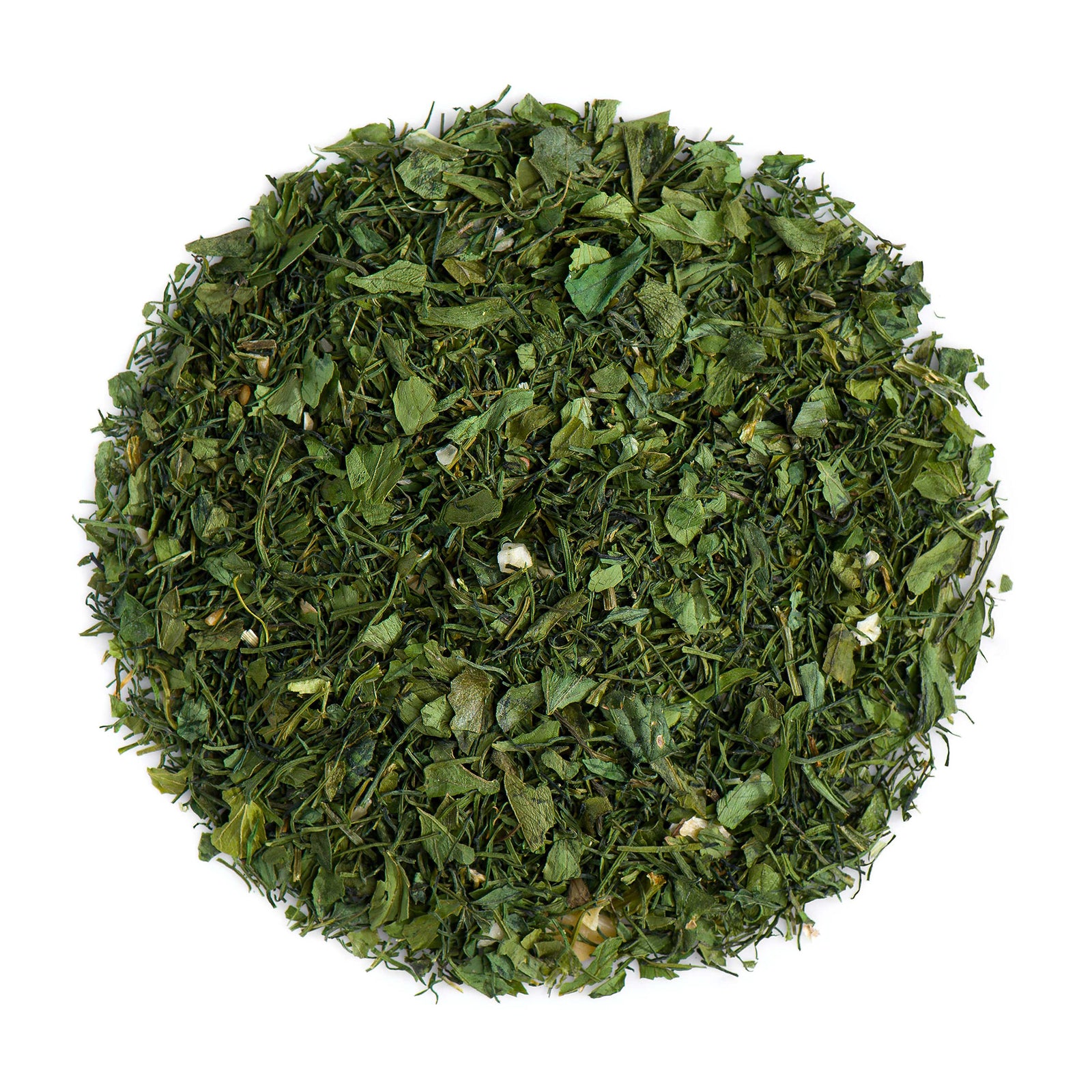
Start with dandelion root as 50 to 70 percent of the blend and adjust from there. The root's flavor is assertive enough to carry a blend without being so dominant that it drowns out supporting ingredients. At Valley of Tea we carry four dandelion products separately — dandelion root, dandelion root powder, roasted dandelion root, and dandelion leaf — rather than a pre-made blend.
That is a deliberate choice: customers blending for a coffee substitute tend to want control over the roasted-to-unroasted ratio and what they add alongside it. The most common use we see for the roasted root is exactly that — as a standalone coffee substitute, drunk on its own rather than blended.
Buying Quality Dandelion Root Tea

Not all dandelion root tea is equal. The difference between good and mediocre product is significant, and a few factors are worth paying attention to.
Loose leaf over tea bags. As with most herbal teas, loose dandelion root gives you better flavor, better aroma, and more control over strength. Tea bags often contain finely ground material that brews quickly but lacks depth and complexity. If you are buying dandelion root for its flavor rather than convenience, loose is the way to go.
Roast level matters. Some roasted dandelion roots are lightly roasted — more amber than dark brown, with milder caramel notes. Others are deeply roasted, nearly black, with intense toasty flavor. Neither is objectively better, but know what you are buying. If you want a coffee substitute, look for a darker roast. If you want something gentler, a light roast or unroasted root may suit you better.
Origin and sourcing. Dandelion grows everywhere, but commercially sold dandelion root comes primarily from cultivated sources in Europe, China, and North America. European-sourced root, particularly from Poland, Germany, and France, has a strong reputation for quality. Look for suppliers who can tell you where their dandelion root comes from — vague sourcing is a red flag.
Organic certification. Given that dandelions are often harvested from fields and meadows, organic certification provides some assurance that the root has not been exposed to herbicides or pesticides. For a plant whose entire appeal is its naturalness, this matters.
Freshness. Dried dandelion root keeps well but does lose potency over time. Buy from suppliers with good turnover. If your dandelion root smells like cardboard rather than earthy and slightly sweet, it is past its prime.
Dandelion root tea will never be the most glamorous item in the herbal tea world. It does not have the visual appeal of butterfly pea flower or the exotic backstory of pu-erh. What it has is substance — centuries of traditional use, a genuinely interesting flavor profile, real utility as a coffee alternative, and the kind of honest, grounded character that keeps people coming back to it long after the novelty of trendier herbs has worn off. Brew it strong, give it time, and let it speak for itself.
Laisser un commentaire
Les commentaires sont approuvés avant leur publication.
Voir l'article entier
The Complete Guide to Drinking Tea
What tea is, how the main types differ in the cup, and how to brew each one properly. Water temperature, steeping times, storage and how to get more than one cup from your leaves.
Voir l'article entier

Black Tea: Types, Processing, and How to Brew It
Black tea is fully oxidized Camellia sinensis. Compare Assam, Darjeeling, Keemun, and Ceylon varieties. Learn processing, brewing, and caffeine levels.

How To Grow Black Tea
Learn how to grow black tea at home: soil, climate, and the five processing steps from fresh leaf to a finished cup of black tea.

La sagesse est le chemin vers un meilleur thé.
Recevez notre guide d'infusion gratuit : la bonne eau, la bonne température et le bon temps d'infusion pour chaque thé de notre catalogue. Vous êtes aussi informé en premier des nouvelles récoltes.
Pas de spam. Désinscription à tout moment.
Consultez votre boîte mail.
Le guide est en route.