













Thé Vert Japonais : Types, Saveurs et Préparation
Le thé vert japonais n'est pas simplement du thé vert qui se trouve provenir du Japon. C'est un produit fondamentalement différent du thé vert chinois, façonné par une philosophie de transformation différente, des cultivars différents et des attentes différentes quant au goût que doit avoir un thé. Si vous buvez du thé vert chinois et pensiez que les versions japonaises n'en étaient qu'une variante régionale, la première gorgée d'un sencha ou d'un gyokuro correctement infusé corrigera immédiatement cette impression.

Chez Valley of Tea, nous nous approvisionnons directement auprès des producteurs de thé vert japonais depuis plus de quinze ans. Nous avons goûté d'innombrables lots de production, en avons rejeté bien plus que nous n'en avons accepté, et avons constitué une gamme qui reflète ce que le thé vert japonais peut offrir de meilleur. Ce guide présente les différences essentielles, les principaux types, la manière de bien préparer chacun d'eux, et les critères à surveiller lors de l'achat.
Ce qui distingue le thé vert japonais

La différence fondamentale entre le thé vert japonais et le thé vert chinois tient à la chaleur. Plus précisément, à la façon dont les feuilles fraîches sont traitées dans les premières minutes suivant la récolte pour stopper l'oxydation.
Les producteurs de thé vert chinois font revenir leurs feuilles à la poêle. Ils les remuent dans un wok ou un tambour chaud, appliquant une chaleur sèche directement à la surface de la feuille. Cela produit des thés aux saveurs plutôt grillées, de noisette ou de châtaigne. La chaleur est appliquée progressivement et peut être modulée selon le savoir-faire du maître de thé.Les producteurs japonais cuisent leurs feuilles à la vapeur. Quelques heures après la cueillette, les feuilles fraîches passent dans une chambre de vapeur où le contact direct avec la vapeur stoppe presque instantanément l'oxydation enzymatique. Ce procédé est plus rapide et plus intense que la cuisson à la poêle, et il produit un profil aromatique totalement différent. La cuisson à la vapeur préserve la couleur vert vif de la feuille, fixe les arômes végétaux et marins, et conserve les acides aminés — en particulier la L-théanine — qui donnent au bon thé vert japonais sa profondeur umami caractéristique.
Le résultat est que les thés verts japonais ont un goût « vert » que les thés verts chinois n'ont tout simplement pas. Là où un Longjing ou un Bi Luo Chun peut évoquer des noix grillées ou des fleurs de printemps, un bon sencha rappelle les légumes verts cuits à la vapeur, l'air marin et l'herbe fraîchement coupée. Ce ne sont pas de subtiles nuances. Ce sont deux approches entièrement distinctes d'une même matière première.
Les cultivars utilisés au Japon renforcent cette divergence. Le Yabukita, qui représente la majorité de la production de thé japonaise, a été spécifiquement sélectionné et développé pour la transformation à la vapeur. Des cultivars plus récents comme le Saemidori, l'Okumidori et l'Asatsuyu apportent chacun leur propre profil d'acides aminés et leurs propres caractéristiques aromatiques, mais tous ont été développés dans le cadre de la tradition japonaise de cuisson à la vapeur.
Les types de thé vert japonais

Le Japon produit une gamme remarquable de thés verts à partir d'une zone de culture relativement restreinte. Voici les six types que vous êtes le plus susceptible de rencontrer, chacun ayant son propre caractère et sa propre vocation.
Sencha
Le sencha est l'épine dorsale du thé japonais — il représente environ 80 % de l'ensemble du thé produit au Japon. Les feuilles sont cultivées en plein soleil, récoltées, cuites à la vapeur, roulées en fines aiguilles, puis séchées. La qualité et le caractère du sencha varient considérablement selon le moment de la récolte, la durée de cuisson à la vapeur, le cultivar et la région de culture.
Le sencha de première récolte (cueilli en avril et mai) est riche en acides aminés et présente un goût doux, rond et riche en umami. Les récoltes plus tardives évoluent vers davantage d'astringence et moins de complexité. La durée de cuisson à la vapeur compte également : un sencha légèrement cuit à la vapeur (asamushi) donne une infusion claire et vive ; un sencha longuement cuit à la vapeur (fukamushi) donne une tasse plus épaisse, plus trouble et plus douce. Les deux sont excellents — ce sont simplement des expressions différentes.
Un bon sencha est vif, riche en nuances et gratifiant. Un mauvais sencha est plat, amer, et sent le foin ancien. L'écart entre les deux est considérable.
Gyokuro
Le gyokuro est le thé en feuilles le plus prisé au Japon. Ce qui le distingue du sencha, c'est l'ombrage. Pendant environ trois semaines avant la récolte, les théiers sont recouverts de structures d'ombrage qui bloquent la majeure partie de la lumière directe du soleil. Cela force la plante à produire davantage de chlorophylle et, surtout, empêche la conversion de la L-théanine en catéchines. Le résultat est un thé d'une profondeur umami extraordinaire — intensément savoureux, presque proche d'un bouillon, avec une douceur qui persiste longtemps après la dégustation.
Le gyokuro n'est pas un thé du quotidien. Il est concentré, riche, et se déguste au mieux en petites quantités et en pleine attention. Sa production demande beaucoup de main-d'œuvre et les rendements sont faibles, ce qui se reflète dans le prix. Mais pour quiconque s'intéresse sérieusement au thé, le gyokuro est une expérience essentielle. Rien d'autre dans le monde du thé n'a vraiment ce goût.
Matcha
Le matcha est cultivé à l'ombre comme le gyokuro, mais après la cuisson à la vapeur, les feuilles sont étalées à plat pour sécher plutôt que roulées, ce qui donne un thé appelé tencha. Le tencha est ensuite broyé à la meule de pierre en une poudre extrêmement fine. Lorsque vous préparez du matcha, vous consommez la feuille entière — il n'y a ni filtrage, ni résidu à jeter. Tout ce que contient la feuille se retrouve dans votre tasse.
Cela fait du matcha la forme la plus concentrée de thé vert japonais. La saveur d'un bon matcha de qualité cérémoniale est riche, onctueuse et profondément umami, avec une douceur naturelle et une amertume minimale. Les qualités inférieures (souvent étiquetées qualité culinaire ou qualité ingrédient) ont un goût plus astringent et conviennent mieux aux lattes, à la pâtisserie et à la cuisine qu'au fouettage traditionnel dans un bol.
Le matcha est devenu extrêmement populaire dans le monde entier, ce qui a eu des effets contrastés sur la qualité. Une grande partie de ce qui se vend à l'international sous le nom de matcha ne passerait pas les normes de qualité de base au Japon. La couleur est le premier indice : un matcha authentique de haute qualité présente un vert vif, presque électrique. S'il paraît jaunâtre, brunâtre ou terne, c'est soit une qualité inférieure, soit un produit périmé.
Hojicha
Le hojicha est l'exception qui casse les règles. Il commence sa vie comme thé vert — généralement du bancha ou du sencha de qualité inférieure — puis est torréfié à haute température. La torréfaction transforme tout : les feuilles brunissent, l'infusion devient ambrée-rougeâtre, et la saveur passe du végétal au chaud, au grillé et au noiseté. Des notes de caramel, de céréales grillées et de cacao remplacent la fraîcheur herbacée du thé vert non torréfié.
La torréfaction réduit également nettement la teneur en caféine, ce qui explique pourquoi le hojicha est traditionnellement servi après le dîner et donné aux enfants au Japon. Il est chaleureux, réconfortant, et pratiquement impossible à mal préparer. Si vous trouvez la plupart des thés verts trop herbacés ou astringents, le hojicha pourrait être votre porte d'entrée.
Genmaicha
Le genmaicha est un thé vert — généralement du bancha ou du sencha — mélangé à du riz torréfié et parfois soufflé. Le riz apporte un arôme grillé caractéristique, proche du pop-corn, et une douceur agréable qui adoucit le caractère du thé de base. Certaines versions utilisent du riz saupoudré de matcha, ce qui ajoute de la couleur et de la profondeur umami.
Le genmaicha était historiquement considéré comme un thé populaire, une façon d'étirer des feuilles de thé coûteuses avec du riz bon marché. Cette origine n'a cependant rien à voir avec son goût. Un bon genmaicha est réellement délicieux — chaleureux, réconfortant et équilibré. C'est une excellente porte d'entrée vers le thé vert japonais pour les personnes qui trouvent le sencha pur trop végétal.
Bancha
Le bancha est le thé du quotidien au Japon. Il est issu de récoltes plus tardives — les feuilles plus grandes et plus mûres, cueillies après que les précieuses première et deuxième récoltes ont été effectuées. Sa saveur est plus légère et moins complexe que celle du sencha, avec davantage d'astringence et moins d'umami. Il a un goût net et direct, parfois avec une note légèrement boisée ou proche de la paille.
Le bancha n'a rien de glamour, et ce n'est pas son objectif. C'est le thé que les foyers japonais gardent à portée de main pour la journée, servi simplement avec les repas. Son faible coût et sa grande tolérance à une préparation imprécise en font un thé pratique et sans prétention. Il sert également de base à la fois au hojicha et à de nombreux mélanges de genmaicha.
Le spectre des saveurs

Les thés verts japonais couvrent un éventail de saveurs plus large que ce que la plupart des gens imaginent. Classés approximativement du plus délicat au plus corsé :
Le gyokuro se situe à l'extrémité la plus riche en umami — intensément savoureux, presque comme un bouillon, avec une douceur concentrée et pratiquement aucune astringence lorsqu'il est correctement infusé. Le sencha couvre un large terrain intermédiaire, du vif et herbacé (cuisson courte à la vapeur, récolte tardive) au rond, doux et corsé (cuisson longue à la vapeur, première récolte). Le matcha livre tout à la fois — umami, douceur, une amertume agréable et une texture épaisse et enveloppante.En se dirigeant vers l'extrémité plus chaude, le genmaicha introduit des notes de riz grillé qui complètent et adoucissent la base de thé vert. Le bancha est net et simple, un thé neutre en bouche et polyvalent. Et le hojicha se distingue entièrement du reste — chaud, noiseté et caramélisé, ayant plus de points communs avec le thé d'orge grillée qu'avec le sencha.
Cette diversité signifie que, quelque part dans la famille des thés verts japonais, il existe un thé pour presque tous les palais. Les personnes qui n'aiment pas les saveurs herbacées ou végétales apprécient souvent le hojicha. Celles qui recherchent la profondeur et l'umami se tournent vers le gyokuro. Et le sencha, dans ses nombreuses formes, couvre tout ce qui se trouve entre les deux.
Comment infuser chaque type

Les thés verts japonais sont plus sensibles aux paramètres d'infusion que la plupart des autres catégories de thé. Quelques degrés de trop ou trente secondes d'infusion supplémentaires peuvent rendre un thé magnifique amer et imbuvable. Voici les paramètres que nous utilisons et recommandons.
Sencha
Utilisez 4 à 5 grammes de feuilles pour 150 à 200 ml d'eau. Chauffez l'eau à 70-80 degrés Celsius — bien en dessous de l'ébullition. Laissez infuser de 60 à 90 secondes. Videz chaque goutte ; ne laissez pas les feuilles tremper dans l'eau entre les infusions. Un bon sencha vous donnera trois infusions solides, parfois quatre. Augmentez légèrement la température et réduisez le temps d'infusion à chaque infusion suivante.
Gyokuro
Le gyokuro demande de la patience et des températures plus basses. Utilisez 5 grammes de feuilles pour 60 à 80 ml d'eau — oui, c'est un ratio feuille/eau bien plus élevé que pour le sencha. Chauffez l'eau à 50-60 degrés Celsius. Laissez infuser de 90 à 120 secondes. Le faible volume et le ratio concentré produisent une petite tasse d'une liqueur extraordinairement intense et riche en umami. Les deuxième et troisième infusions peuvent utiliser un peu plus d'eau et des températures plus élevées.
Matcha
Pour une préparation traditionnelle, tamisez 2 grammes (environ deux cuillères en bambou) de matcha dans un bol. Ajoutez 70 à 80 ml d'eau à 70-80 degrés Celsius. Fouettez vigoureusement avec un chasen en bambou, selon un mouvement en W ou en M, jusqu'à ce que la surface soit recouverte d'une mousse fine et uniforme. Buvez immédiatement — le matcha commence à se déposer et à perdre sa texture en quelques minutes. Pour une préparation plus légère (usucha), utilisez moins de poudre. Pour une version plus épaisse, proche d'une pâte (koicha), doublez la poudre et réduisez l'eau.
Hojicha
Utilisez 4 à 5 grammes pour 200 ml. La température est indulgente : 90-100 degrés Celsius convient bien. Laissez infuser de 30 à 60 secondes. Le hojicha est suffisamment robuste pour supporter l'eau bouillante sans devenir amer — la torréfaction a déjà décomposé les composés responsables de l'astringence. Des infusions rapides font ressortir la douceur grillée. Plusieurs infusions sont possibles, mais la saveur s'estompe plus vite qu'avec le sencha.
Genmaicha
Utilisez 4 à 5 grammes pour 200 ml à 80-85 degrés Celsius. Laissez infuser de 60 à 90 secondes. Le riz torréfié est assez tolérant, mais la base de thé vert peut tout de même devenir amère en cas de surinfusion. Deux à trois infusions sont habituelles, bien que la saveur du riz s'estompe après la première infusion.
Bancha
Utilisez 5 grammes pour 200 ml à 80-90 degrés Celsius. Laissez infuser de 30 à 60 secondes. Le bancha tolère bien des températures plus élevées et un minutage imprécis, ce qui explique en partie pourquoi il fonctionne comme thé quotidien. Il ne demande pas d'attention particulière, et récompense cette simplicité par des résultats constants et nets.
Thé vert japonais et caféine

L'une des questions que l'on nous pose le plus souvent concerne la caféine, et la réponse honnête est : cela dépend entièrement du type de thé.
Le gyokuro est le thé vert japonais le plus riche en caféine. La période d'ombrage prolongée augmente sensiblement la teneur en caféine — environ 120 à 140 mg par tasse lorsqu'il est infusé selon les ratios concentrés décrits plus haut. Cela le place au-dessus de la plupart des cafés par portion.Le matcha est également riche en caféine car vous consommez la feuille entière plutôt qu'une extraction. Une portion standard contient environ 60 à 70 mg de caféine — comparable à un shot d'espresso. Cependant, la présence de L-théanine module cet effet, ce qui explique pourquoi de nombreuses personnes rapportent que le matcha procure une vigilance soutenue sans la nervosité associée au café. C'est une observation constante dans la culture du thé japonaise depuis des siècles.
Le sencha contient une quantité modérée de caféine — environ 30 à 50 mg par tasse selon le moment de la récolte et les paramètres d'infusion. Le sencha de première récolte tend à en contenir davantage que les récoltes plus tardives.
Le bancha et le genmaicha se situent en bas de l'échelle, généralement entre 15 et 30 mg par tasse, car ils utilisent des feuilles de récolte plus tardive (bancha) ou diluent le thé avec du riz (genmaicha).
Le hojicha a la teneur en caféine la plus basse de tous les thés verts japonais, environ 7 à 15 mg par tasse. La torréfaction à haute température provoque la sublimation d'une partie de la caféine hors de la feuille. C'est pourquoi le hojicha est traditionnellement le thé du soir et des enfants au Japon.
Si vous surveillez votre consommation de caféine, l'enseignement pratique est que les thés verts japonais offrent tout un éventail de possibilités — du gyokuro à l'extrémité la plus riche au hojicha à l'extrémité la plus faible, avec de nombreuses options entre les deux.
Notre gamme japonaise

Nous sourçons nos thés verts japonais selon les mêmes exigences que pour l'ensemble de notre catalogue : relations directes avec les producteurs, évaluation personnelle de chaque lot, et volonté de rejeter tout ce qui ne répond pas à notre seuil de qualité. Les thés japonais ne pardonnent particulièrement pas un approvisionnement de mauvaise qualité. Le sencha éventé, le matcha de qualité inférieure et le hojicha générique sont omniprésents sur le marché, et ils donnent une image faussée de ce que ces thés peuvent réellement offrir.
Notre gamme japonaise actuelle comprend le sencha, le gyokuro, le matcha (qualité cérémoniale), le hojicha, le genmaicha et le bancha. Chacun a été sélectionné parce qu'il représente bien son type — non parce qu'il était bon marché ou facile à sourcer. Nous faisons tourner les lots spécifiques selon les disponibilités, car la production de thé japonais est saisonnière et les meilleurs lots sont en quantité limitée.
Si vous découvrez le thé vert japonais, nous vous suggérons de commencer par le sencha et le hojicha. Ils se situent aux deux extrémités opposées du spectre des saveurs et démontrent ensemble l'étendue remarquable que couvre le thé japonais. À partir de là, le gyokuro et le matcha offrent une exploration plus approfondie pour ceux qui le souhaitent.
Bien acheter son thé vert japonais

Le thé vert japonais est périssable. Plus que presque toute autre catégorie de thé, il perd rapidement en qualité une fois exposé à l'air, à la lumière, à la chaleur ou à l'humidité. Voici ce qu'il faut rechercher — et ce qu'il faut éviter.
La couleur compte. Le sencha et le gyokuro doivent présenter un vert profond et vif. Le matcha doit être d'un vert électrique, presque anormalement lumineux. Si l'un de ces thés paraît jaunâtre, brunâtre ou terne, il est soit de qualité inférieure, soit passé sa date de fraîcheur. Le hojicha fait exception — il doit être brun, et les feuilles doivent paraître uniformément torréfiées, sans morceaux noircis ou brûlés. L'arôme vous dit tout. Un sencha frais dégage un parfum vif — légumes verts cuits à la vapeur, herbe coupée, parfois une note marine. Un matcha frais sent doux et intensément végétal. Si vous ouvrez un paquet et ne sentez rien, ou pire, sentez quelque chose de rassis et de papier, le thé a perdu ce qui le rendait intéressant à acheter. L'emballage protège la qualité. Le thé vert japonais doit être vendu dans un emballage opaque, hermétique et refermable. Les sachets transparents, les fins emballages en papier et les boîtes ouvertes sont autant de signaux d'alerte. Une fois le paquet ouvert, refermez-le hermétiquement, conservez-le à l'abri de la lumière et de la chaleur, et consommez-le dans les quelques semaines pour le sencha et le matcha. Le hojicha et le genmaicha sont un peu plus stables, mais bénéficient tout de même d'un bon stockage. La précision de l'origine est bon signe. Une étiquette qui indique simplement « thé vert japonais » et rien de plus vous en apprend très peu. Recherchez des producteurs ou vendeurs capables d'indiquer la région (Shizuoka, Uji, Kagoshima, Yame), le cultivar, la saison de récolte et le style de cuisson à la vapeur. Plus l'information est précise, plus il est probable que le vendeur prête réellement attention à ce qu'il vend. Le prix reflète la réalité. Un gyokuro authentique de haute qualité et un matcha cérémoniel coûtent cher à produire. Si vous les trouvez à des prix qui semblent trop beaux pour être vrais, c'est presque toujours le cas. Le sencha offre un meilleur rapport qualité-prix en milieu de gamme, et le bancha comme le hojicha sont réellement abordables sans compromis sur la qualité. Le marché du thé japonais récompense les acheteurs informés — sachez ce que chaque type devrait coûter, et méfiez-vous des écarts, dans un sens comme dans l'autre.Le thé vert japonais, à son meilleur, compte parmi les thés les plus gratifiants au monde. Le procédé de cuisson à la vapeur crée un profil aromatique qui n'existe nulle part ailleurs, et l'éventail allant du gyokuro au hojicha offre suffisamment de matière à explorer pendant des années. Cela fait longtemps que nous faisons ce métier, et nous trouvons encore de nouvelles choses à apprécier dans une bonne tasse de sencha. C'est la marque d'une tradition théière qui mérite d'être prise au sérieux.
Articles connexes
Laisser un commentaire
Les commentaires sont approuvés avant leur publication.
Voir l'article entier
The Complete Guide to Drinking Tea
What tea is, how the main types differ in the cup, and how to brew each one properly. Water temperature, steeping times, storage and how to get more than one cup from your leaves.
Voir l'article entier
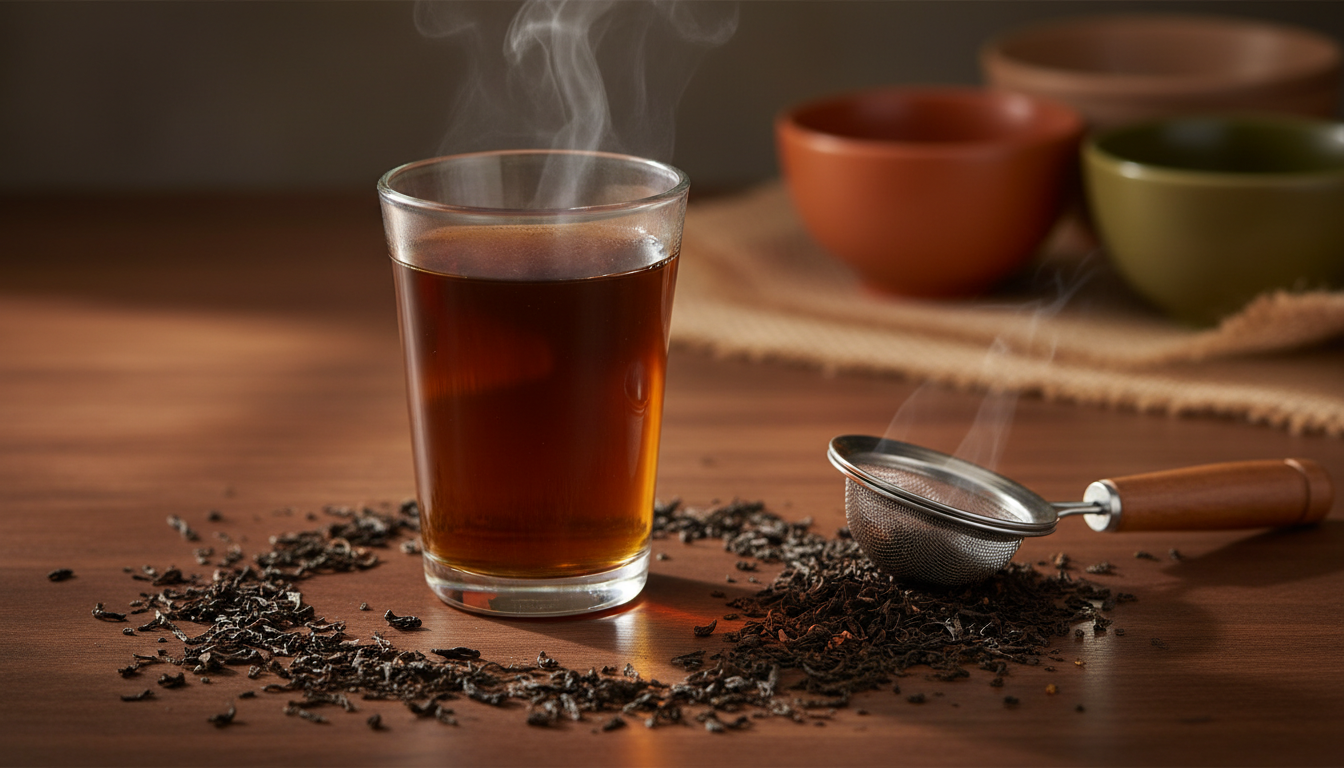

Black Tea: Types, Processing, and How to Brew It
Black tea is fully oxidized Camellia sinensis. Compare Assam, Darjeeling, Keemun, and Ceylon varieties. Learn processing, brewing, and caffeine levels.
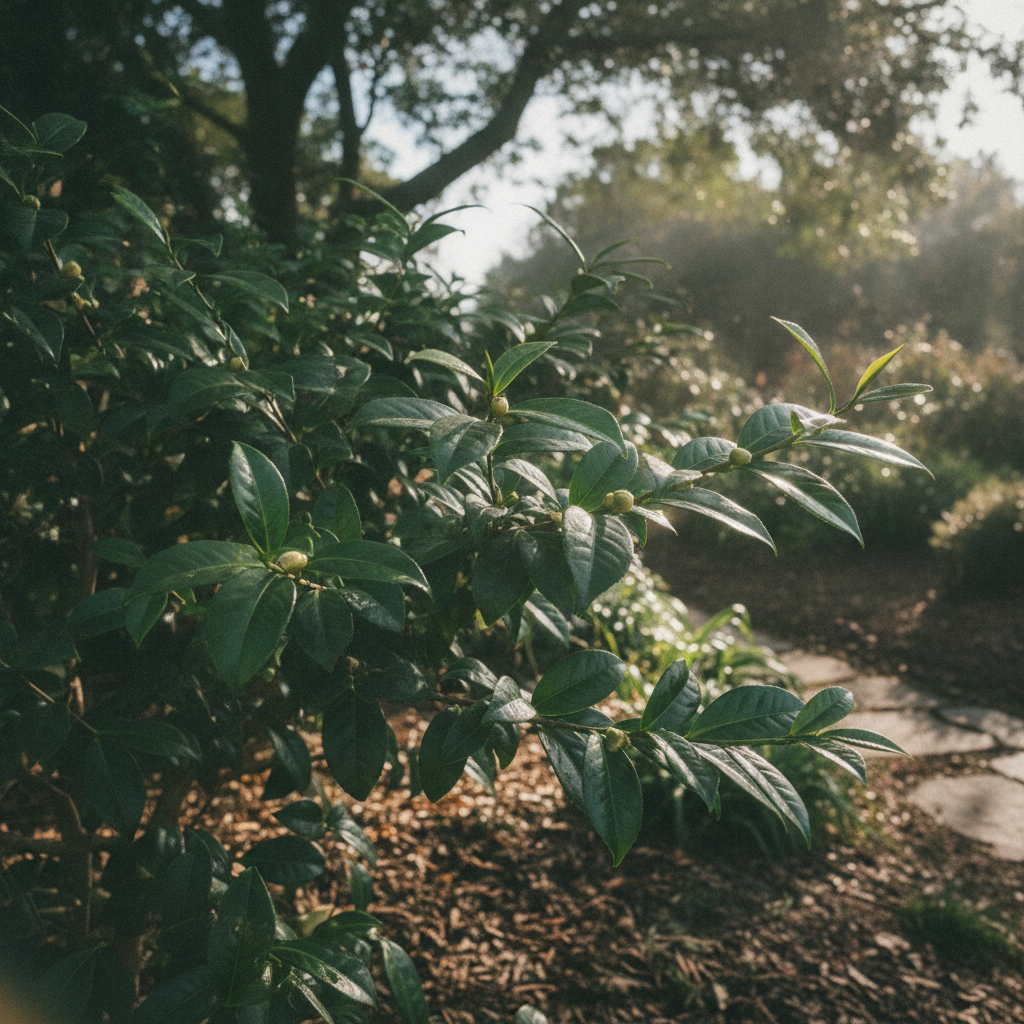

How To Grow Black Tea
Learn how to grow black tea at home: soil, climate, and the five processing steps from fresh leaf to a finished cup of black tea.

La sagesse est le chemin vers un meilleur thé.
Recevez notre guide d'infusion gratuit : la bonne eau, la bonne température et le bon temps d'infusion pour chaque thé de notre catalogue. Vous êtes aussi informé en premier des nouvelles récoltes.
Pas de spam. Désinscription à tout moment.
Consultez votre boîte mail.
Le guide est en route.