













Racine de Curcuma : Guide Complet des Usages et de la Préparation
La racine de curcuma est un pilier des cuisines et des pharmacopées traditionnelles d'Asie du Sud et du Sud-Est depuis des milliers d'années. Bien avant de devenir un ingrédient de latte à la mode, ce rhizome doré était moulu dans les currys, infusé dans l'eau chaude et utilisé dans les pratiques ayurvédiques et la médecine traditionnelle chinoise. Si vous vous êtes déjà demandé ce qui rend la racine de curcuma si durable — et comment bien l'utiliser — ce guide couvre tout ce qu'il faut savoir.
Chez Valley of Tea, nous sourçons et dégustons des thés depuis plus de quinze ans. Le curcuma que nous proposons provient du district des Jaintia Hills, au Meghalaya — curcuma Lakadong, apprécié pour sa teneur en curcumine et sa couleur intense. Ce guide s'appuie sur cette expérience d'approvisionnement.

Qu'est-ce que la racine de curcuma ?
La racine de curcuma est le rhizome souterrain du Curcuma longa, une plante tropicale de la famille du gingembre (Zingiberaceae). Originaire du sous-continent indien et de l'Asie du Sud-Est, elle prospère dans les climats chauds et humides, sur des sols bien drainés. La plante elle-même développe de larges feuilles lancéolées et peut atteindre environ un mètre de hauteur, mais c'est le rhizome noueux sous la surface qui concentre toute sa valeur.
Ouvrez un rhizome de curcuma frais et vous découvrirez un intérieur orangé-doré intense — une couleur si vive qu'elle tache les planches à découper, les doigts et les vêtements au contact. Ce pigment éclatant provient des curcuminoïdes, le groupe de composés responsable de la teinte caractéristique du curcuma et d'une grande partie de sa réputation traditionnelle.
L'Inde produit environ 80 % du curcuma mondial et en consomme la majeure partie sur son propre territoire. Le rhizome est documenté dans les textes culinaires et ayurvédiques indiens depuis bien plus de 4 000 ans. Dans les pratiques traditionnelles, le curcuma servait aussi bien à préparer des pâtes pour les plaies et des toniques digestifs qu'à des rituels cérémoniels et à la teinture textile. Son nom sanskrit, haridra, apparaît tout au long de la littérature ayurvédique classique.
Curcuma frais et curcuma séché
Vous rencontrerez le curcuma sous deux formes principales : le rhizome frais et la poudre séchée (ou les doigts entiers séchés). Chacune a sa place, et les différences comptent plus que ne le pensent la plupart des gens.

Le curcuma frais ressemble au gingembre frais — des segments noueux en forme de doigts, recouverts d'une fine peau brune. La chair est ferme, humide et d'un orange éclatant. Le curcuma frais a une saveur plus vive et plus complexe que le curcuma séché. Il présente une note terreuse légère, des accents poivrés et légèrement amers, ainsi qu'une pointe subtile d'agrume qui disparaît une fois le rhizome séché et moulu.
Le curcuma frais est excellent râpé dans les smoothies, tranché dans les sautés, ou écrasé dans des boissons chaudes.
Le curcuma séché s'obtient en faisant bouillir ou cuire à la vapeur les rhizomes frais, puis en les séchant au soleil ou au four avant de les moudre. Ce procédé concentre la saveur et accentue le caractère terreux et légèrement amer, tout en atténuant les notes aromatiques plus vives et volatiles. La poudre de curcuma séché est bien plus pratique pour la cuisine de tous les jours et constitue la forme standard utilisée dans des mélanges d'épices comme la poudre de curry, le ras el hanout et la pâte dorée.
Une règle générale : une cuillère à soupe de curcuma frais râpé équivaut à peu près à une cuillère à café de poudre de curcuma séché. La conversion n'est pas exacte car la teneur en humidité varie, mais elle donne un bon point de départ.

Une remarque pratique : le curcuma frais tache bien plus fortement que la poudre séchée. Portez des gants pour le manipuler et utilisez une planche à découper dédiée, ou une planche que vous ne craignez pas de voir jaunir.
Le curcuma en infusion
Le curcuma a une longue histoire en tant qu'ingrédient de boisson. En Inde et dans toute l'Asie du Sud-Est, les boissons au curcuma font partie du quotidien des foyers depuis des générations — bien avant que les cafés occidentaux ne commencent à vendre des « lattes dorés ». Deux préparations se distinguent particulièrement.
Lait doré (Haldi Doodh)
Le lait doré est la boisson qui a fait connaître le curcuma au grand public occidental, bien que les familles indiennes le préparent depuis des siècles. La version traditionnelle est simple : lait chaud, curcuma, une pincée de poivre noir et, parfois, une touche de sucre. De nombreuses recettes y ajoutent de la cannelle, du gingembre ou de la cardamome.
Notre version chez Valley of Tea est simple : lait chaud, curcuma, miel et cannelle. Faites chauffer une tasse de lait (animal ou végétal — l'avoine et la noix de coco fonctionnent bien toutes les deux) à feu moyen. Incorporez une demi-cuillère à café de poudre de curcuma ou un morceau de curcuma frais râpé de la taille d'un pouce, une pincée de poivre noir moulu et un quart de cuillère à café de cannelle. Faites chauffer sans porter à ébullition, filtrez si besoin, et sucrez au miel selon le goût.

La matière grasse du lait aide à extraire les composés aromatiques du curcuma et donne à la boisson son onctuosité caractéristique.
Infusion simple de curcuma
Pour quelque chose de plus léger, une simple tisane de curcuma fait très bien l'affaire. Coupez quelques fines rondelles de curcuma frais (pas besoin de peler si le rhizome est bio et bien brossé) et laissez infuser dans de l'eau tout juste bouillie pendant 8 à 10 minutes. Ajoutez un filet de citron et une pincée de poivre noir. Le résultat est une boisson nette et réchauffante, à la saveur terreuse légère et à la couleur dorée. Vous pouvez aussi utiliser un quart à une demi-cuillère à café de poudre de curcuma fouettée dans l'eau chaude, même si la texture est moins raffinée.
Pour plus de profondeur, associez le curcuma à des tranches de gingembre et un bâton de cannelle. Ce trio donne une infusion chaleureuse et aromatique, particulièrement agréable pendant les mois froids.
Profil aromatique
La saveur de la racine de curcuma est plus nuancée que sa réputation ne le laisse penser. Beaucoup la considèrent simplement comme « terreuse », mais il s'y passe bien davantage.

La note dominante est chaude et terreuse, avec un piquant rappelant la moutarde qui se ressent en fin de bouche. Une amertume modérée est présente — pas désagréable, mais perceptible si l'on en utilise trop. Sous cette note terreuse, on retrouve une chaleur poivrée subtile (plus douce que celle du gingembre, son cousin botanique) et de légères notes de tête florales ou d'agrumes, surtout dans le rhizome frais.
Côté arôme, le curcuma frais dégage un parfum net, légèrement résineux. La poudre de curcuma séché est aromatiquement plus discrète, mais porte une note terreuse plus profonde et plus concentrée.
La saveur du curcuma est suffisamment affirmée pour s'exprimer seule dans une préparation simple, tout en se mariant facilement à un large éventail d'autres épices. Elle s'associe naturellement au cumin, à la coriandre, au gingembre, à la cannelle, à la cardamome, à la graine de moutarde et au fenugrec. Dans les boissons, elle se marie bien avec le citron, le miel, la noix de coco et la vanille.
Un point à comprendre : dans de nombreux plats, le curcuma apporte autant de couleur que de saveur. Dans les poudres de curry, par exemple, son rôle est en partie visuel — il crée cette teinte dorée caractéristique. Utilisé en excès, il peut rendre un plat désagréablement amer, il convient donc de le doser avec soin.

Usages culinaires
L'usage culinaire de la racine de curcuma va bien au-delà des currys, même si cela reste son application la plus connue.
Currys et ragoûts. Le curcuma est fondamental dans les cuisines d'Asie du Sud, d'Asie du Sud-Est et du Moyen-Orient. C'est l'une des premières épices ajoutées à l'huile chaude dans un tadka (tempérage), où elle s'épanouit et libère son arôme avant l'ajout des autres ingrédients.
Plats de riz. Une pincée de curcuma donne au riz nature une couleur dorée et apporte une profondeur subtile. Cette technique se retrouve dans les cuisines persane, indienne et indonésienne. Elle est essentielle dans des plats comme le biryani et le nasi kuning.
Soupes et bouillons. Une petite quantité de curcuma apporte chaleur et couleur aux soupes de légumes, aux bouillons d'os et aux plats de lentilles comme le dal. Il se marie particulièrement bien avec les soupes à base de noix de coco.

Œufs. Les œufs brouillés, les frittatas et les salades d'œufs gagnent avec une pincée de curcuma — pour la couleur comme pour une pointe de saveur terreuse.
Marinades et assaisonnements secs. Dans de nombreuses cuisines asiatiques et moyen-orientales, la pâte de curcuma sert de base de marinade pour le poulet, le poisson et le tofu. Mélangée à du yaourt, de l'ail et d'autres épices, elle donne des protéines savoureuses et à la couleur intense.
Pickles et conserves. Le curcuma est un ingrédient clé de nombreux pickles d'Asie du Sud (achaar) et intervient dans certaines préparations moyen-orientales de légumes conservés.
Smoothies. Du curcuma frais râpé dans un smoothie de fruits apporte de la couleur et une note épicée-terreuse subtile. Il se marie bien avec la mangue, l'ananas et la banane.

En cuisinant avec le curcuma, gardez à l'esprit qu'il est liposoluble. Le faire revenir brièvement dans l'huile ou le beurre — ou l'associer à du lait, de la crème de coco ou une autre matière grasse — révèle davantage sa saveur et sa couleur que de simplement l'ajouter à des préparations à base d'eau.
L'association avec le poivre noir
Vous remarquerez que presque toutes les recettes au curcuma font appel au poivre noir. Ce n'est pas un hasard — cette association plonge ses racines dans la cuisine et les préparations traditionnelles.
Dans les cuisines indiennes et d'Asie du Sud-Est, curcuma et poivre noir sont associés depuis des siècles. Les deux épices apparaissent ensemble si régulièrement dans les recettes traditionnelles que cette association précède toute explication scientifique moderne. Les praticiens ayurvédiques combinaient curcuma et poivre noir (souvent avec une source de matière grasse) comme méthode de préparation courante, selon le principe que certaines épices fonctionnent mieux ensemble que seules.
D'un point de vue pratique, le poivre noir apporte un piquant vif qui équilibre l'amertume terreuse du curcuma. Le résultat a simplement un goût plus complet que le curcuma seul. Dans le lait doré, la tisane de curcuma, les currys et les pâtes d'épices, une petite quantité de poivre noir fraîchement moulu complète la saveur et ajoute une note de chaleur.

Il n'en faut pas beaucoup — une petite pincée par portion suffit. Le poivre noir fraîchement moulu est nettement meilleur ici que le poivre pré-moulu, qui perd rapidement ses huiles volatiles.
Bien choisir sa racine de curcuma
Tous les curcumas ne se valent pas. La qualité varie considérablement selon l'origine, la transformation et la fraîcheur.
Curcuma frais. Recherchez des rhizomes fermes, lourds pour leur taille, sans zones molles ni moisissures. La peau doit être tendue, ni ridée ni flétrie. En cassant ou en coupant un morceau, l'intérieur doit être d'un orange vif et profond. Une chair pâle ou terne suggère un rhizome vieux ou cultivé dans de mauvaises conditions. Le curcuma frais est de plus en plus disponible dans les épiceries bien fournies, les marchés asiatiques et les magasins bio.
Poudre de curcuma séché. La couleur est le premier indicateur de qualité — recherchez un orangé doré, chaud et profond. Une poudre jaune terne ou brunâtre peut indiquer un produit ancien, mal conservé, ou frelaté. Malheureusement, la poudre de curcuma est l'une des épices les plus fréquemment frelatées au monde. Certains produits de qualité inférieure sont parfois allongés avec des charges bon marché, voire colorés avec des colorants synthétiques. Achetez auprès de marchands d'épices réputés ou de marques qui testent la pureté de leurs produits.

L'origine compte. Le curcuma indien fait référence, et au sein de l'Inde, le curcuma Lakadong du district des Jaintia Hills, au Meghalaya, se distingue nettement. Une étude publiée dans le Future Journal of Pharmaceutical Sciences confirme des taux de curcumine dans le curcuma Lakadong de 6,8 à 7,5 %, soit trois à quatre fois la moyenne commerciale — et la couleur en témoigne. Nous nous approvisionnons spécifiquement dans cette région. Les curcumas indonésien et vietnamien sont également appréciés pour un usage culinaire, mais si la teneur en curcumine et l'intensité de la couleur comptent pour vous, le Lakadong est la référence à privilégier.
La certification biologique mérite d'être prise en compte pour le curcuma, compte tenu des risques de frelatage et de l'usage important de pesticides dans certaines cultures conventionnelles de curcuma.
Les doigts de curcuma entiers séchés constituent un bon compromis entre le frais et la poudre. Ils se conservent plus longtemps que les rhizomes frais et peuvent être moulus à la maison selon les besoins. Ils sont aussi plus difficiles à frelater que la poudre pré-moulue.
Vous pouvez découvrir notre curcuma Lakadong du Meghalaya — sourcé directement des Jaintia Hills, avec une teneur en curcumine vérifiée, bien supérieure à la norme commerciale.
Conservation
Une bonne conservation fait une réelle différence sur la durée pendant laquelle votre curcuma reste savoureux et éclatant.
Le curcuma frais doit être conservé au réfrigérateur. Enveloppez-le sans trop serrer dans une feuille d'essuie-tout, placez-le dans un sac ou un récipient hermétique, et il se conservera deux à trois semaines. Pour une conservation plus longue, le curcuma frais se congèle exceptionnellement bien. Placez les rhizomes entiers, non pelés, dans un sac de congélation — ils se conserveront plusieurs mois. Vous pouvez râper le curcuma congelé directement dans les plats sans le décongeler, ce qui réduit aussi le problème des taches, la surface congelée étant moins juteuse.
La poudre de curcuma séché doit être conservée dans un récipient hermétique, à l'abri de la lumière, de la chaleur et de l'humidité. Un placard frais et sombre est idéal. Bien conservé, le curcuma moulu garde une bonne saveur et une bonne couleur pendant environ six mois à un an, même s'il perd progressivement en intensité avec le temps. Si votre poudre de curcuma a viré à un jaune terne et a perdu son parfum, il est temps de la remplacer.
Les doigts de curcuma entiers séchés se conservent plus longtemps que la poudre — jusqu'à deux ans dans un environnement frais, sombre et hermétique. Moulez-les selon vos besoins à l'aide d'un moulin à épices ou d'un mortier et d'un pilon. Notez que le curcuma entier séché est extrêmement dur, un moulin robuste est donc indispensable.
Ce que dit la recherche
Le curcuma a suscité une attention scientifique importante au cours des deux dernières décennies. Le National Center for Complementary and Integrative Health (NCCIH) propose un aperçu utile des données actuelles : si le curcuma et ses composés actifs ont montré des résultats prometteurs dans des études en laboratoire et sur l'animal, des preuves cliniques de haute qualité chez l'humain restent encore en développement. Une méta-analyse complète de 103 essais contrôlés randomisés publiée en 2024 a mis en évidence des preuves de haute fiabilité concernant les effets de la curcumine sur la glycémie à jeun, la protéine C-réactive (un marqueur de l'inflammation) et le cholestérol HDL — ainsi que des effets statistiquement significatifs sur 23 des 42 critères de santé étudiés.
Il convient de garder une certaine perspective ici. Les doses de curcumine utilisées dans les essais cliniques sont généralement bien plus élevées que celles obtenues en cuisinant avec du curcuma ou en buvant une tisane de curcuma. Les usages traditionnels — dans le cadre d'une alimentation variée, associés au poivre noir et à une matière grasse — reposent sur des siècles d'expérience pratique plutôt que sur une optimisation clinique. Les deux approches ont leur valeur.
En conclusion
La racine de curcuma est de ces ingrédients qui récompensent l'attention qu'on leur porte. Utilisé sans précaution, on obtient de l'amertume et des plans de travail tachés. Utilisé avec soin — dans la bonne quantité, avec la matière grasse adéquate, une pincée de poivre noir et un rhizome de bonne qualité — on obtient une profondeur de saveur et de couleur qu'aucune autre épice à elle seule ne peut égaler. Que vous l'incorporiez dans un dal, que vous l'infusiez dans du lait chaud par une soirée d'hiver, ou que vous en râpiez frais dans un smoothie du matin, le curcuma a gagné sa place parmi les épices les plus essentielles au monde.
Articles connexes
Thés présentés dans cet article

Laisser un commentaire
Les commentaires sont approuvés avant leur publication.
Voir l'article entier
The Complete Guide to Drinking Tea
What tea is, how the main types differ in the cup, and how to brew each one properly. Water temperature, steeping times, storage and how to get more than one cup from your leaves.
Voir l'article entier

Black Tea: Types, Processing, and How to Brew It
Black tea is fully oxidized Camellia sinensis. Compare Assam, Darjeeling, Keemun, and Ceylon varieties. Learn processing, brewing, and caffeine levels.
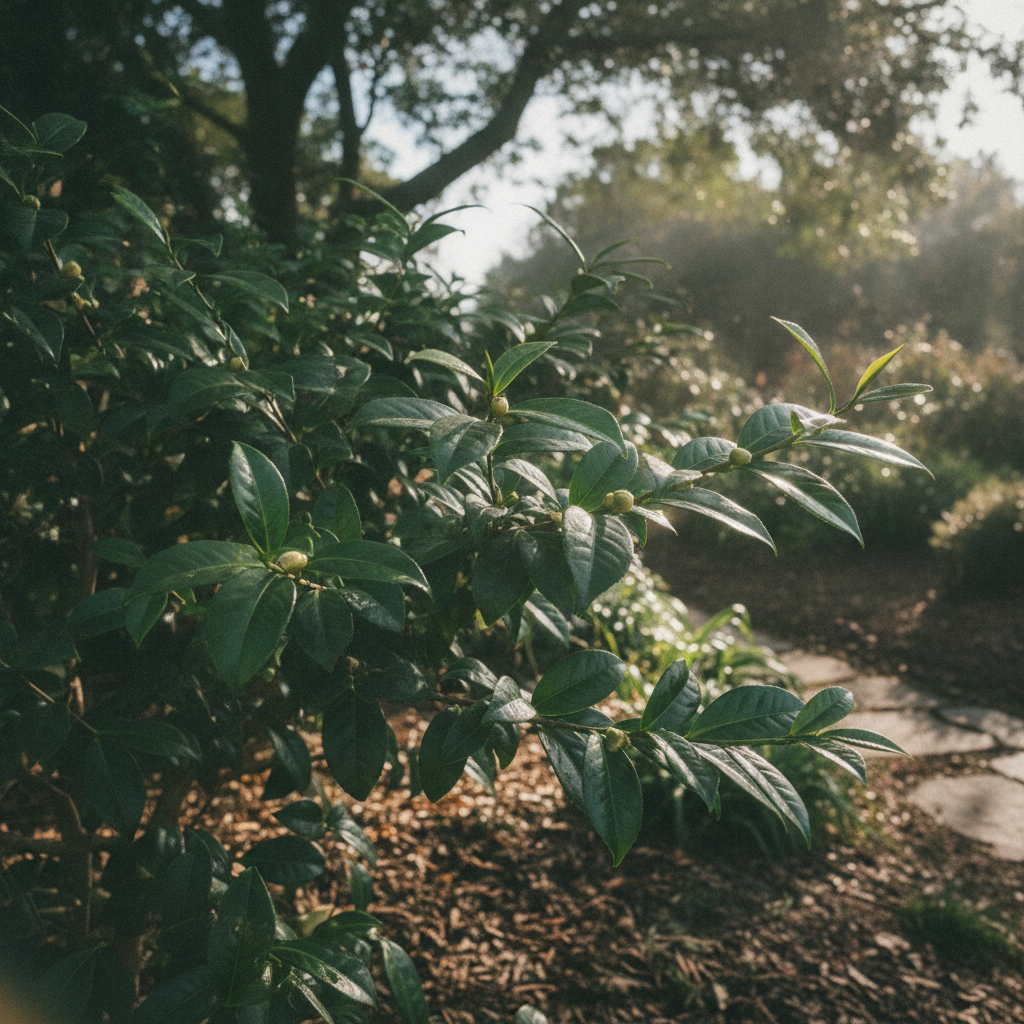

How To Grow Black Tea
Learn how to grow black tea at home: soil, climate, and the five processing steps from fresh leaf to a finished cup of black tea.

La sagesse est le chemin vers un meilleur thé.
Recevez notre guide d'infusion gratuit : la bonne eau, la bonne température et le bon temps d'infusion pour chaque thé de notre catalogue. Vous êtes aussi informé en premier des nouvelles récoltes.
Pas de spam. Désinscription à tout moment.
Consultez votre boîte mail.
Le guide est en route.