












What Is Valley of Tea Jasmine Tea?
Jasmine tea is one of the oldest and most widely consumed scented teas in the world. It has been produced in China for over seven hundred years, and it remains, by volume, the most popular scented tea on the planet. Yet most jasmine tea sold in Western markets is mediocre at best — bulk green tea given a single, perfunctory scenting that barely qualifies as the real thing.

At Valley of Tea, we source our jasmine teas directly from Fujian province, where the craft of jasmine scenting originated and where the best examples are still produced today. We have tasted and rejected far more lots than we have ever bought. This guide explains what jasmine tea actually is, how the scenting process works, what separates ordinary jasmine tea from exceptional jasmine tea, and how to get the most out of it at home.
What Is Jasmine Tea

Jasmine tea is not a tea type in the way that green tea or oolong is. It is a scented tea — a finished tea base that has been infused with the fragrance of fresh jasmine flowers. The base tea is almost always green tea, though jasmine-scented white teas and even jasmine oolongs exist.
The jasmine flowers used are Jasminum sambac, sometimes called Arabian jasmine. This species produces small, intensely fragrant white flowers that bloom at night. That nocturnal blooming cycle is central to the entire production method, and it is why jasmine tea making is as much about timing as it is about skill.
The practice began in Fuzhou, the capital of Fujian province, during the Song Dynasty. By the Ming Dynasty it had become a refined art. The basic principle has not changed in centuries: you take a good base tea, layer it with fresh jasmine blossoms at peak fragrance, and let the tea absorb the scent. Then you remove the spent flowers and repeat. The number of times you repeat that process determines the quality of the finished product.
How Jasmine Tea Is Scented

The scenting process is called "yin hua" in Chinese, and it is far more labour-intensive than most people realise. Understanding it explains why there is such a wide range of quality and price in jasmine tea.
It starts with the base tea. The green tea used for jasmine scenting is typically harvested in spring — March and April in Fujian — when the leaves are at their most tender and their flavour is cleanest. This base tea is then stored and kept dry until summer, when the jasmine flowers bloom. The scenting season runs from roughly June through September, with peak production in July and August.
Each afternoon, workers harvest jasmine buds that are still closed. They are collected and brought indoors, where they are spread out in thin layers. As evening arrives and temperatures drop, the buds open and release their fragrance. This is the critical window.
The tea maker layers the freshly opened flowers with the dry tea leaves. The ratio varies, but a good producer uses roughly one kilogram of flowers for every three to four kilograms of tea. The flowers and tea are mixed together, sometimes piled in layers a foot deep, and left overnight. The dry tea leaves act like sponges, absorbing moisture and volatile aromatic compounds from the blossoms.
By morning, the flowers have released their scent and are now wilted and spent. The tea maker separates the flowers from the tea using screens and sieves. The tea is then re-dried to remove the moisture it absorbed — this step is essential, because damp tea will deteriorate. Once the tea is dried, the process can begin again with a fresh batch of flowers.
Each full cycle of layering, absorbing, separating, and drying is called one scenting. High-volume commercial jasmine tea receives one or two scentings and is often finished with jasmine essential oil or flavouring to compensate. Decent jasmine tea gets three to four scentings. Premium jasmine tea is scented five, six, or even seven times. At the highest level, some producers perform a final scenting with fresh buds that are left in the tea for visual appeal — though this last addition is decorative, not functional.
The labour involved is substantial. Each scenting requires fresh flowers, each round of flowers must be harvested, opened, layered, and removed. The tea must be dried between each round without damaging its own character. A seven-scenting jasmine tea has been handled dozens of times before it reaches your cup.
Number of Scentings and Quality

The number of scentings is the single most reliable indicator of jasmine tea quality. More scentings mean a deeper, more layered fragrance that is fully integrated into the tea leaf rather than sitting on the surface.
One to two scentings produces a tea with a light, sometimes sharp floral note that fades quickly. The jasmine sits on top of the green tea flavour rather than merging with it. This is the level of most commercial jasmine tea, including nearly all jasmine tea bags.
Three to four scentings brings the fragrance into the body of the tea. The jasmine is smoother, rounder, and persists through multiple infusions. This is the quality level we consider the minimum for a good drinking experience.
Five to seven scentings produces jasmine tea where the line between the base tea and the jasmine fragrance essentially disappears. The scent is not applied to the tea — it has become part of the tea. The aroma is sweet, penetrating, and lingers after you swallow. These teas can be infused four or five times before the jasmine begins to diminish.
We specify the scenting count for our jasmine teas because we think you deserve to know what you are buying. Many vendors simply label their tea "jasmine green tea" with no indication of quality level. If a seller does not tell you the scenting count, assume it is low.
Types of Jasmine Tea

Jasmine Dragon Pearl
Our Dragon Pearl is the most recognisable form of jasmine tea. Each jasmine pearl is made by hand-rolling two leaves and a bud into a tight ball while the leaves are still pliable after scenting. The rolling traps the jasmine fragrance inside the pearl, which unfurls slowly during brewing, releasing flavour gradually.
Good Dragon Pearls are uniform in size, tightly rolled, and covered in fine silvery down from the tea buds. When you brew them, they should open into recognisable leaves — not crumble into dust. The slow unfurling makes Dragon Pearl particularly well-suited to gongfu-style brewing or glass teapot brewing, where you can watch the pearls open.
Lower-quality Dragon Pearls are often machine-rolled, use coarser leaves, and rely on fewer scentings. The pearls may look similar at a glance, but they brew flat and one-dimensional. The shape alone does not guarantee quality.
Jasmine Yin Hao
Yin Hao means "silver tips" and refers to jasmine tea made from leaves with a high proportion of downy buds. It is a loose-leaf style — long, slender leaves with visible silver-white hairs. Yin Hao tends to be lighter and more delicate than Dragon Pearl. The jasmine is present but does not dominate; there is more room for the base tea's own character to come through.
This is often the style preferred by experienced tea drinkers who want the jasmine fragrance without it overwhelming the green tea underneath. It brews a pale, luminous liquor with a clean finish.
Jasmine Silver Needle
Silver Needle jasmine takes the concept further. The base tea is made entirely from unopened buds — the same material used for Bai Hao Yin Zhen white tea. These buds are plump, covered in white down, and naturally sweet.
When scented with jasmine, the result is exceptionally delicate. The caffeine content is moderate, the body is light and silky, and the jasmine fragrance has an almost creamy quality. This is the most refined and expensive style of jasmine tea. It is worth trying at least once if you have any interest in understanding what jasmine tea can be at its best.
Our Sourcing from Fujian

Fujian province is where jasmine tea was invented, and it remains the benchmark. The region around Fuzhou in particular has the ideal combination of climate, soil, and expertise. The jasmine flowers grown there — in the warm, humid lowlands — are considered the most fragrant variety of Jasminum sambac available.
We source from Fujian because the alternatives do not match it. Jasmine tea is also produced in Guangxi, Yunnan, Sichuan, and other provinces, sometimes at lower cost. Some of those teas are perfectly acceptable. But for the quality level we want to offer, Fujian is where we consistently find the best material.
Our sourcing process is straightforward. We taste production lots, we evaluate the base tea quality and the scenting depth independently, and we buy what meets our standards. We do not buy jasmine tea where the scent has been augmented with essential oils or synthetic fragrance, which is more common in the market than most consumers realise. If the tea smells like jasmine perfume rather than like jasmine flowers, something has been added.
What Jasmine Tea Tastes Like

The flavour of well-made jasmine tea is a genuine synthesis — not green tea plus jasmine, but something that neither component produces alone.
The first thing you notice is the aroma. Before you even take a sip, the fragrance rises from the cup: sweet, floral, slightly heady but not cloying. In high-scenting teas, the aroma has depth. There is a top note of fresh jasmine, a middle note that is almost honeyed, and a base that is warm and round.
On the palate, the jasmine provides sweetness and body. The green tea base contributes structure — a clean, slightly vegetal backbone that keeps the tea from becoming one-dimensional. There should be no bitterness or harshness. If your jasmine tea tastes bitter, either the base tea was low quality or it has been brewed too hot.
The finish is where quality shows most clearly. Cheap jasmine tea has a short finish — the flavour drops off abruptly, sometimes leaving a dry or artificial aftertaste. Good jasmine tea lingers. The sweetness stays in the back of the throat, the floral note continues to develop even after you swallow. The Chinese call this "hui gan" — returning sweetness — and it is the hallmark of a tea worth drinking.
Across multiple infusions, the character shifts. The first steep is usually the most intensely floral. The second and third steeps bring out more of the green tea base. By the fourth or fifth steep, the jasmine has faded to a gentle background note and the tea's own character is front and centre.
Jasmine Tea and Caffeine

Jasmine tea contains caffeine because its base is real tea — usually green tea, occasionally white tea. The caffeine content is comparable to other green teas: roughly 25 to 40 milligrams per cup, depending on the leaf grade, the amount of tea used, water temperature, and steeping time.
This is meaningfully less than coffee, which typically delivers 80 to 120 milligrams per cup. It is also less than most black teas. If you are moderately sensitive to caffeine but not severely so, jasmine green tea is generally well tolerated, especially when consumed before mid-afternoon.
Jasmine Silver Needle, made from buds only, has a slightly different caffeine profile. Tea buds contain caffeine, but the overall extraction tends to be gentler because Silver Needle is brewed at lower temperatures and shorter times.
If you need a completely caffeine-free option, jasmine tea is not it. There are jasmine-flavoured herbal tisanes on the market, but they are not the same product and do not deliver the same flavour experience.
How to Brew Jasmine Tea

Jasmine tea is more forgiving than pure green teas like sencha or Longjing, but proper brewing still makes a significant difference. Here is what we recommend.
Water temperature: 80 to 85 degrees Celsius. This is below boiling. If you do not have a temperature-controlled kettle, bring your water to a full boil and then let it sit for two to three minutes before pouring. Water that is too hot will scorch the green tea base, introducing bitterness that overwhelms the jasmine.
Tea quantity: 3 to 4 grams per 200 millilitres of water. For Dragon Pearls, this is roughly 6 to 8 pearls depending on their size. For loose-leaf Yin Hao or Silver Needle, a heaped teaspoon is approximately right. If you have a small kitchen scale, use it — consistency matters more than most people think.
Steeping time: 2 to 3 minutes for the first infusion. Start with 2 minutes and adjust from there. If the tea tastes thin, go longer. If it tastes bitter, go shorter or reduce your water temperature slightly.
Multiple infusions: Good jasmine tea handles three to five infusions easily. Increase the steeping time by 30 seconds to one minute for each subsequent infusion. Dragon Pearls in particular benefit from multiple steeps because the pearls continue to unfurl and release flavour.
Vessel: A glass teapot or a porcelain gaiwan both work well. Glass has the advantage of letting you watch the leaves open — particularly satisfying with Dragon Pearls. Avoid unglazed clay teapots for jasmine tea. Porous clay absorbs fragrance, which will affect future brews of other teas in that pot.
Water quality: Use filtered water if your tap water is hard or heavily chlorinated. Mineral content affects extraction and can dull the jasmine's brightness.
Buying Quality Jasmine Tea

When you are evaluating jasmine tea, here is what to look for.
Scenting count. As discussed, this is the primary quality indicator. If it is not stated, be sceptical.
Appearance of the dry leaf. Good jasmine tea should look like good green tea — intact leaves with visible buds and silvery down. If the dry leaf is mostly broken fragments, the base tea was low grade. Spent jasmine flowers left in the tea are not necessarily a sign of quality; some producers add a decorative scattering of flowers at the end, but this is cosmetic.
Aroma of the dry leaf. Open the packet and smell it. The jasmine should smell natural — like flowers, not like air freshener. An aggressive, sharp, perfume-like scent suggests added flavouring. The best jasmine teas have a fragrance that is strong but smooth, sweet but not synthetic.
Flavour across infusions. Quality jasmine tea holds up through multiple steeps. If the jasmine vanishes after one infusion, the scenting was shallow. A well-scented tea will carry jasmine notes through three or four infusions at minimum.
Source and transparency. A vendor who can tell you where the tea comes from, what the base tea is, and how many times it was scented is a vendor who knows their product. Vague descriptions and marketing language without specifics are warning signs.
We have spent years building relationships with jasmine tea producers in Fujian who share our standards. Every jasmine tea we sell at Valley of Tea meets the quality criteria outlined in this guide. We believe that once you have tasted properly made jasmine tea, the difference is unmistakable — and you will not want to go back to the ordinary kind.
Laisser un commentaire
Les commentaires sont approuvés avant leur publication.
Voir l'article entier
The Complete Guide to Drinking Tea
What tea is, how the main types differ in the cup, and how to brew each one properly. Water temperature, steeping times, storage and how to get more than one cup from your leaves.
Voir l'article entier
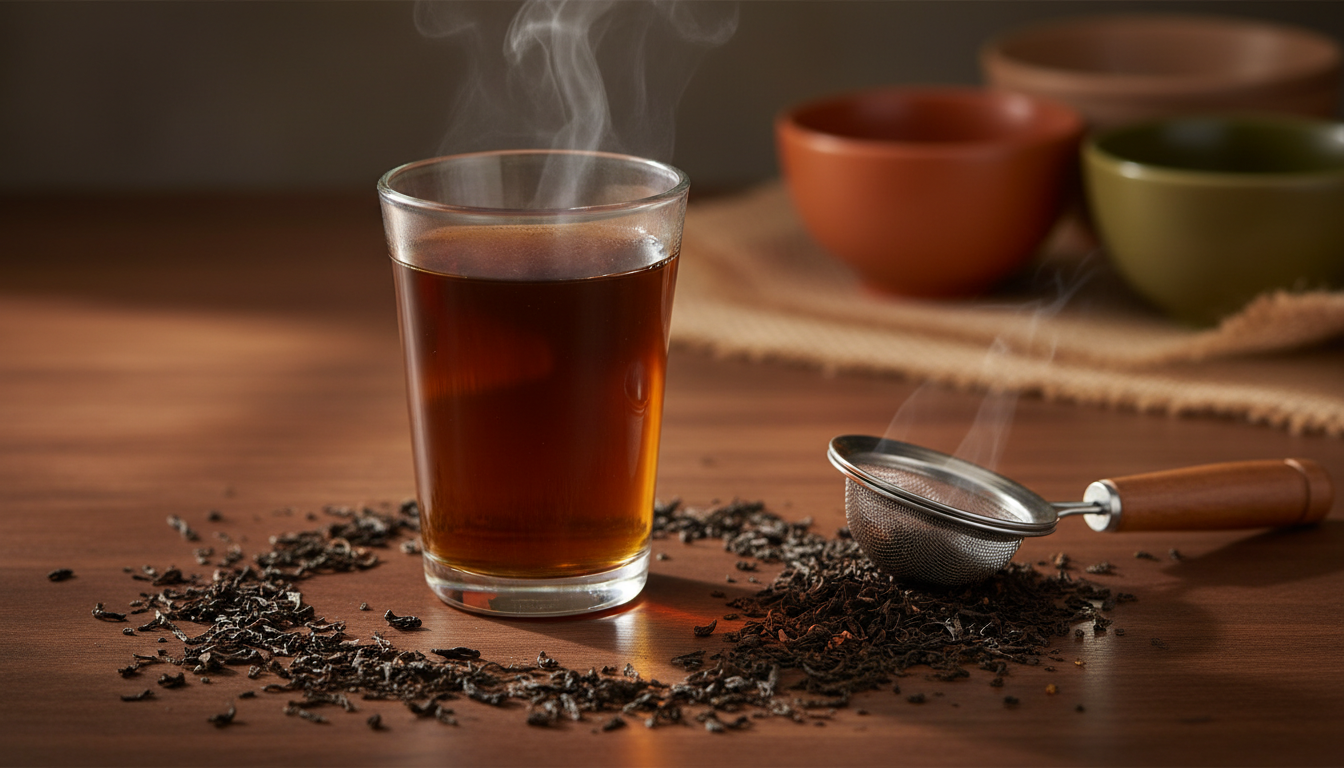

Black Tea: Types, Processing, and How to Brew It
Black tea is fully oxidized Camellia sinensis. Compare Assam, Darjeeling, Keemun, and Ceylon varieties. Learn processing, brewing, and caffeine levels.
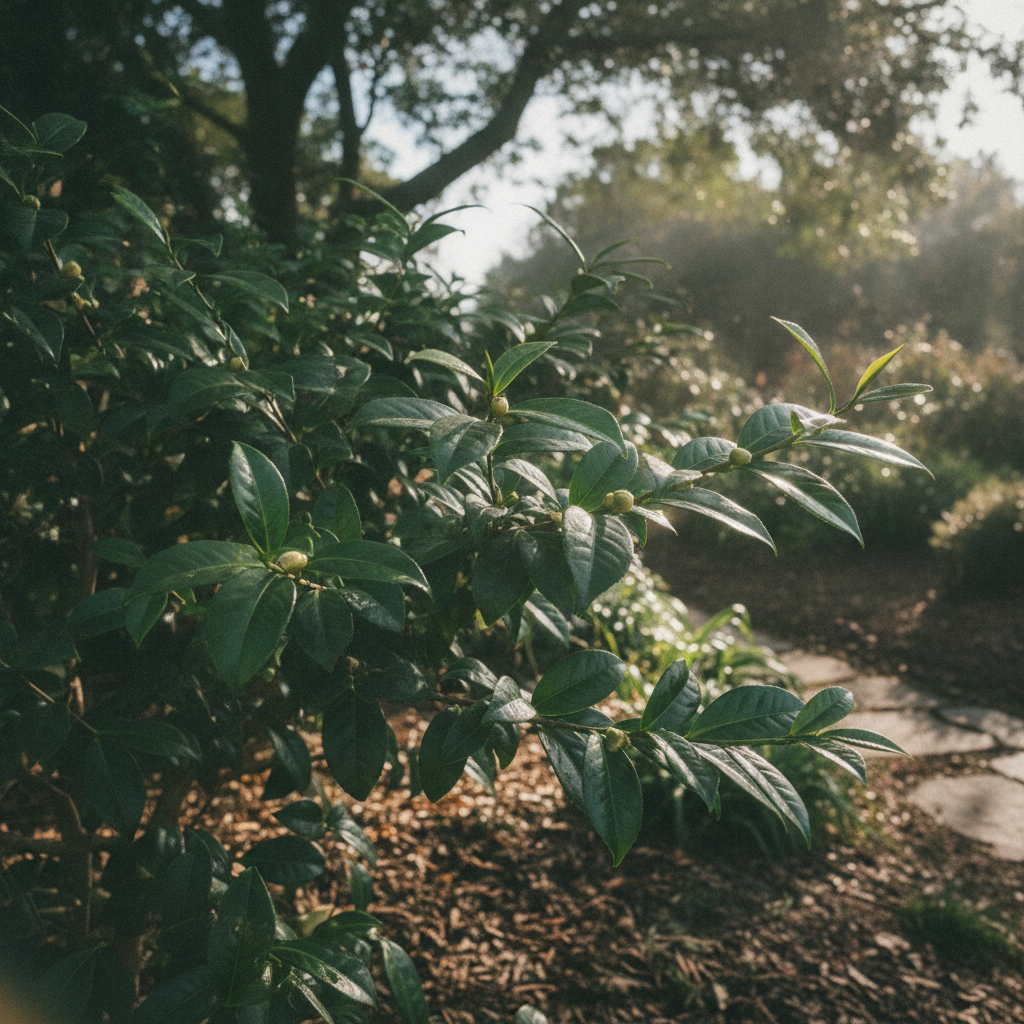

How To Grow Black Tea
Learn how to grow black tea at home: soil, climate, and the five processing steps from fresh leaf to a finished cup of black tea.

La sagesse est le chemin vers un meilleur thé.
Recevez notre guide d'infusion gratuit : la bonne eau, la bonne température et le bon temps d'infusion pour chaque thé de notre catalogue. Vous êtes aussi informé en premier des nouvelles récoltes.
Pas de spam. Désinscription à tout moment.
Consultez votre boîte mail.
Le guide est en route.