













Best Antioxidant-Rich Teas You Should Try
Tea is one of the most concentrated dietary sources of polyphenols — the class of plant compounds responsible for what is commonly called antioxidant activity. Every cup of properly brewed tea delivers measurable quantities of these compounds, but the type of tea, how it was processed, and how you brew it all determine how much ends up in your cup. This post covers the science of antioxidants in tea without overstating what they do, ranks the teas with the highest polyphenol content based on available research, and explains how to get the most from your leaves.
At Valley of Tea, we have been sourcing and tasting teas for over fifteen years. This guide draws on that experience.

What Are Antioxidants in Tea?
The word "antioxidant" describes a function, not a specific molecule. An antioxidant is any compound that can neutralize free radicals — unstable molecules that damage cells through a process called oxidative stress. The human body produces its own antioxidants and also obtains them from food. Tea happens to be an unusually rich source.
Polyphenols: The Broad Category
Polyphenols are a large family of plant compounds defined by their chemical structure: multiple phenol rings. Tea contains thousands of identified polyphenolic compounds, though only a fraction of these are present in significant quantities. Polyphenols are responsible for much of tea's colour, astringency, and bitterness. They are also the compounds most frequently studied in tea research.
The total polyphenol content of dried tea leaves ranges from roughly 20 to 35 percent by weight, depending on the cultivar, growing conditions, harvest timing, and processing method. That makes tea one of the most polyphenol-dense foods in the human diet, ahead of most fruits and vegetables on a per-serving basis.
Catechins: Green Tea's Signature Compounds
Catechins are a subgroup of polyphenols called flavan-3-ols. They are the dominant polyphenols in green and white tea because minimal processing preserves them in their original form. The four major catechins in tea are epicatechin (EC), epicatechin gallate (ECG), epigallocatechin (EGC), and epigallocatechin gallate (EGCG).

EGCG is the most abundant and the most studied. It typically accounts for 50 to 80 percent of total catechins in green tea. EGCG has strong antioxidant activity in laboratory assays, and it is the compound most often cited in research on green tea and oxidative stress. A 2024 review in PMC confirmed EGCG's wide range of pharmacological properties including potent free radical scavenging, anti-inflammatory, and antioxidant effects — though laboratory antioxidant activity does not translate directly to the same activity inside the human body, as bioavailability, metabolism, and absorption all modify the outcome (EGCG: Pharmacological Properties and Therapeutic Potential, PMC 2024).
Flavonoids, Theaflavins, and Thearubigins
Flavonoids are a broader class that includes catechins. All catechins are flavonoids, but not all flavonoids are catechins. Tea also contains other flavonoid subgroups including flavonols (such as quercetin and kaempferol) that contribute additional polyphenol content.
When tea leaves are oxidized during processing — as in the production of oolong and black tea — catechins are enzymatically converted into theaflavins and thearubigins. Theaflavins give black tea its bright amber colour and brisk taste. Thearubigins are darker, more complex compounds that contribute body and depth. Both have demonstrated antioxidant activity in laboratory studies, though their profiles differ from catechins.
The oxidation process does not eliminate antioxidant compounds; it transforms them into different ones.

Top Antioxidant-Rich Teas
Not all teas deliver the same polyphenol profile. Growing conditions, processing, and the part of the plant used all create significant variation. The following teas consistently rank highest in total polyphenol content across published research.
Matcha
Matcha is stone-ground whole green tea leaf, and this is the key distinction. When you drink matcha, you consume the entire leaf rather than an infusion of it. Research consistently shows that matcha delivers substantially higher polyphenol concentrations than steeped green tea — often cited at two to three times more EGCG in a standard serving, with the ratio climbing higher when more powder is used.
The shade-growing period before harvest (typically 20 to 30 days under cover) increases chlorophyll and L-theanine levels while also affecting the catechin profile. Ceremonial grade matcha from the first spring harvest tends to have the highest overall quality, though culinary grades still deliver meaningful polyphenol content.
Green Tea (Loose Leaf)
Standard steeped green tea — whether Chinese pan-fired styles like Dragon Well or Japanese steamed varieties like Sencha — is the most studied tea category for polyphenol content. A typical cup brewed at 70 to 80 degrees Celsius for two to three minutes contains roughly 50 to 100 milligrams of EGCG, plus additional catechins. A comparison of commercially available green teas published in Plant Foods for Human Nutrition (2023) found meaningful variation in catechin content across tea types and formats, with processing method playing a central role (Catechin Composition and Antioxidant Properties of Green Teas, Springer 2023).

Japanese steamed green teas tend to test slightly higher in catechin content than Chinese pan-fired greens. The steaming process preserves catechins more effectively than the higher-temperature wok firing. Among Japanese greens, fukamushi (deep-steamed) Sencha releases more compounds into the brew because the longer steaming breaks the leaf structure, allowing faster extraction. Our Gunpowder Green Tea is a classic Chinese pan-fired style — bold character with a strong polyphenol base.
Gyokuro, Japan's premium shade-grown green tea, presents an interesting case. The shading period reduces catechin levels (catechins increase with sun exposure as a stress response) but increases L-theanine. Gyokuro has a different polyphenol profile rather than simply a higher or lower one.
I brew our Premium Gyokuro at around 60 degrees Celsius — at that temperature the umami and sweetness come through beautifully. Go higher and you start pulling more astringency, and the delicate buttery, seaweed quality that defines a good Gyokuro gets lost.
White Tea
White tea undergoes the least processing of any tea type — the leaves are simply withered and dried with no kill-green step and no rolling. This minimal handling preserves a high catechin content. Several studies have found that certain white teas, particularly Silver Needle (Bai Hao Yin Zhen) made from young buds, contain catechin levels comparable to or even exceeding those of some green teas.

The catch is that white tea is typically brewed at lower temperatures and shorter steeping times, which can result in lower extraction per cup despite the leaf itself being polyphenol-rich. Adjusting brew parameters (covered in the brewing section below) can close this gap. Our White Peony is a good entry point — made from young buds and first leaves, it delivers a clean polyphenol profile with a gentle, floral character.
Oolong Tea
Oolong occupies a wide spectrum — from 15 to 85 percent oxidation — and its polyphenol content varies accordingly. Lightly oxidized oolongs like high-mountain Taiwanese varieties (Ali Shan, Li Shan) retain more catechins and test closer to green tea in their polyphenol profiles. Heavily oxidized oolongs like Da Hong Pao shift toward theaflavins and thearubigins, placing them closer to black tea.
Research on oolong polyphenols shows that the total antioxidant capacity does not necessarily decrease with oxidation — it changes character. Oolong also contains unique partially oxidized polyphenols that are found in neither green nor black tea, giving it a distinct biochemical profile. Our Tie Guan Yin is a lightly oxidized oolong with a floral, green profile and a strong catechin base.
Hibiscus Tea
Hibiscus (Hibiscus sabdariffa) is not a true tea — it contains no Camellia sinensis — but it deserves inclusion based on its polyphenol content alone. Hibiscus is exceptionally rich in anthocyanins, the pigment compounds responsible for its deep red colour. Anthocyanins are potent antioxidants in laboratory assays, and hibiscus consistently ranks among the highest-polyphenol herbal infusions.

The total polyphenol content of hibiscus infusions has been measured at levels comparable to green tea in several comparative studies. It is also caffeine-free, which makes it a practical option for anyone seeking polyphenol-rich beverages without stimulant effects.
Rooibos
Rooibos (Aspalathus linearis) is another caffeine-free option with a notable polyphenol profile, though different from Camellia sinensis teas. Rooibos contains aspalathin and nothofagin — two flavonoids that are unique to this plant and found in no other widely consumed food or beverage. Both have shown antioxidant activity in laboratory research.
Green (unoxidized) rooibos contains higher levels of aspalathin than traditional red (oxidized) rooibos. The oxidation process that gives red rooibos its characteristic colour and sweeter flavour converts some aspalathin into other compounds, reducing the total. If polyphenol content is a priority, green rooibos is the stronger choice. Our Green Rooibos is unoxidized and retains the full aspalathin profile.
How Processing Affects Antioxidant Content
Tea processing is the single biggest variable determining which polyphenols end up in your cup. The same Camellia sinensis leaf can become green tea, oolong, or black tea depending entirely on how it is handled after harvest.

Oxidation
Oxidation is the primary process that transforms tea polyphenols. The enzyme polyphenol oxidase, released when leaf cells are damaged, catalyzes the conversion of catechins into theaflavins and thearubigins. In green tea, this process is halted almost immediately through heat (pan-firing or steaming). In black tea, it is allowed to run to completion over several hours.
The practical result: green tea retains 60 to 80 percent of its original catechins, while black tea retains only a fraction. The lost catechins are not destroyed but converted into theaflavins and thearubigins, which have their own antioxidant profiles. Research on tea polyphenols confirms that the total antioxidant capacity of black tea, measured by standard assays like ORAC or FRAP, is lower than green tea but not dramatically so (Tea Polyphenols for Health Promotion, PMC).
Roasting and Firing
Heat treatment beyond the initial kill-green step also affects polyphenol content. Heavily roasted oolongs and hojicha (roasted Japanese green tea) have lower catechin levels than their unroasted equivalents. The Maillard reaction that produces the desirable toasty and caramel flavours comes at the cost of some polyphenol degradation.
This does not make roasted teas nutritionally insignificant — they still contain meaningful polyphenol levels — but if maximizing antioxidant content is the specific goal, lighter-processed teas are the better choice.

Aging
Aged teas like pu-erh undergo microbial fermentation over months or years. This process further transforms the polyphenol profile, creating unique compounds like theabrownins that are specific to aged teas. Aged pu-erh has a different antioxidant profile than fresh green tea, with lower catechin levels but unique microbial metabolites whose properties are still being studied. Our Aged Pu-erh represents this category — a deeply fermented tea with a character unlike anything in the green tea spectrum.
Brewing for Maximum Extraction
The polyphenol content of the dry leaf is only part of the equation. How you brew the tea determines how much of that content actually makes it into the liquid you drink.
Temperature
Higher water temperatures extract more polyphenols. Research consistently shows that brewing at 90 to 100 degrees Celsius extracts significantly more catechins than brewing at 60 to 70 degrees. The tradeoff is that higher temperatures also extract more caffeine and more bitter compounds, which is why delicate green teas are traditionally brewed at lower temperatures for flavour reasons.
If extraction is the priority, brewing green tea at 80 to 85 degrees Celsius is a reasonable middle ground — hot enough to extract substantial polyphenols, cool enough to avoid excessive bitterness.

Steeping Time
Polyphenol extraction increases with steeping time, but the relationship is not linear. The majority of catechins are extracted within the first three to five minutes. Steeping beyond five minutes continues to increase total polyphenol extraction, but at a diminishing rate, while bitterness and astringency increase more proportionally.
A three-minute steep at the right temperature extracts roughly 60 to 70 percent of available catechins. A five-minute steep gets closer to 80 percent. Beyond that, the returns diminish while the cup becomes increasingly tannic.
Leaf-to-Water Ratio
Using more leaf per cup of water increases polyphenol concentration proportionally. Loose leaf tea generally extracts more efficiently than tea bags because the leaves have room to expand and expose more surface area. Finely ground tea (like matcha) extracts most completely because the entire leaf is consumed.
Multiple Infusions
For teas brewed gongfu style with multiple short infusions, the first and second steeps contain the highest polyphenol concentrations. Each infusion pulls different compounds: the first is most intense, with the most astringency. By the third and fourth steep the tea becomes noticeably milder and sweeter — that shift in character is the principle behind gongfu brewing.

Short infusions extract different flavours than long steeps, and by combining all steeps, the total extraction can exceed what a single long steep produces because the repeated fresh hot water continues to draw out compounds.
Which Tea Has the Most Antioxidants?
Ranking teas by antioxidant content is not as straightforward as it appears, because the answer depends on how you measure — total polyphenols, specific catechins like EGCG, or overall antioxidant capacity as measured by laboratory assays.
That said, the general hierarchy supported by research is consistent. Matcha ranks highest on a per-serving basis because the whole leaf is consumed. Among steeped teas, green tea (particularly Japanese steamed varieties) ranks highest for catechin content. White tea is close behind and sometimes tests higher for specific catechins depending on the cultivar and processing.
Oolong falls in the middle, with its position depending heavily on oxidation level. Black tea has the lowest catechin content but meaningful levels of theaflavins and thearubigins. For caffeine-free options, hibiscus leads for total polyphenol content, followed by green rooibos.
If someone asks me where to start when their reason for buying is specifically antioxidant content, I point them to a good Japanese Sencha. It is refreshing enough to drink daily, and consistency is everything when health is the goal. From there, Gyokuro is the pinnacle — less than one percent of Japan's production, and the shading concentrates nutrients into the leaves in a way that is hard to match.
Matcha is often the first suggestion people expect, but Sencha is the more sustainable daily habit, and the one I would recommend first.
Lascia un commento
I commenti saranno approvati prima di presentarsi.
Anche in Valley of Tea Blog | Tea Guides, Origins & Brewing Tips
The Complete Guide to Drinking Tea
What tea is, how the main types differ in the cup, and how to brew each one properly. Water temperature, steeping times, storage and how to get more than one cup from your leaves.
Leggi di più

Black Tea: Types, Processing, and How to Brew It
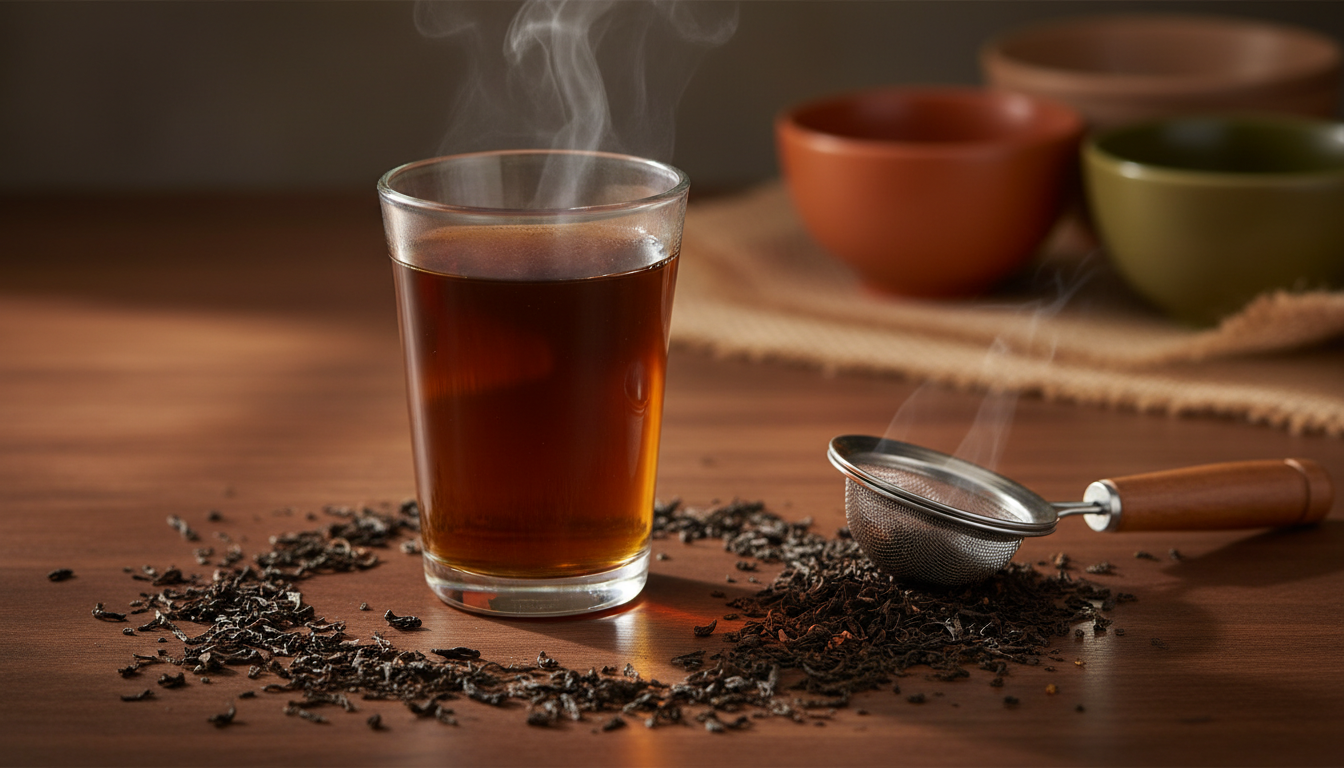
Black tea is fully oxidized Camellia sinensis. Compare Assam, Darjeeling, Keemun, and Ceylon varieties. Learn processing, brewing, and caffeine levels.

How To Grow Black Tea
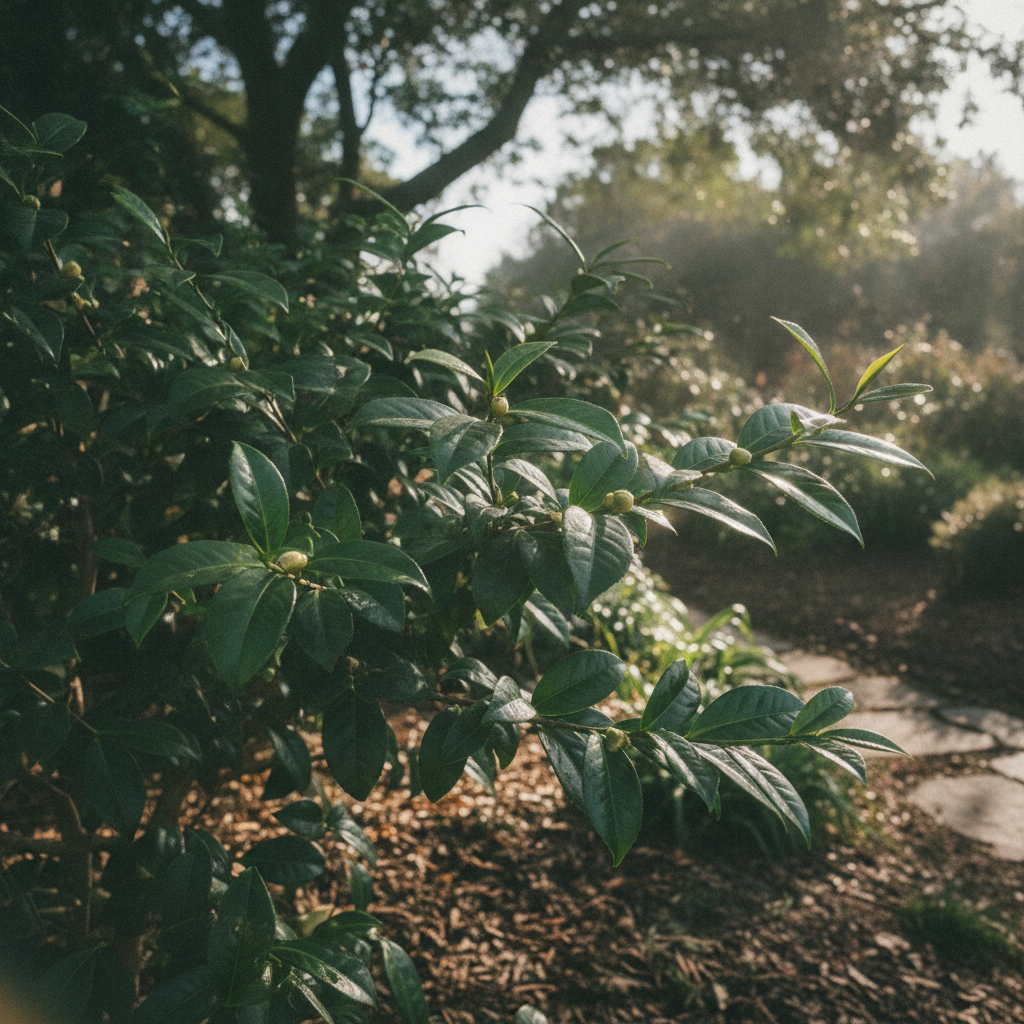
Learn how to grow black tea at home: soil, climate, and the five processing steps from fresh leaf to a finished cup of black tea.

La saggezza è la via per un tè migliore.
Riceva la nostra guida gratuita all'infusione: acqua, temperatura e tempi giusti per ogni tè che vendiamo. E saprà per primo quando arrivano i nuovi raccolti.
Niente spam. Disiscrizione in qualsiasi momento.
Controlla la posta.
La guida è in arrivo.