













Ginger Tea Guide: Origin, Taste, and Brewing
Ginger tea is an infusion made from the rhizome of Zingiber officinale, brewed from fresh, dried, or powdered ginger depending on the tradition. It is among the most widely consumed herbal infusions globally. Zingiber officinale was documented in Sanskrit texts from around 3000 BCE, and by the time Arab spice traders were carrying dried ginger root across the Indian Ocean, it had already been cultivated for thousands of years across South and Southeast Asia.
Today ginger tea is brewed from the fresh rhizome in South Asian households, steeped as dried slices in European kitchens, and ground into powder for convenience in markets everywhere. What unites all of these preparations is the same pungent, warming character that has made ginger a constant presence in kitchens and spice cupboards across every culture that encountered it.
We source single-origin ginger root and pay close attention to which growing region a batch comes from, because origin matters more for ginger than most buyers realise. This guide covers the plant itself, what to expect in the cup by origin, how to brew it correctly, and what you can do with it beyond a simple hot drink.

What Is Ginger Tea? The Plant and How It's Made
Ginger tea is an infusion of the rhizome of Zingiber officinale — the thick, knobby underground stem that most people call a root. Botanically speaking it is a rhizome, not a true root, but the distinction rarely matters in the kitchen. What does matter is how it is processed after harvest, because the drying method directly shapes what ends up in your cup.

Fresh ginger rhizomes are harvested at 8-10 months for the mature, fibrous type used in drying, or at 5-6 months for the younger, more tender "baby ginger" sold fresh in markets. For dried tea use, the mature rhizome is sliced and dried at temperatures around 60°C. This gentler heat preserves shogaols, the pungent compounds that give dried ginger its distinctive sharp heat, without destroying the volatile aromatic oils that carry the floral and citrus top notes. Higher-heat processing or prolonged storage degrades these aromatics, leaving a flat, one-dimensional heat without the brightness that distinguishes quality dried ginger.
The four major growing regions supplying global tea markets are India (primarily the Malabar coast and Cochin region), Nigeria, China, and Peru. Each produces ginger with a distinct character shaped by soil, climate, and post-harvest handling. Indian ginger has been the global benchmark for centuries; the Cochin market grades it by colour, oil content, and shogaol level.
Ginger Tea Taste: What to Expect in the Cup
Ginger tea tastes pungent, warming, and slightly spicy, with a heat that builds gradually and then dissipates cleanly. The intensity and character of that heat vary significantly by origin and drying method.

The two primary flavour compounds in dried ginger are gingerols (dominant in fresh ginger) and shogaols (formed during drying, roughly twice as pungent as gingerols). This conversion is why dried ginger tastes considerably hotter and sharper than fresh. A well-brewed cup of quality dried ginger delivers a clean wave of heat that warms the back of the throat without any burning or bitter aftertaste.
What separates good dried ginger from mediocre is something you notice before it even reaches the cup: the aroma. Good ginger has a clear peppery, spicy scent with a hint of fire — you know it the moment you open the bag. If the aroma is flat, muted, or absent, the aromatics have already gone.
Visually, look for whole or correctly cut pieces with a right golden-brown colour. Reject anything with odd spots, pieces that are too finely cut, or slices that look dry without substance — that last one usually means the ginger was not aged long enough before processing. A harsh or lingering bitter finish in the cup is the same signal in a different form: something went wrong in the drying or the ginger sat in storage too long.
Nigerian ginger is the most pungent commercially available origin. The Jos Plateau growing region produces rhizomes with unusually high essential oil content and a very direct, assertive heat. If you want maximum intensity, this is the origin to look for.
Indian Malabar ginger (Cochin-traded) offers a more balanced profile: warmth with a citrus brightness in the top notes and a slightly sweet, almost floral finish. This is the most versatile origin for everyday brewing. Our ginger comes from India for exactly this reason — it delivers the right balance of heat and aromatics and stays consistent batch to batch, and it's dried rather than fresh, which gives a more stable spicy experience without bitterness.
Having compared Nigerian, Indian, Peruvian, and Chinese ginger side by side, the differences are more pronounced than most people expect. Nigerian is the most intense — strong, direct heat with high oil content. Indian sits in the middle: complex, warm, with a citrus top note.
Peruvian is slightly earthy and sits between Indian and Chinese in heat level. Chinese, particularly from Shandong and Sichuan, is milder and sweeter, with less shogaol punch — it blends well but lacks the backbone for a straight brew.
How to Brew the Perfect Cup of Ginger Tea
Ginger tea brews differently depending on whether you are working with dried slices, fresh rhizome, or powder. The key rule across all formats is the same: do not boil hard, and do not rush the steep.

Dried ginger slices: Use 1-2 tsp (approximately 2-4g) of dried slices per 240 ml of water. Heat water to 95°C — just off the boil — and steep for 10-15 minutes covered. Covering the cup during steeping is important: aromatic oils volatilise quickly at brewing temperature, and an uncovered cup loses a noticeable amount of the top-note brightness within a few minutes. A longer steep (12-15 min) draws out more shogaol heat; a shorter steep (8-10 min) is milder and more suitable for those new to ginger tea.
Fresh ginger: Peel and slice thinly — 3-4 coins (roughly 5-7g) per 300 ml of water. Bring to just below a simmer and hold there for 10 minutes. Do not boil vigorously: a rolling boil drives off the volatile citrus and floral aromatics and leaves only the base heat. The resulting brew from fresh ginger is brighter and grassier than dried, with less of the deep shogaol warmth.
Common mistake: Using boiling water directly on dried ginger powder or overly fine slices extracts harshness before the aromatics have time to release. Always bring the water just below boiling (90-95°C) and let the ginger steep slowly. If you are using powder, reduce the amount to 0.5-1 tsp per cup and steep for only 5 minutes — powder has far more surface area and over-extracts quickly.
Additions: Lemon juice added after brewing (not during) preserves the citrus aromatics. Raw honey added at 60°C or below retains its own aromatic compounds. Avoid adding milk to straight ginger tea: the fat masks the volatile aromatics that make quality ginger tea worth drinking.
Ginger Tea Uses: Culinary, Tradition, and Everyday Drinking
Ginger tea sits at the intersection of food, tradition, and everyday drinking in a way few other herbal infusions do.
After meals. Across Indian, Chinese, and Japanese food cultures, ginger tea has been drunk after meals for over 2,000 years. The custom is a cultural one: a hot, pungent cup that rounds off the meal.
Winter drinking. The warmth of a strong ginger brew is a flavour sensation: the shogaols are pungent compounds that register as heat on the tongue and the back of the throat. Traditionally, this made ginger tea a staple winter drink across most of Asia and the Middle East.
Ginger's pungent character centres on compounds such as 6-gingerol, the same group that converts to shogaols during drying. Drink it for its flavour and warmth in the cup.
A note on pregnancy. If you are pregnant, check with your midwife or doctor before drinking ginger tea regularly, particularly during the first trimester.
Culinary uses. Double-strength ginger tea (4g per 150 ml, 15 min steep) is a useful cooking ingredient. Use it as the liquid base for a ginger glaze, reduce it with soy sauce and honey for a stir-fry sauce, or use it as the water component in a bread or cake recipe where you want a ginger note without fibrous texture. Cold ginger tea makes an excellent mixer for cocktails and mocktails, particularly alongside citrus or dark fruit juices.
Blending. Ginger pairs naturally with lemongrass, turmeric, black pepper, cinnamon, cardamom, and liquorice root. The warmth and pungency cut through floral herbs and prevent them from reading as bland. We know from working with spiced blends that getting the ginger-to-base ratio right is the single most important variable: too much ginger and it dominates everything; too little and the blend lacks spine.
Ginger Tea FAQ: 5 Questions Answered
Does ginger tea contain caffeine?
No. Pure ginger tea is completely caffeine-free. The ginger rhizome contains no caffeine or related methylxanthines. If your ginger tea contains added black tea, green tea, or yerba mate, those components will contribute caffeine, but straight ginger on its own does not.
Can I drink ginger tea on an empty stomach?
Yes, in moderate amounts, but start slowly if you are not used to it. On a completely empty stomach the shogaols can cause mild heartburn or gastric sharpness in sensitive individuals. This is more pronounced with fresh ginger than dried, and more noticeable with high-pungency origins like Nigerian ginger. Starting with a half-strength brew or drinking it with a small amount of food resolves the issue for most people.
How long does brewed ginger tea keep?
Brewed ginger tea keeps for up to 3 days refrigerated in a sealed container. It keeps reasonably well, but the aromatic top notes fade noticeably after the first day. For the best flavour, brew fresh and drink the same day.
How long do dried ginger slices keep?
Well-sealed dried ginger slices in airtight packaging store for 18-24 months without significant quality loss. The shogaol content is stable; the aromatic oils degrade slowly over time. Keep away from heat, light, and moisture.
The fastest quality indicator is aroma: open the package and check whether the ginger still has a sharp, pungent scent. Flat or musty aroma means the aromatics have degraded.
Can I reuse ginger slices for a second steep?
Yes, once. Dried ginger slices yield a second infusion with about 50-60% of the original intensity. Steep the second infusion slightly longer (add 3-5 minutes) and at the same temperature. A third infusion is generally too weak to be worthwhile.
Start with the Ginger Itself
Ginger tea rewards attention to two things above everything else: origin and quality. Choose a single-origin dried ginger from a named growing region — whole pieces, golden brown, with a clear peppery-spicy aroma — brew it at 95°C covered for 10-12 minutes, and you will get a cup that is different from a generic supermarket blend. Once you have a baseline you like, the rest — adjusting steep time, trying fresh ginger, adding a strip of lemon peel or a piece of cinnamon — is straightforward experimentation.
We carry single-origin Indian ginger root and are happy to answer questions about brewing or which format suits your use case best.
Lascia un commento
I commenti saranno approvati prima di presentarsi.
Anche in Valley of Tea Blog | Tea Guides, Origins & Brewing Tips
The Complete Guide to Drinking Tea
What tea is, how the main types differ in the cup, and how to brew each one properly. Water temperature, steeping times, storage and how to get more than one cup from your leaves.
Leggi di più
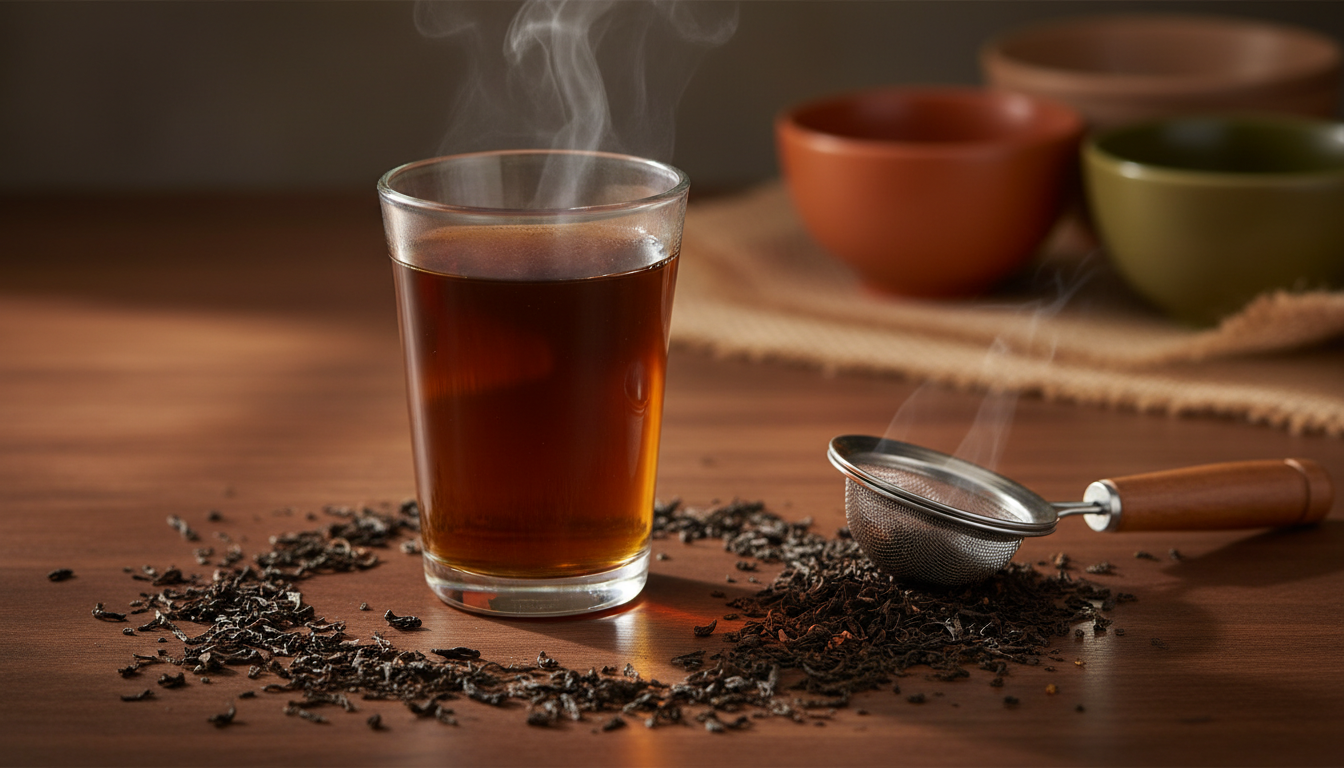

Black Tea: Types, Processing, and How to Brew It
Black tea is fully oxidized Camellia sinensis. Compare Assam, Darjeeling, Keemun, and Ceylon varieties. Learn processing, brewing, and caffeine levels.
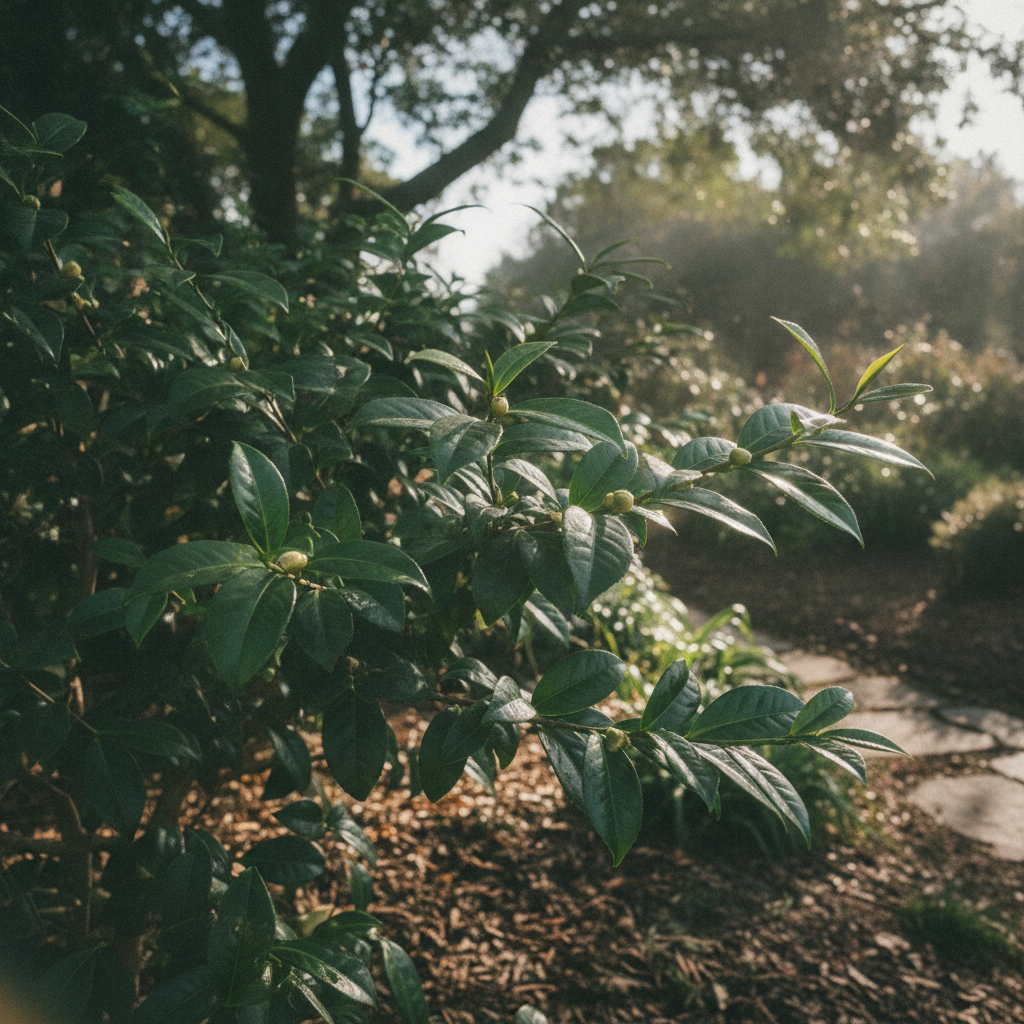

How To Grow Black Tea
Learn how to grow black tea at home: soil, climate, and the five processing steps from fresh leaf to a finished cup of black tea.

La saggezza è la via per un tè migliore.
Riceva la nostra guida gratuita all'infusione: acqua, temperatura e tempi giusti per ogni tè che vendiamo. E saprà per primo quando arrivano i nuovi raccolti.
Niente spam. Disiscrizione in qualsiasi momento.
Controlla la posta.
La guida è in arrivo.