












Lemon Balm Tea: Dried Organic Leaves
Most dried lemon balm on the market is past its best by the time it reaches you. Harvest timing, drying method, and storage determine quality, three factors buyers rarely see disclosed on a product page. After sourcing herbs directly for over 15 years, I know that most retail stock sits 12-24 months before reaching the consumer. The volatile oils that give lemon balm its distinctive citrus character degrade steadily in that time. This guide covers exactly what separates quality dried leaf from the rest, so you know what you are actually buying.
What "Organic" Actually Means for Dried Lemon Balm
Organic certification is meaningful for dried lemon balm, but it does not tell you everything you need to know about quality.
EU Organic certification (the green leaf logo) and USDA Organic both require that no synthetic pesticides or herbicides were used during cultivation. For a herb like lemon balm, which is often grown with minimal inputs anyway, certification confirms a clean production baseline that is worth having. Lemon balm is particularly susceptible to aphids and whitefly. Conventional growers sometimes apply systemic insecticides, meaning the compound is taken up into plant tissue rather than sitting on the surface. Washing does not remove systemic residues, so certification is the only reliable way to know how the crop was grown.
The problem is that organic does not equal fresh. A certified organic batch harvested 18 months ago and stored in a poorly ventilated warehouse has lost most of its aromatic punch. The volatile oils that give dried lemon balm its character, primarily citral and citronellal, degrade steadily after harvest regardless of how the crop was grown. A fresh, well-dried conventional batch from a careful producer may outperform a stale organic one in the cup.

Certification and freshness are separate questions, and you need to ask both. When evaluating certifications, look for EU Organic or USDA Organic. Certifications from lesser-known bodies are harder to verify and are not worth paying a premium for. If a seller cannot tell you when the batch was harvested, treat that as a red flag regardless of what logo appears on the packaging.
How to Assess Quality Before You Buy
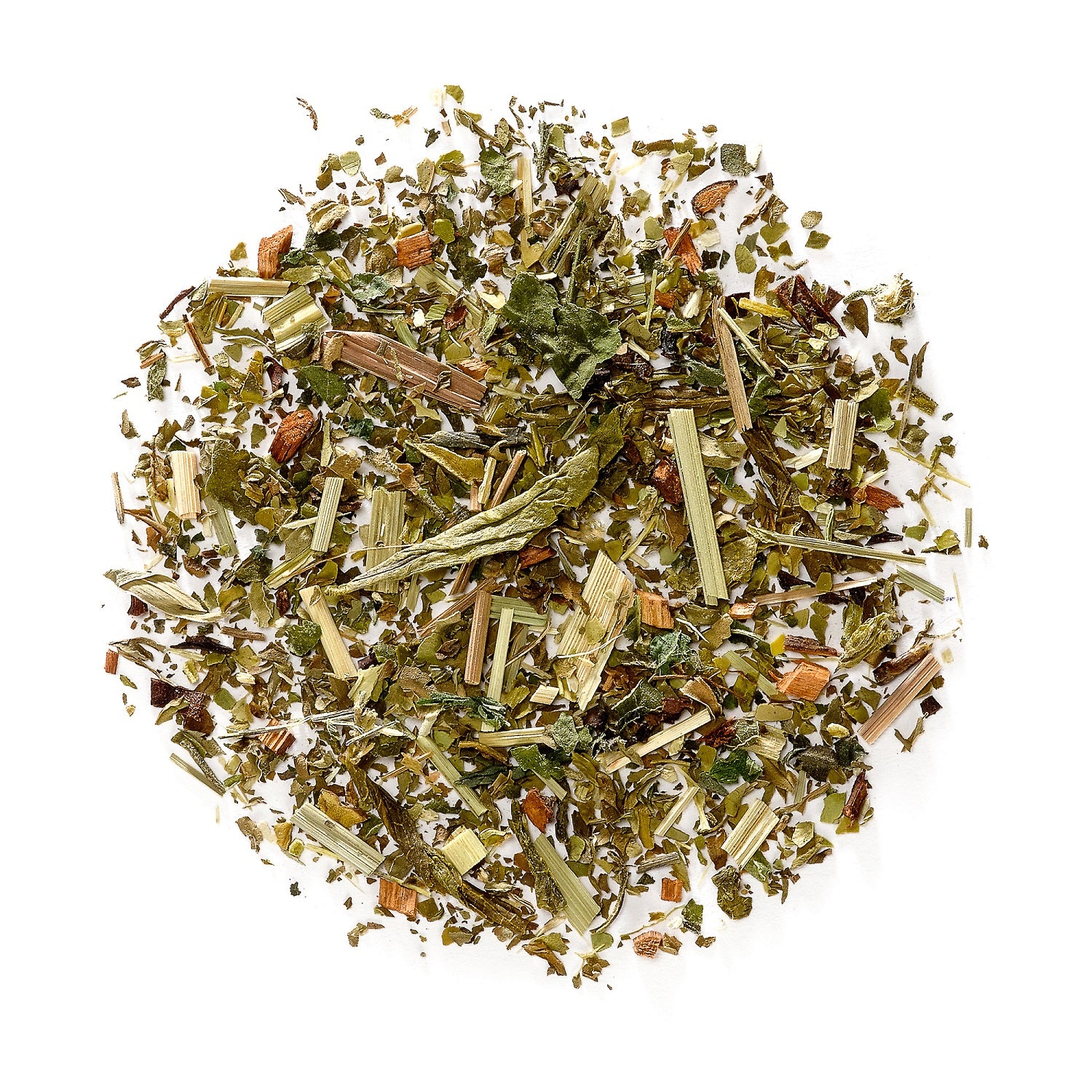
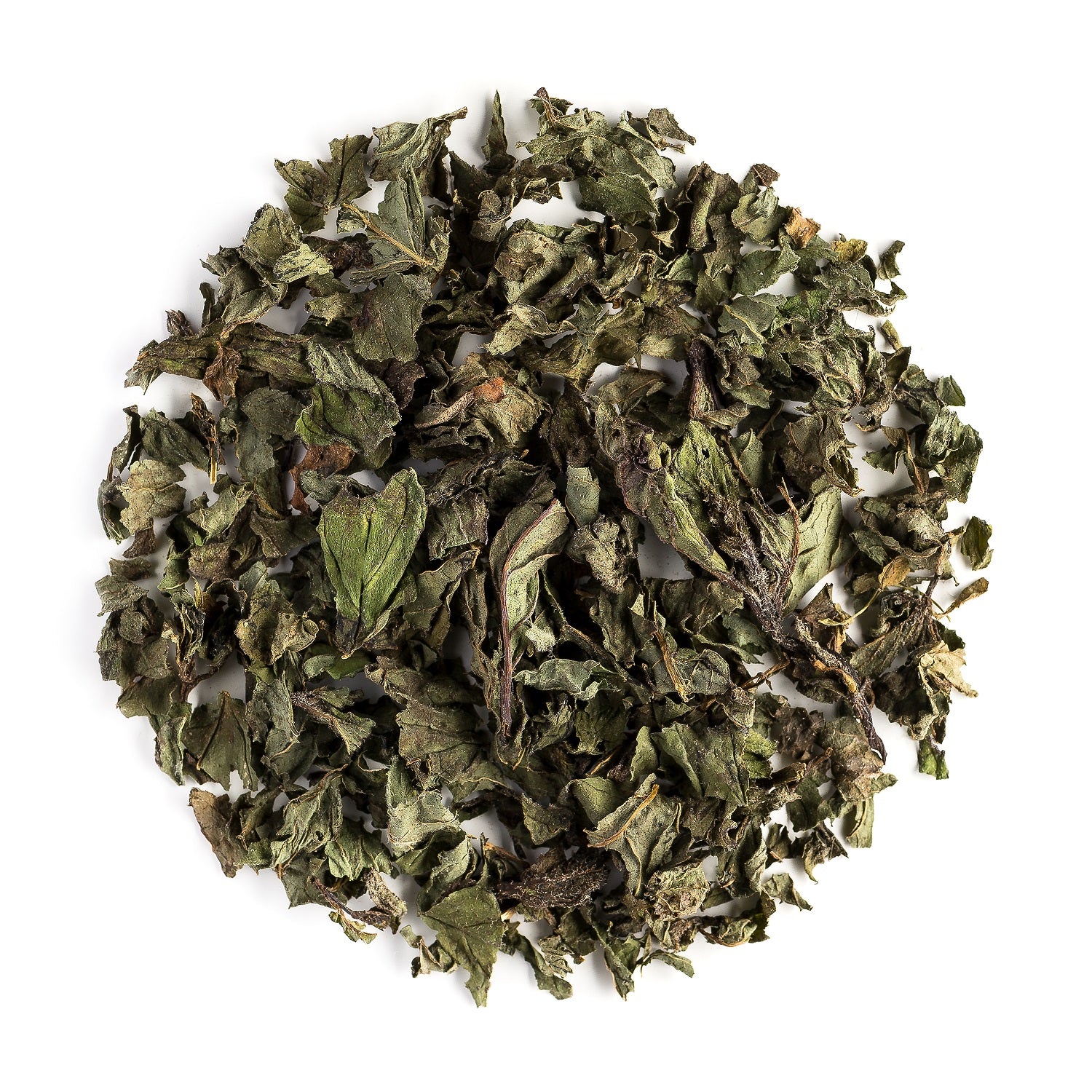
When you open a bag of dried lemon balm leaves, three things tell you immediately whether the quality is there: colour, aroma, and cut size.
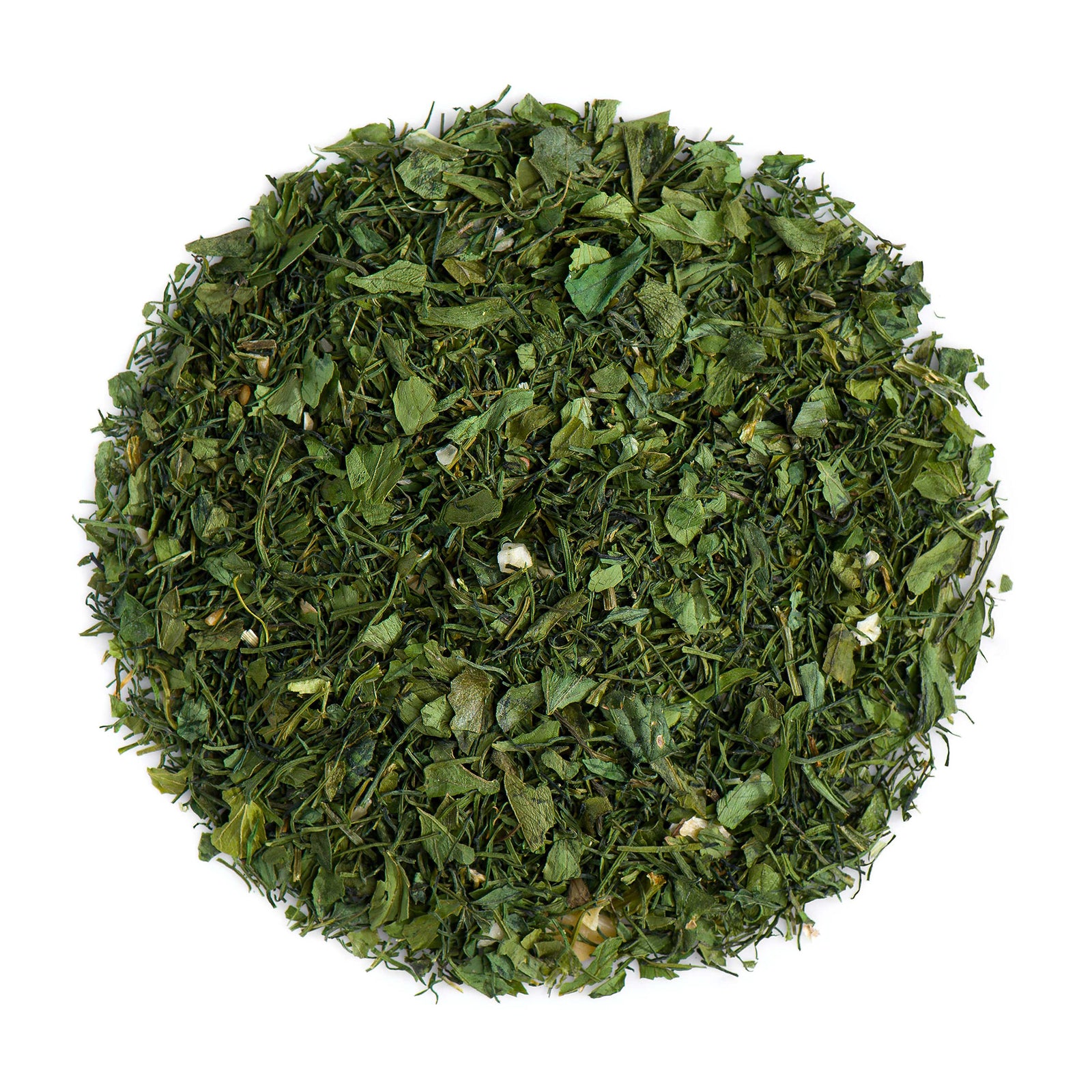
Colour is your first indicator. Quality dried lemon balm is grey-green to olive green. Brown leaf or pale yellow leaf has oxidised. Oxidation happens when the herb is dried too slowly, stored poorly, or has simply been sitting too long. A brown colour is not a stylistic variation, it is a sign of degradation. Do not buy it.
Aroma is the most direct test. Quality dried lemon balm should smell distinctly lemony the moment you open the bag, with a light minty undertone and a soft floral finish. No aroma means the volatile oils are gone. You can test this at home by rubbing a small pinch between your fingers. If it smells dusty and flat, the herb is spent.
The standard I apply to every batch we receive: open the bag and smell it from about half a metre. The citral content should hit you immediately, strongly lemony with a light minty undertone. If I need to put my nose close to the bag to detect anything, the batch fails. I have rejected certified organic batches on this basis. We source from Portugal and Greece specifically because growing conditions and post-harvest handling there consistently produce leaf that passes on arrival.

Cut size matters more than most buyers realise. Whole leaf or cut-and-sifted leaf retains its volatile oils significantly longer than powder, because powder has a much larger surface area exposed to air and light. For loose-leaf tea, powder is the wrong format. By the time it reaches you, most of the oils are already gone.
Where Lemon Balm Is Grown and Why Origin Matters
Melissa officinalis is a Mediterranean herb grown commercially across a wide range. The main production regions are Eastern Europe (Bulgaria, Romania, Hungary), North Africa (Egypt and Morocco), and Turkey. Origin is worth understanding because it affects both volatile oil profile and supply chain transparency.
Eastern European varieties, particularly from Bulgaria and Romania, generally produce leaf with higher rosmarinic acid content. This is partly due to climate and partly to soil composition. Rosmarinic acid is a key phenolic compound in lemon balm that contributes to flavour depth and to the herb's stability during storage.
North African production from Egypt yields high-volume commodity herb that moves through international brokers. The herb itself is not inferior by definition, but the supply chain is often less transparent. When leaf passes through multiple intermediaries before reaching a seller, the harvest date becomes harder to trace and storage conditions become harder to verify.
We source our certified organic dried lemon balm leaves with a traceable harvest date. That means we know when the leaf was cut and dried, not just what certification it carries. We do not blend batches from different origins or harvest periods. One origin, one batch, one harvest date. When a batch runs out, we wait for the next rather than filling gaps with anonymous stock.

When comparing suppliers, ask directly: where was this grown, and when was it harvested? A supplier who stocks quality herb can answer both questions without hesitation.
Storage: How to Keep Dried Lemon Balm Aromatic
Good storage is the difference between dried lemon balm that lasts 12 months and leaf that goes flat within three. The rules are simple, but most people get at least one wrong.
Container: Use an airtight tin or glass jar. Resealable plastic bags, including the kraft paper pouches that most herb sellers ship in, are not airtight enough for long-term storage. Volatile aroma compounds pass through or interact with plastic over time. A proper swing-top glass jar or a metal tin with a rubber seal keeps the oils where they belong: in the leaf.
Location: Away from direct light and heat. A cool, dark cupboard is ideal. Above the kettle is one of the worst spots in the kitchen: temperature cycles every time the kettle boils, which accelerates oil loss and draws moisture into the jar. If you keep herbs near a cooker hob or in a glass jar on a sunny windowsill, you are paying for quality and then destroying it yourself.

Timeline: Use within 12 months of opening for best aroma. Once you break the seal, the clock accelerates. If you bought a larger quantity, decant into smaller jars to limit how often you open the main container. Label each jar with the date you opened it.
Lemon balm's high volatile oil content, which makes it worth buying, is also what makes it degrade faster than most dried herbs. Treat it more like ground coffee than dried chamomile. The storage investment takes five minutes and protects months of flavour.
Dried vs Fresh Lemon Balm: Which to Choose?
Fresh lemon balm leaf has higher aromatic intensity in the moments right after harvest. Pick a leaf from the garden, bruise it, and the citral hit is immediate and sharp. But fresh leaf is not storable, it is seasonal, and the quality window is narrow. A glut in June does not help you in February.
Quality dried leaf retains around 60-70% of fresh volatile oil content when properly dried and stored. That is a meaningful reduction, but the result is consistent and measurable. The flavour profile of well-dried lemon balm is softer and rounder than fresh, with the brighter citrus top notes reduced and the underlying herbal character more forward. It is a different cup, not a worse one.
For most tea drinkers, quality dried organic leaf is the more practical and consistent choice. The condition is "quality dried," not simply "dried." Herb that has been sitting in a distribution warehouse for 18 months does not have 60-70% of fresh oil content. It may have almost none. The practical question is not dried versus fresh in the abstract, it is well-sourced dried versus stale dried.

The one clear case for fresh is if you grow your own and brew immediately after picking. Use roughly three times the leaf quantity compared to dried, since fresh leaf is mostly water by weight. For dried: 2-3 grams per 250ml, water at 90-95°C, steep covered for 5-7 minutes. The covered part matters because volatile steam escapes from an open cup, taking the aroma with it.
The Four Things Worth Checking Before You Buy
Buying quality dried lemon balm leaves comes down to four checks: harvest date, colour, aroma, and certification. All four matter. A batch that passes three out of four is a compromise.
Harvest date tells you whether the volatile oils are likely still intact. Colour tells you whether oxidation has already happened. Aroma is the direct confirmation of what is actually in the leaf. Certification from EU Organic or USDA Organic confirms the cultivation baseline: no synthetic pesticides, verifiable standards, independently audited.
Our dried organic lemon balm is Melissa officinalis, certified organic, sourced with full traceability from a single origin with a known harvest date. Not blended anonymous stock. If you are looking for dried lemon balm leaves that meet that standard, that is what we stock.
Any supplier who stocks quality herb can tell you where it was grown and when it was harvested. If they cannot, that tells you something about the quality of their sourcing. Ask the question before you buy.

Lascia un commento
I commenti saranno approvati prima di presentarsi.
Anche in Valley of Tea Blog | Tea Guides, Origins & Brewing Tips
The Complete Guide to Drinking Tea
What tea is, how the main types differ in the cup, and how to brew each one properly. Water temperature, steeping times, storage and how to get more than one cup from your leaves.
Leggi di più
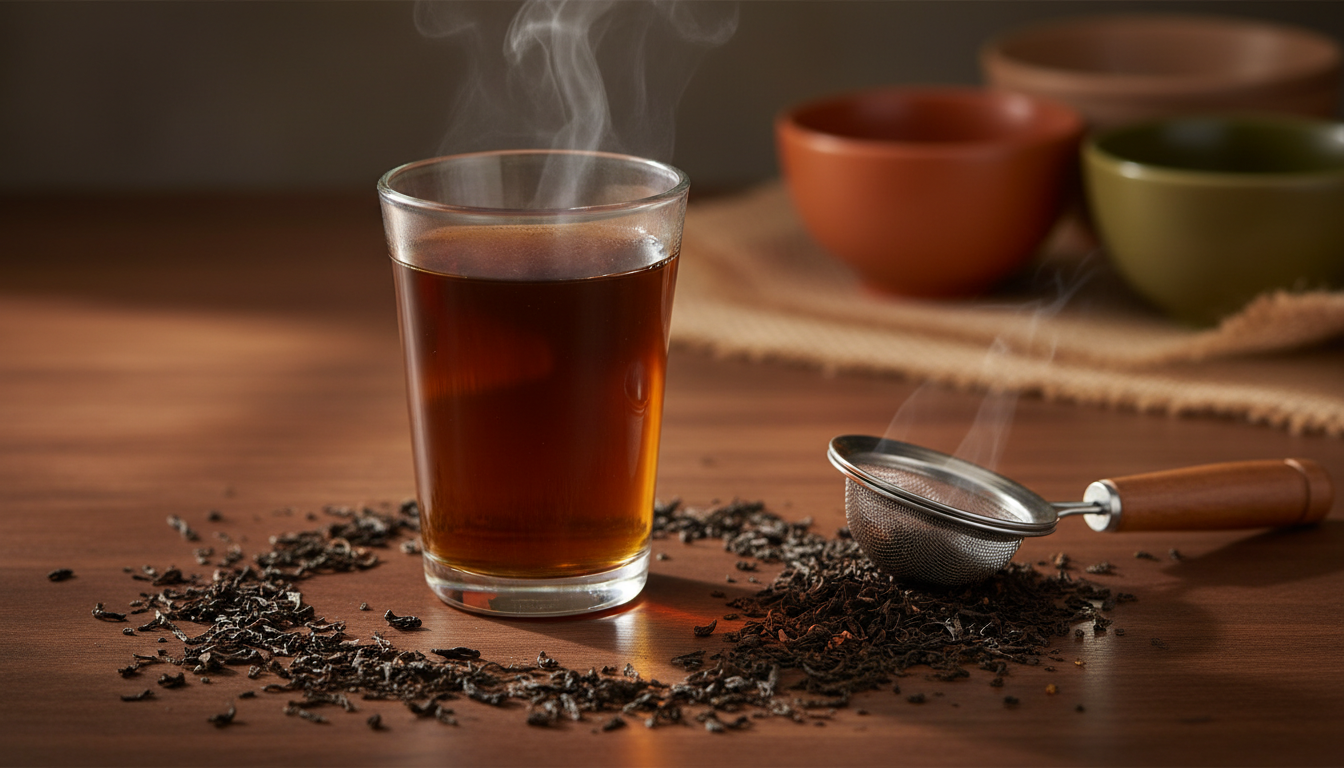

Black Tea: Types, Processing, and How to Brew It
Black tea is fully oxidized Camellia sinensis. Compare Assam, Darjeeling, Keemun, and Ceylon varieties. Learn processing, brewing, and caffeine levels.
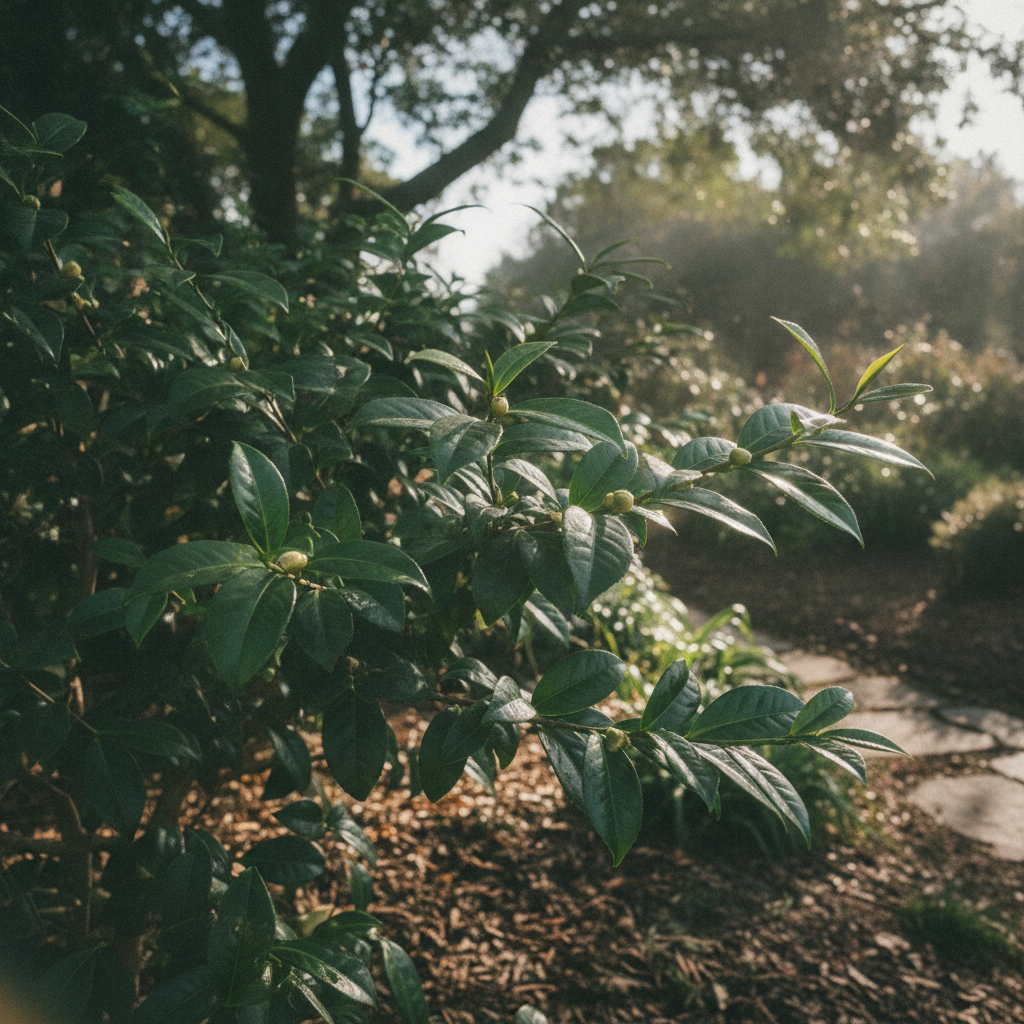

How To Grow Black Tea
Learn how to grow black tea at home: soil, climate, and the five processing steps from fresh leaf to a finished cup of black tea.

La saggezza è la via per un tè migliore.
Riceva la nostra guida gratuita all'infusione: acqua, temperatura e tempi giusti per ogni tè che vendiamo. E saprà per primo quando arrivano i nuovi raccolti.
Niente spam. Disiscrizione in qualsiasi momento.
Controlla la posta.
La guida è in arrivo.