













Spearmint For Tea
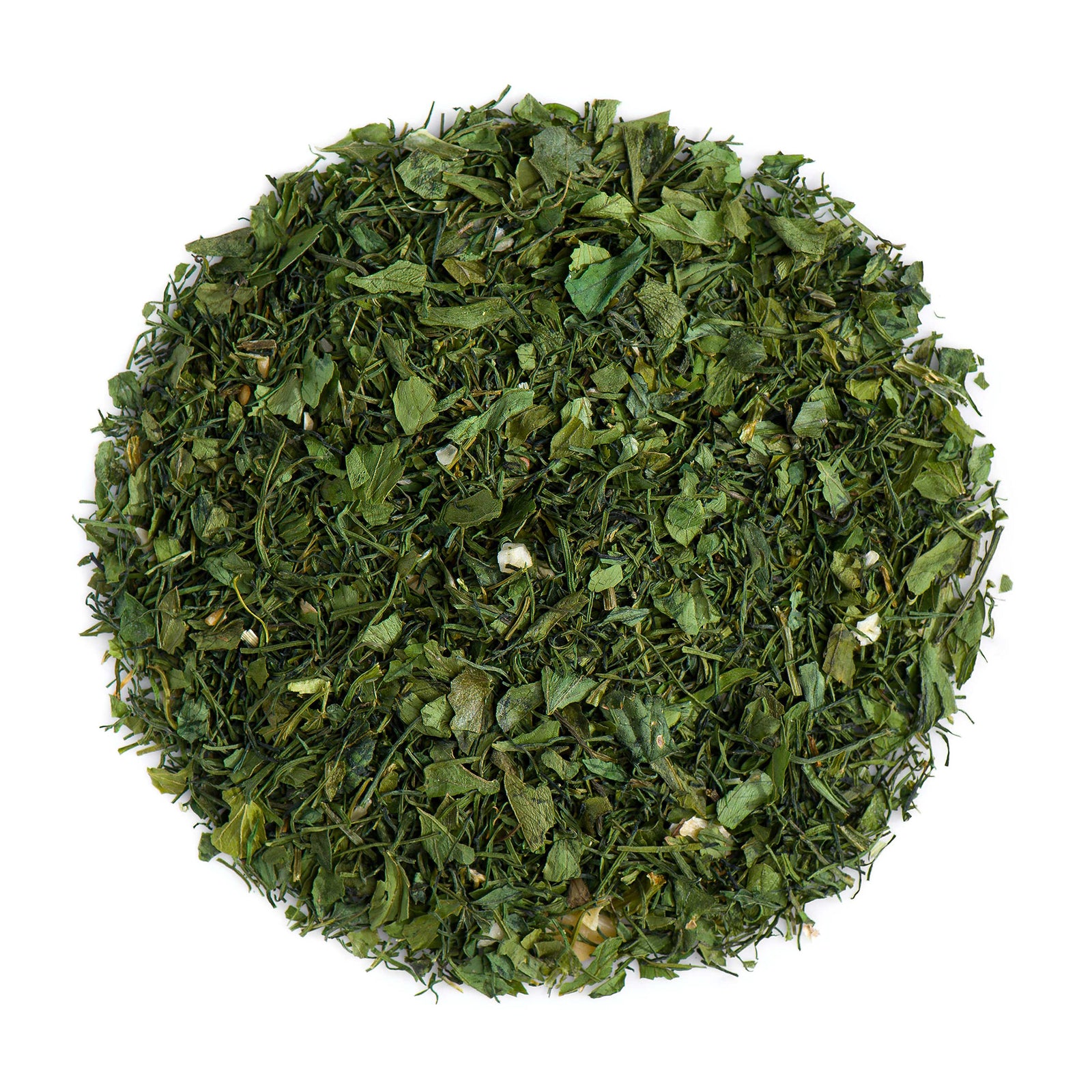
Spearmint (Mentha spicata) is not peppermint. That distinction matters when you are choosing a mint for tea. Where peppermint gets its intensity from menthol, spearmint is driven by L-carvone, a compound that produces a sweeter, rounder, noticeably less cooling flavour. The result is a mint that most people find more food-compatible and less divisive than its more famous cousin.
I reach for spearmint on warm afternoons when I want something refreshing without the sharp menthol punch that peppermint delivers. For spearmint for tea, that gentler character is exactly the point.

Spearmint vs Peppermint: The Key Chemical Difference
Spearmint is dominated by L-carvone, its primary aromatic compound, while peppermint's character comes primarily from menthol, two compounds with markedly different sensory profiles. That single chemical difference explains almost everything about how the two mints taste and behave in a cup.

L-carvone is responsible for spearmint's characteristic sweet, candy-like mint note. It is what you recognise in spearmint chewing gum. The sensation is bright and clean without the aggressive cooling that menthol delivers. Menthol, by contrast, activates cold-sensitive receptors in the mouth and throat, which is why a strong cup of peppermint tea leaves you feeling like you have just inhaled cold air.
For tea purposes, this means spearmint is considerably more food-friendly. It works well alongside meals, in blends with other herbs, and for drinkers who find peppermint too sharp or too intense. Spearmint's flavour integrates rather than dominates. It also holds up differently under heat: because carvone is less volatile than menthol, spearmint benefits from a covered vessel during steeping to prevent the aromatic top note from escaping with the steam.
There is also a raw potency difference worth noting. Peppermint is simply stronger. A given quantity of dried peppermint leaf produces a more intense cup than the same quantity of spearmint. If you have found peppermint tea hard to finish, or simply too sharp, spearmint is the practical alternative that delivers fresh mint character without the menthol edge.
How to Brew Spearmint Tea
Brew spearmint at 95°C for 5-7 minutes, in a covered cup or teapot to retain the volatile aromatic oils. Covering the vessel makes a real difference with any mint: the steam carries off the aromatic oils quickly if left open, and you lose the bright top note before you even taste it.

Use 1.5-2 teaspoons of dried spearmint leaf per 250ml of water. Spearmint leaf is lighter and less dense than dried black tea, so volume measures work better than weight for most home brewers. If you are using fresh spearmint, roughly double the quantity: fresh leaf contains a high proportion of water, so the flavour concentration is lower per gram than dried.
A note on drinking mint with food: spearmint is generally milder in flavour than peppermint. Peppermint's high menthol content gives it a cooling intensity that some drinkers find too strong straight after a meal. Spearmint lacks that high menthol intensity, making it a more practical choice for mint tea after meals, particularly for those who find peppermint too sharp.
Moroccan mint tea illustrates this well. The traditional preparation, spearmint steeped with gunpowder green tea and sugar, poured from height to create a layer of foam, specifically uses Mentha spicata, not peppermint. The sweetness of carvone works with the smoky, slightly astringent character of gunpowder green tea in a way that menthol never could. We source spearmint from Tunisia and Morocco precisely because those growing regions produce the leaf quality that makes this combination sing.
What Is in Spearmint: A Note on Its Chemistry
Beyond L-carvone, spearmint leaf contains a range of other naturally occurring compounds, including limonene, 1,8-cineole and rosmarinic acid. Carvone and limonene together account for most of spearmint's aroma, which is why its oil smells so different from peppermint oil.
These compounds are what shape spearmint's flavour. Their proportions shift with growing region, harvest timing and drying, which is one reason two batches of spearmint can smell noticeably different. Brewing carries only part of that aroma into the cup, which is why a covered vessel matters.
If you are pregnant, take medication or have a medical condition, ask your doctor before drinking spearmint tea regularly. Valley of Tea does not make health claims. We sell spearmint for its flavour and aroma.
Spearmint is a culinary herb, used in Moroccan tea, Middle Eastern salads such as tabbouleh, Indian chutneys and British mint sauce. That kitchen history is a reliable guide to how it tastes in a cup.
Using Spearmint in Tea Blends
Spearmint's sweetness and moderate intensity make it one of the most blend-friendly herbs in the mint family. It adds a fresh, cooling note without overwhelming the other ingredients, which gives it much more range than peppermint in blending contexts.

The most established pairing is spearmint with green tea, the Moroccan mint style: roughly 60% green tea to 40% spearmint by volume. Gunpowder green tea is the traditional base because its density and slightly smoky character balance the sweetness of spearmint without either component disappearing. The combination works hot, and equally well cold-brewed overnight in the refrigerator.
Spearmint with lemon verbena is a natural caffeine-free pairing: both herbs are sweet and aromatic, and lemon verbena's citrus lift complements carvone's candy-mint character directly. The result is light, summery, and easy to drink in volume. I find this blend particularly good made in a large pot on a warm afternoon, the kind of drink that sits on the table and gets quietly finished without anyone noticing.
Spearmint with chamomile is a softer, rounder option for the evening. Chamomile provides the floral, apple-like base while spearmint adds just enough brightness to keep the cup from feeling flat. This combination has been used in commercial blends for decades, which says something about how reliably the two herbs complement each other. If you find straight chamomile too mild and quiet, a small proportion of spearmint lifts it without overpowering its floral character.
Conclusion
Spearmint is the more versatile of the two main mint varieties for tea. It is less aggressive, more food-compatible, and easier to blend than peppermint, which makes it the right choice for most everyday mint tea drinkers.
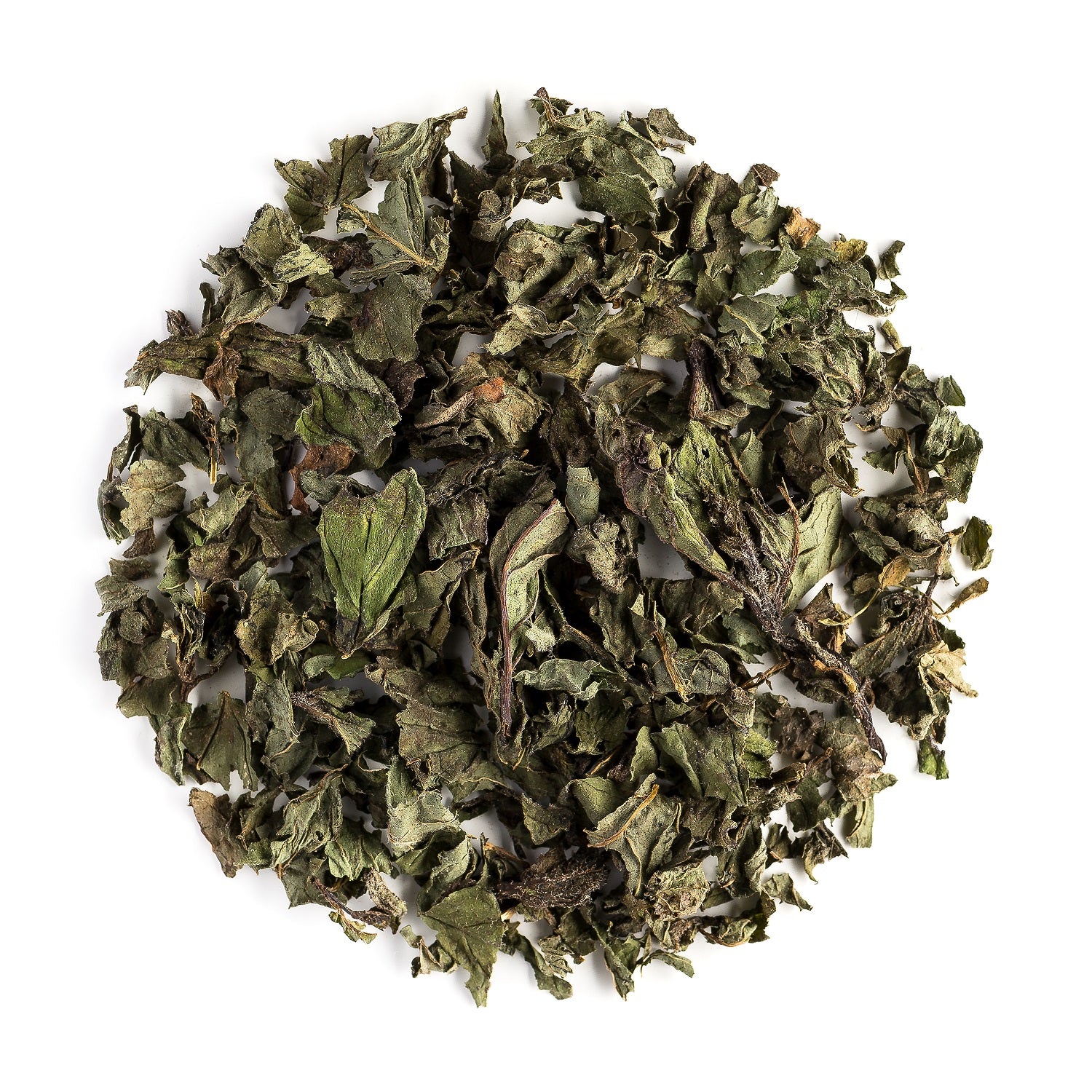
When buying dried spearmint for tea, check the aroma before anything else. Good spearmint should smell sweet and distinctly minty the moment you open the bag, without any dry or dusty off-notes. We know from sourcing across Tunisian and Moroccan suppliers that quality variation between batches is real.
Whole dried leaf retains aromatics longer than crushed or cut-and-sifted grades. If the spearmint smells right, it will taste that way in the cup.
Lascia un commento
I commenti saranno approvati prima di presentarsi.
Anche in Valley of Tea Blog | Tea Guides, Origins & Brewing Tips
The Complete Guide to Drinking Tea
What tea is, how the main types differ in the cup, and how to brew each one properly. Water temperature, steeping times, storage and how to get more than one cup from your leaves.
Leggi di più

Black Tea: Types, Processing, and How to Brew It
Black tea is fully oxidized Camellia sinensis. Compare Assam, Darjeeling, Keemun, and Ceylon varieties. Learn processing, brewing, and caffeine levels.
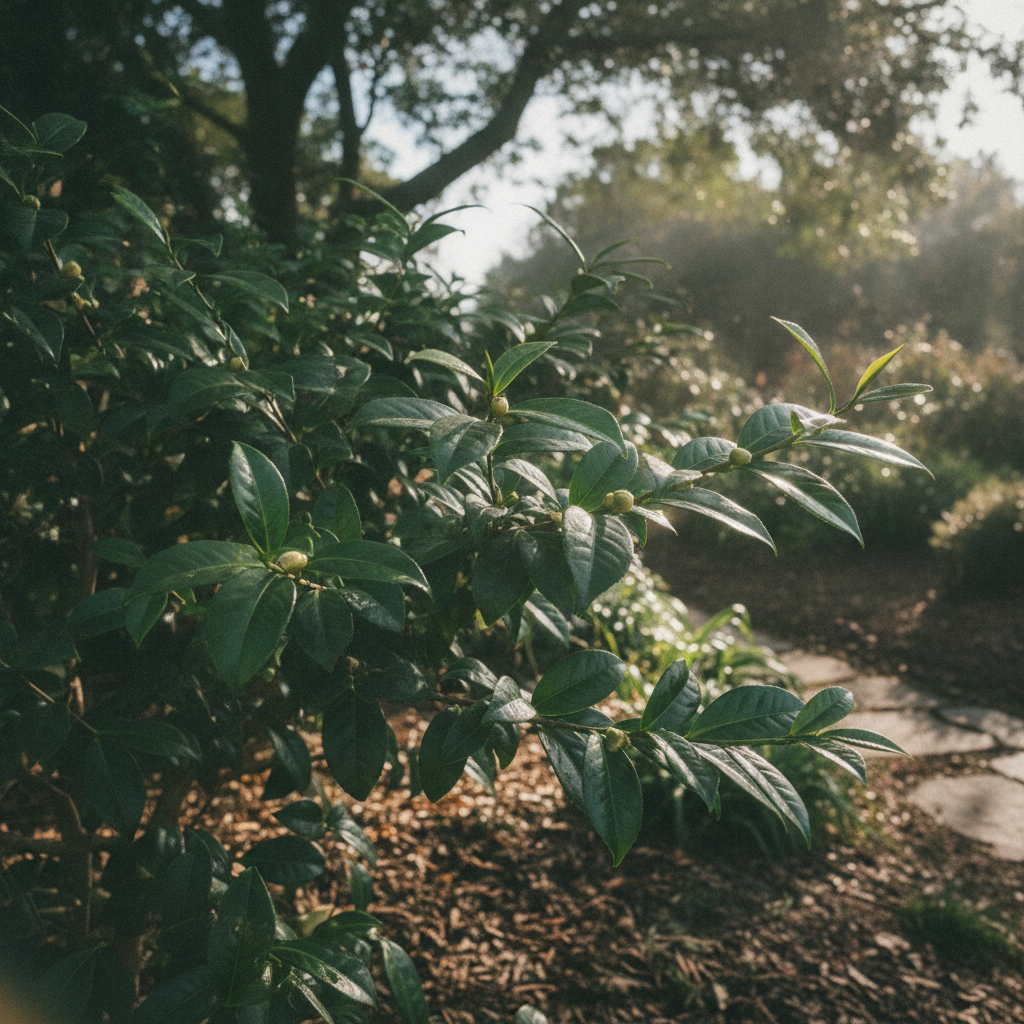

How To Grow Black Tea
Learn how to grow black tea at home: soil, climate, and the five processing steps from fresh leaf to a finished cup of black tea.

La saggezza è la via per un tè migliore.
Riceva la nostra guida gratuita all'infusione: acqua, temperatura e tempi giusti per ogni tè che vendiamo. E saprà per primo quando arrivano i nuovi raccolti.
Niente spam. Disiscrizione in qualsiasi momento.
Controlla la posta.
La guida è in arrivo.