













Preparare il tè bianco: guida a un'infusione delicata
Il tè bianco è il tè meno lavorato che si possa acquistare. E questo conta, nella preparazione. Le stesse qualità che lo rendono pregiato — i germogli ricoperti di peluria, la dolcezza sottile, il corpo leggero — lo rendono anche facile da rovinare con acqua bollente e infusioni troppo rapide.


Questa guida alla preparazione del tè bianco tratta temperatura e tempo: le due variabili che decidono se la tua tazza sarà setosa oppure piatta. Il tè bianco ha le sue regole. Seguile, e otterrai una tazza con corpo, dolcezza e un finale pulito. Ignorale, e avrai acqua calda che sa di niente.
Perché il tè bianco richiede un approccio diverso

Il tè bianco subisce una lavorazione minima. Le foglie vengono raccolte, appassite ed essiccate. Nessuna torcitura, nessuna fase di ossidazione, nessuna tostatura. Questo significa che la struttura cellulare della foglia rimane per lo più intatta.
Questa lavorazione ridotta preserva aminoacidi delicati, in particolare la teanina, che conferisce al tè bianco la sua caratteristica dolcezza e quella sensazione liscia in bocca. Ma quegli stessi composti si degradano rapidamente quando esposti al calore elevato. Dove un tè nero Assam dal corpo pieno può assorbire acqua bollente senza risentirne, il tè bianco non può.
Temperatura: più bassa di qualsiasi altro tè

La temperatura ideale per la preparazione del tè bianco è 70-80°C. È più bassa del tè verde (80-85°C), sensibilmente più bassa dell'oolong (85-95°C) e ben al di sotto della piena ebollizione del tè nero.
Se non hai un bollitore a temperatura variabile, porta l'acqua a ebollizione e lasciala riposare con il coperchio aperto per 5-6 minuti. Così rientrerà nell'intervallo corretto.
A 70-80°C la foglia si apre lentamente. Gli zuccheri e gli aminoacidi si sciolgono nell'acqua senza che i tannini li sovrastino. Supera gli 85°C e inizi a estrarre astringenza che maschera il carattere naturale del tè. Un tè bianco a soli germogli come il nostro Silver Needle è particolarmente sensibile a questo.
Tempo di infusione: paziente ma non passivo
Lascia in infusione il tè bianco per 4-5 minuti alla prima infusione. È più a lungo della maggior parte dei tè verdi, ma necessario perché la struttura intatta della foglia rilascia il sapore lentamente.

Il tè bianco regge bene le infusioni multiple. La seconda infusione può durare 5-6 minuti. La terza, 6-8 minuti. Ogni infusione rivela un carattere leggermente diverso: la prima tende alla dolcezza, la seconda porta più corpo, la terza ha spesso una delicata nota di fieno.
Una buona guida alla preparazione del tè bianco su temperatura e tempo deve sottolineare che queste due variabili lavorano insieme. Una temperatura più bassa richiede un'infusione più lunga. Se hai versato per sbaglio acqua un po' troppo calda, accorcia l'infusione di 30-60 secondi per compensare.
Rapporto foglie-acqua: usa più tè di quanto pensi
Le foglie di tè bianco sono voluminose. Quei germogli interi e quelle foglie grandi occupano molto spazio rispetto al loro peso. Usa 2 cucchiai (circa 4-5 grammi) per una tazza da 250 ml. È circa il doppio di quello che useresti per un oolong in palline compatte.
Se il tuo tè bianco sembra acquoso e privo di sapore, il problema è quasi sempre una quantità insufficiente di foglie, non un'infusione troppo breve. Aumenta la quantità prima di aumentare il tempo.
Gli errori più comuni che rovinano il tè bianco

L'acqua troppo calda è l'errore più frequente. L'acqua bollente distrugge la sottigliezza che rende il tè bianco degno di essere bevuto. Controlla sempre la temperatura.
Un'infusione troppo breve è il secondo errore. Si tende a trattare il tè bianco come qualcosa di così delicato da non reggere il contatto prolungato con l'acqua. Invece può. Ha bisogno di almeno 4-5 minuti per sviluppare un sapore autentico.
Usare troppo poche foglie è il terzo errore. Il volume delle foglie di tè bianco inganna. Misura a cucchiai, non a pizzichi.
Il tè bianco premia la precisione. Per temperatura e tempo, una guida affidabile alla preparazione del tè bianco si riduce a tre numeri da tenere a mente: 75°C, 4 minuti, 2 cucchiai.
Parti da lì. Poi regola a piacere. Il margine di errore è più stretto che con altri tè, ma il risultato — una tazza dolce, liscia e discretamente complessa — vale l'attenzione.
Lascia un commento
I commenti saranno approvati prima di presentarsi.
Anche in Valley of Tea Blog | Tea Guides, Origins & Brewing Tips
The Complete Guide to Drinking Tea
What tea is, how the main types differ in the cup, and how to brew each one properly. Water temperature, steeping times, storage and how to get more than one cup from your leaves.
Leggi di più
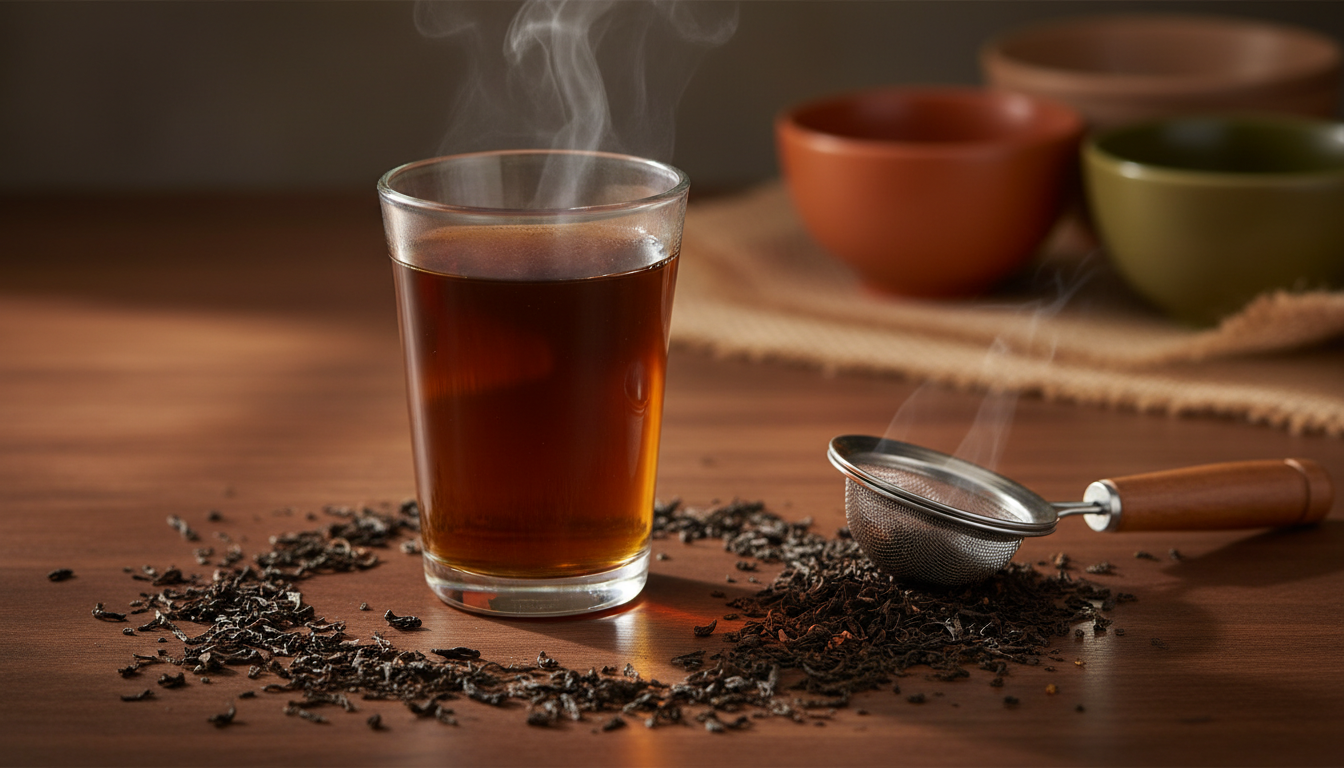

Black Tea: Types, Processing, and How to Brew It
Black tea is fully oxidized Camellia sinensis. Compare Assam, Darjeeling, Keemun, and Ceylon varieties. Learn processing, brewing, and caffeine levels.

How To Grow Black Tea
Learn how to grow black tea at home: soil, climate, and the five processing steps from fresh leaf to a finished cup of black tea.

La saggezza è la via per un tè migliore.
Riceva la nostra guida gratuita all'infusione: acqua, temperatura e tempi giusti per ogni tè che vendiamo. E saprà per primo quando arrivano i nuovi raccolti.
Niente spam. Disiscrizione in qualsiasi momento.
Controlla la posta.
La guida è in arrivo.